295,00 € – 995,00 €
Product details
Synonyms = Cell adhesion molecule CEACAM6, CD66c ,Carcinoembryonic antigen-related cell adhesion molecule 6 (CEA cell adhesion molecule 6 ), Non-specific crossreacting antigen, Normal cross-reacting antigen, CEACAM6, NCA
Antibody type = Recombinant Rabbit monoclonal / IgG
Clone = MSVA-066R
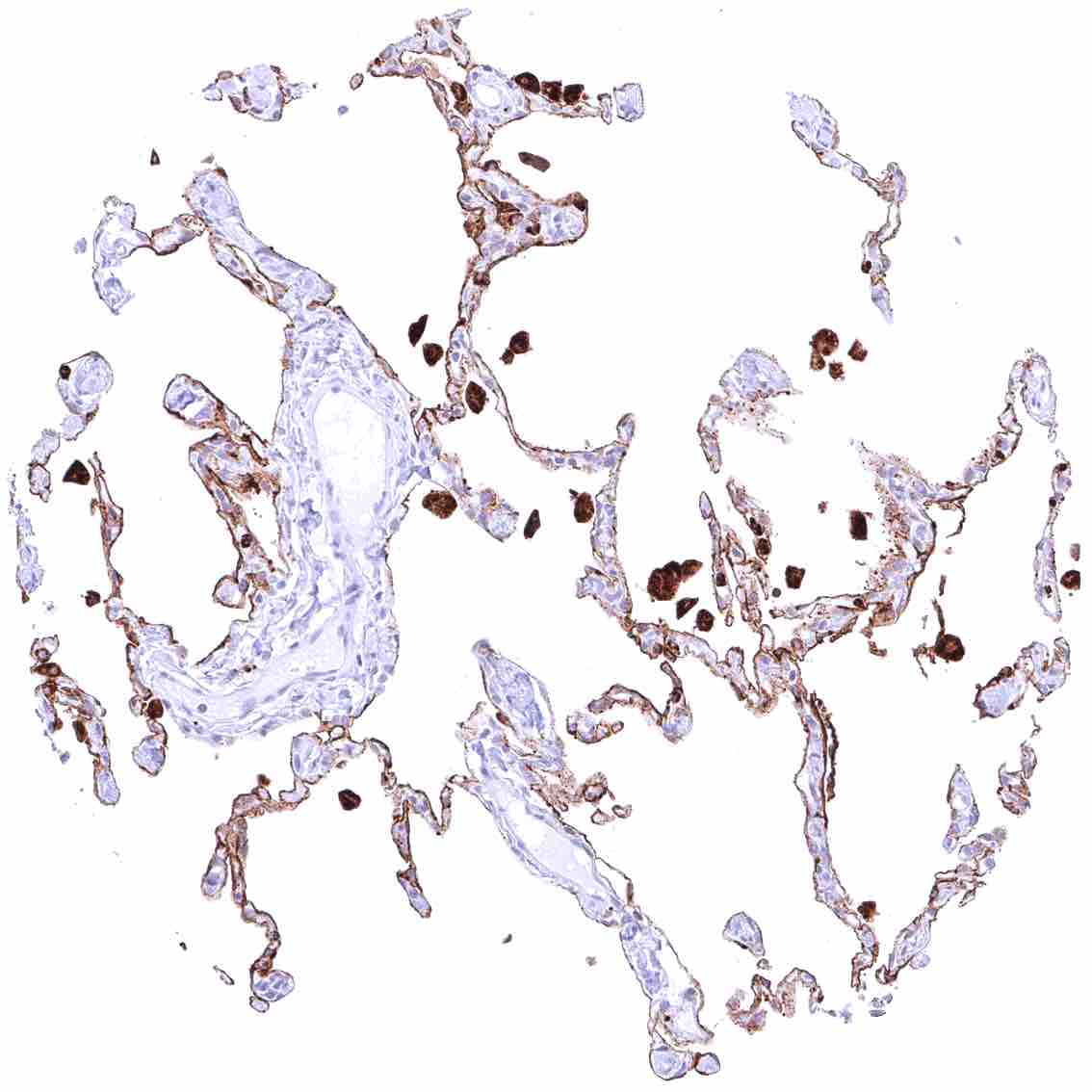
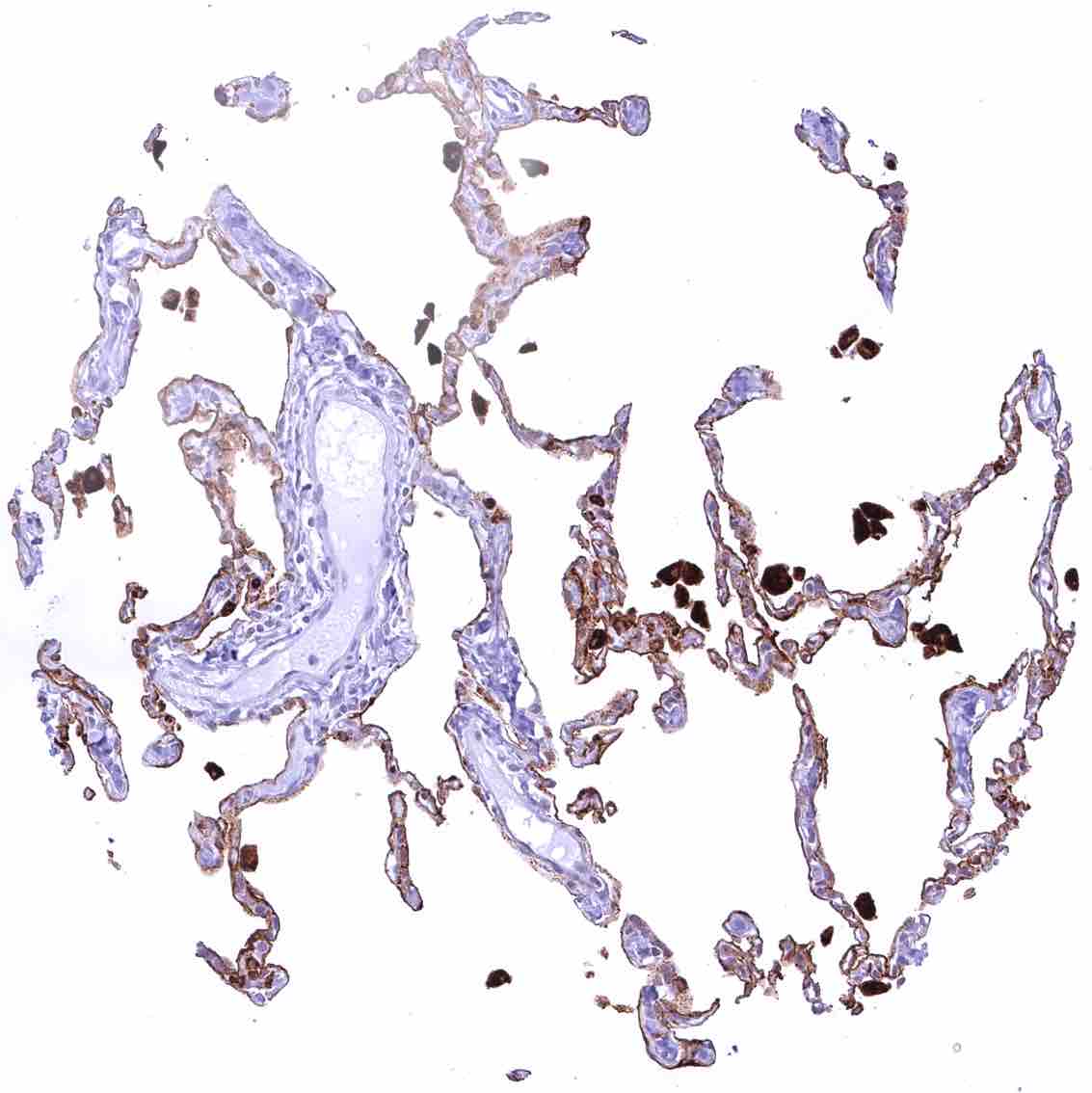
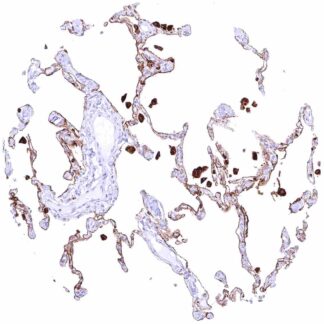
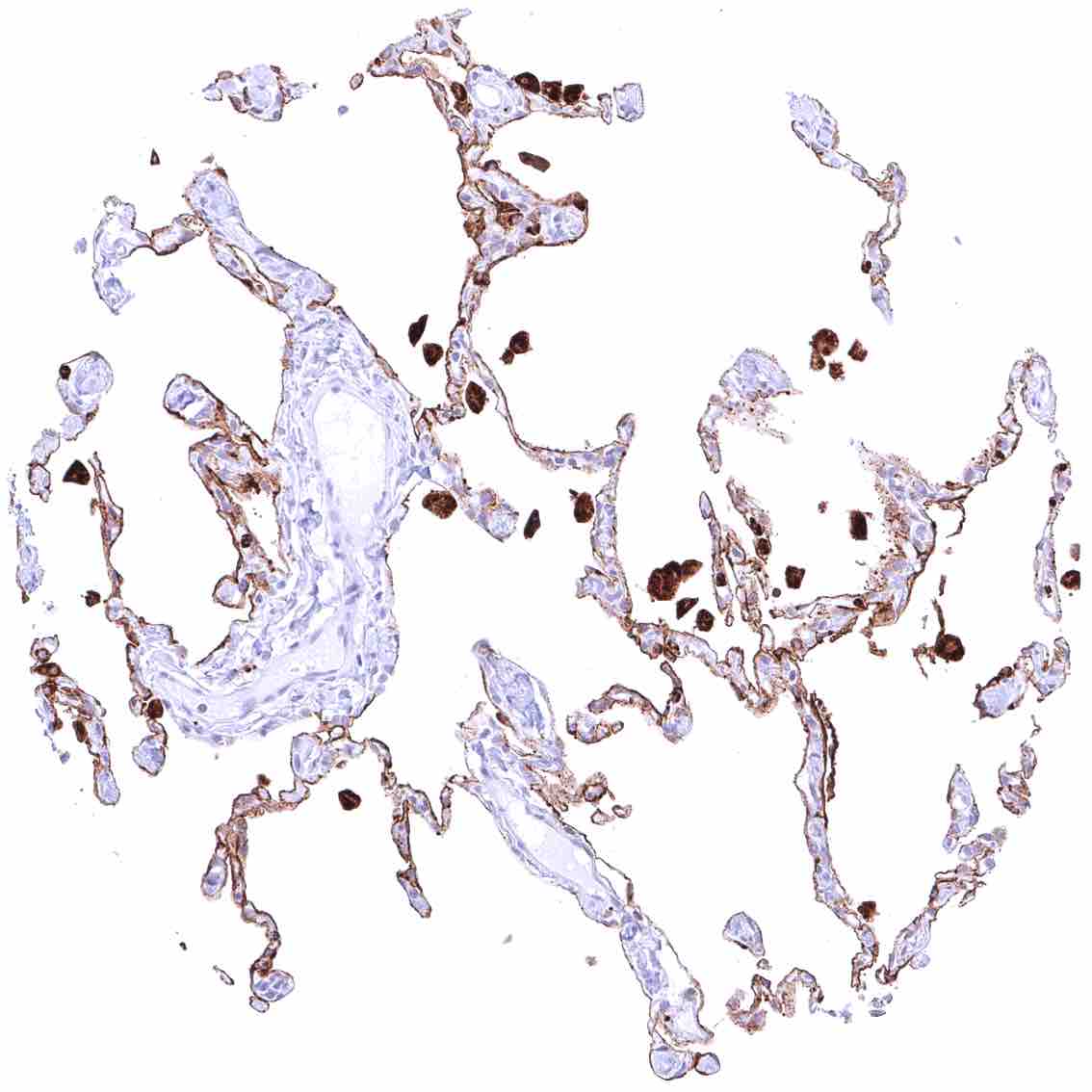
Positive control = Lung: A strong membranous CEACAM6 staining of all alveolar pneumocytes and a strong cytoplasmic and membranous CEACAM6 positivity of alveolar macrophages should be seen.
Negative control = Kidney: All epithelial cells must not show CEACAM6 staining.
Cellular localization = Membranous & Cytoplasmic
Reactivity = Human
Application = Immunohistochemistry
Dilution = 1:100 – 1:200
Intended Use = Research Use Only
Relevance of Antibody
CEACAM6 is a potential therapeutic target protein.
Biology Behind
CEACAM6 (CD66c) is a glycosylphosphatidylinositol (GPI)‑anchored cell‑surface protein of the carcinoembryonic antigen (CEA) immunoglobulin superfamily. The CEACAM6 gene maps to chromosome 19q13.2 within the CEA gene cluster. CEACAM6 mediates cell–cell adhesion (homo‑ and heterophilic interactions with other CEACAMs), and contributes to epithelial architecture and innate immune interactions. It is primarily expressed in granulocytes, alveolar macrophages and in selected epithelial cell types. Genetic diseases or cancer predispositions are not known to be related to mutations or variants of the CEACAM6 gene. Unlike other cell adhesion molecules, CEACAM6 lacks both a transmembrane and a cytoplasmic domain. This enables CEACAM6 to mediate cell-cell and cell-matrix adhesion through lateral associations with lipid rafts and co-receptors, especially integrins. Evidence for a role of CEACAM6 in cancer is accumulating. CEACAM6 is commonly upregulated in epithelial malignancies and high expression levels have been found to be associated with invasion, metastasis, and chemotherapy resistance. Based on its location on the cell‑surface CEACAM6 is currently being explored as a therapeutic target protein in cancer.
Staining Pattern in Normal Tissues
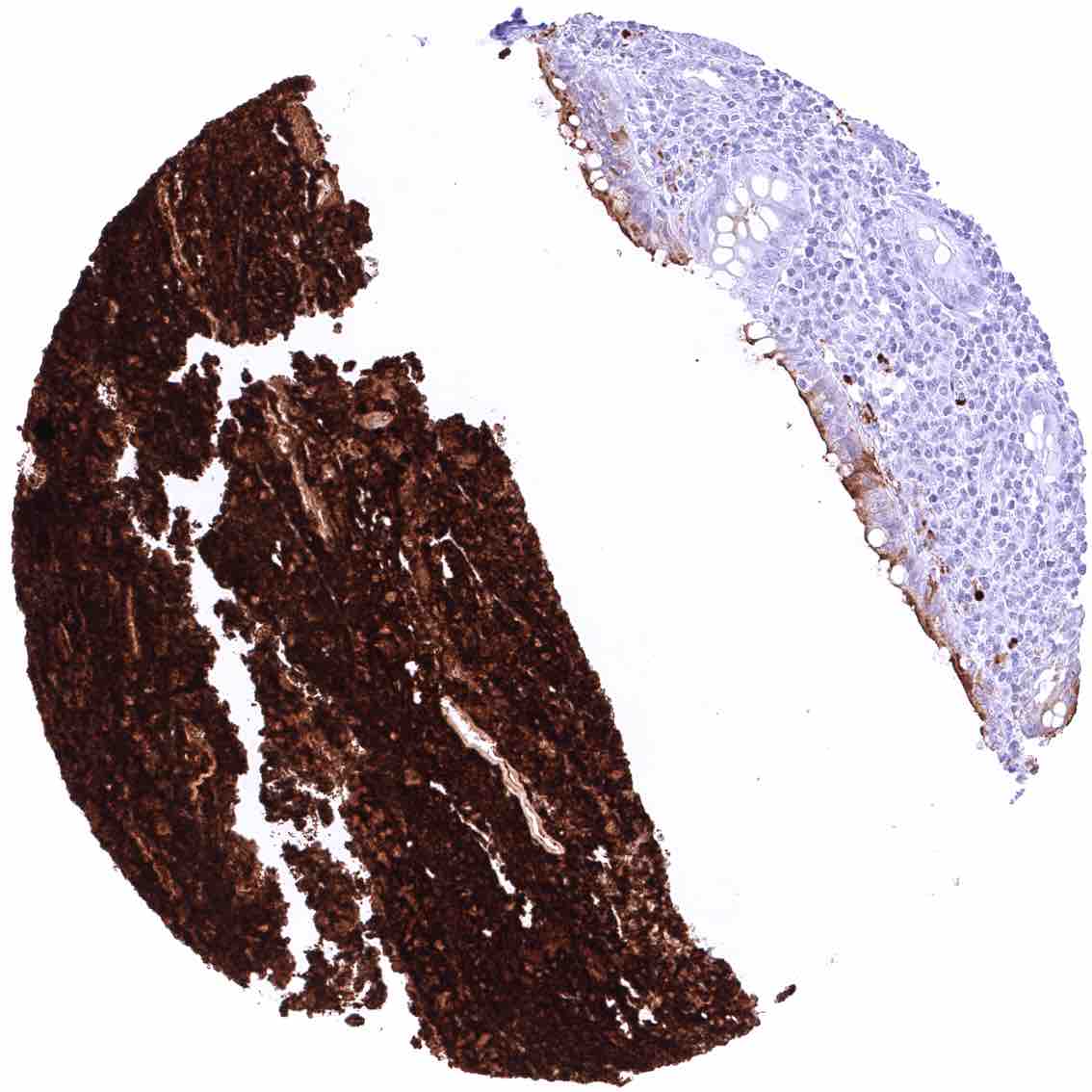
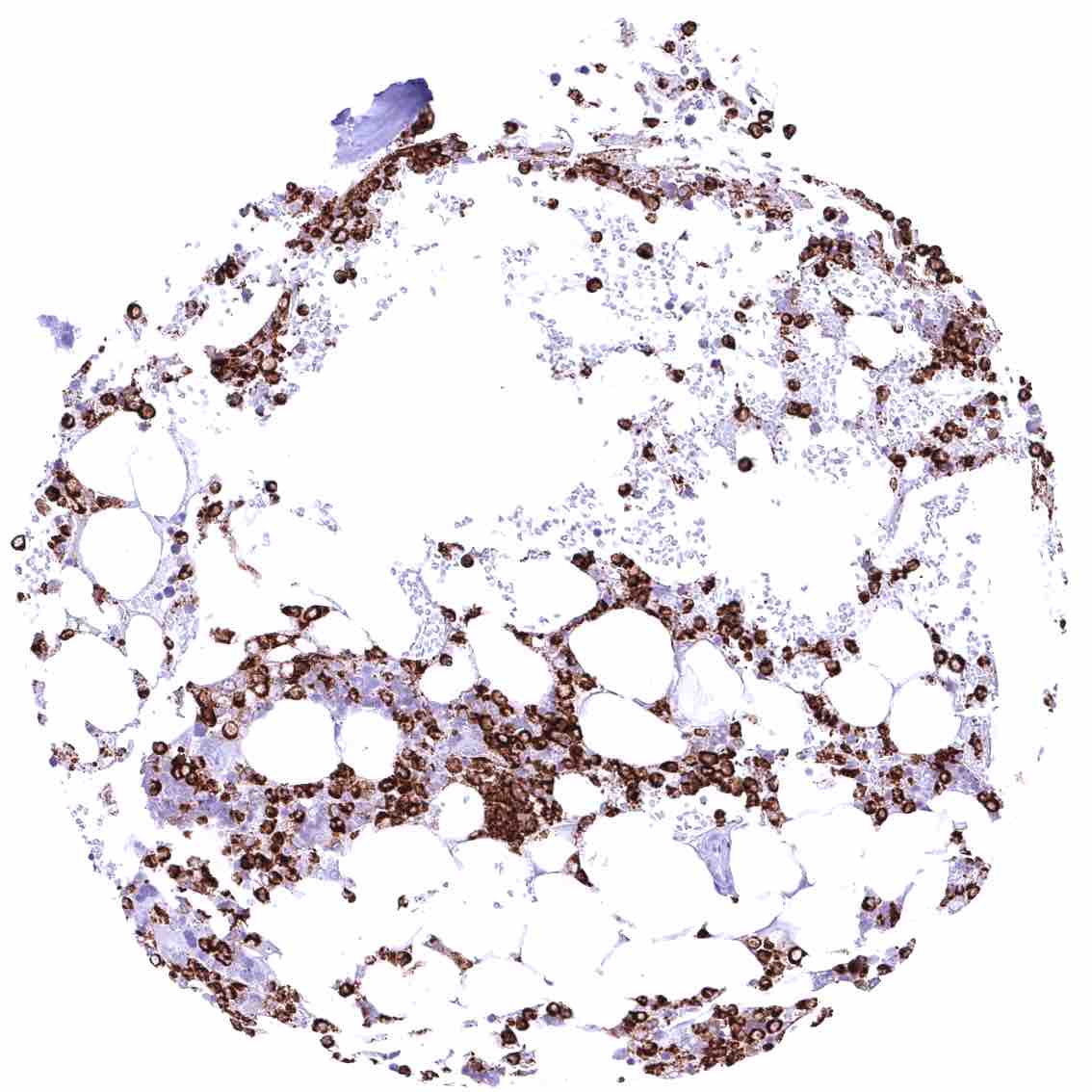
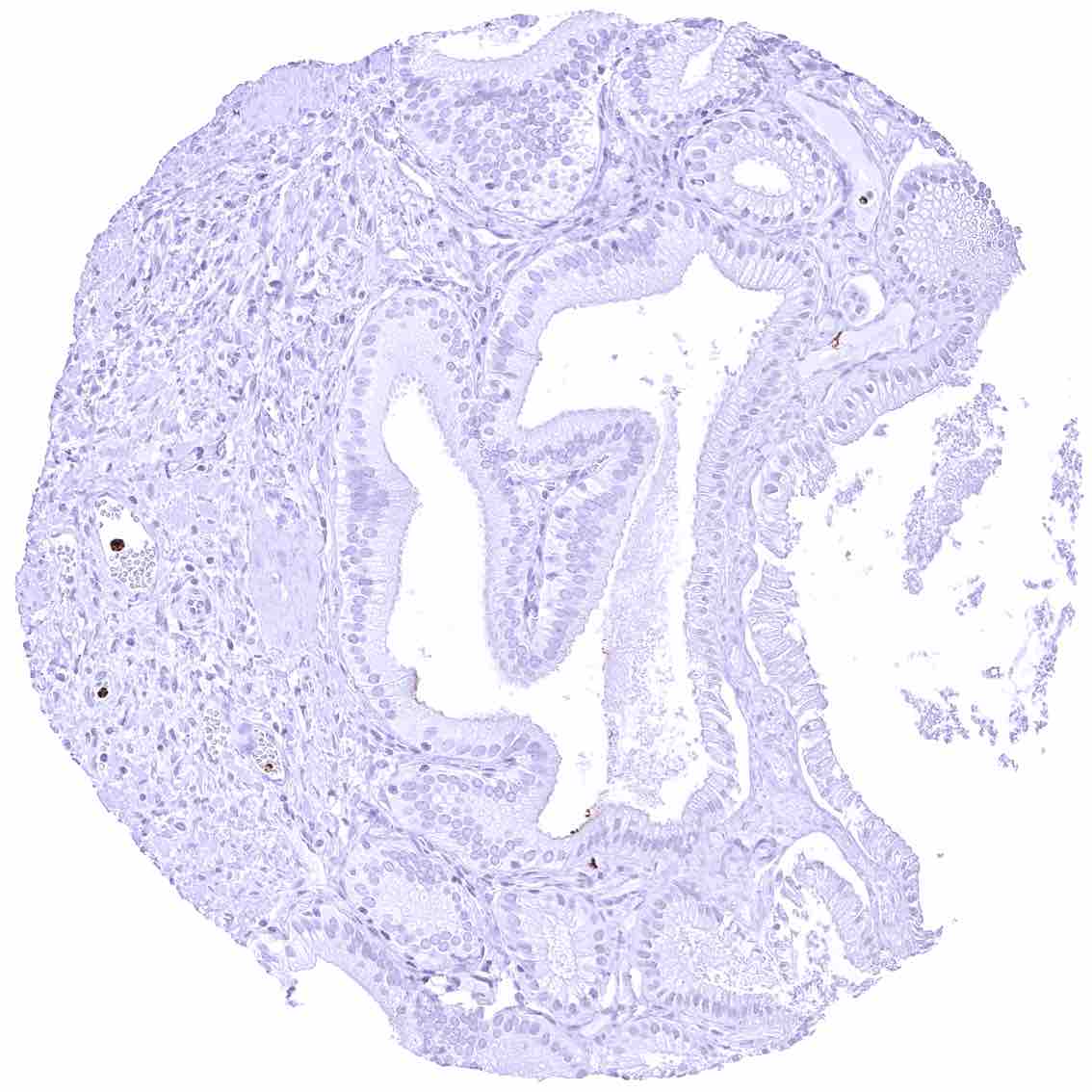
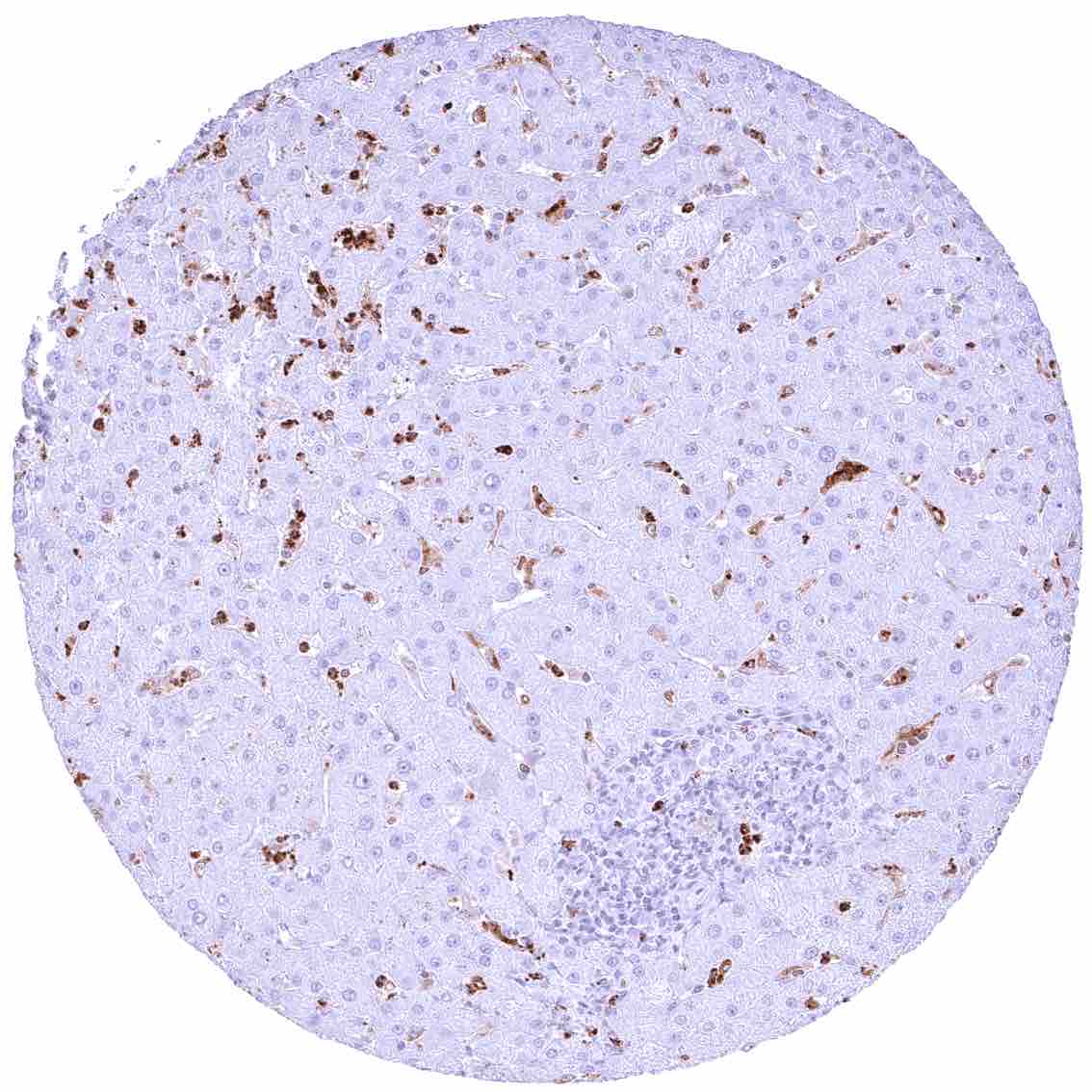
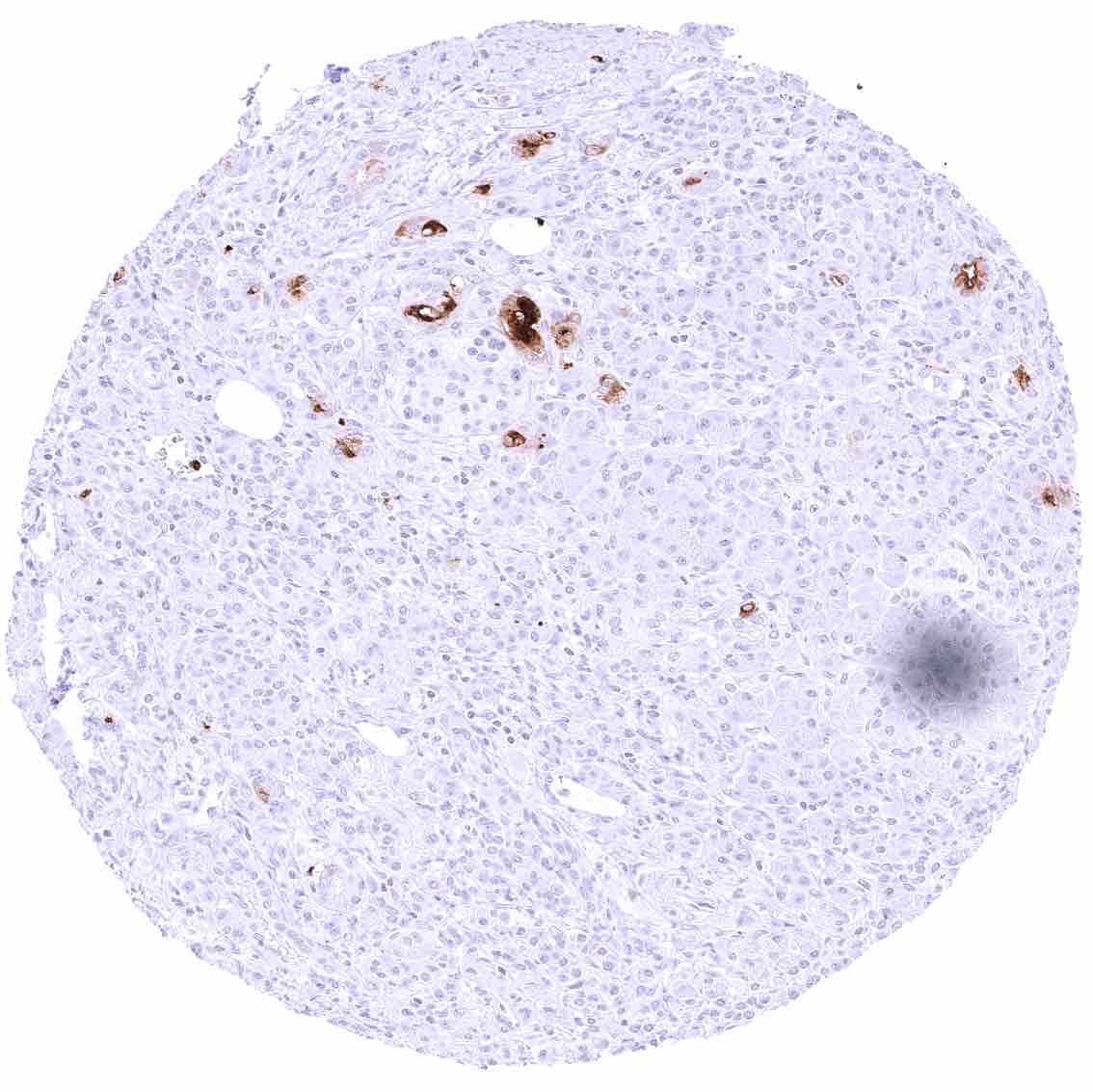
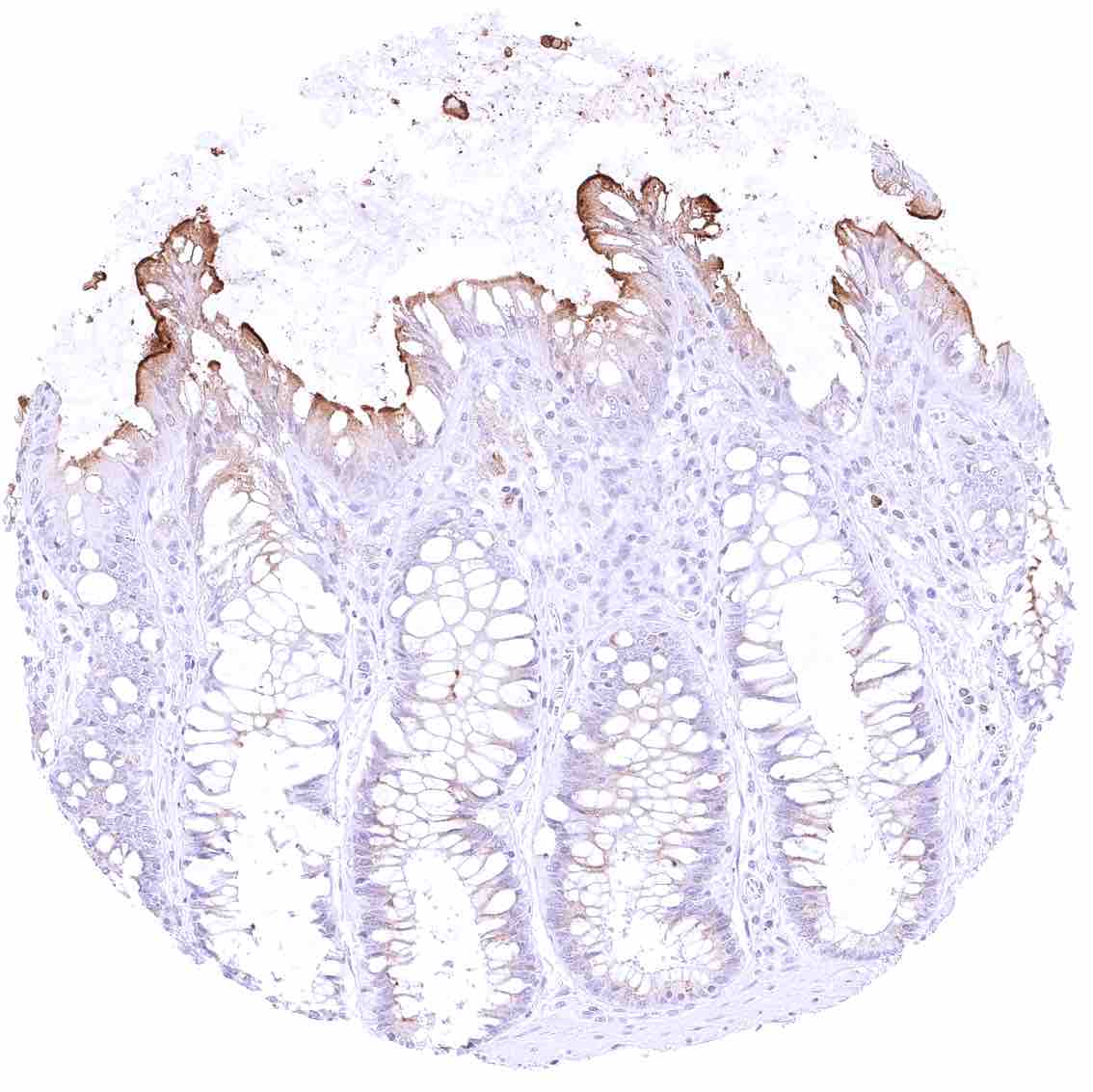
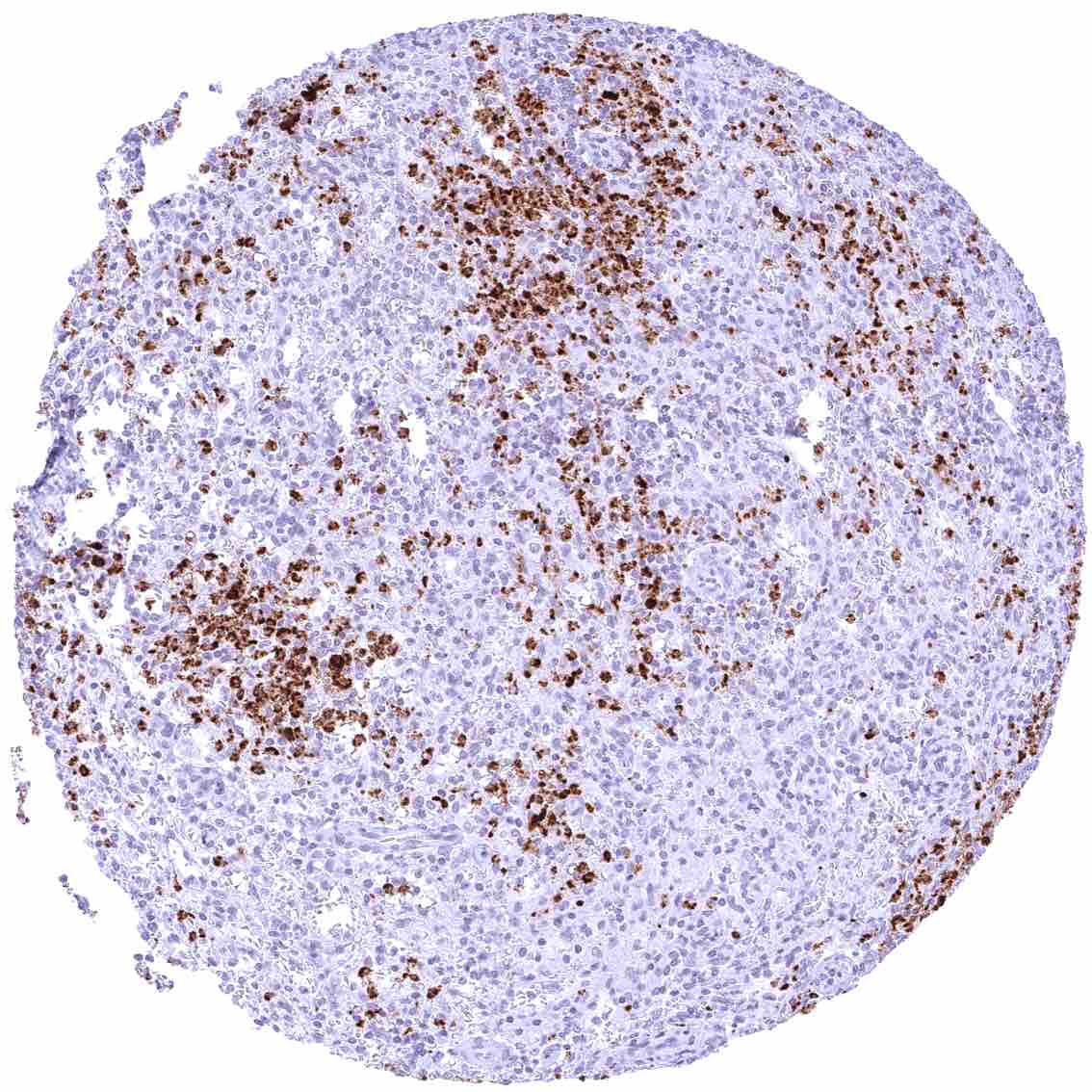
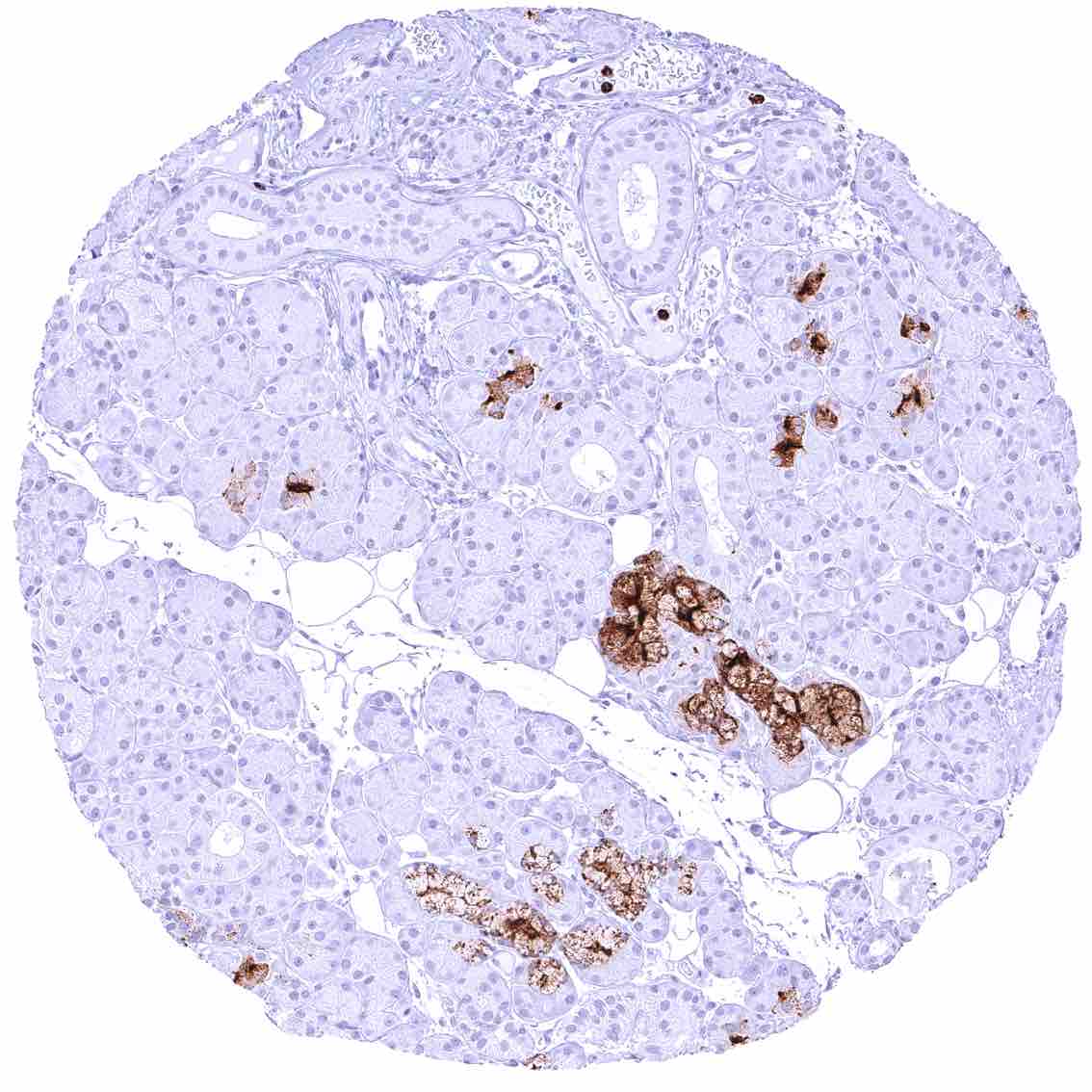
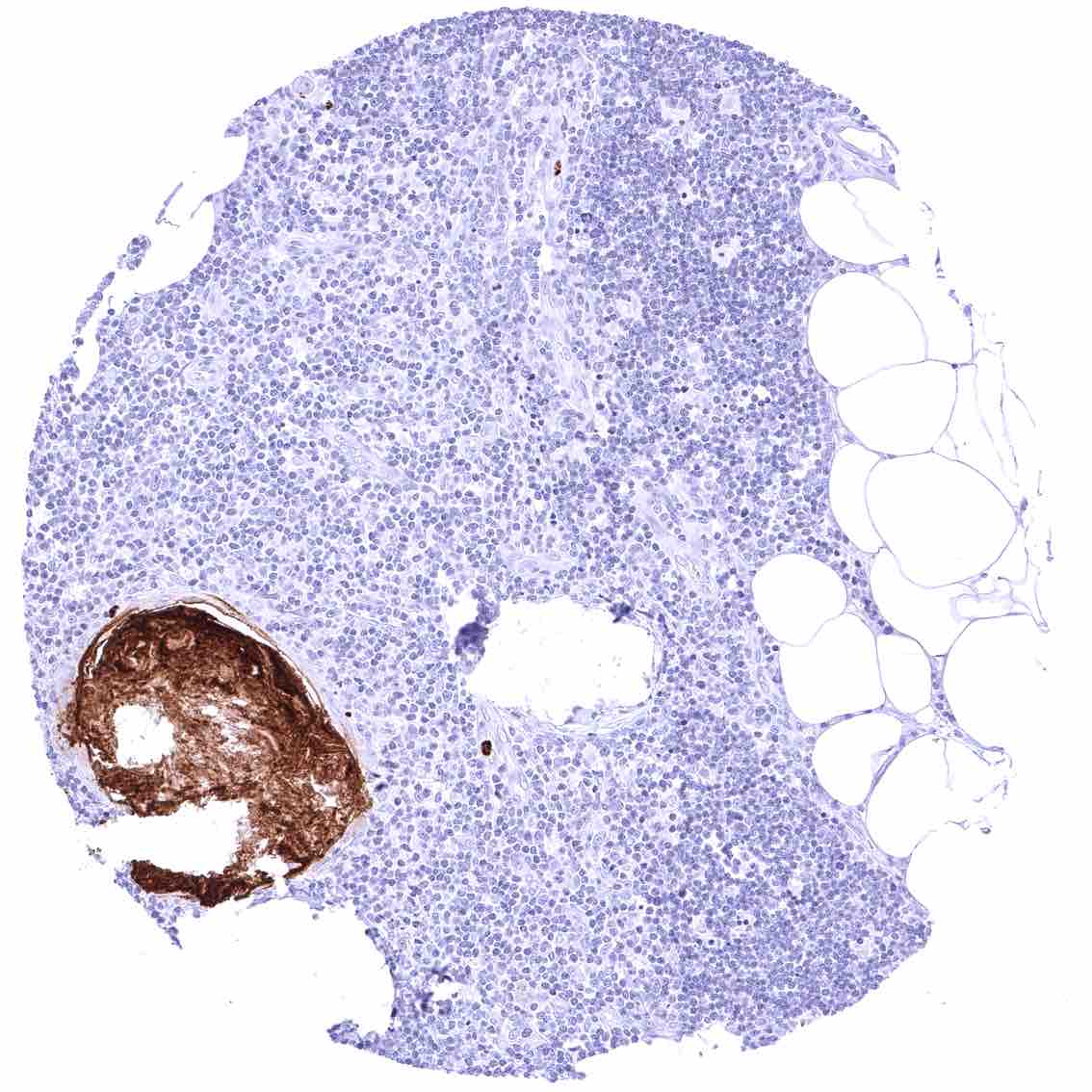
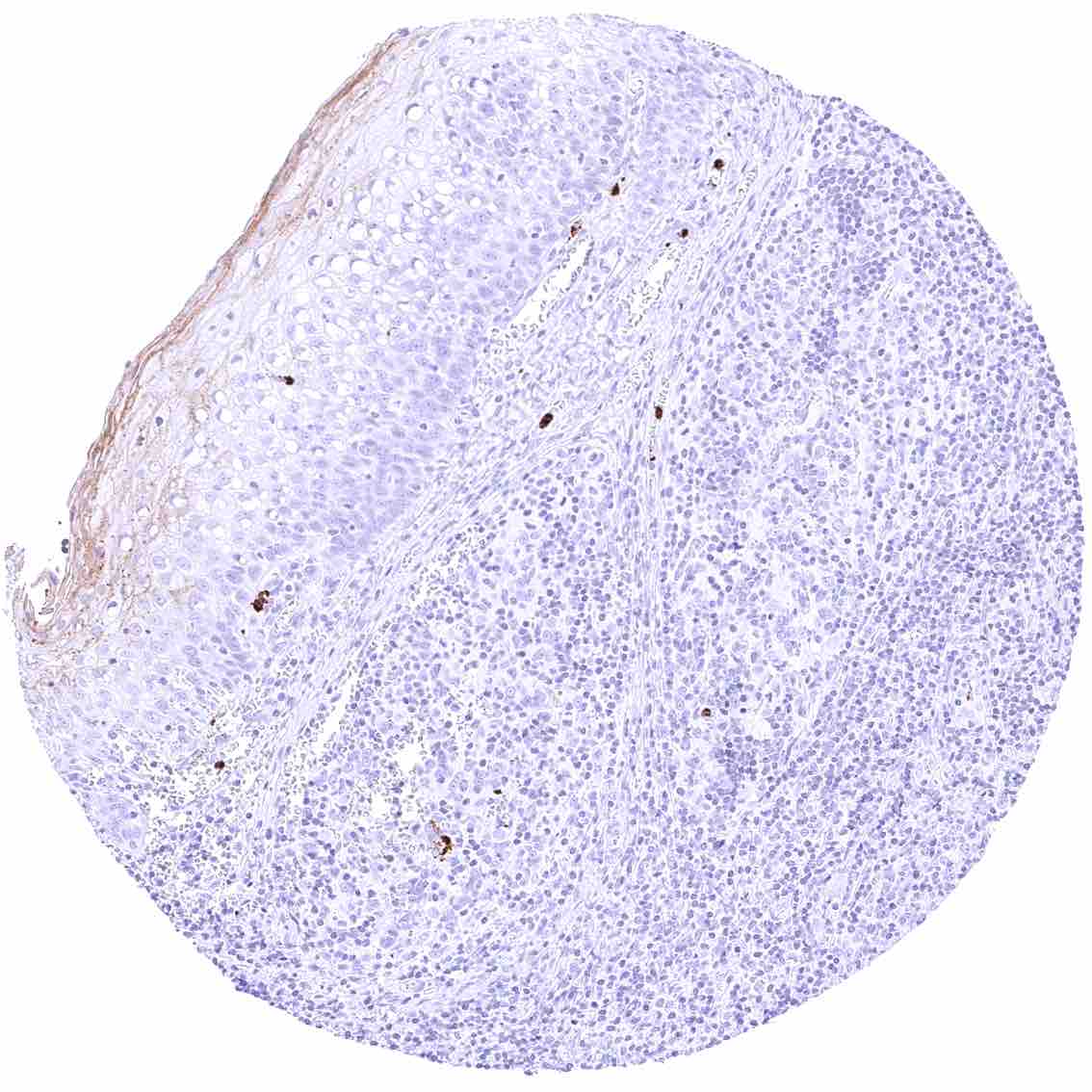
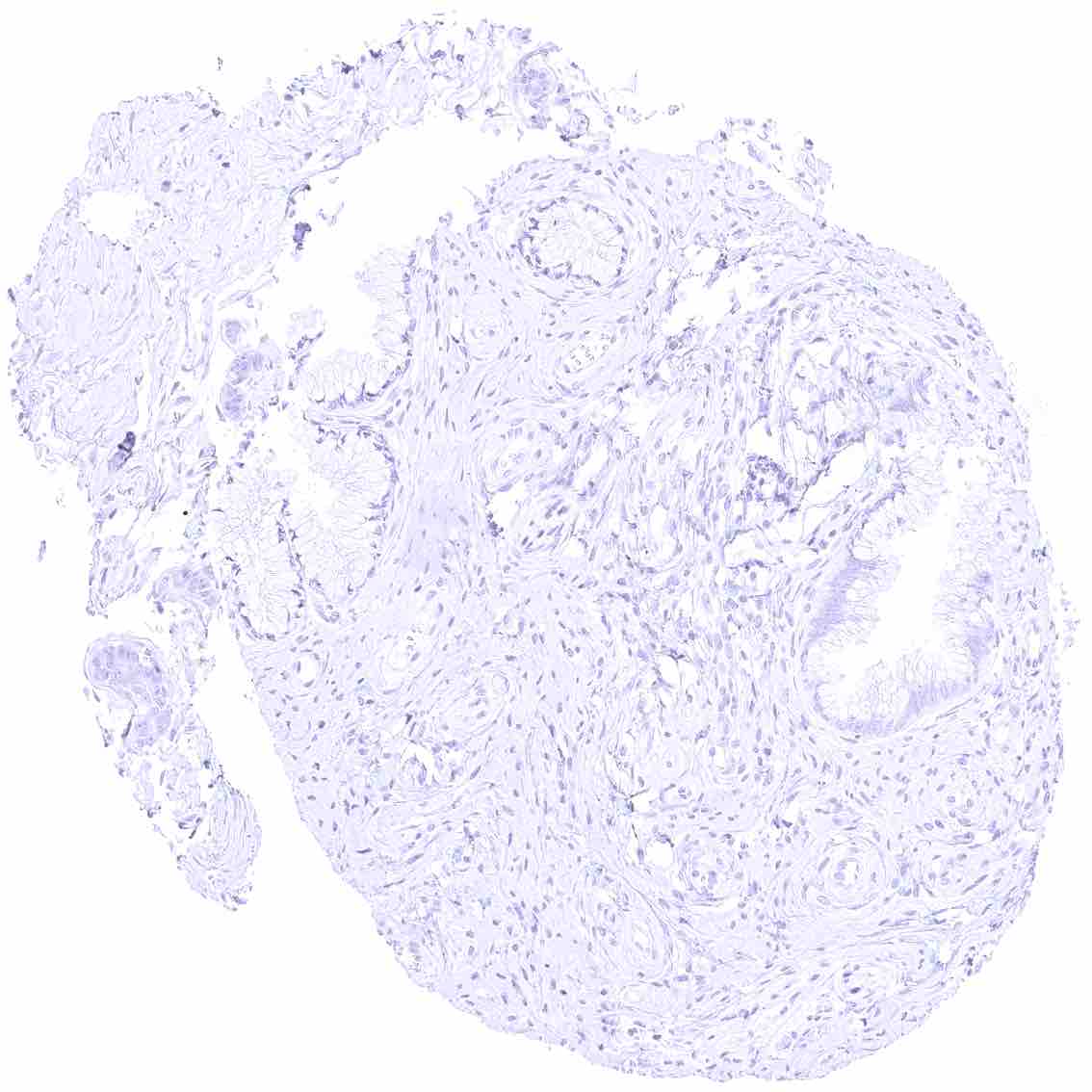
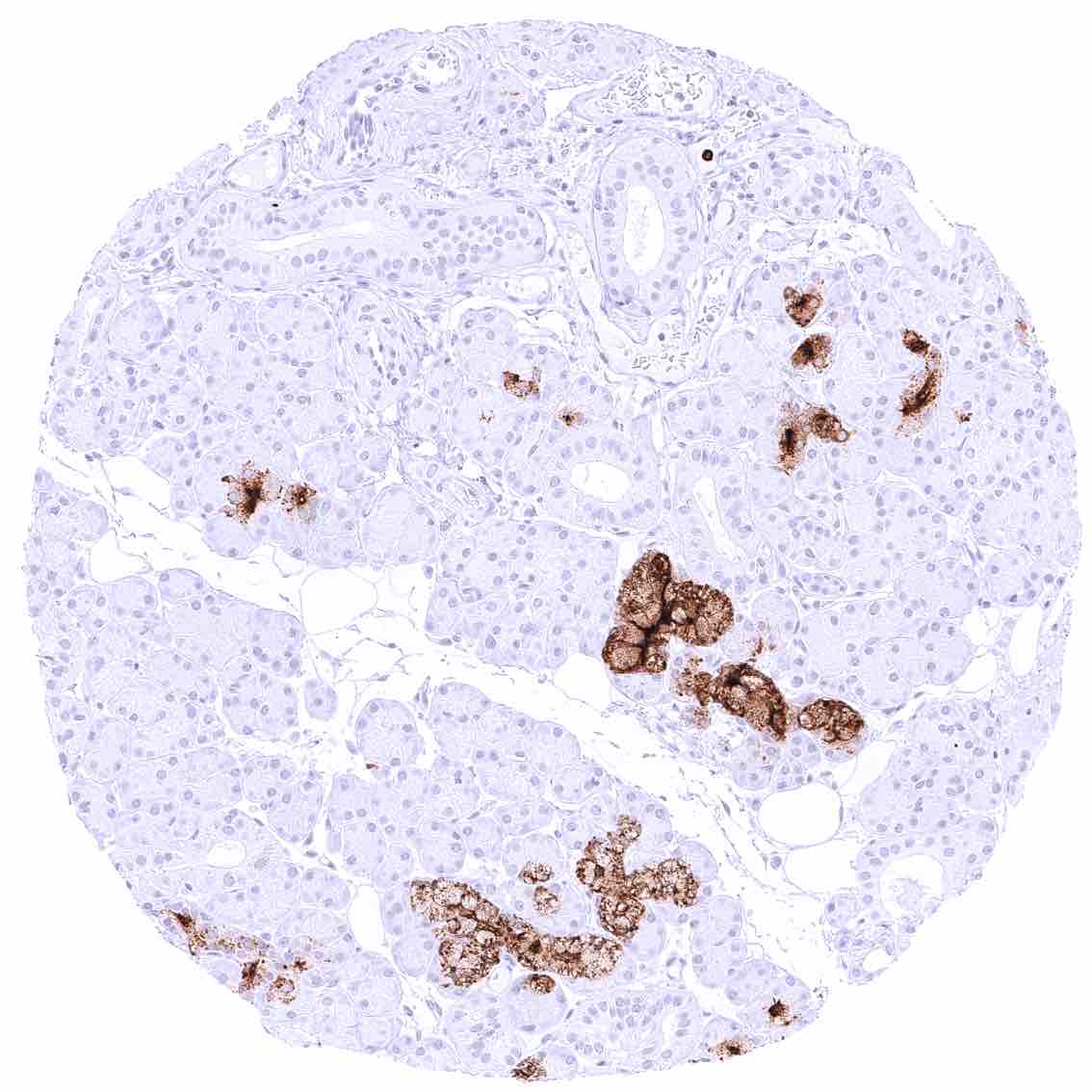
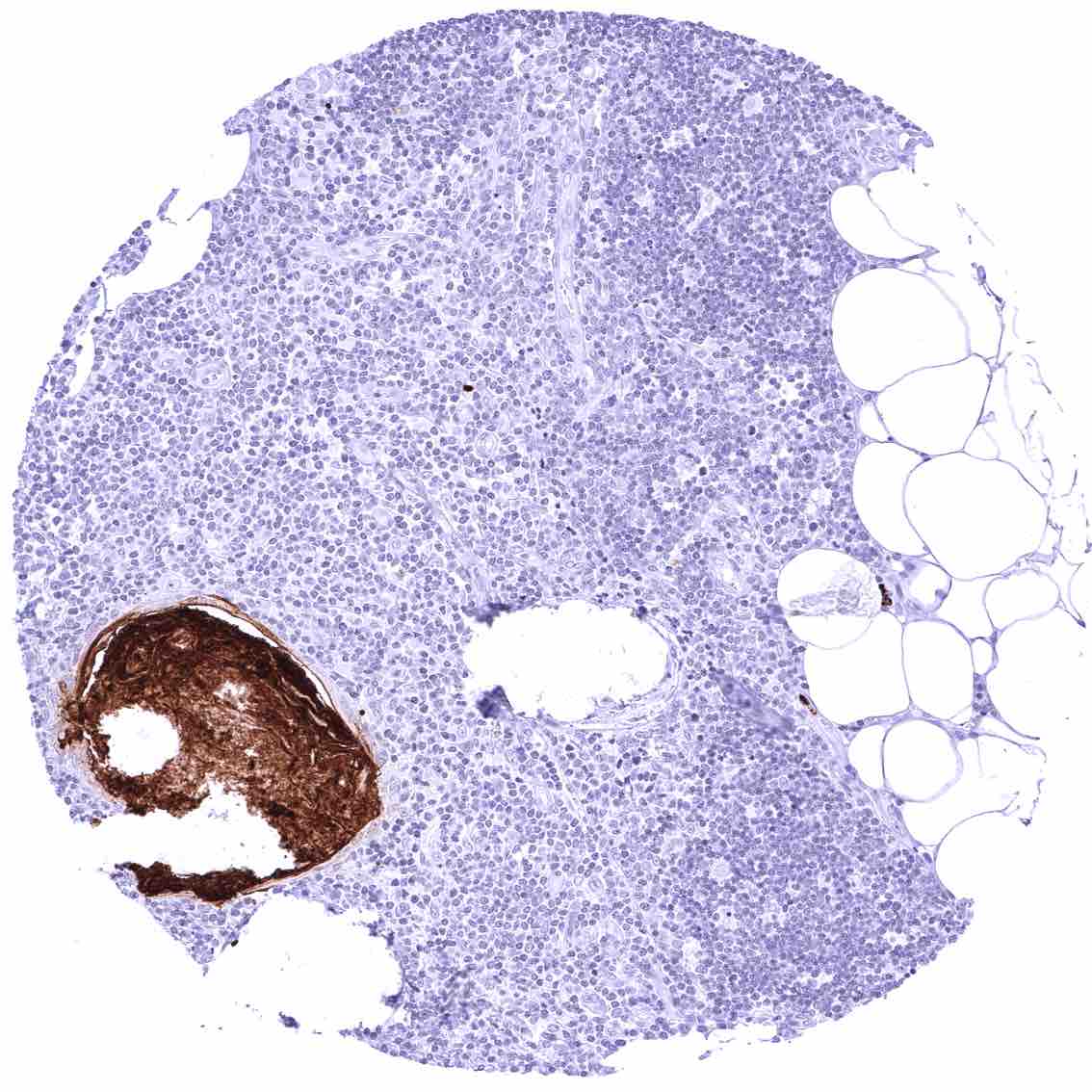
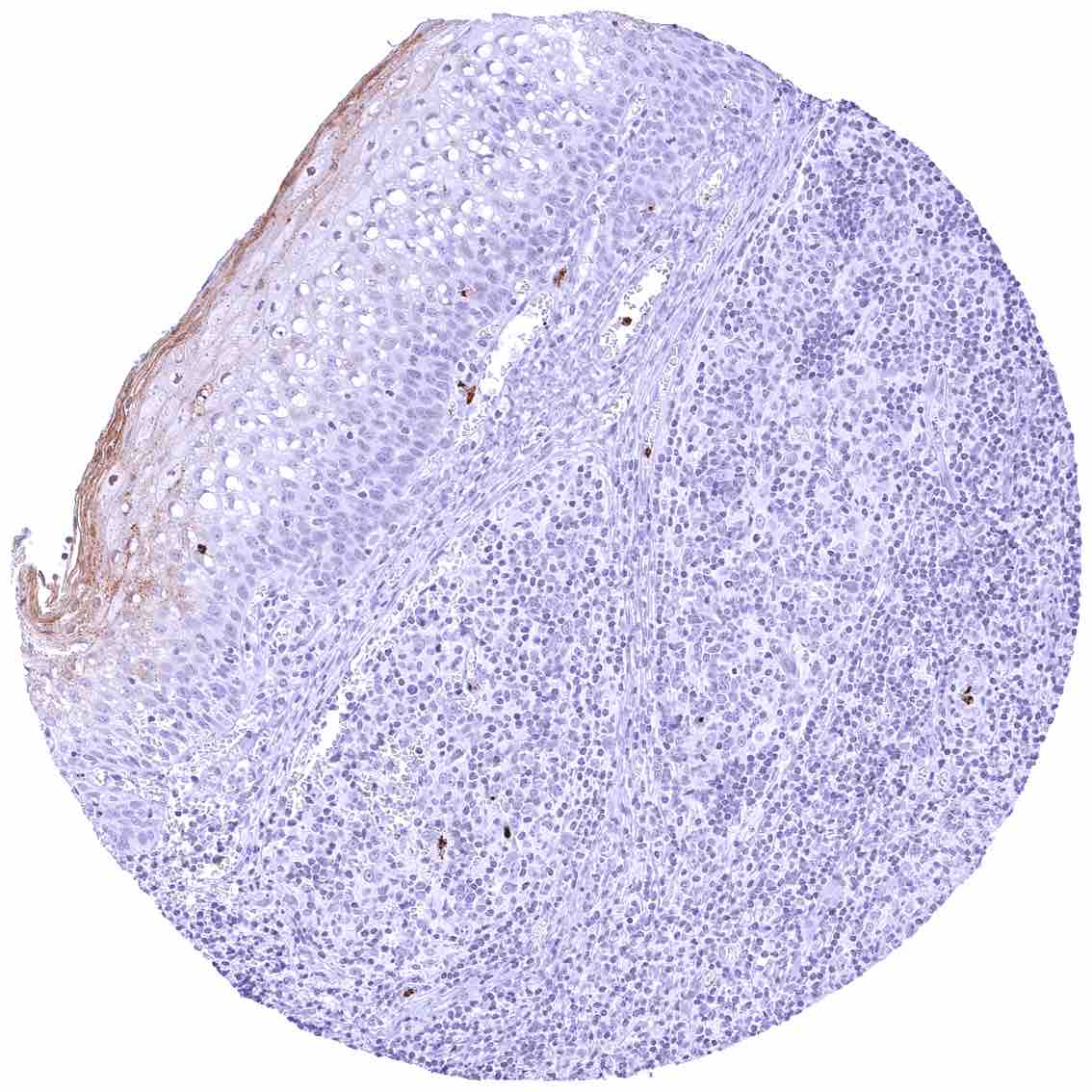
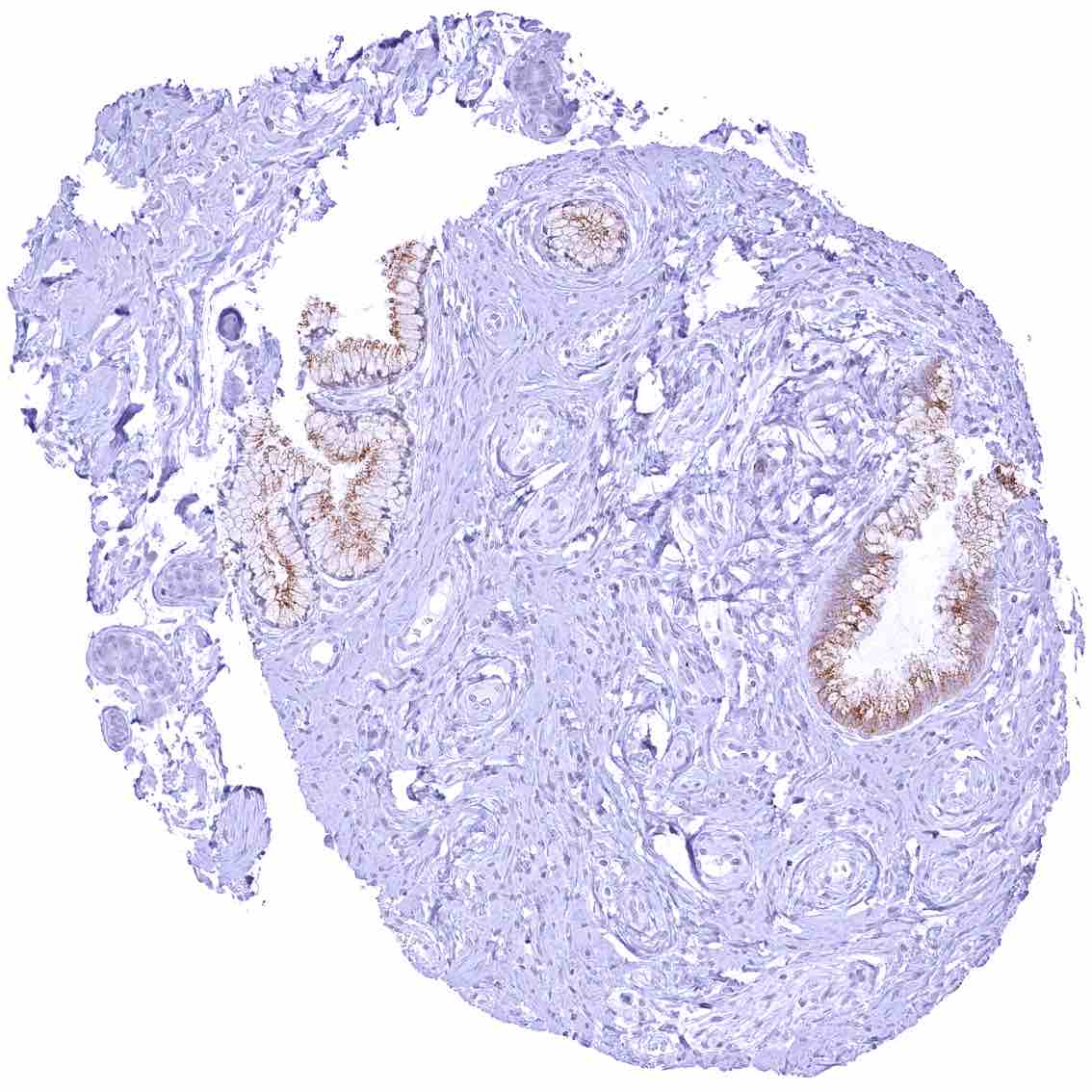
CEACAM6 staining predominates in subsets of inflammatory cells including granulocytes and alveolar macrophages. Significant CEACAM6 expression also occurs in epithelial cell types such as for example pneumocytes of the lung. Images describing the CEACAM6 staining pattern in normal tissues obtained by the antibody MSVA-066R are shown in our “Normal Tissue Gallery”.
| Brain | Cerebrum | Negative. |
| Cerebellum | Negative. | |
| Endocrine Tissues | Thyroid | Negative. |
| Parathyroid | Negative. | |
| Adrenal gland | Negative. | |
| Pituitary gland | Negative. | |
| Respiratory system | Respiratory epithelium | Moderate membranous CEACAM6 staining of a fraction of respiratory epithelial cells (not in all samples). |
| Lung | Strong membranous CEACAM6 staining of all alveolar pneumocytes and of macrophages. | |
| Gastrointestinal Tract | Salivary glands | Distinct membranous and cytoplasmic CEACAM6 staining of mucinous glandular cells. |
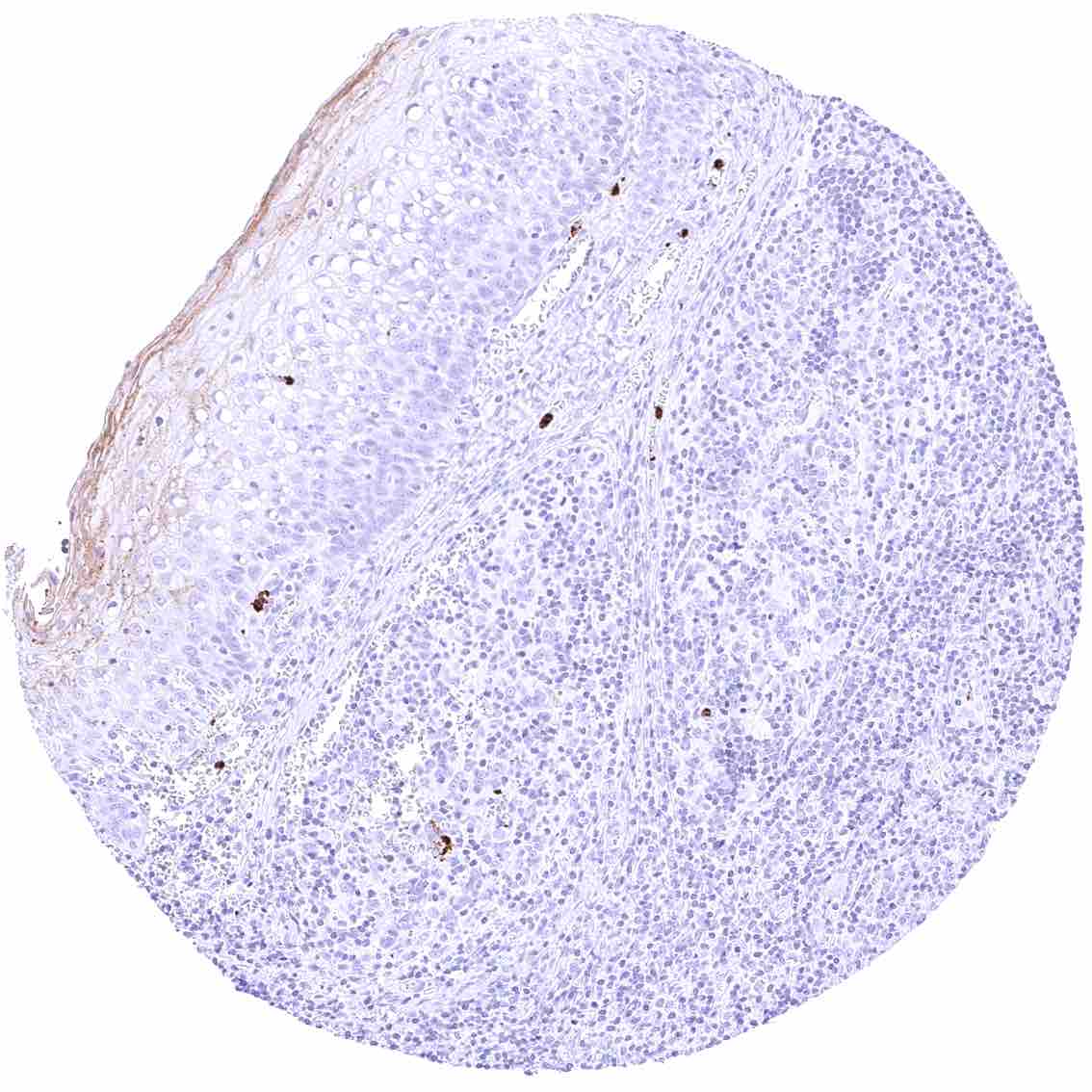
| Esophagus | Weak to moderate membranous CEACAM6 staining of a large fraction of squamous epithelial cells especially of the upper half of the epithelium. | |
| Stomach | Negative. | |
| Duodenum | Negative. | |
| Small intestine | Negative. | |
| Appendix | Moderate apical membranous CEACAM6 staining of at least a fraction of surface epithelial cells. The CEACAM6 staining is weaker in glandular cells and at the crypt base. | |
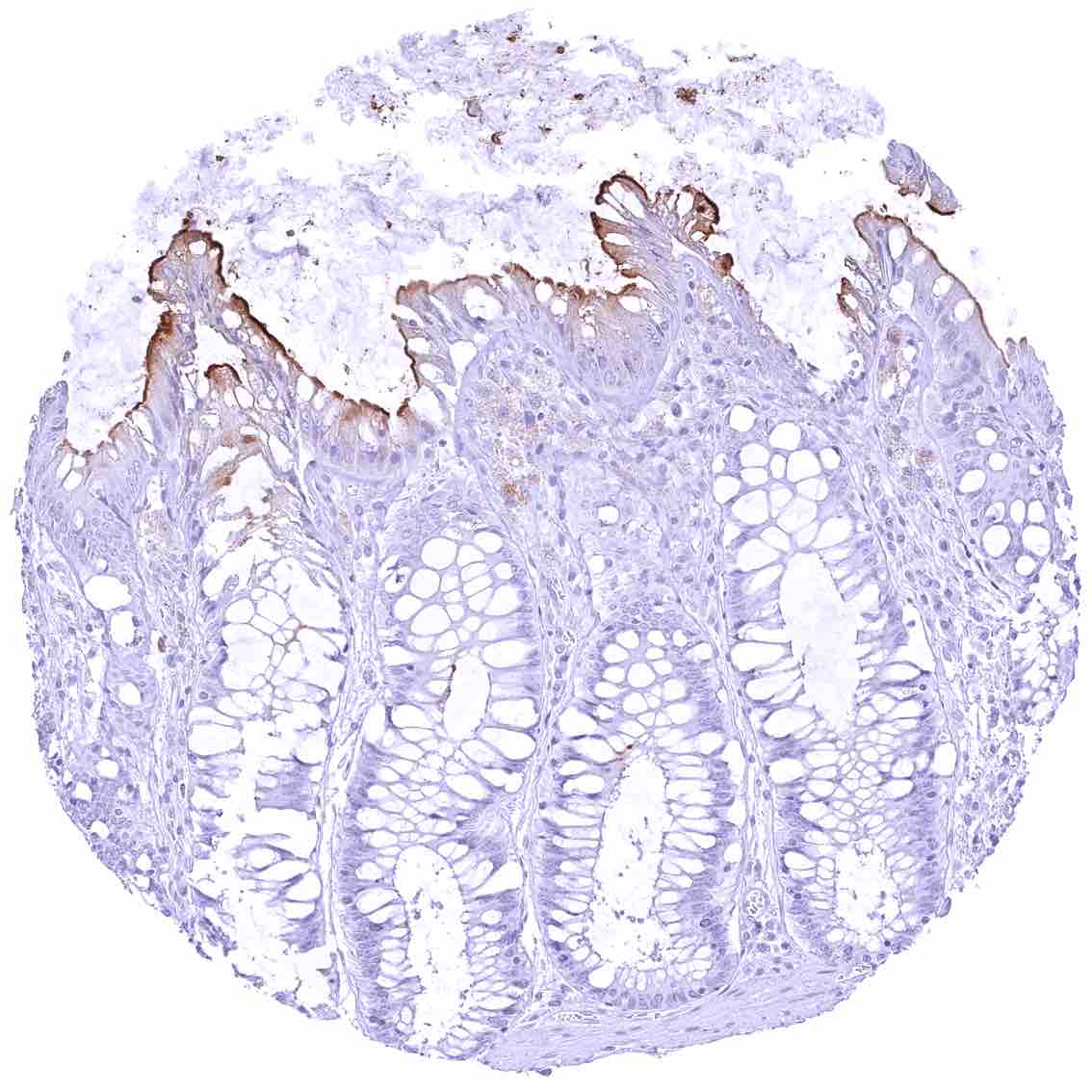
| Colon | Faint apical membranous CEACAM6 staining of a fraction of epithelial cells. | |
| Rectum | Strong apical membranous CEACAM6 staining of surface epithelial cells (not in all samples). | |
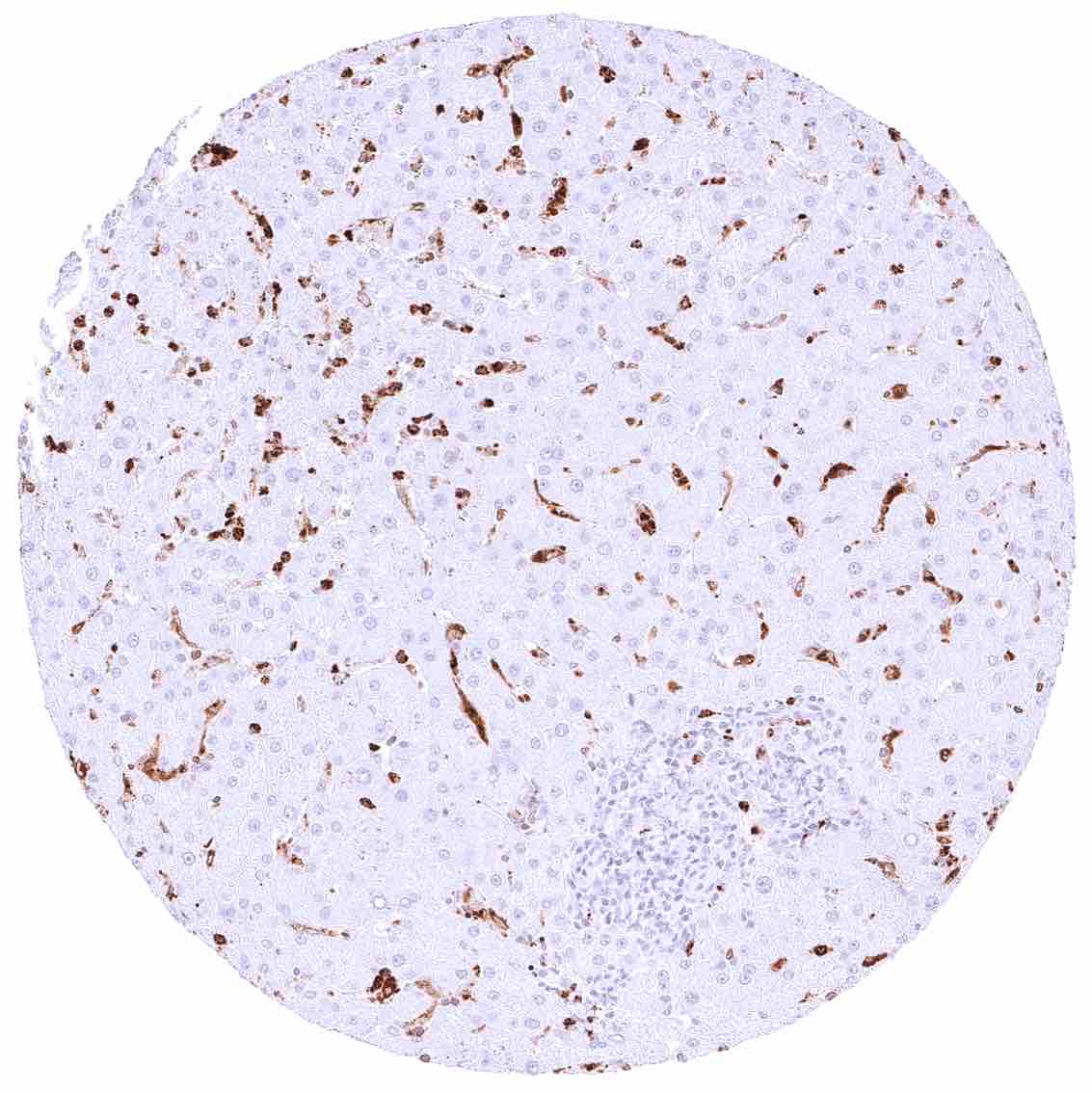
| Liver | Strong membranous and cytoplasmic CEACAM6 staining of many intravascular inflammatory cells. | |
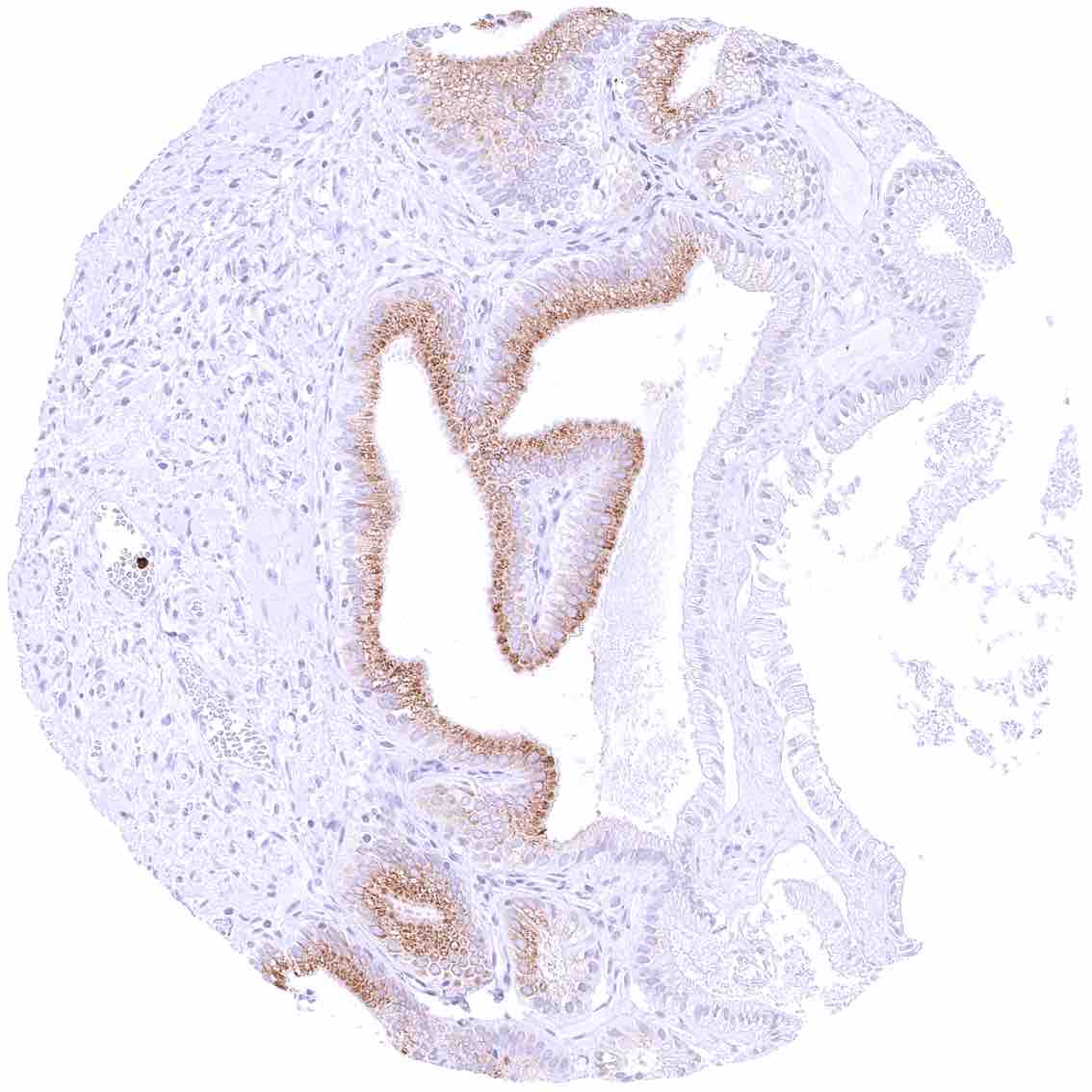
| Gallbladder | Apical membranous CEACAM6 staining of variable intensity (negative to strong) in epithelial cells. | |
| Pancreas | Strong membranous and cytoplasmic CEACAM6 staining of a fraction of small excretory ducts. | |
| Genitourinary | Kidney | Negative. |
| Urothelium | Negative. | |
| Male genital | Prostate | Negative. |
| Seminal vesicles | Negative. | |
| Testis | Negative. | |
| Epididymis | Negative. | |
| Female genital | Breast | Apical membranous CEACAM6 staining of a fraction of luminal epithelial cells. |
| Uterus, myometrium | Negative. | |
| Uterus, ectocervix | Membranous CEACAM6 staining of squamous epithelial cells is variable ranging from negative to strong between samples. | |
| Uterus endocervix | Negative. | |
| Uterus, endometrium | Negative. | |
| Fallopian Tube | Negative. | |
| Ovary | Negative. | |
| Placenta early | Negative. | |
| Placenta mature | Negative. | |
| Amnion | Negative. | |
| Chorion | Negative. | |
| Skin | Epidermis | Negative. |
| Sebaceous glands | Strong apical membranous and apical cytoplasmic staining of eccrine glands. Sebaceous cells and hair follicles are CEACAM6 negative. | |
| Muscle/connective tissue | Heart muscle | Negative. |
| Skeletal muscle | Negative. | |
| Smooth muscle | Negative. | |
| Vessel walls | Negative. | |
| Fat | Negative. | |
| Stroma | Negative. | |
| Endothelium | Negative. | |
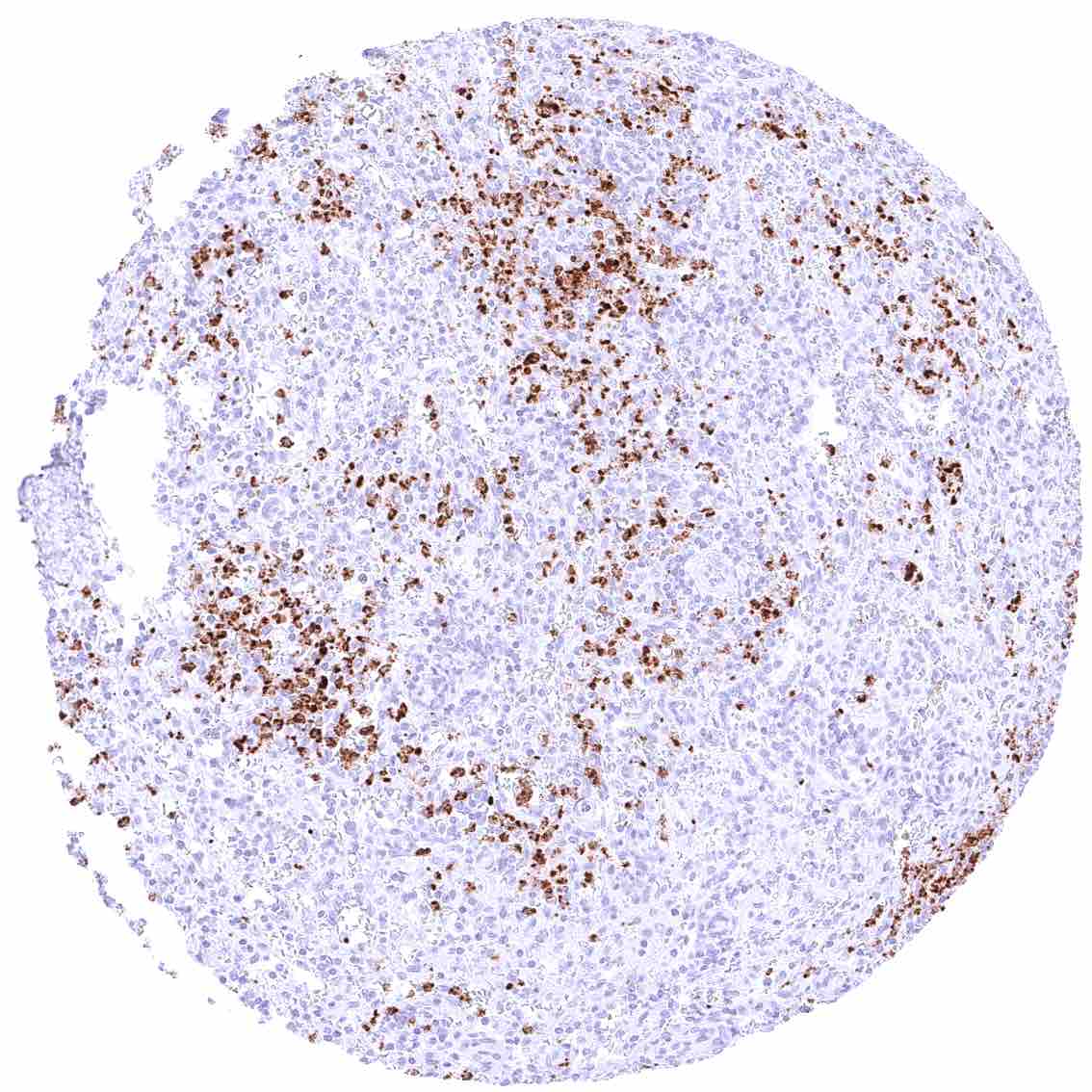
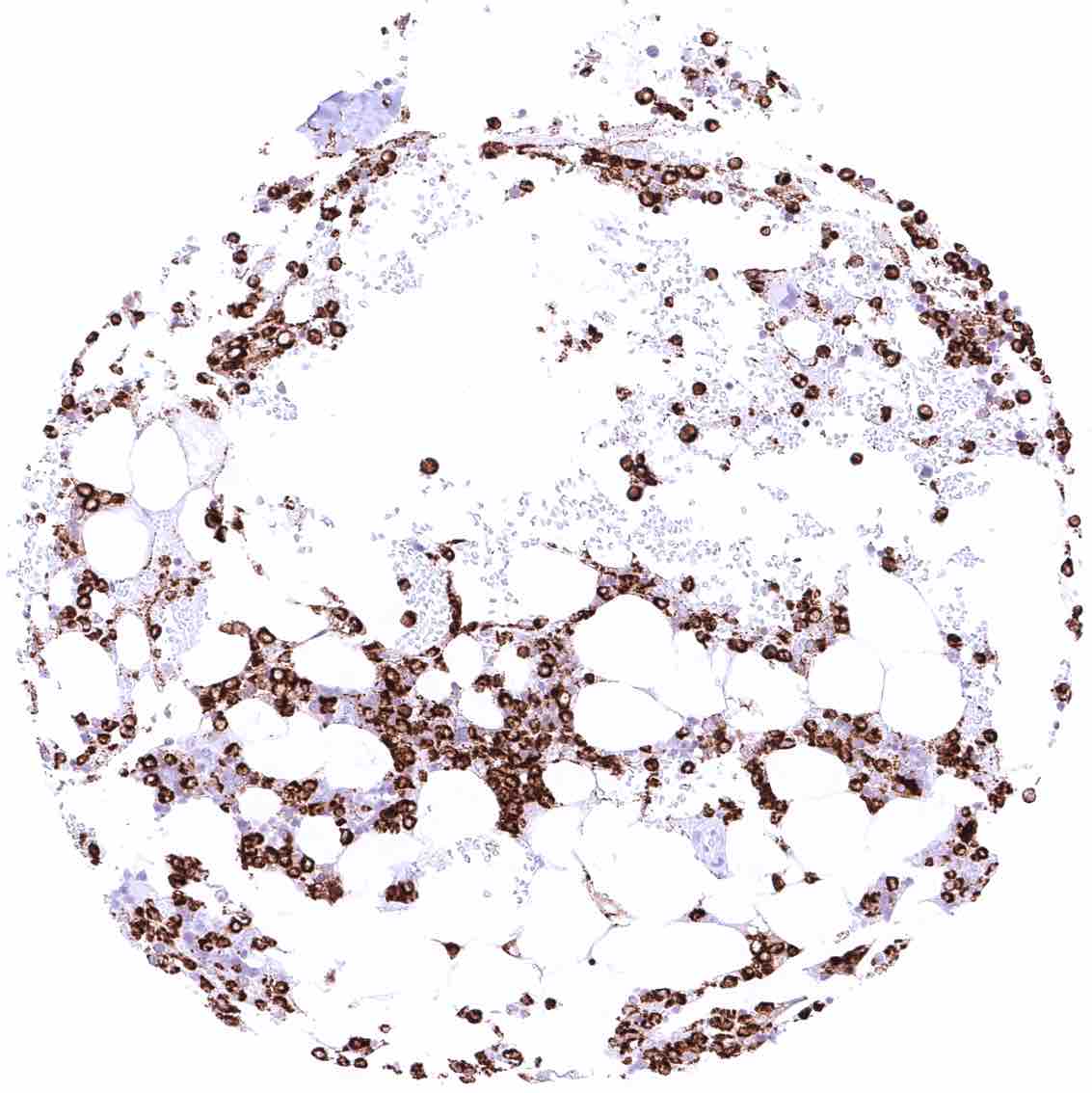
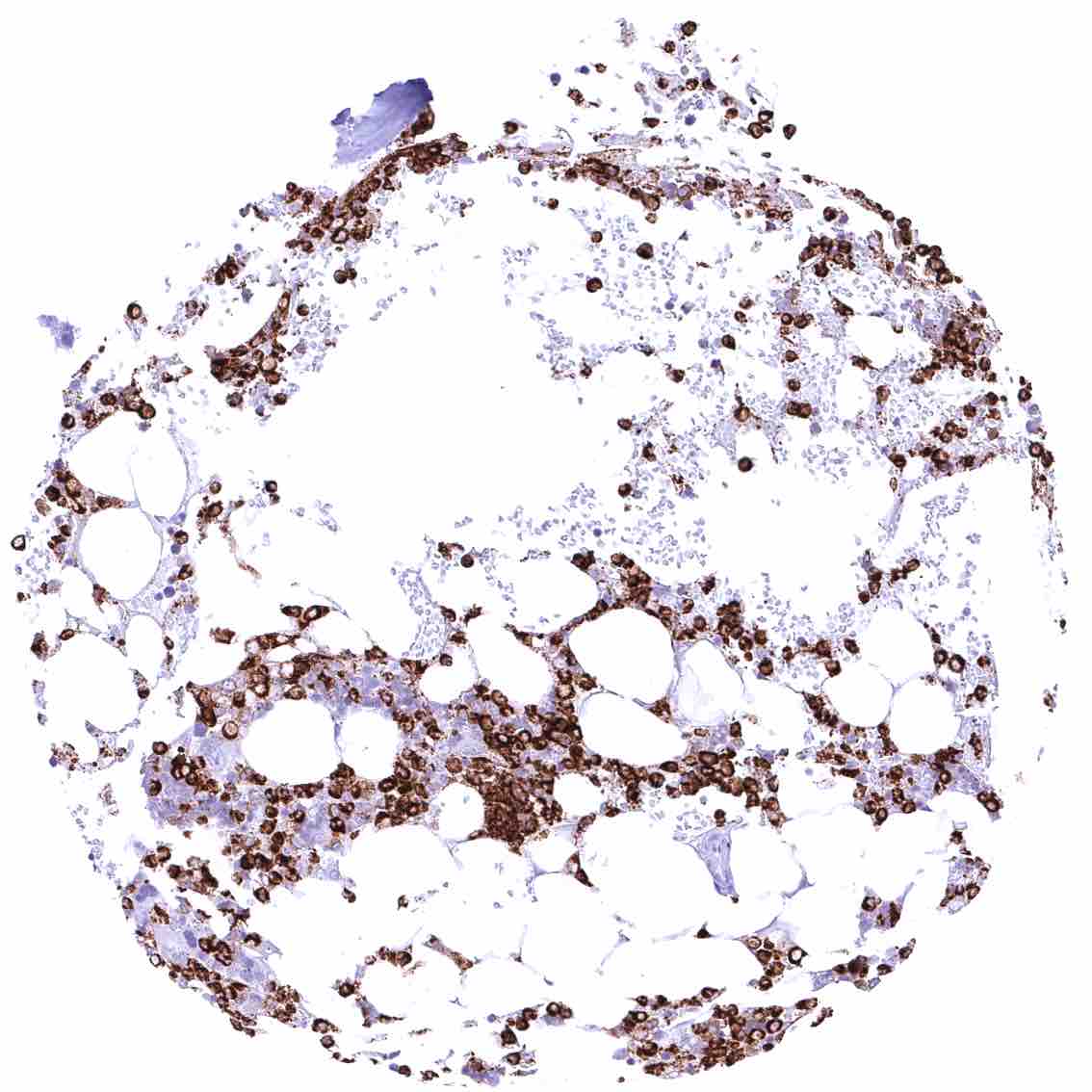
| Bone marrow/ lymphoid tissue | Bone marrow | Strong CEACAM6 staining of a subset of cells, probably of the myeloid cell line. |
| Lymph node | Most cells are CEACAM6 negative. | |
| Spleen | CEACAM6 staining is limited to inflammatory cells, mostly of the red pulpa. | |
| Thymus | Strong CEACAM6 staining of corpuscles of Hassall’s. | |
| Tonsil | Weak to moderate membranous CEACAM6 staining of a fraction of squamous epithelial cells especially of the upper half of the epithelium. | |
| Remarks | CEACAM6 positive inflammatory cells can be found at variable quantities in all tissues. |
These findings are largely comparable to the RNA and protein data described in the Human Protein Atlas (Tissue expression CEACAM6).
Positive control = Lung: A strong membranous CEACAM6 staining of all alveolar pneumocytes and a strong cytoplasmic and membranous CEACAM6 positivity of alveolar macrophages should be seen.
Negative control = Kidney: All epithelial cells must not show CEACAM6 staining.
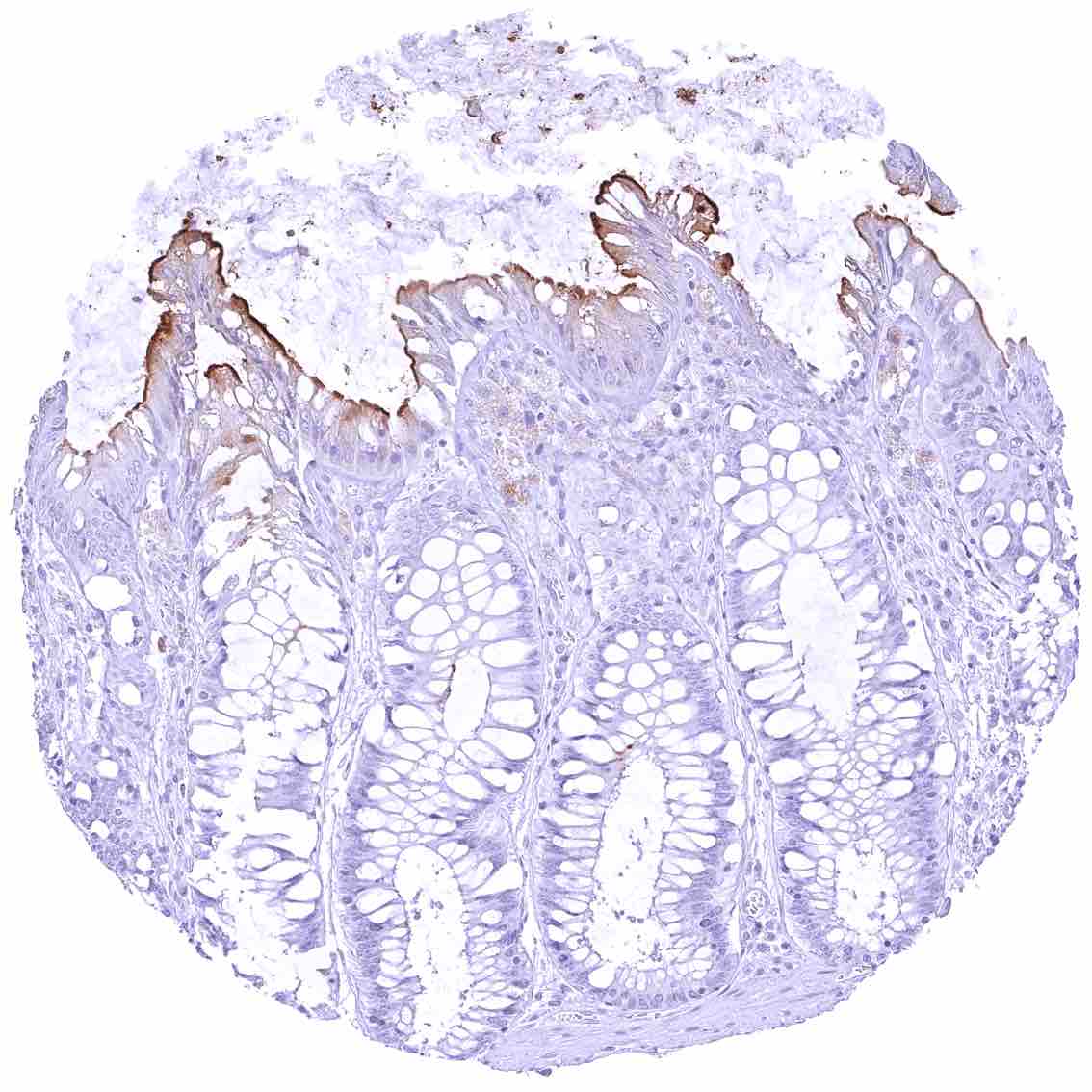
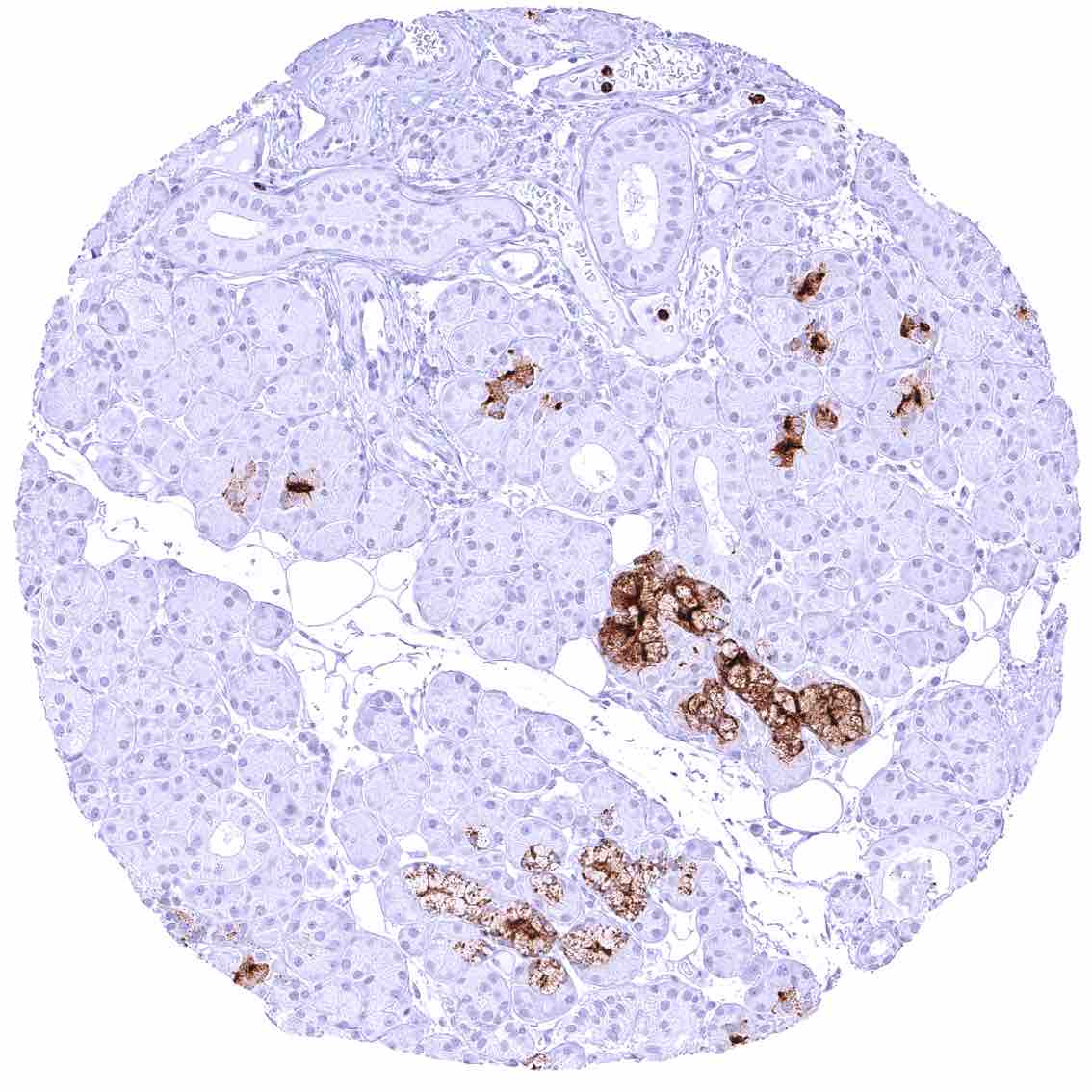
Staining Pattern in Relevant Tumor Types
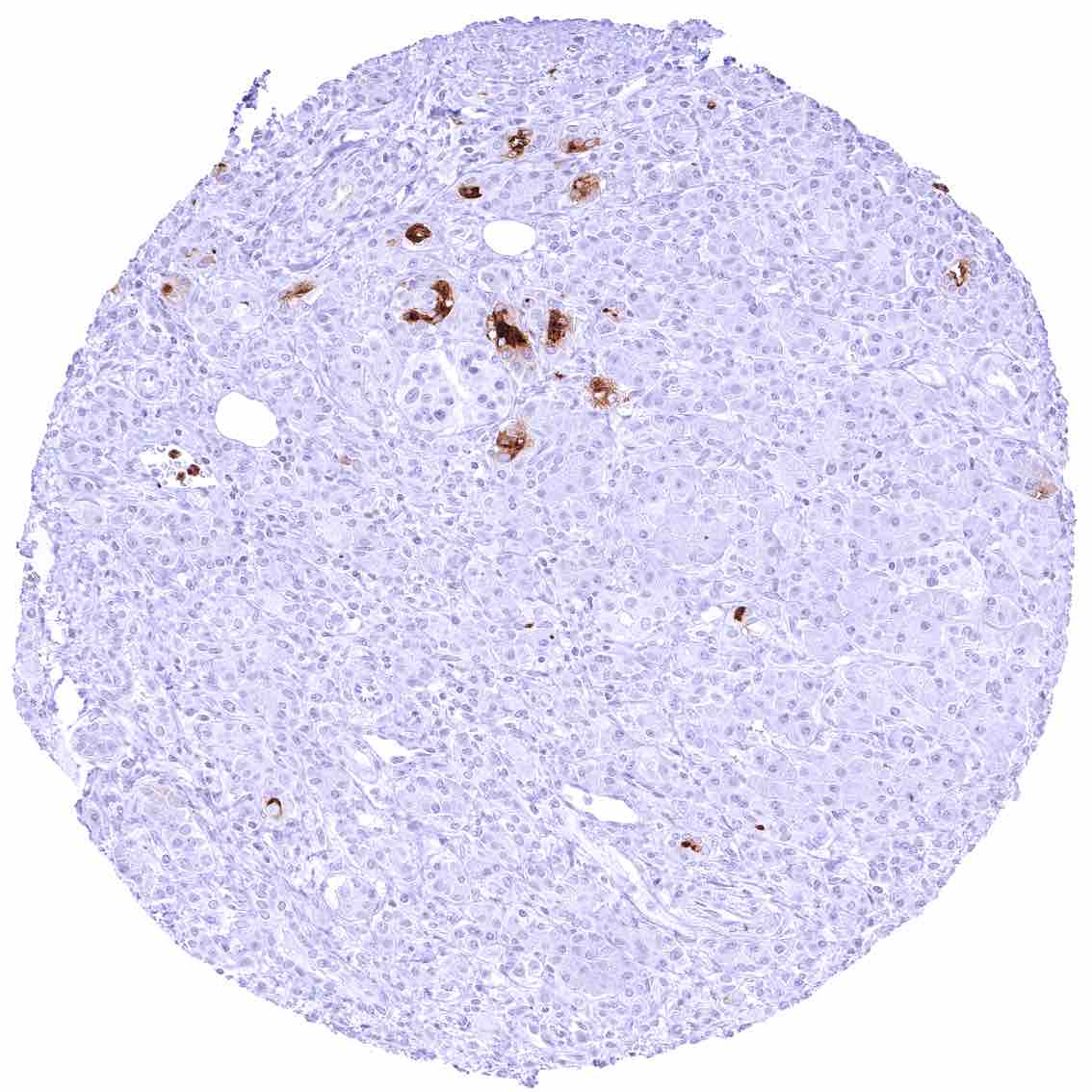
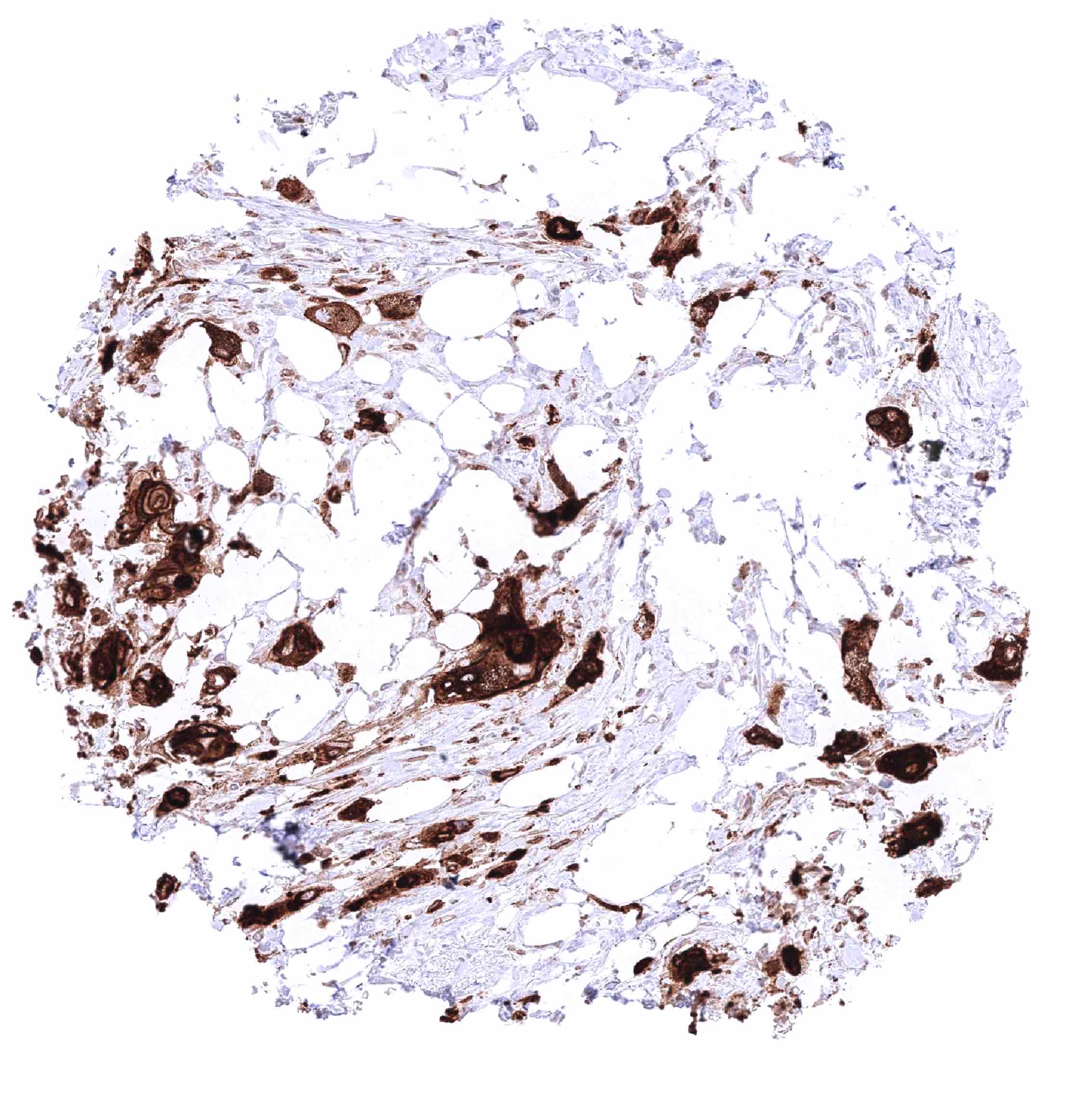
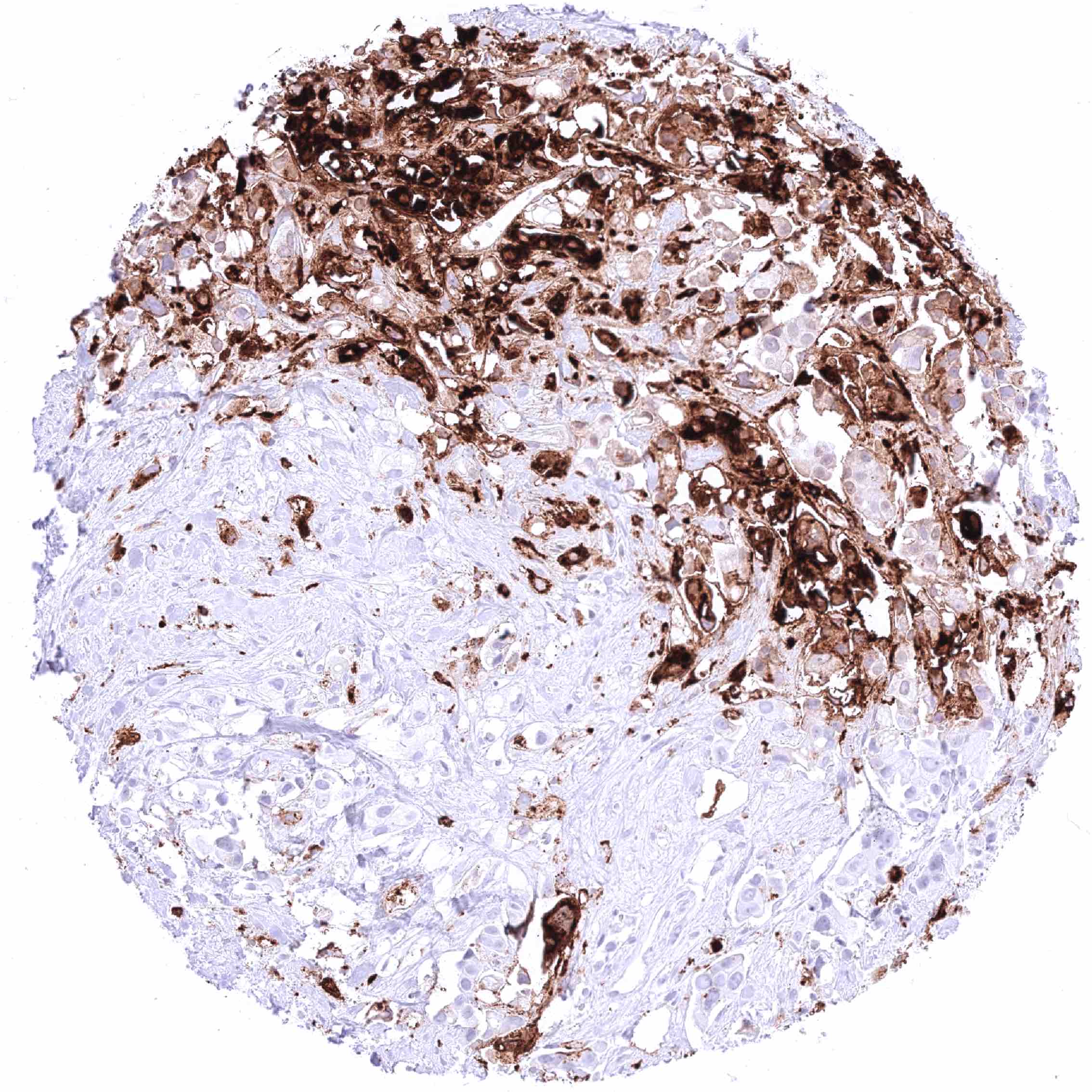
CEACAM6 expression is especially common in pancreatic adenocarcinoma and in other gastrointestinal epithelial cancers. It can occur in other cancer types.
The TCGA findings on CEACAM RNA expression in different tumor categories have been summarized in the Human Protein Atlas.
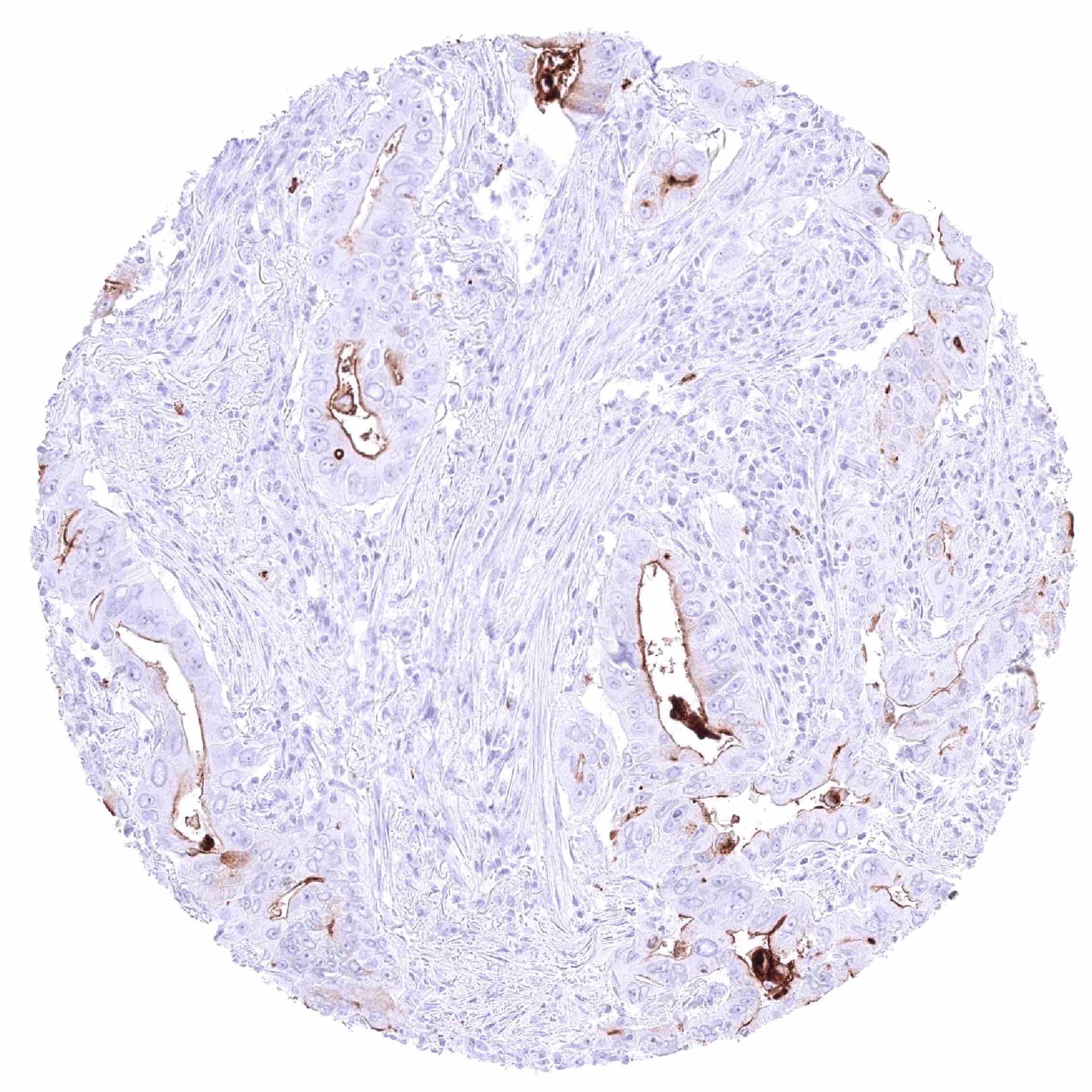
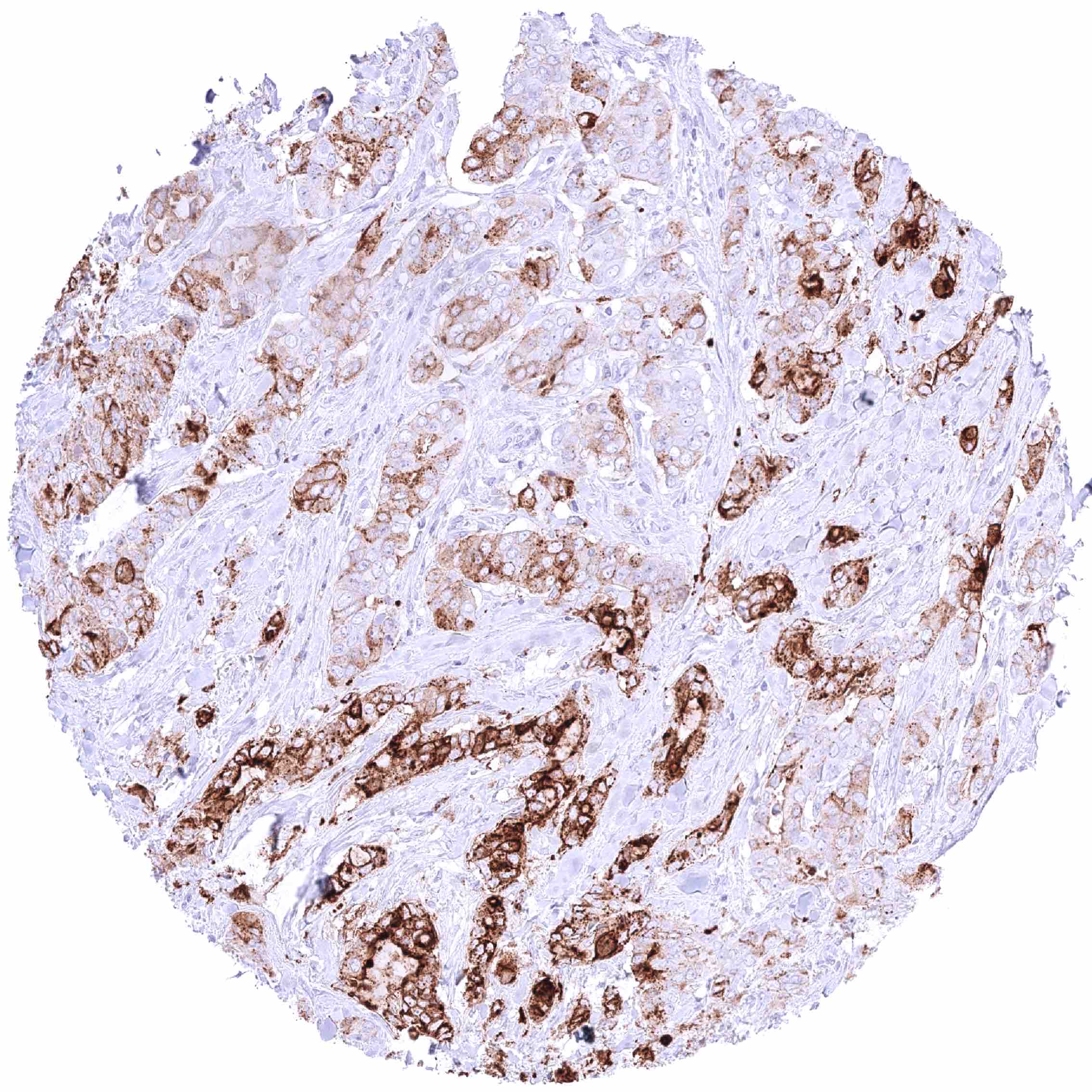
Protocol Recommendations
IHC users have different preferences on how the stains should look like. Some prefer high staining intensity of the target stain and even accept some background. Others favor absolute specificity and lighter target stains. Factors that invariably lead to more intense staining include higher concentration of the antibody and visualization tools, longer incubation time, higher temperature during incubation, higher temperature and longer duration of the heat induced epitope retrieval (slide pretreatment). The impact of the pH during slide pretreatment has variable effects and depends on the antibody and the target protein. Accordingly, multiple different protocols can generate identical staining results.
All images and data shown here and in our image galleries are obtained by the manual protocol described below. Other protocols resulting in equivalent staining are described as well.
Manual protocol
Freshly cut sections should be used (less than 10 days between cutting and staining). Heat-induced antigen retrieval for 5 minutes in an autoclave at 121°C in pH9 Target Retrieval Solution buffer. Apply MSVA-066R at a dilution of 1:150 at 37°C for 60 minutes. Visualization of bound antibody by the EnVision Kit (Dako, Agilent) according to the manufacturer’s directions.
Potential Research Applications
- Knowledge on prevalence and clinical significance of CEACAM6 expression across different cancer types is incomplete.
- Are there tumor specific structural/glycosylation variants of CEACAM6 that can be exploited for highly tumor‑selective therapeutics?
- How does CEACAM6 expression modulate anti‑tumor immunity in human tumors?
- Can CEACAM6 be used as an early detection marker for pancreatic neoplasms?
- Is tumor‑cell CEACAM6 expression spatially relate with local immune exclusion?
Evidence for Antibody Specificity in IHC
There are two ways how the specificity of antibodies can be documented for immunohistochemistry on formalin fixed tissues. These are: 1. Comparison with a second independent method for target expression measurement across a large number of different tissue types (orthogonal strategy), and 2. Comparison with one or several independent antibodies for the same target and showing that all positive staining results are also seen with other antibodies for the same target (independent antibody strategy).
Orthogonal validation: For the antibody MSVA-066R specificity is supported by the result of a comparison of its staining pattern on 76 normal tissue types with CEACAM6 RNA expression data in normal tissues which were collected in three independent RNA screening studies, including the Human Protein Atlas (HPA) RNA-seq tissue dataset, the FANTOM5 project, and the Genotype-Tissue Expression (GTEx) project, and which are summarized in the Human Protein Atlas (Tissue expression CEACAM6). Consistent with RNA expression data, CEACAM6 immunostaining by MSVA-066R was seen in all tissues for which RNA expression had been described including lung, gastrointestinal tract, gallbladder, cervix uteri, bone marrow, appendix, and the tonsil. Also in line with RNA data, immunostaining was regularly absent in tissues for which CEACAM6 RNA expression had not been described such as the kidney, prostate, testis, epididymis, seminal vesicles, brain, endocrine organs, endometrium, ovary and the placenta.
Comparison of antibodies: True expression of CEACAM6 in all cells with CEACAM6 positivity by MSVA-066R is further corroborated by a confirmation of each individual staining seen by MSVA-066R in 76 different normal tissue types by a commercially available independent second antibody (termed “validation antibody”). An additional cytoplasmic staining of epithelial cells in the gallbladder and the uterine endocervix which was only seen by the validation antibody and not by MSVA-066R was considered an antibody specific cross-reactivity of the validation antibody.