
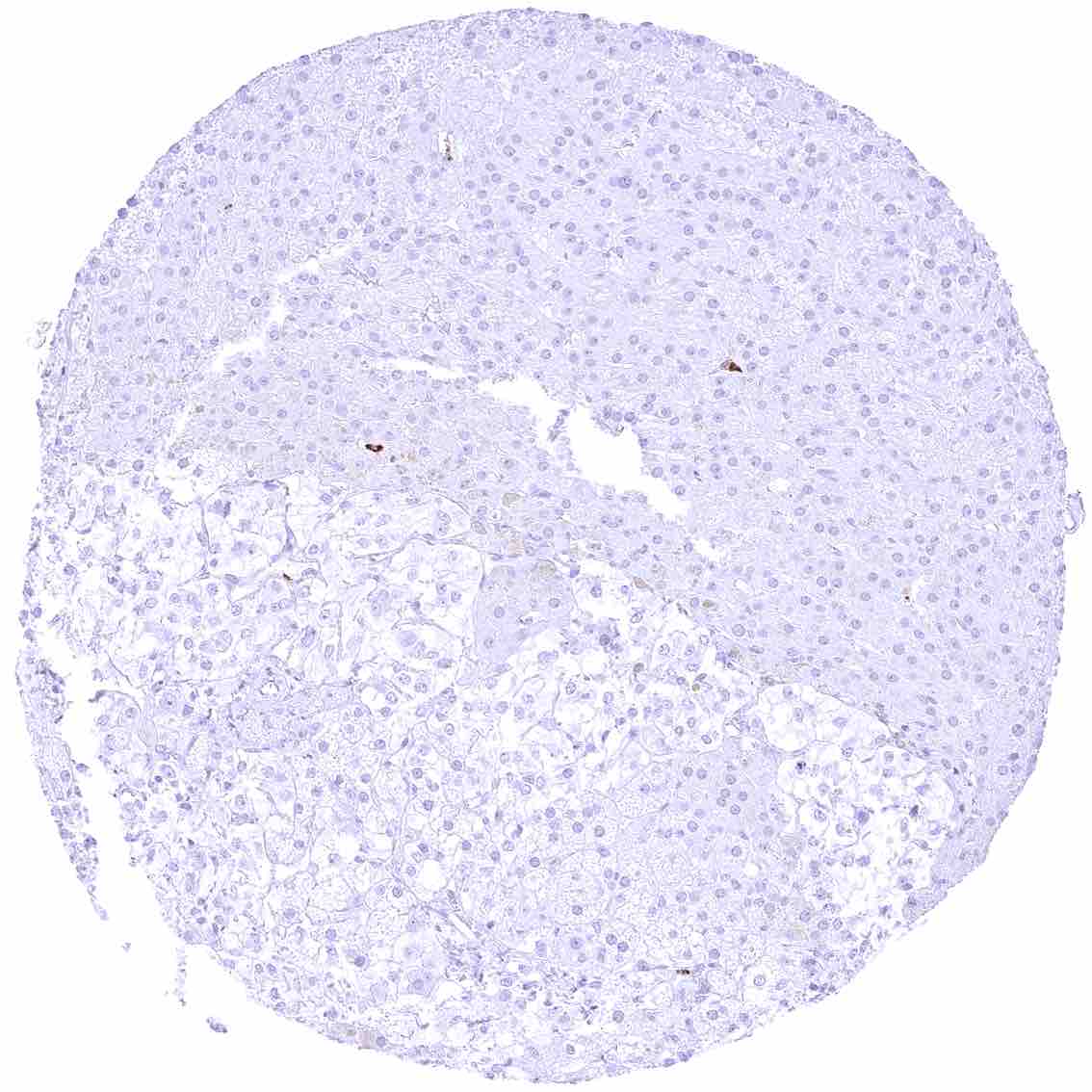
Adrenal gland
Aorta, endothelium.jpeg
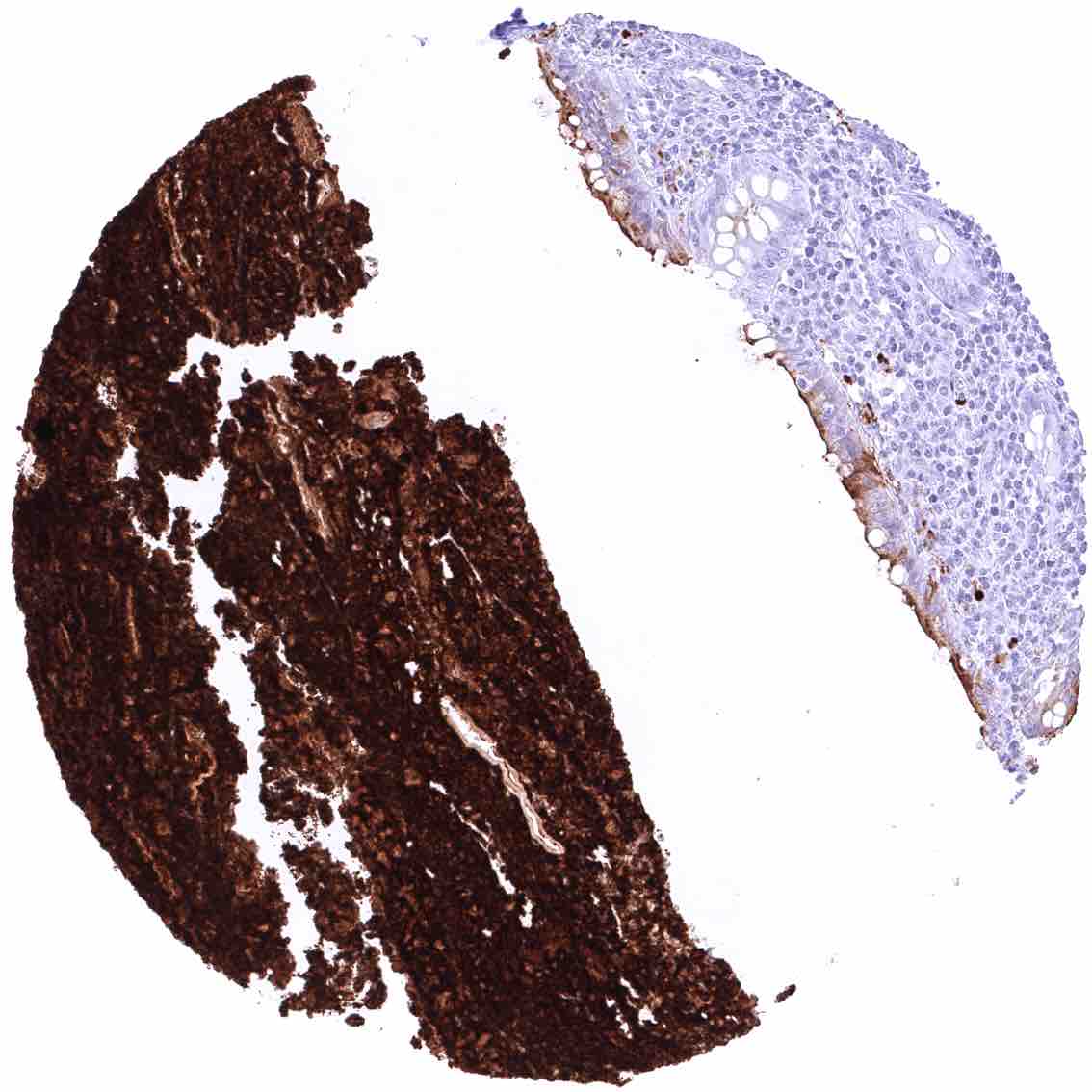
Appendix, mucosa – Moderate apical membranous CEACAM6 staining of at least a fraction of surface epithelial cells. The CEACAM6 staining is weaker in glandular cells. .jpeg
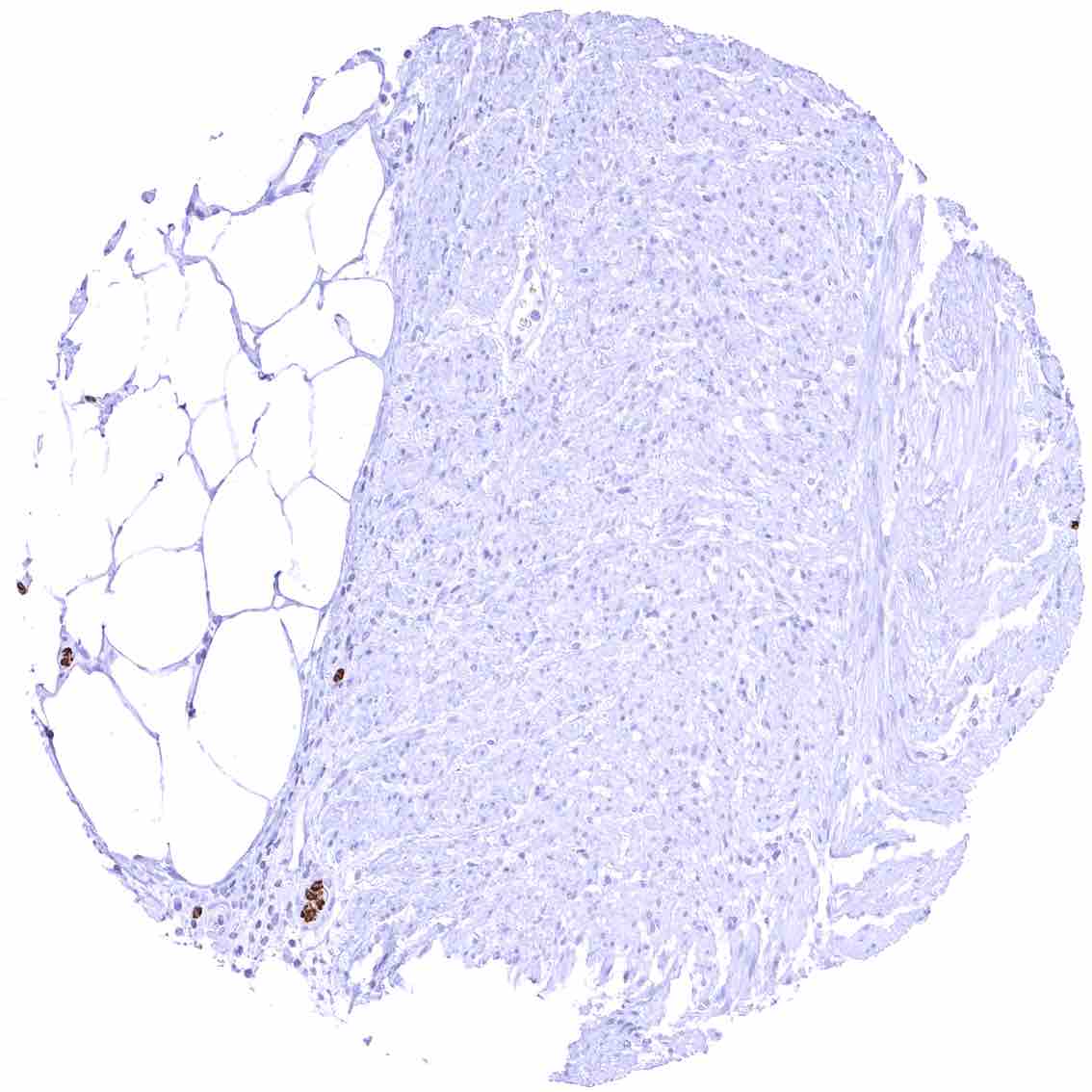
Appendix, muscular wall.jpeg
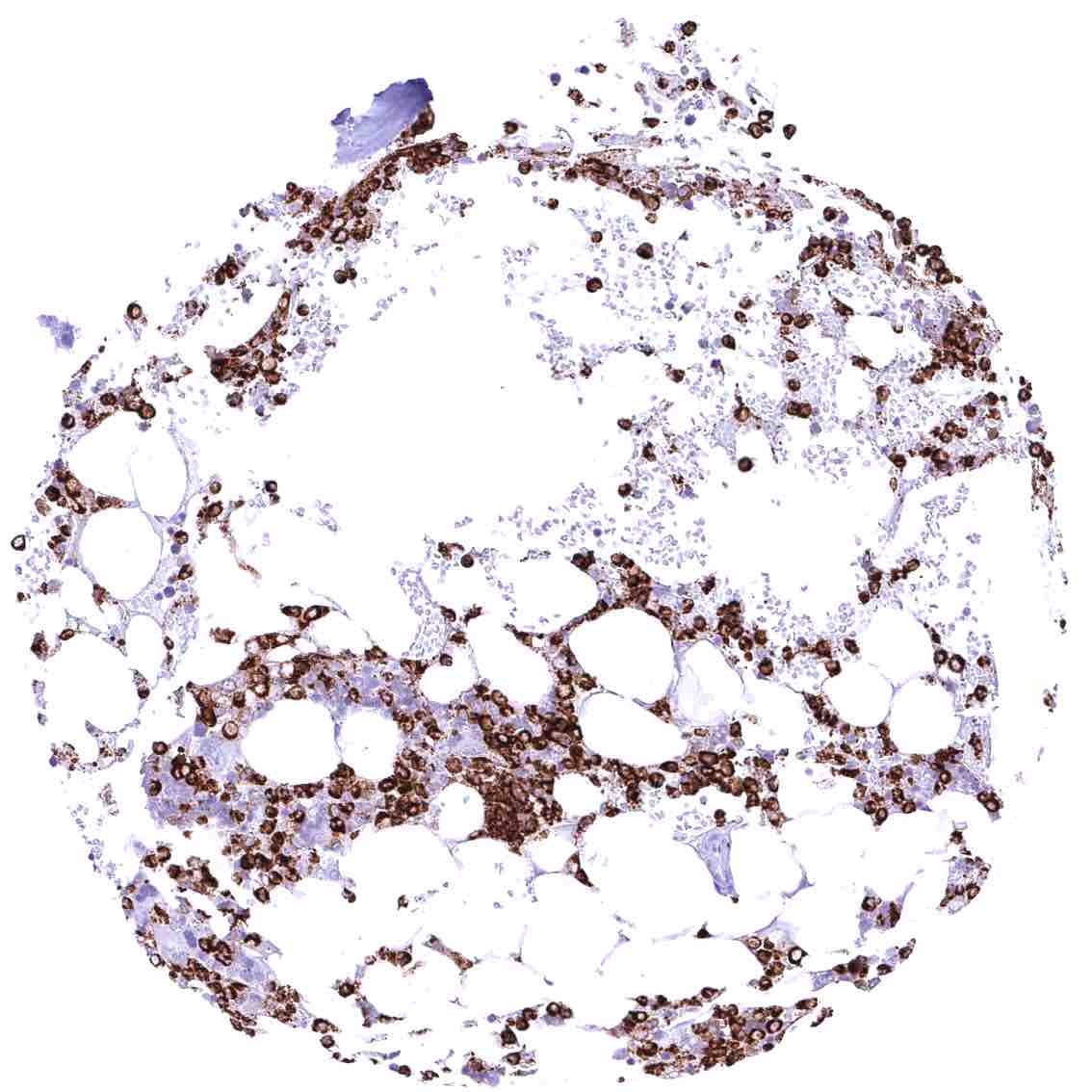
Bone marrow – Strong CEACAM6 staining of a subset of cells, probably of the myeloid cell line. .jpeg
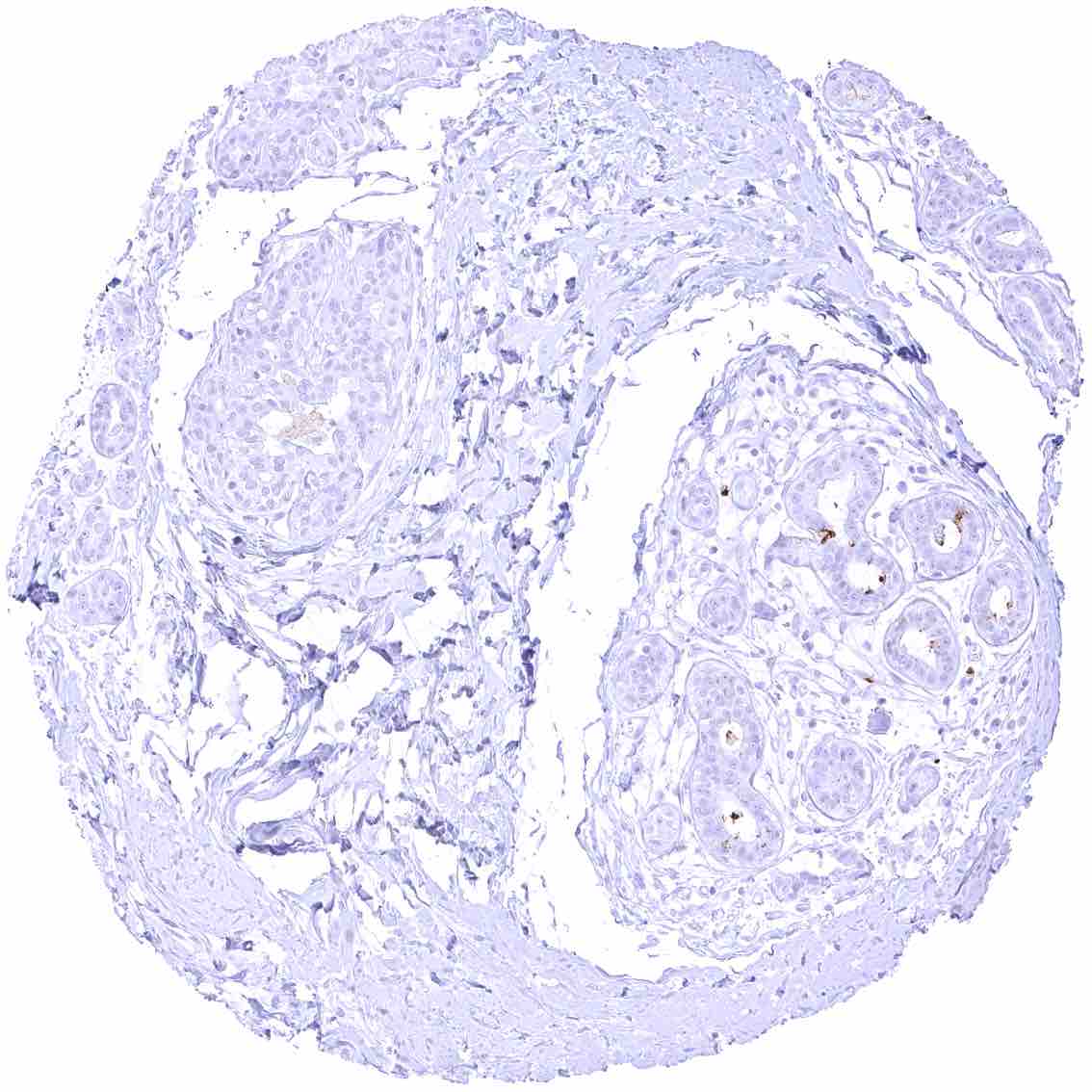
Breast – Apical membranous CEACAM6 staining of a fraction of luminal epithelial cells. .jpeg
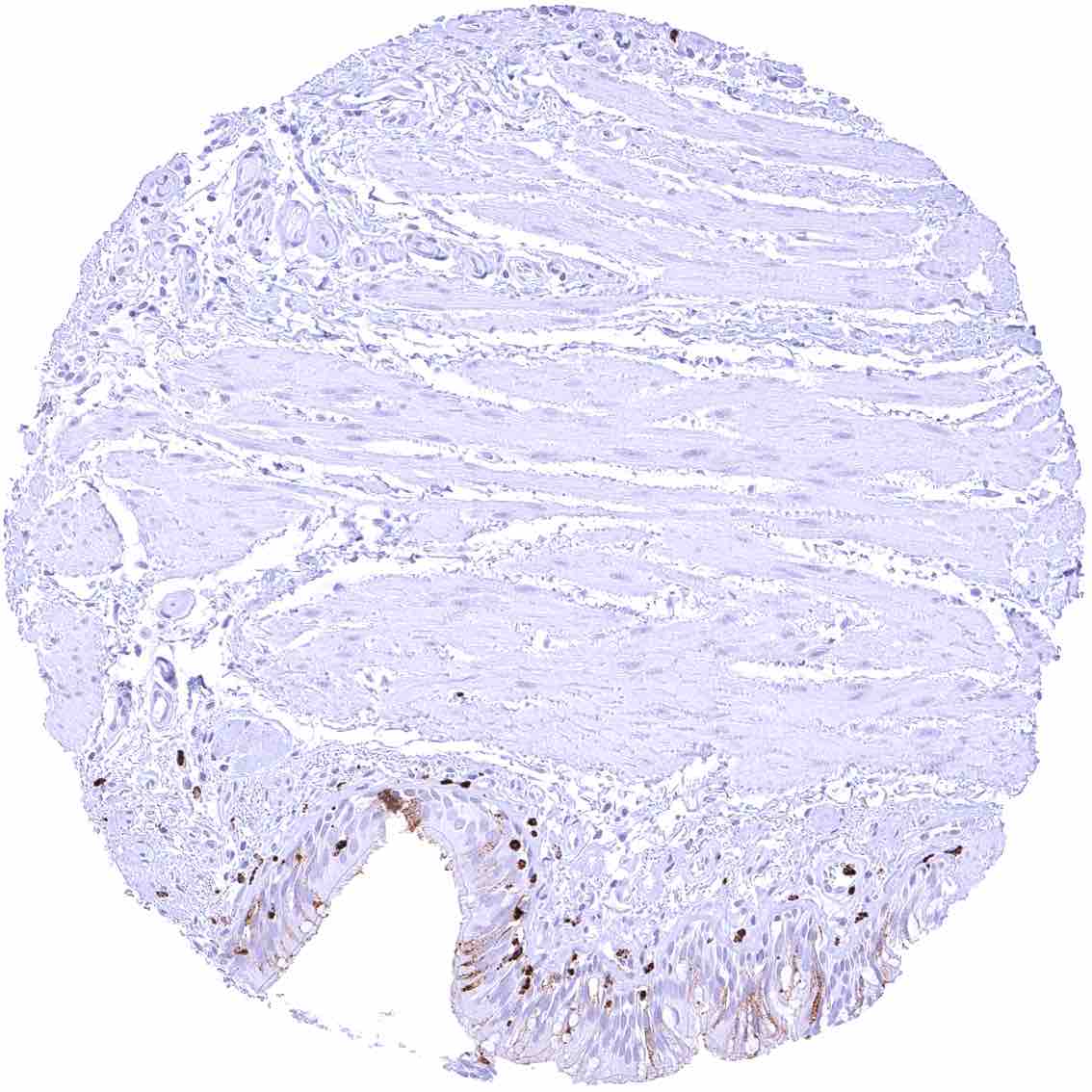
Bronchus, mucosa – Moderate membranous CEACAM6 staining of a fraction of respiratory epithelial cells.
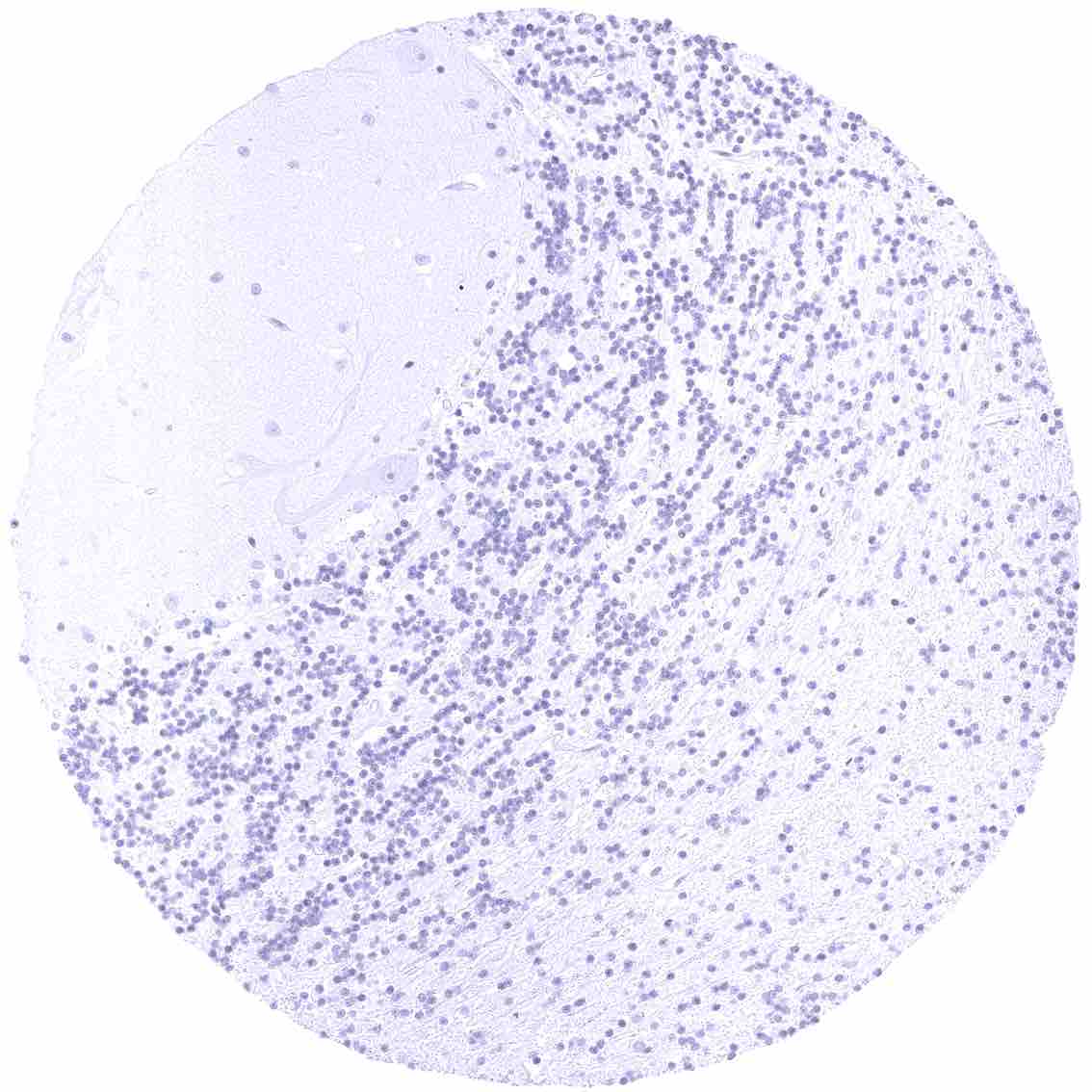
Cerebellum (molecular layer, Purkinje cell layer, granule cell layer)
Cerebellum (white matter)
Cerebrum (grey matter)
Cerebrum (white matter)
Colon descendens, muscular wall
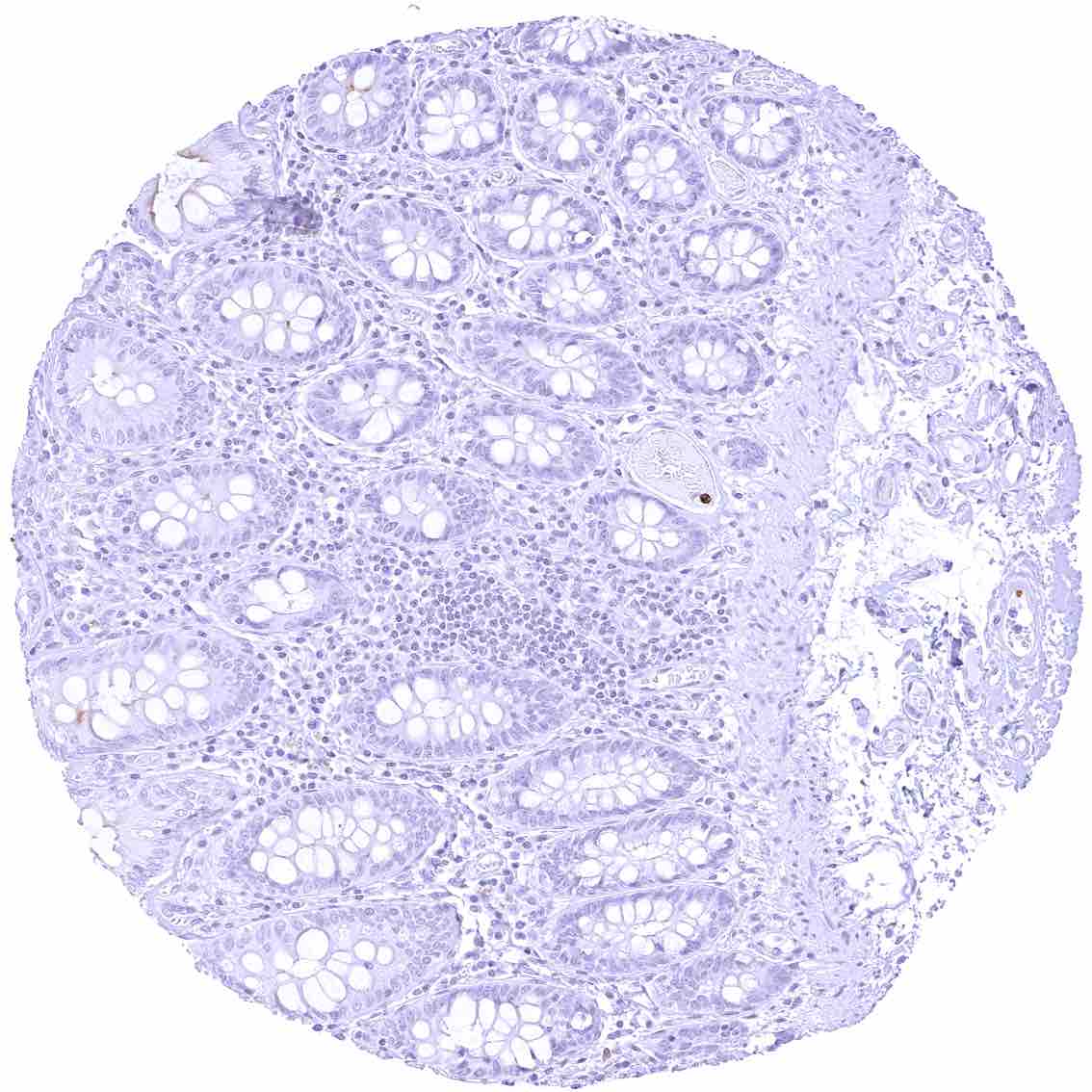
Colon descendens, mucosa – Faint apical membranous CEACAM6 staining of at least a fraction of epithelial cells.
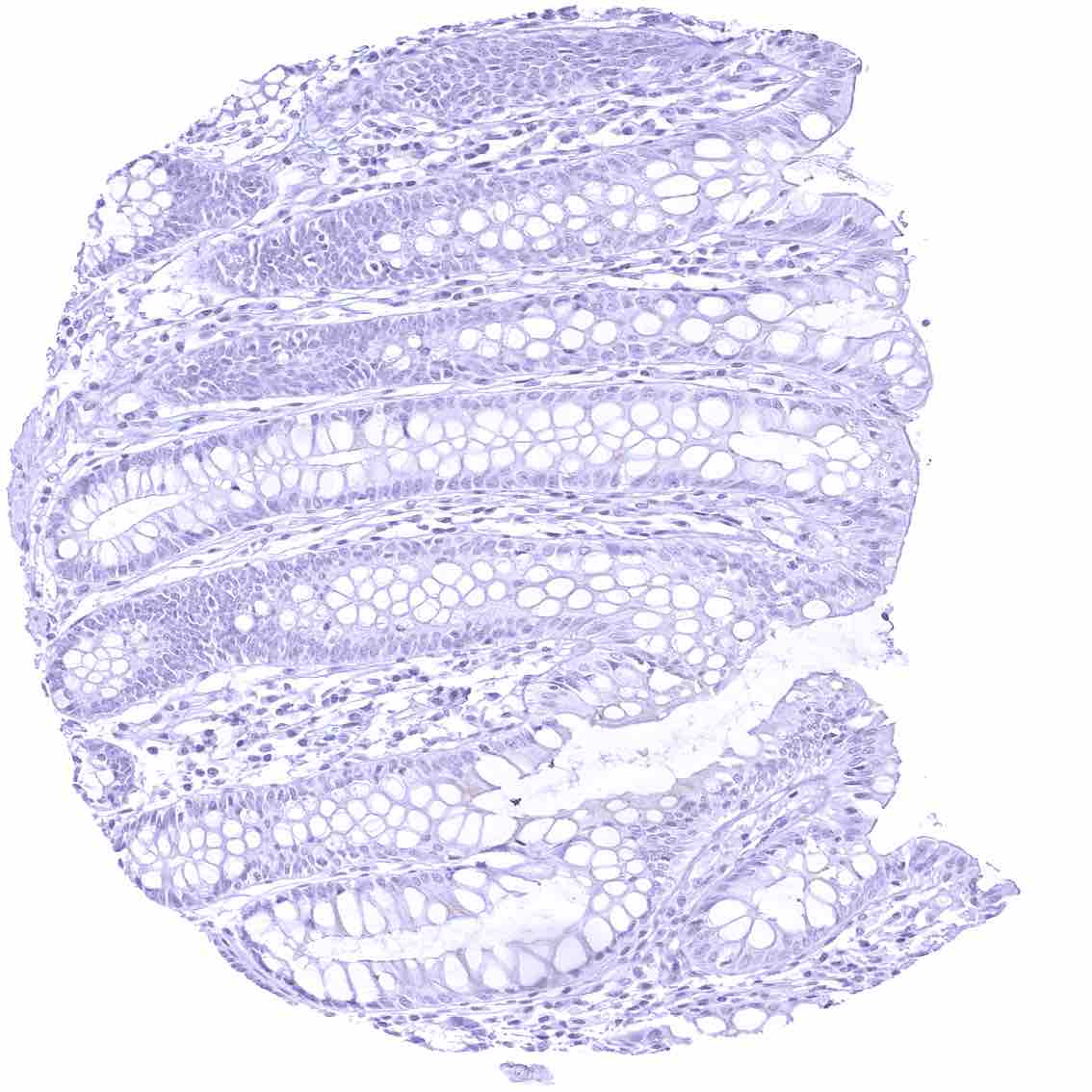
Colon descendens, mucosa.jpeg
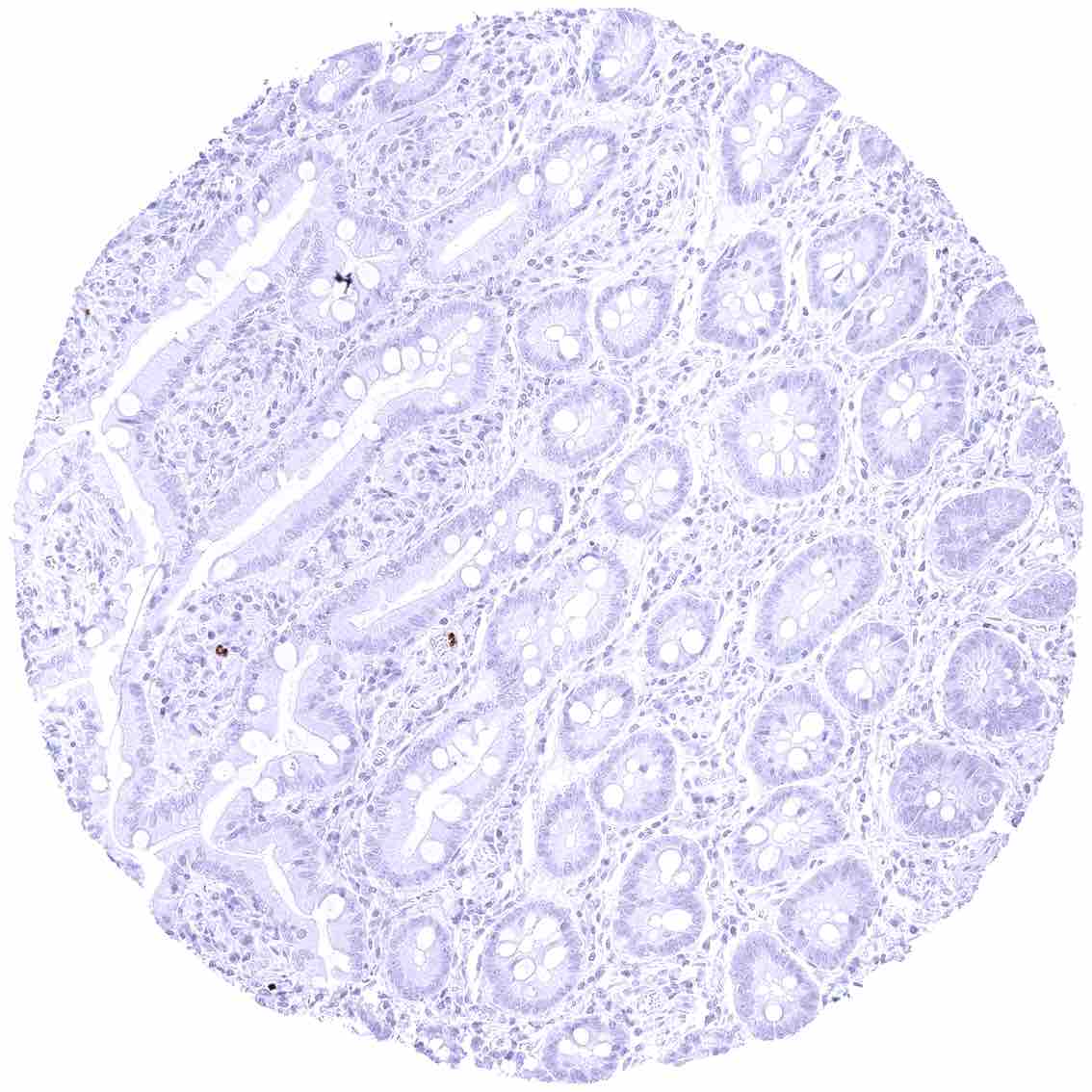
Duodenum, mucosa
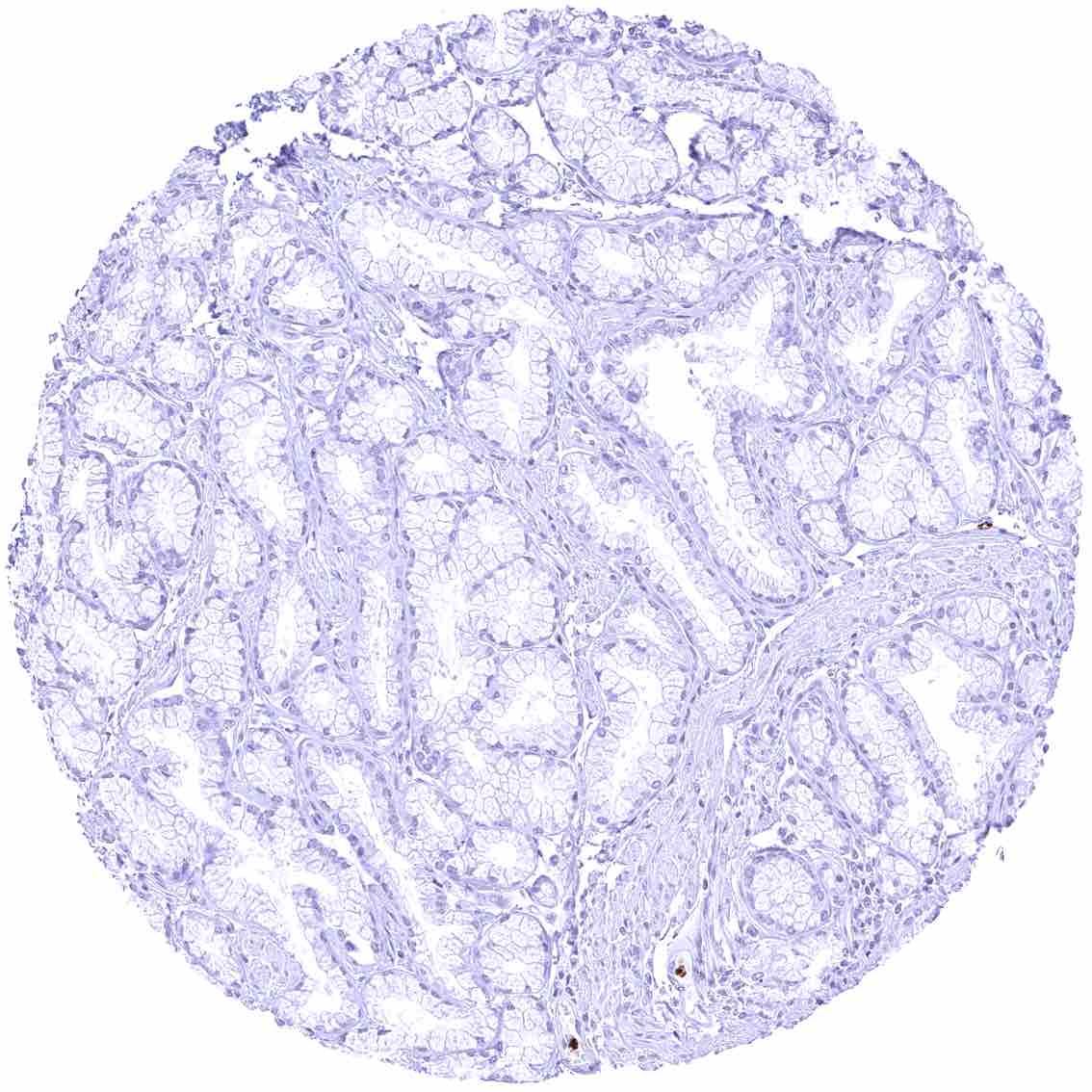
Duodenum, Brunner gland
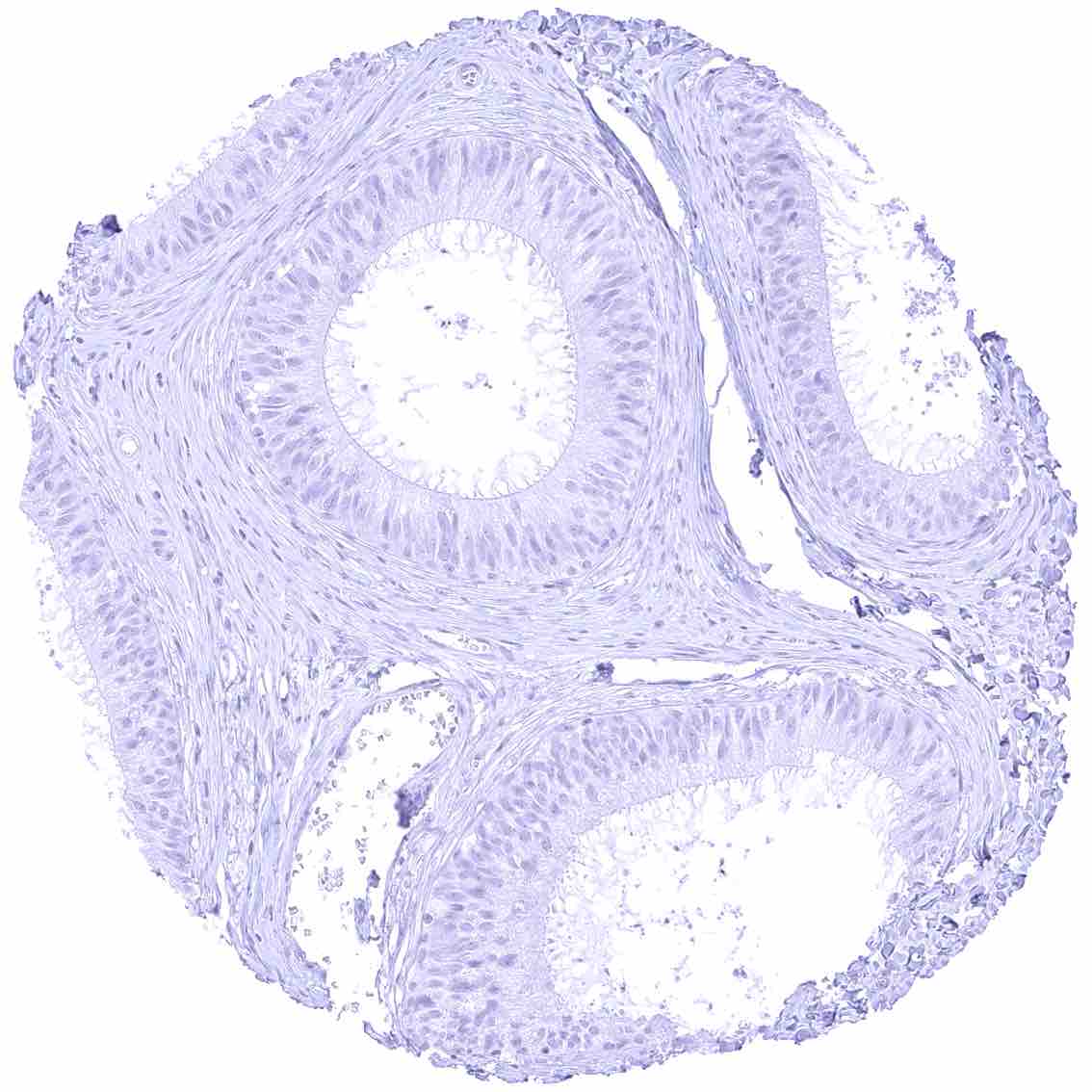
Epididymis (Caput)
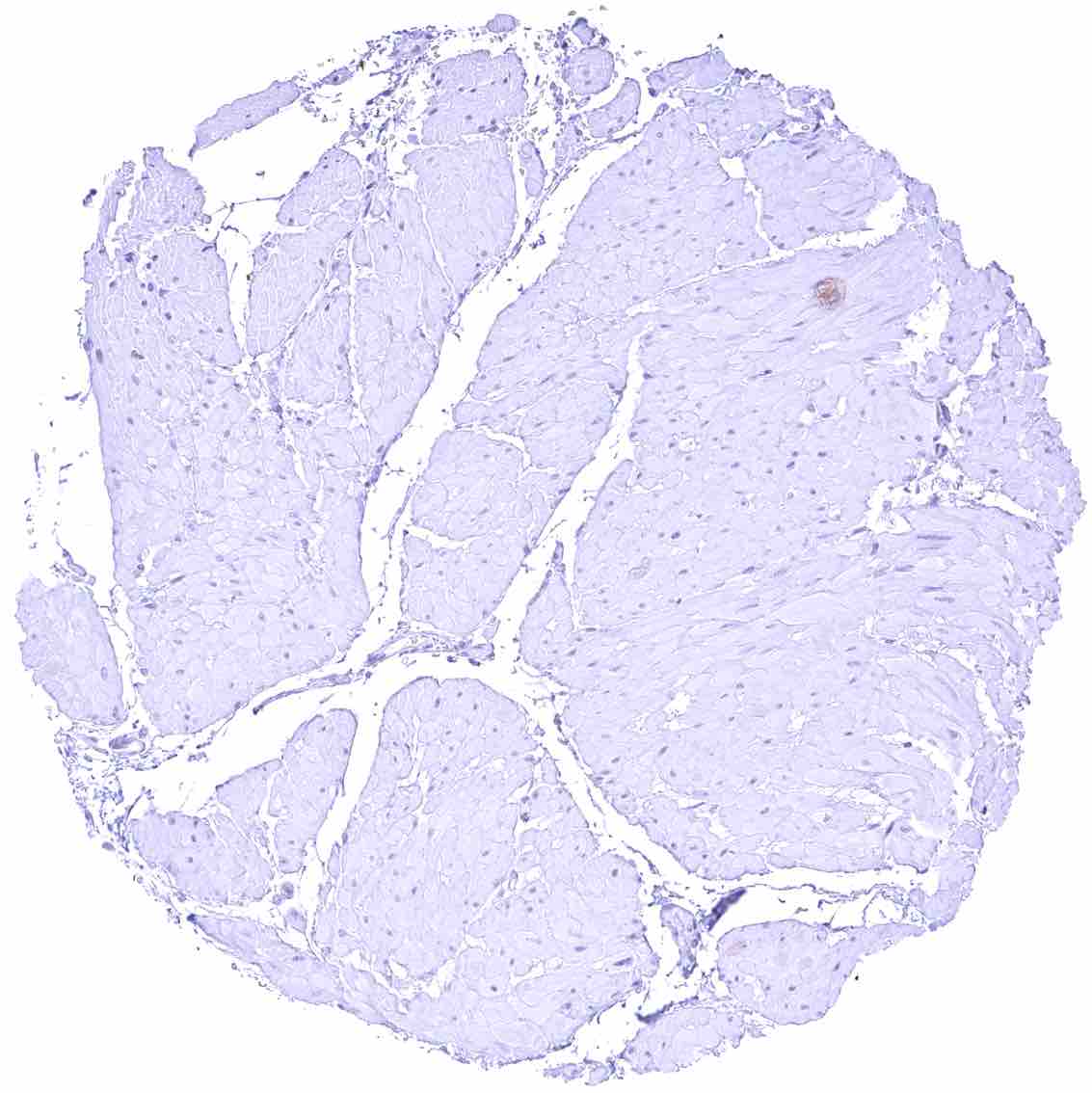
Esophagus, muscular wall
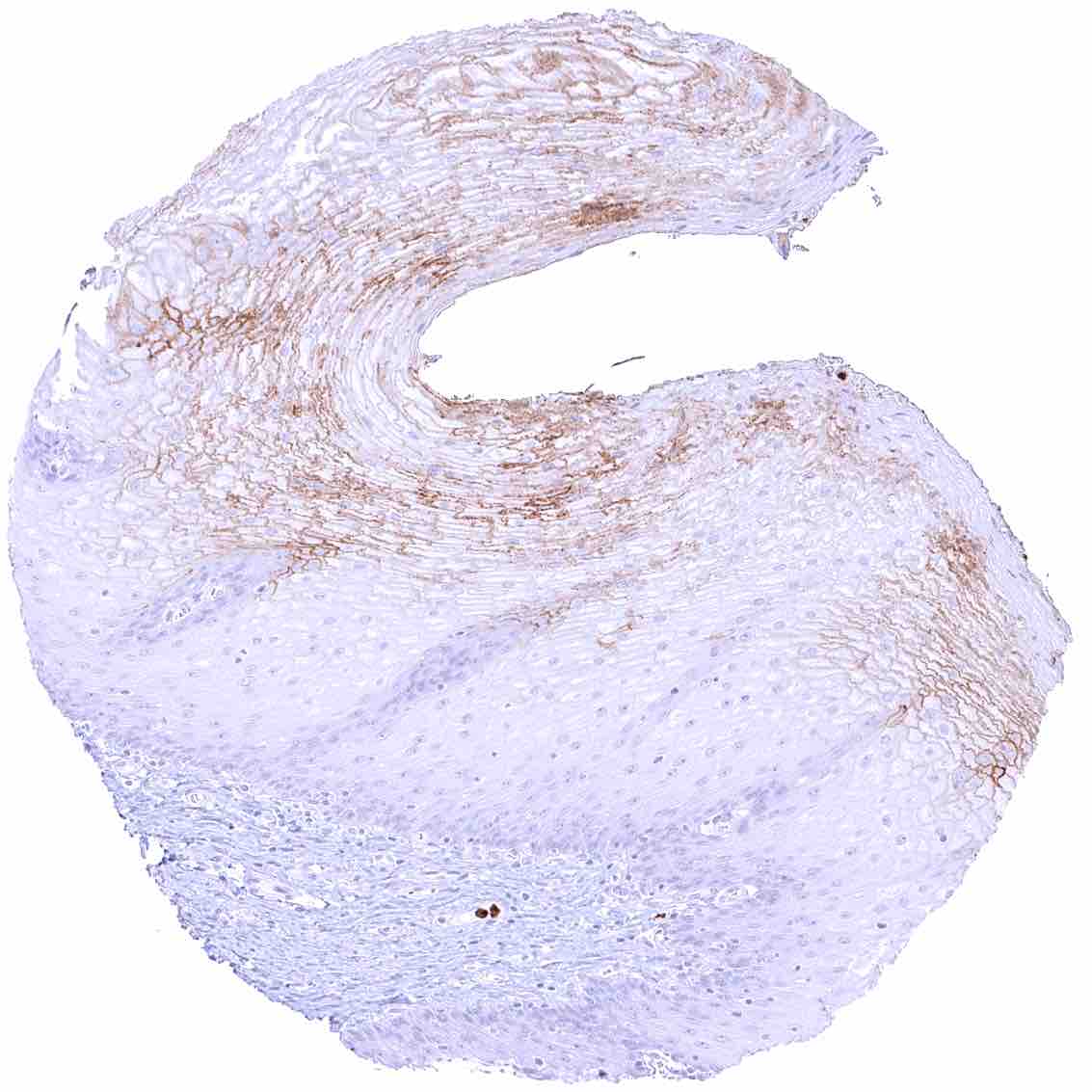
Esophagus, squamous epithelium – Weak to moderate membranous CEACAM6 staining of a large fraction of squamous epithelial cells especially of the upper half of the epithelium.
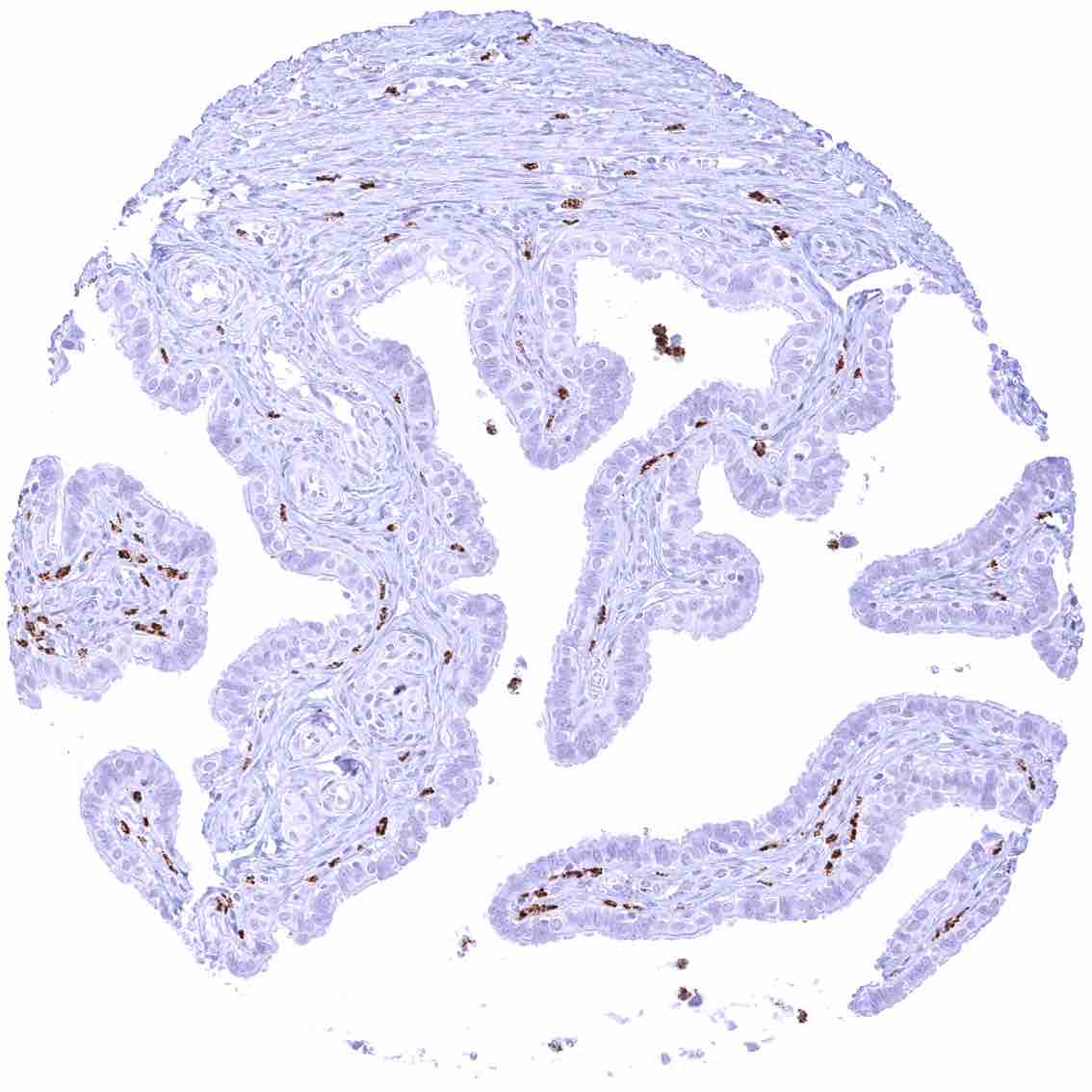
Fallopian tube, mucosa – CEACAM6 staining is limited to inflammatory cells.
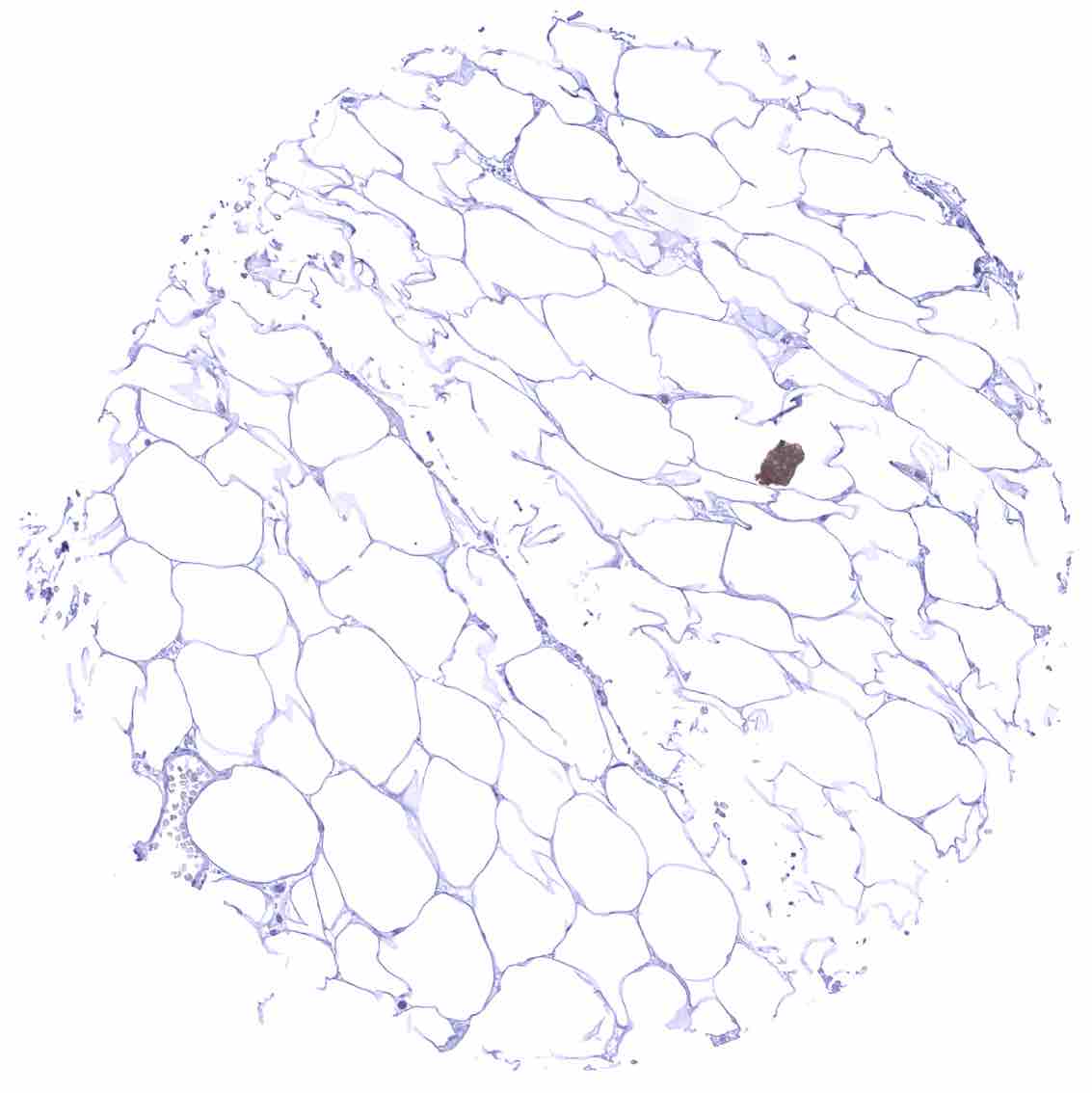
Fat
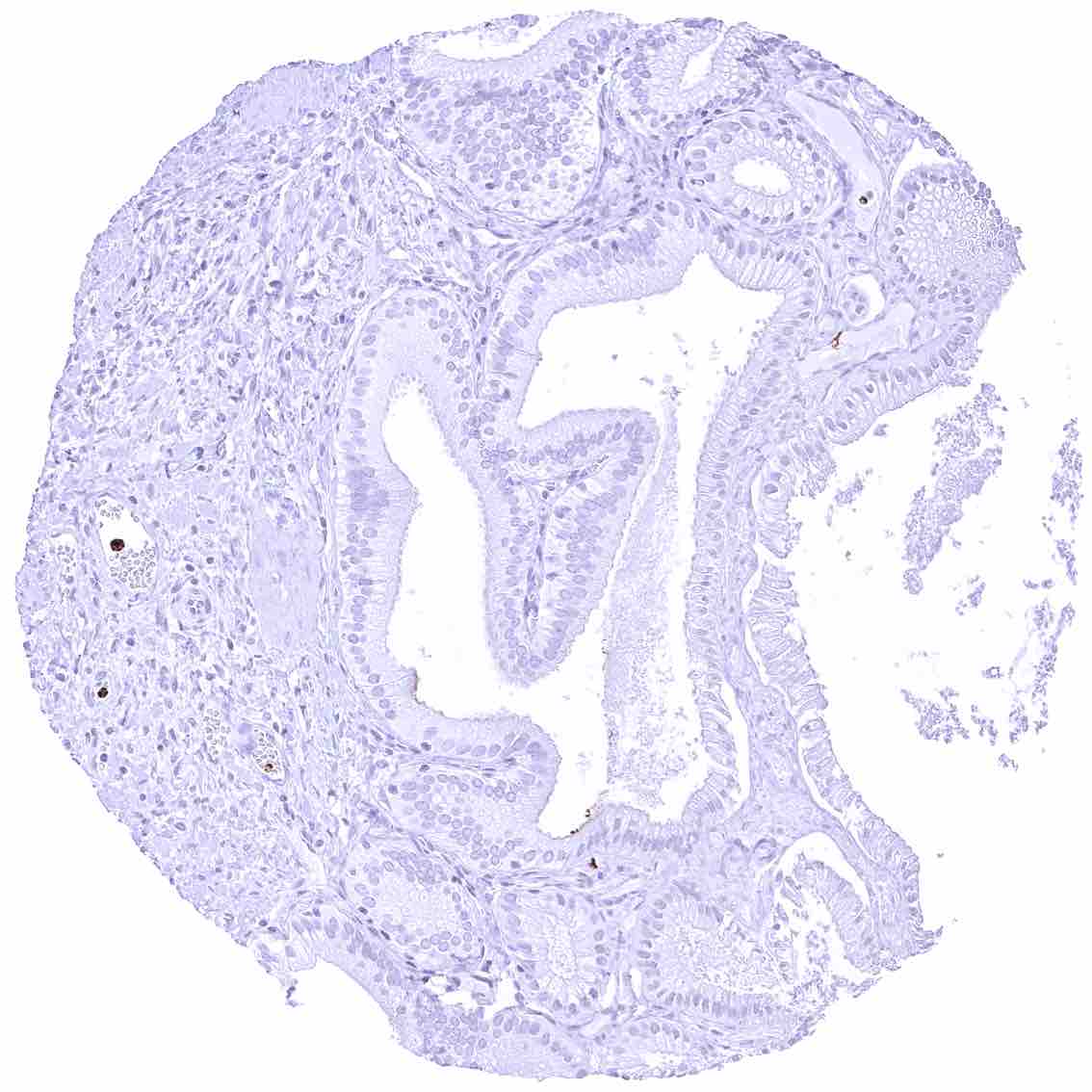
Gallbladder, epithelium – Faint apical membranous CEACAM6 staining of some epithelial cells.
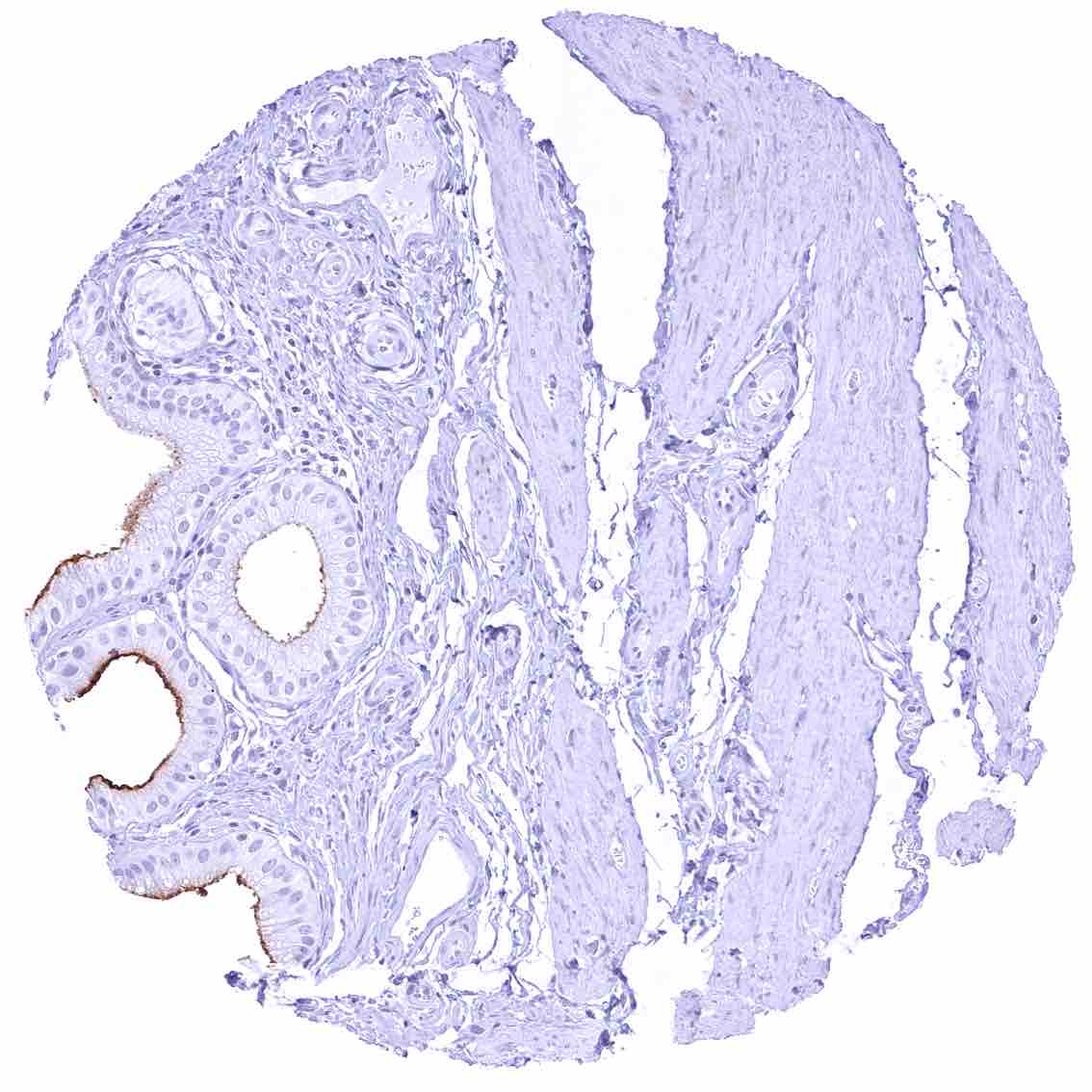
Gallbladder, epithelium – Moderate to strong apical membranous CEACAM6 staining of some epithelial cells.
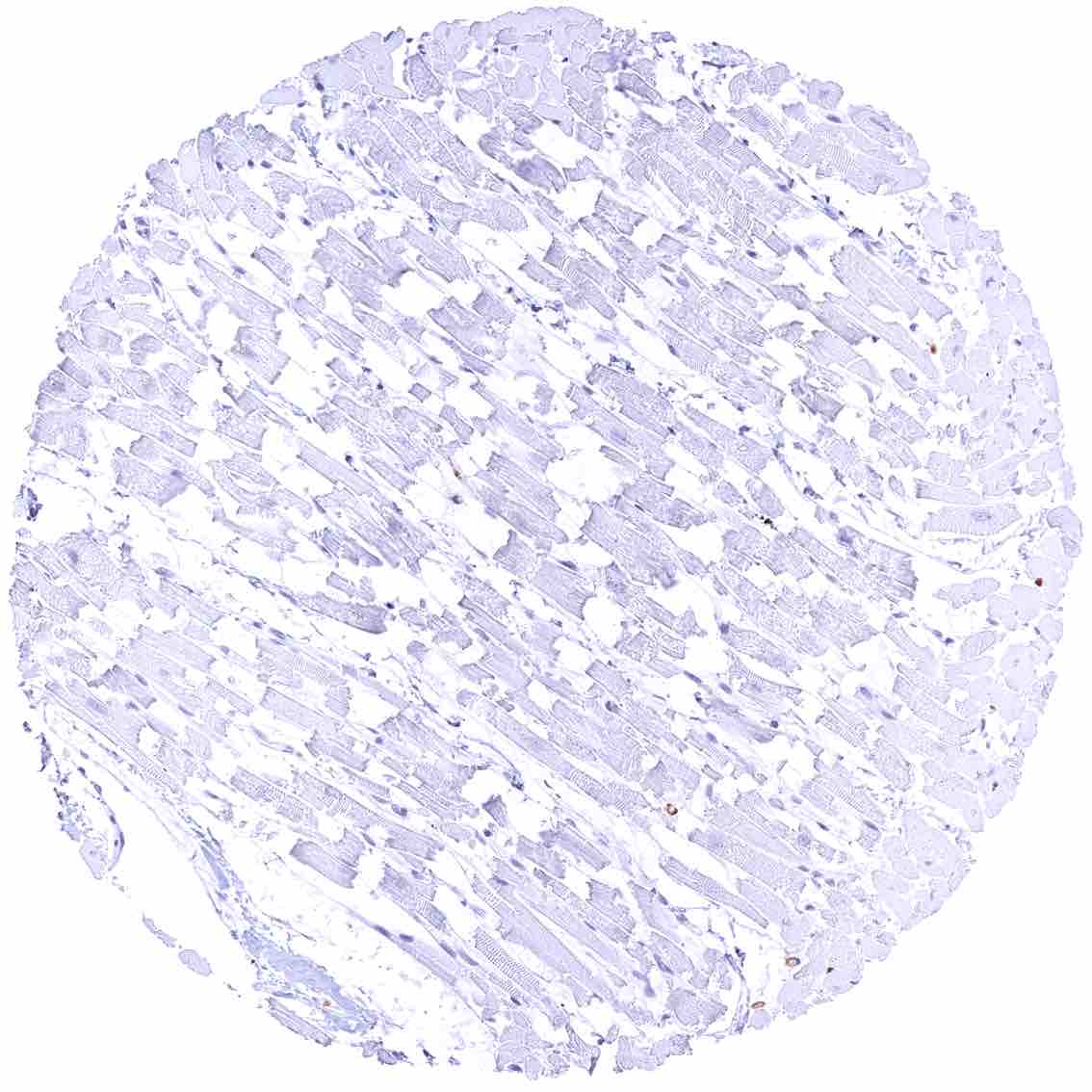
Heart muscle.jpeg
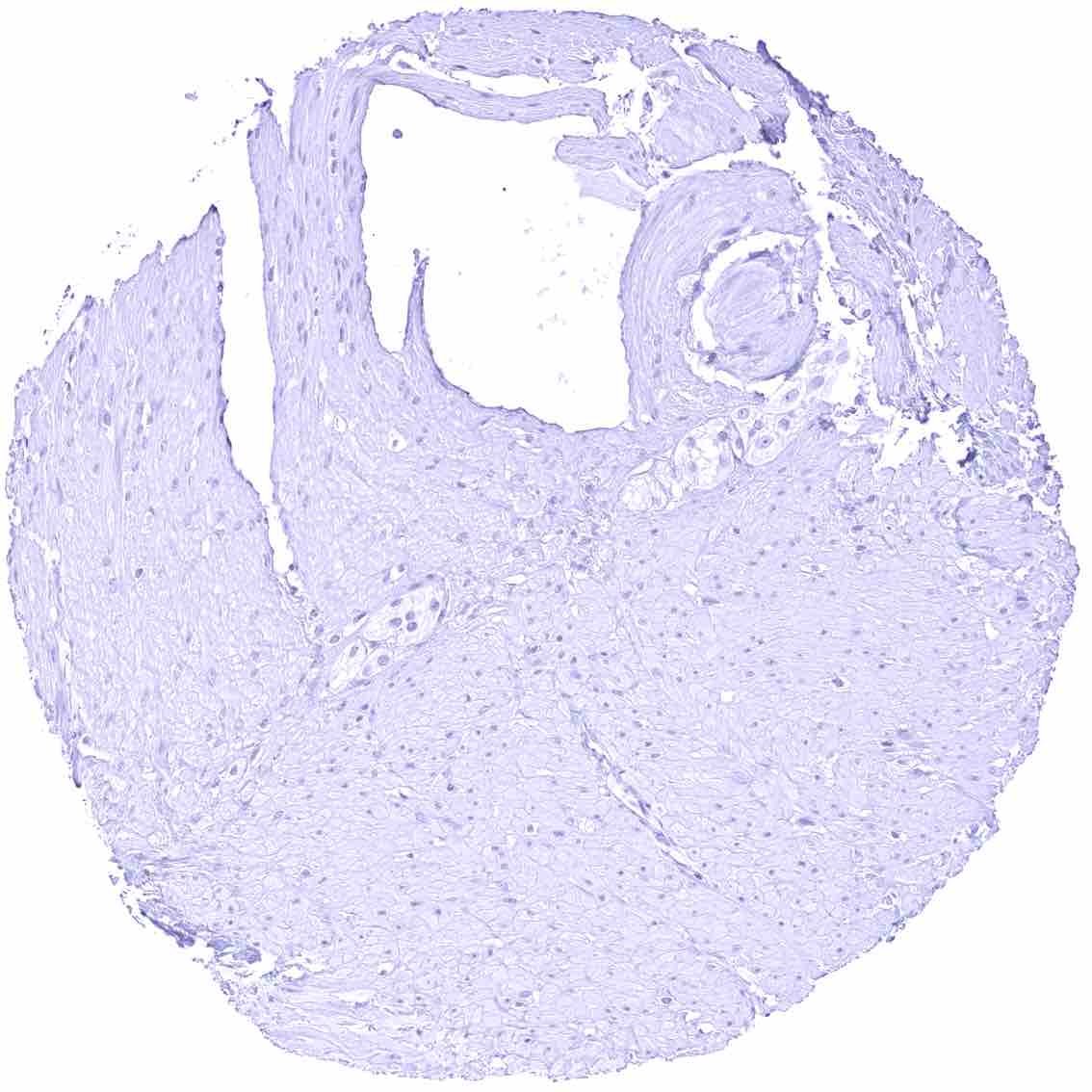
Ileum, muscular wall
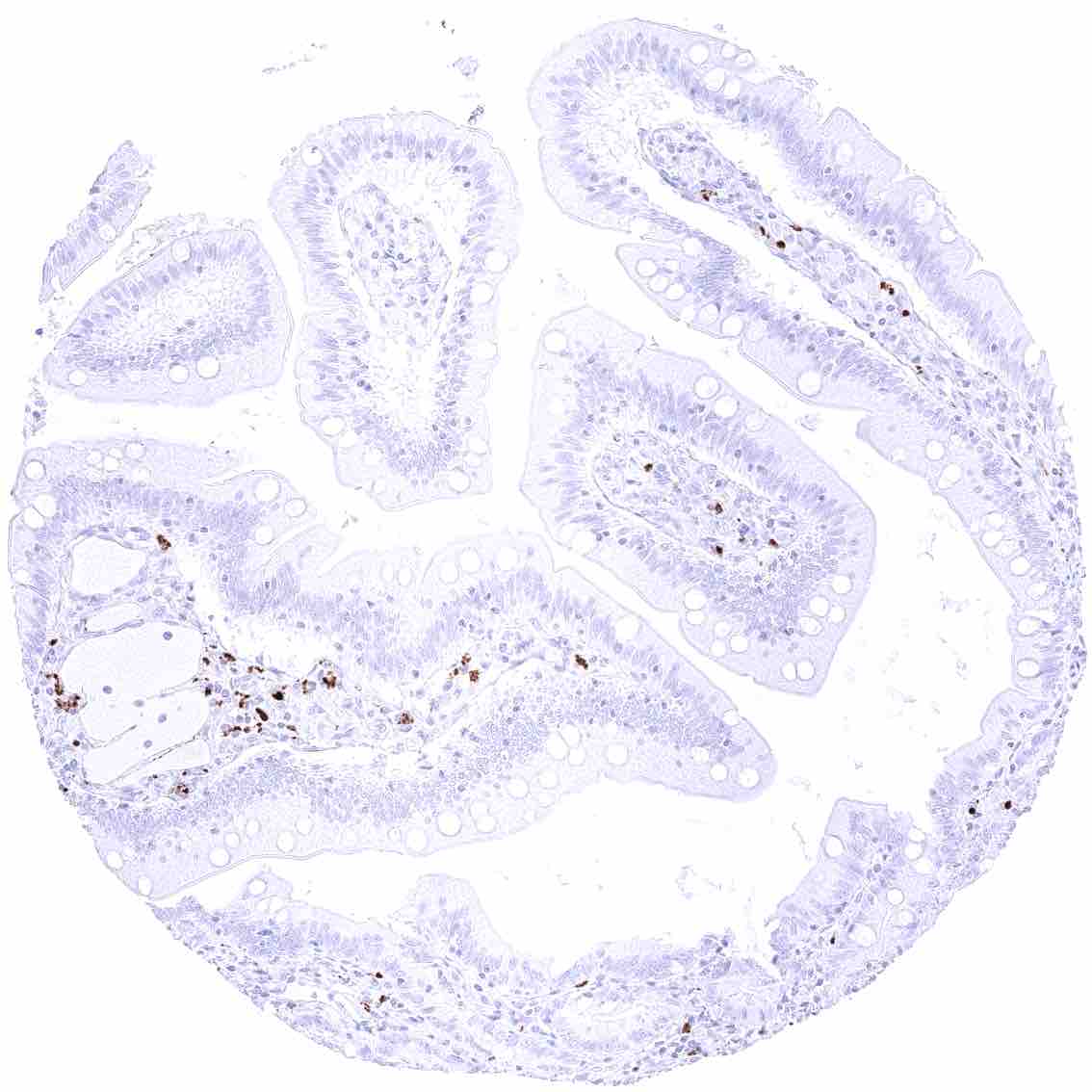
Ileum, mucosa
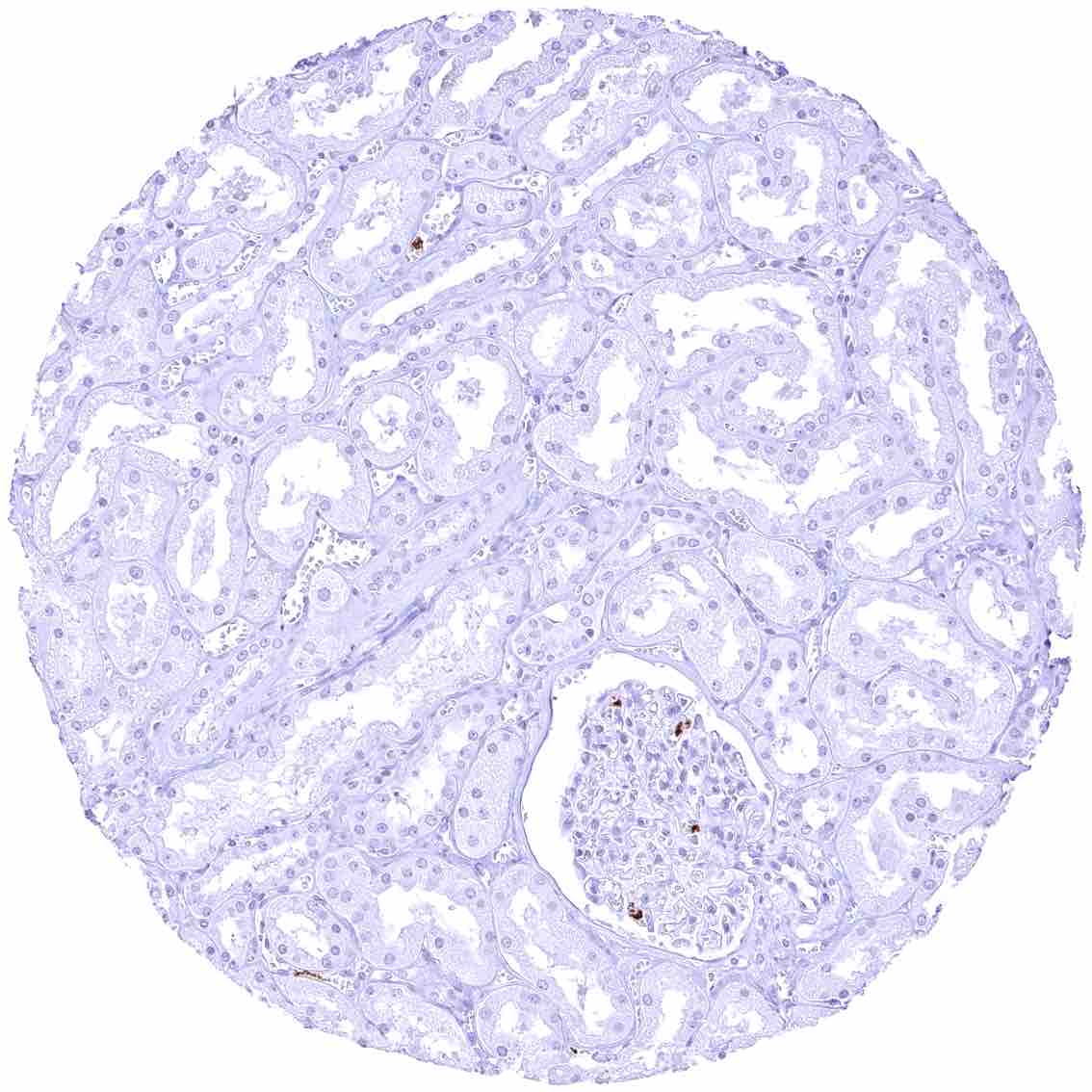
Kidney, cortex – CEACAM6 staining is limited to inflammatory cells.
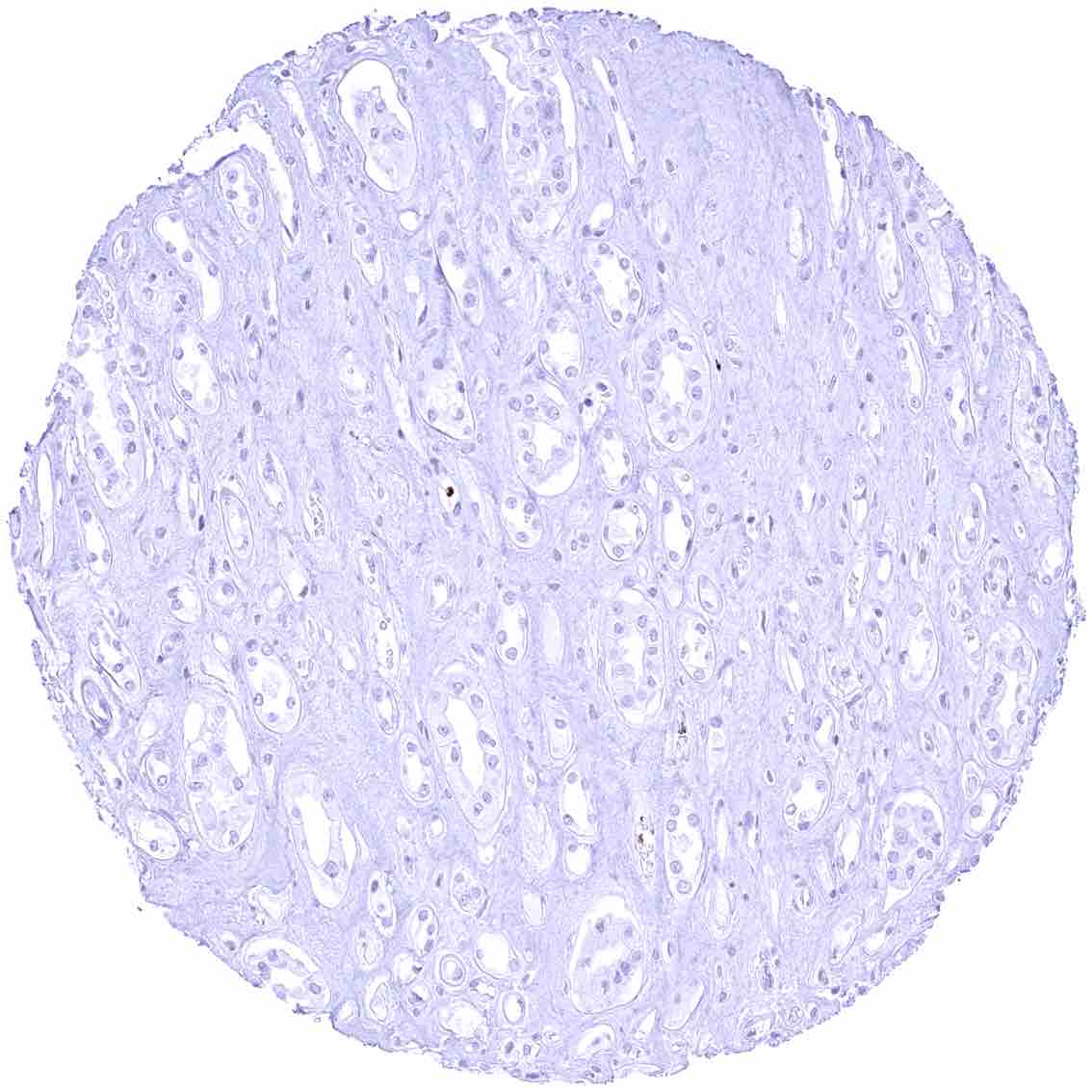
Kidney, medulla
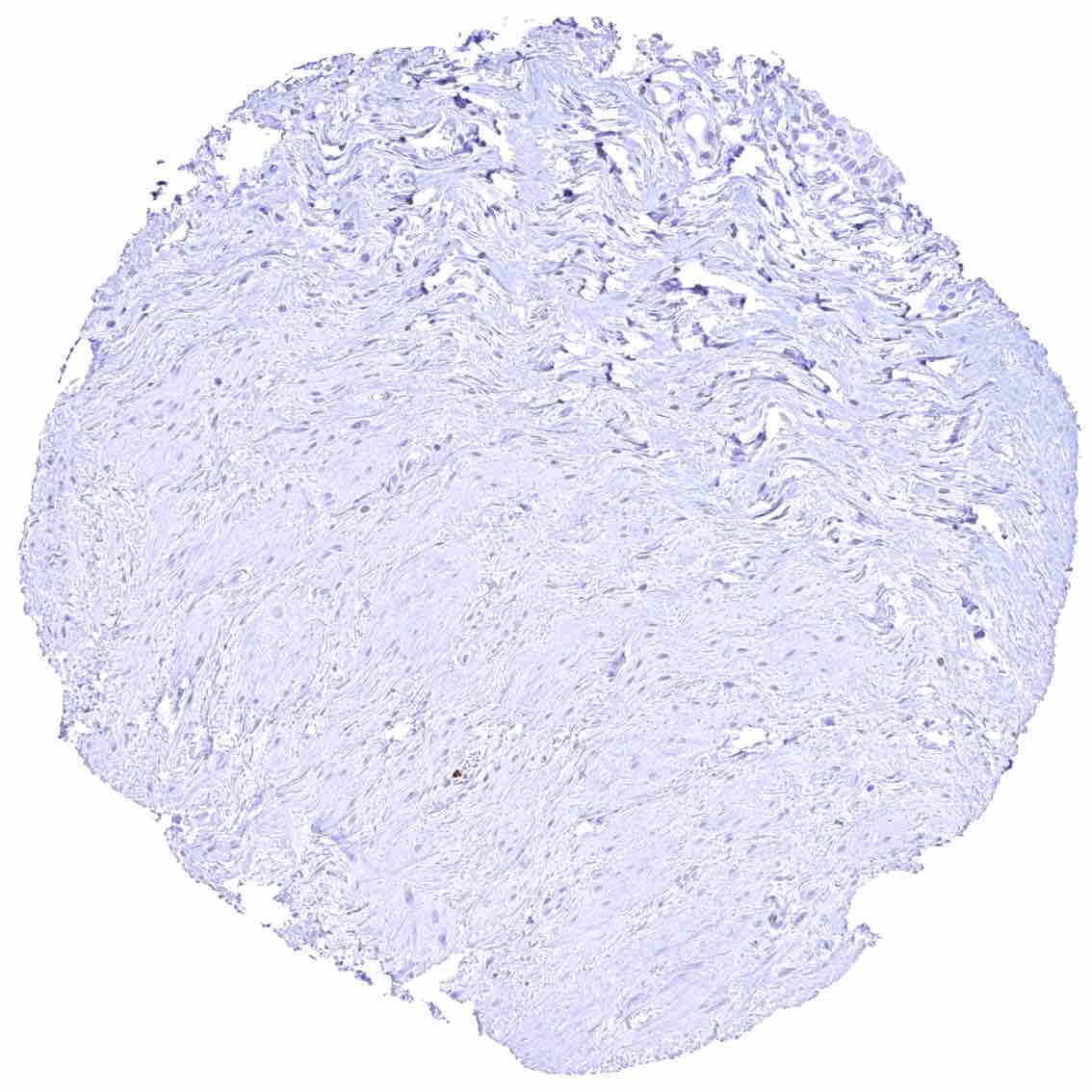
Kidney, pelvis, muscular wall
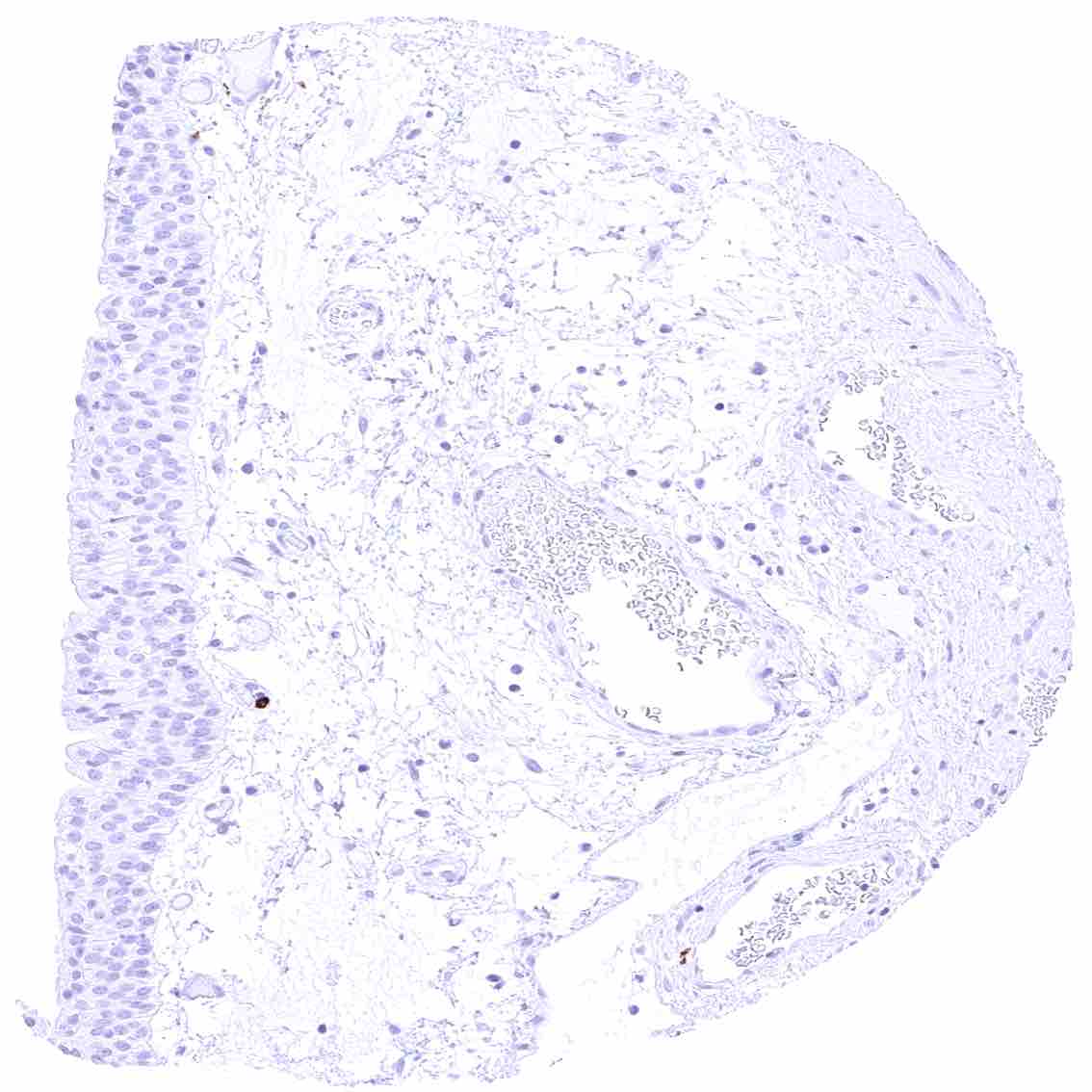
Kidney, pelvis, urothelium
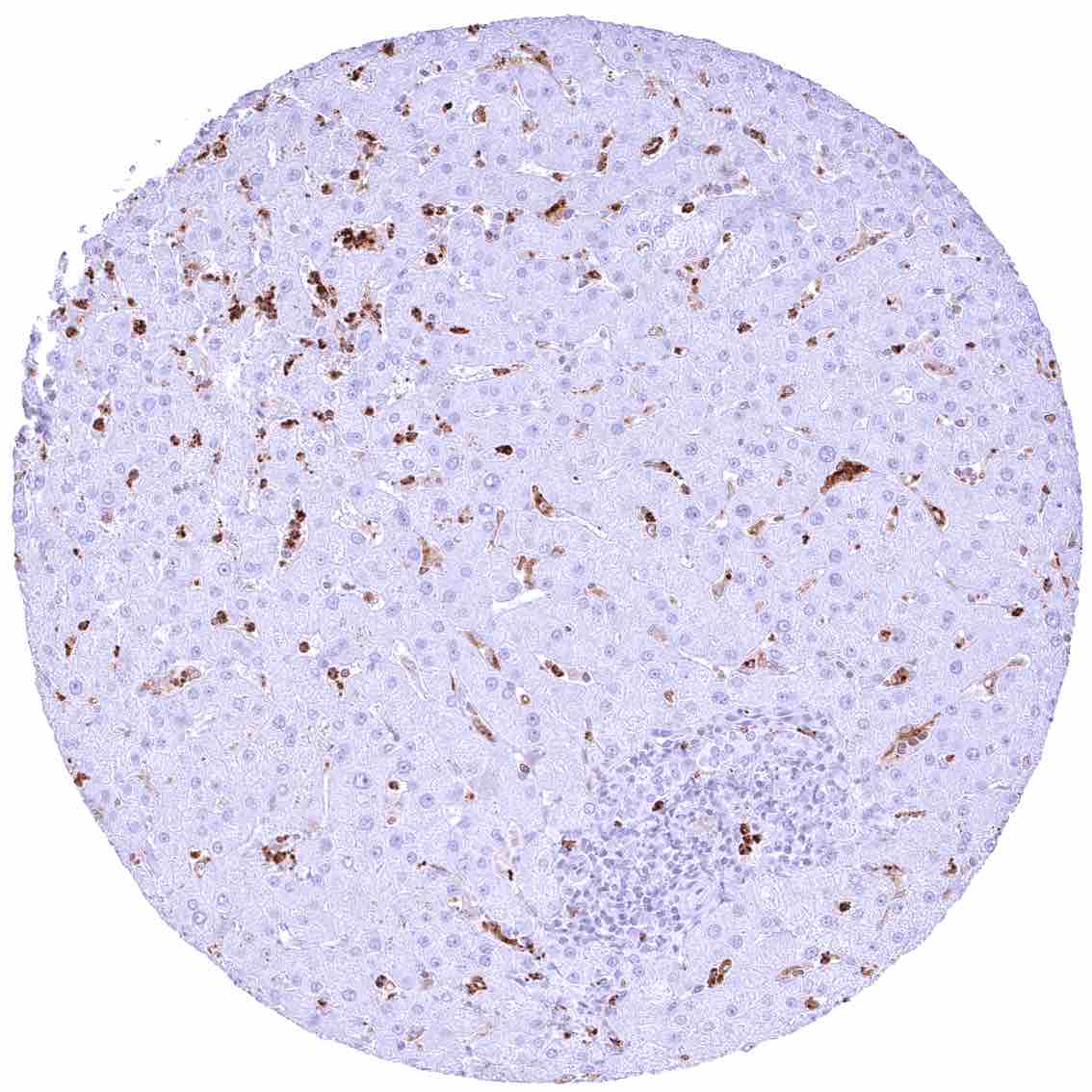
Liver – Strong membranous and cytoplasmic CEACAM6 staining of many intravascular inflammatory cells.
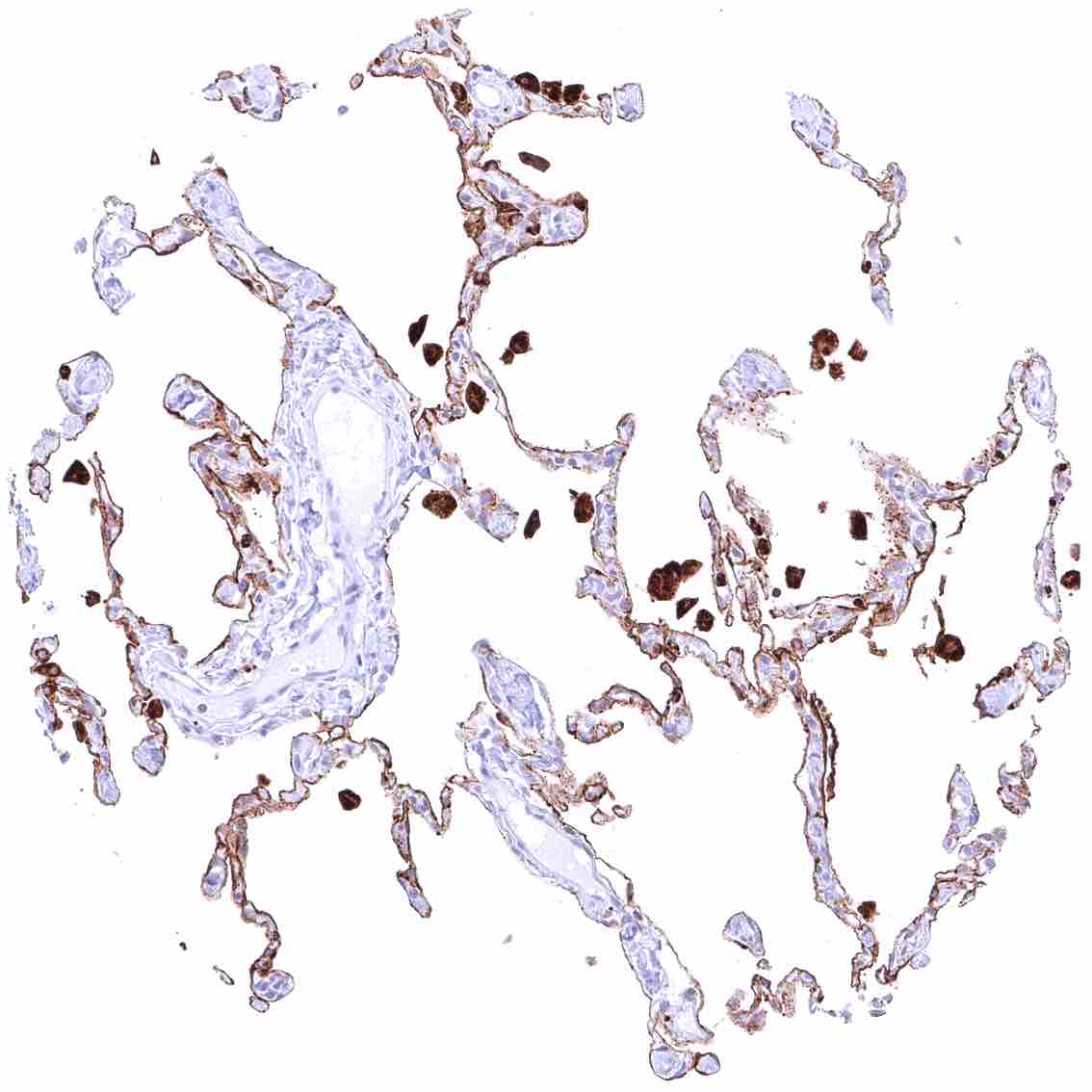
Lung – Strong membranous CEACAM6 staining of all alveolar pneumocytes .jpeg
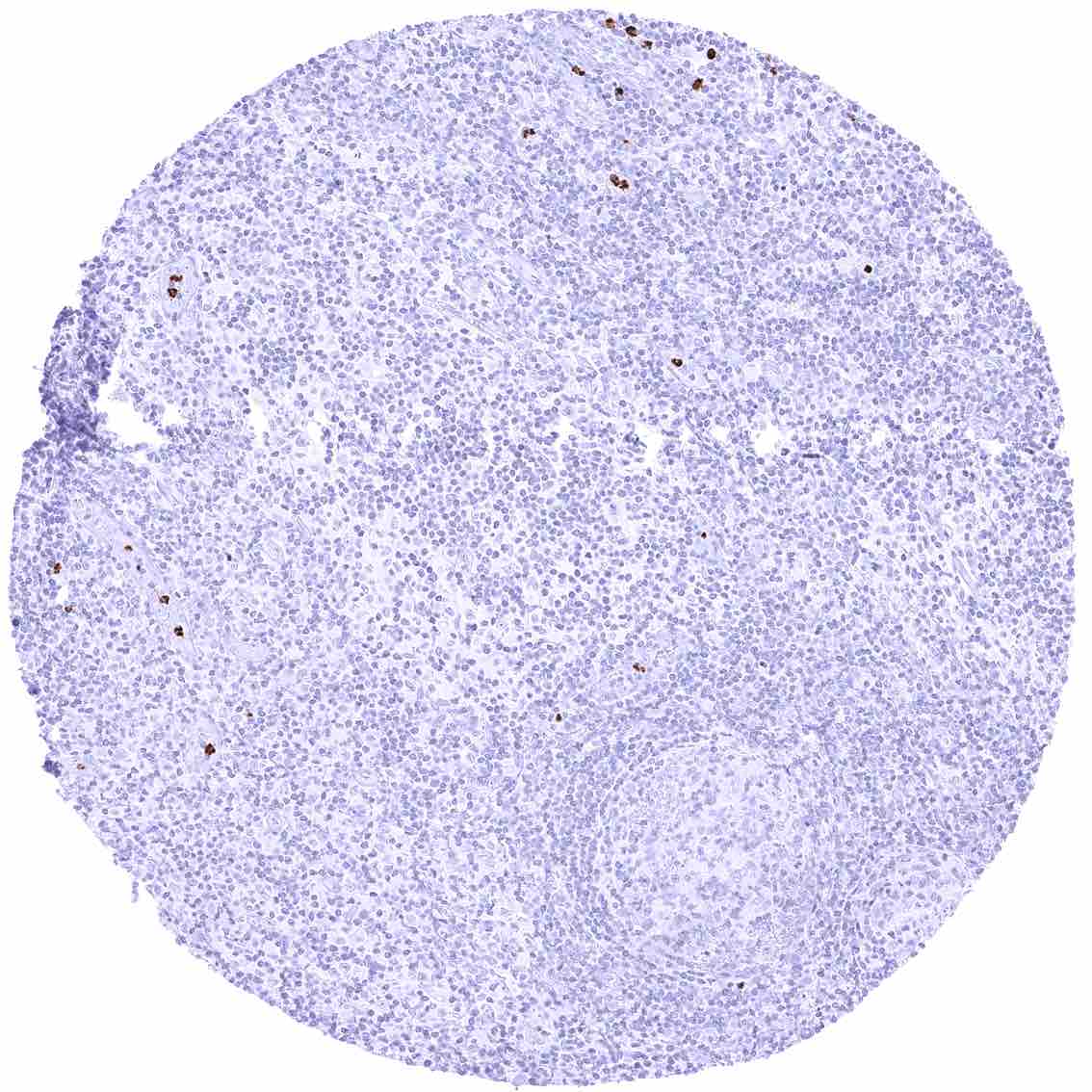
Lymph node – Strong CEACAM6 staining of few inflammatory cells.
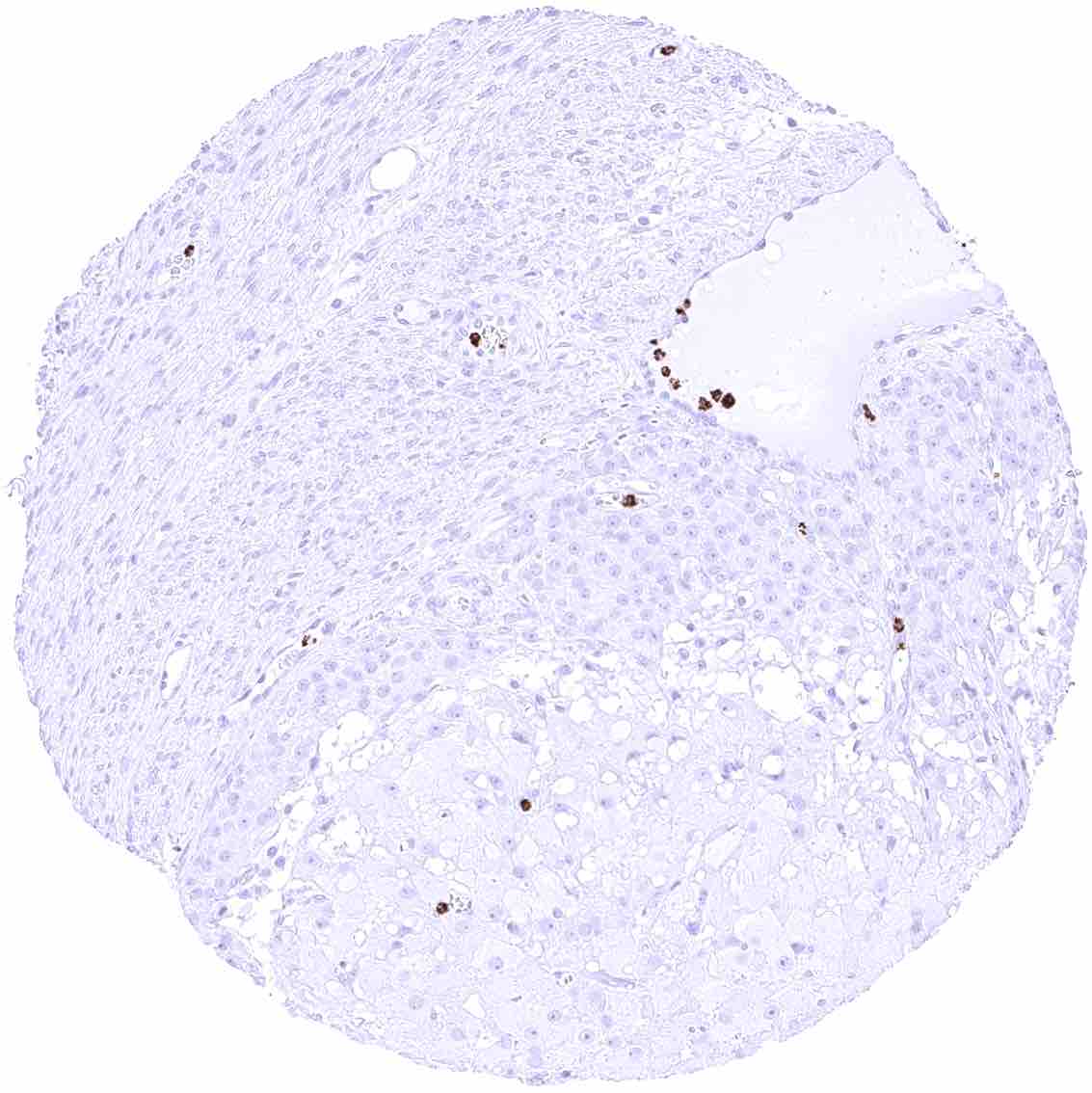
Ovary, corpus luteum – CEACAM6 staining is limited to inflammatory cells.
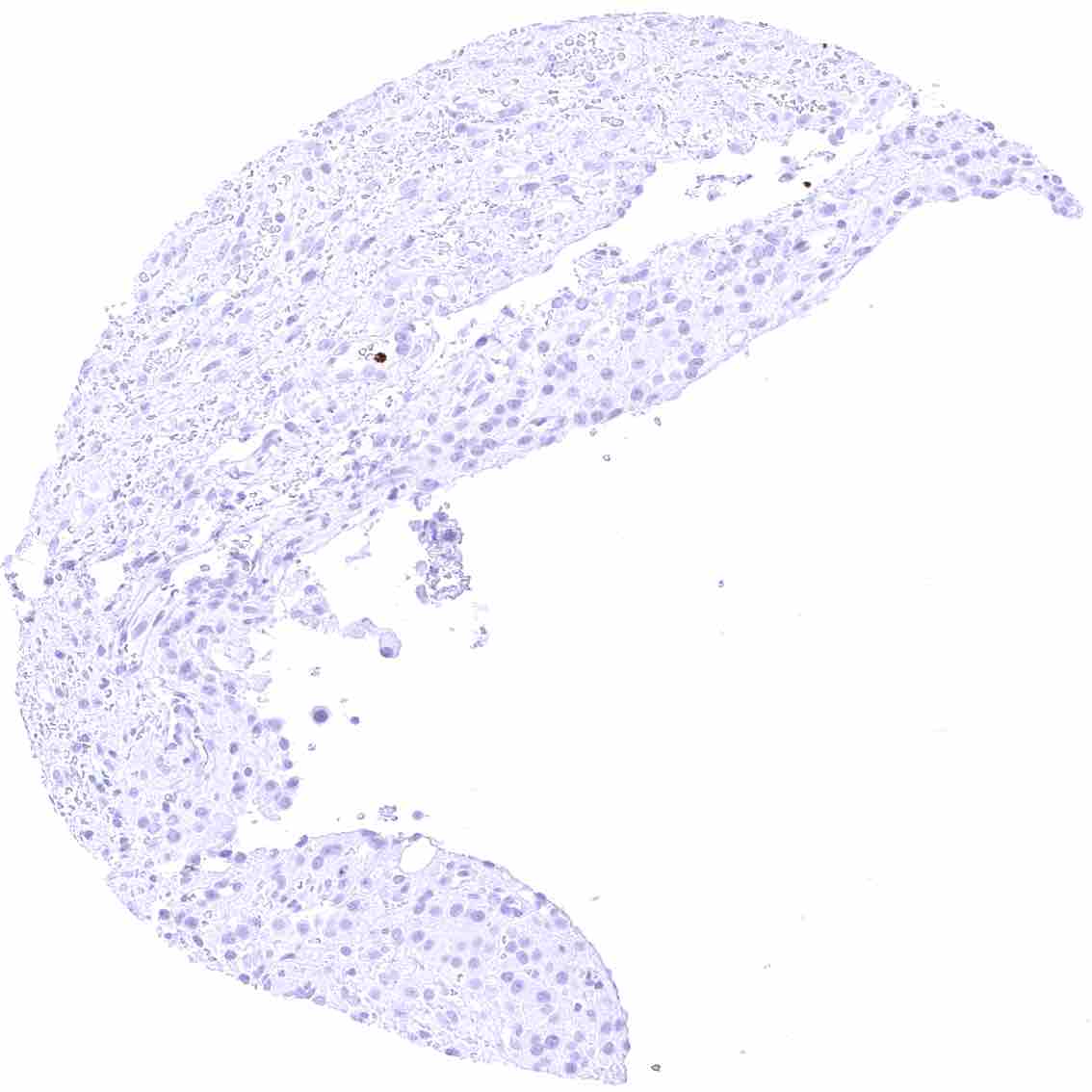
Ovary, follicular cyst
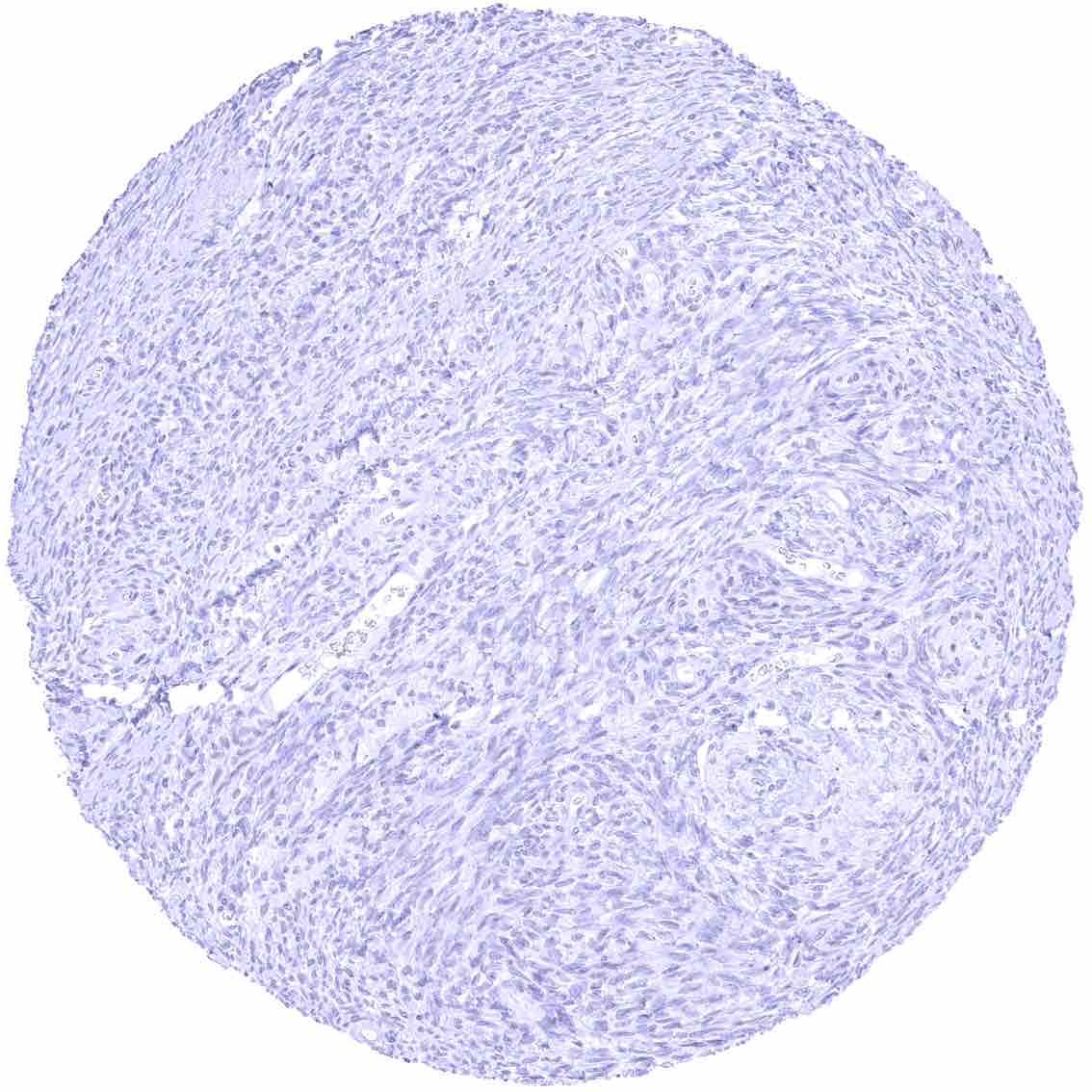
Ovary, stroma
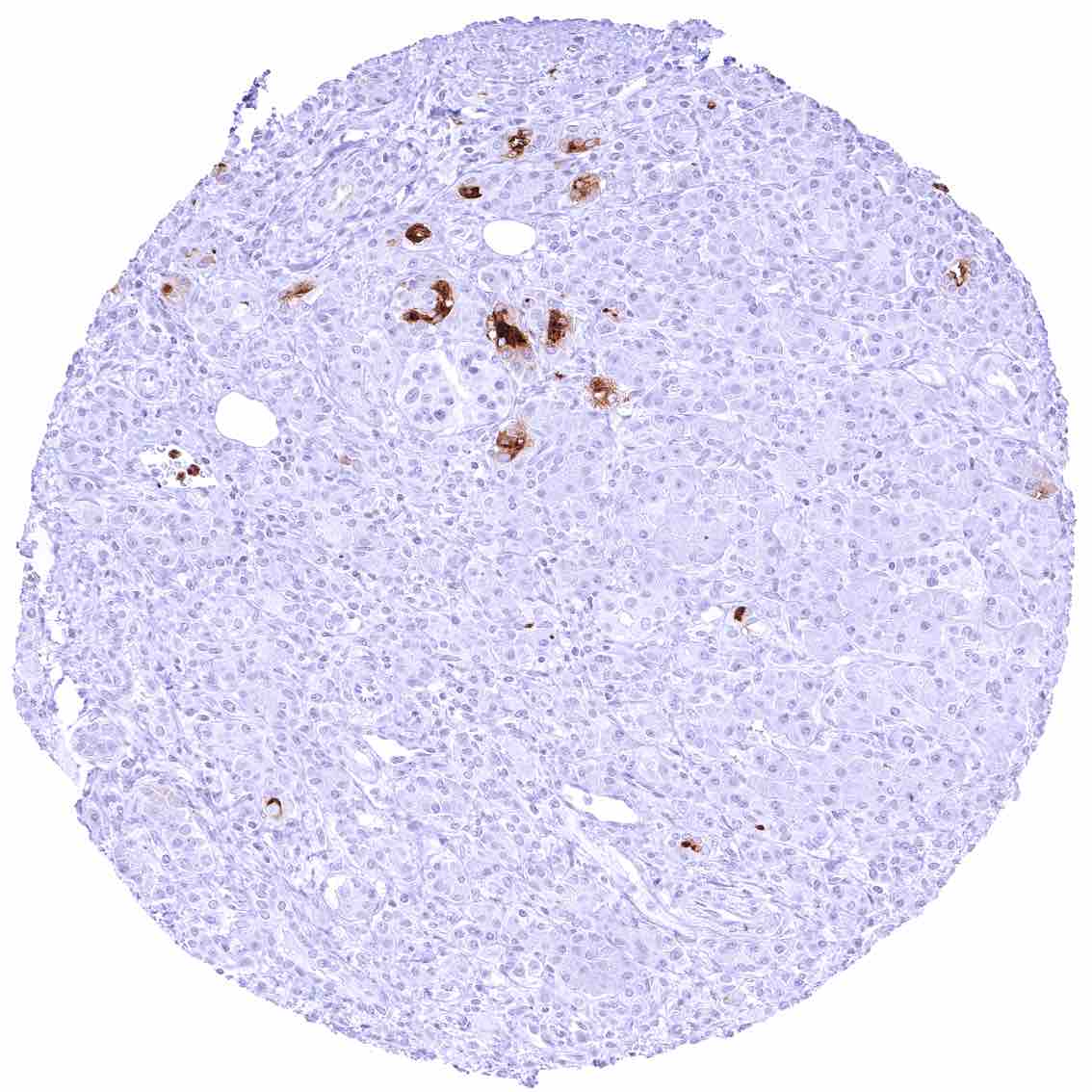
Pancreas – Strong membranous and cytoplasmic CEACAM6 staining of a fraction of small excretory ducts.
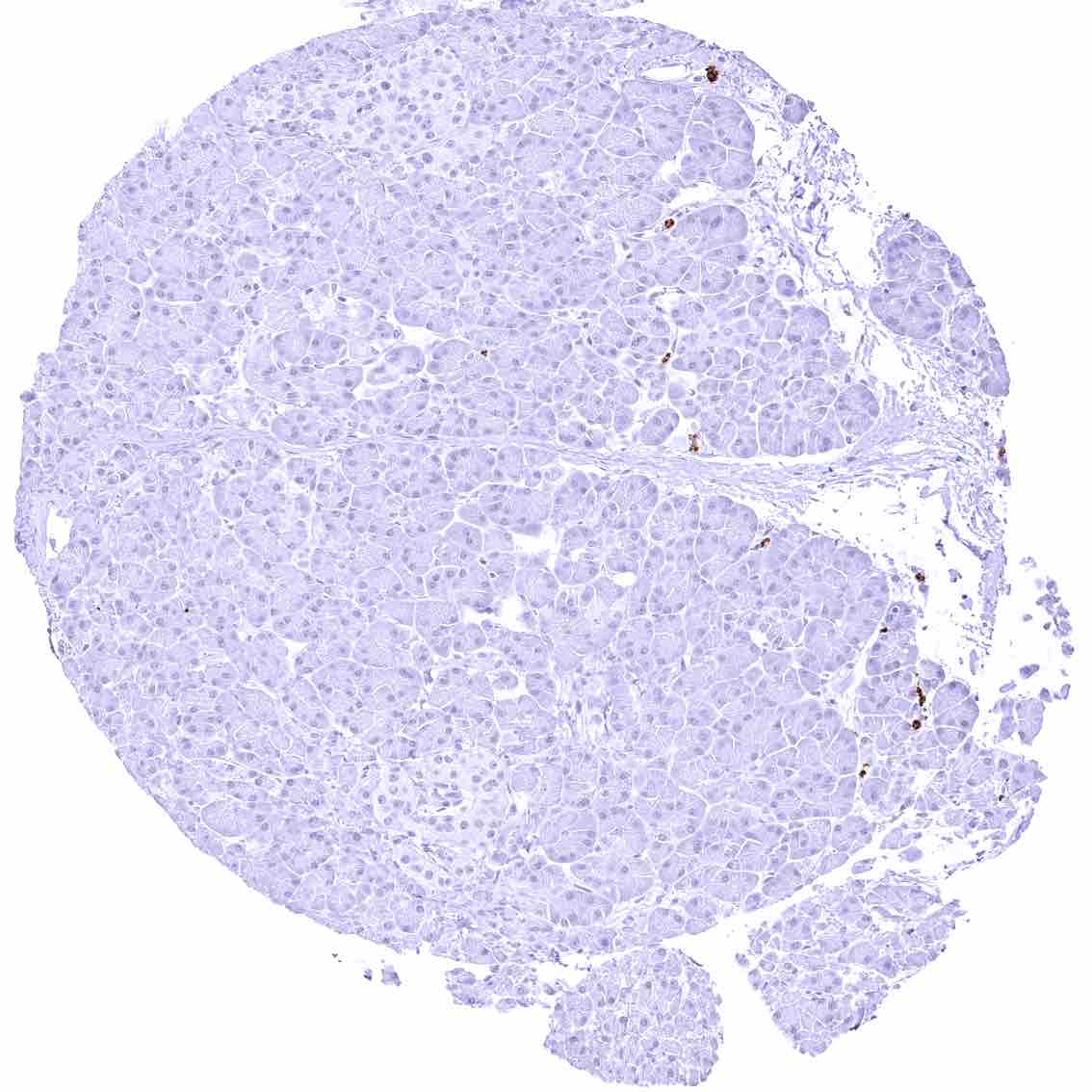
Pancreas
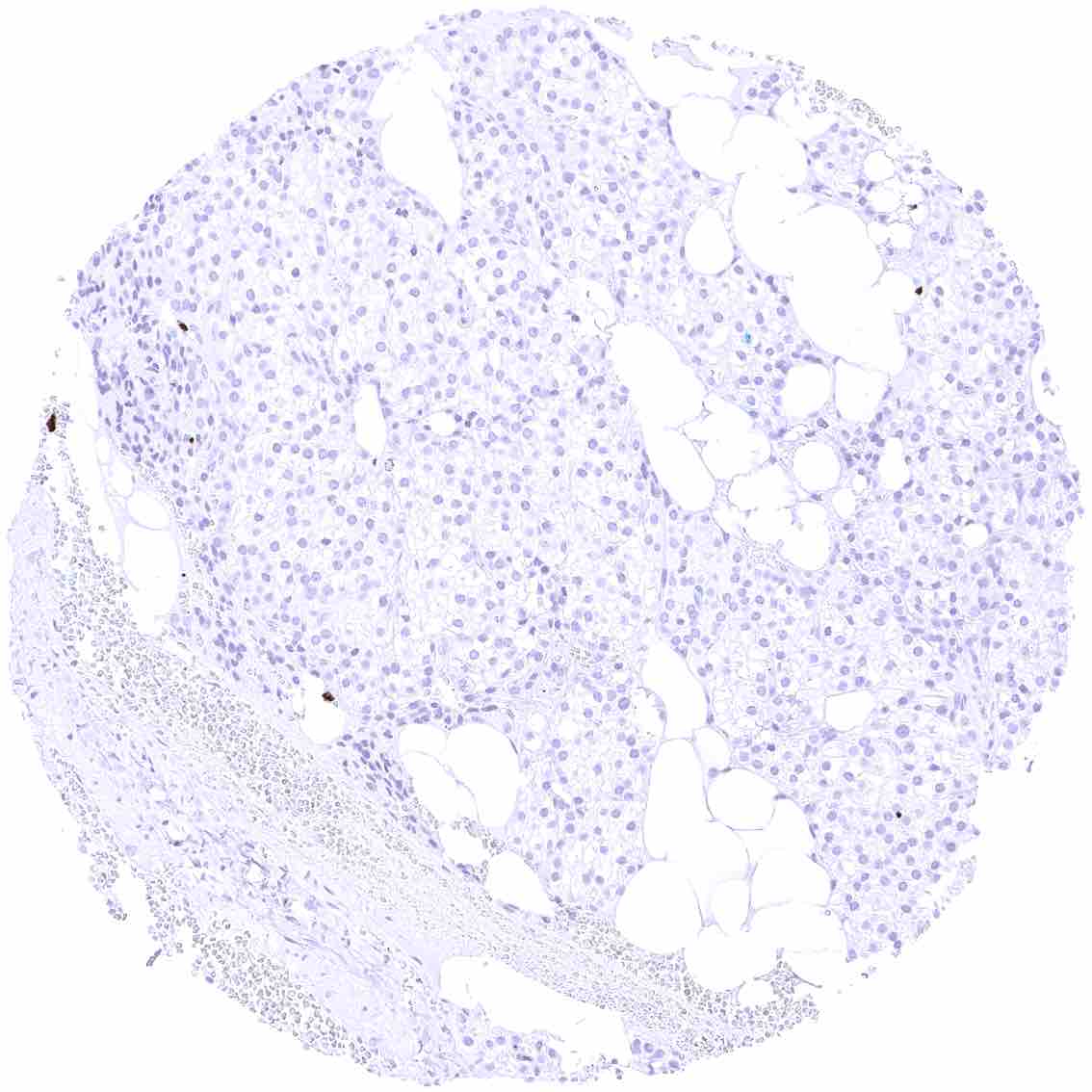
Parathyroid gland
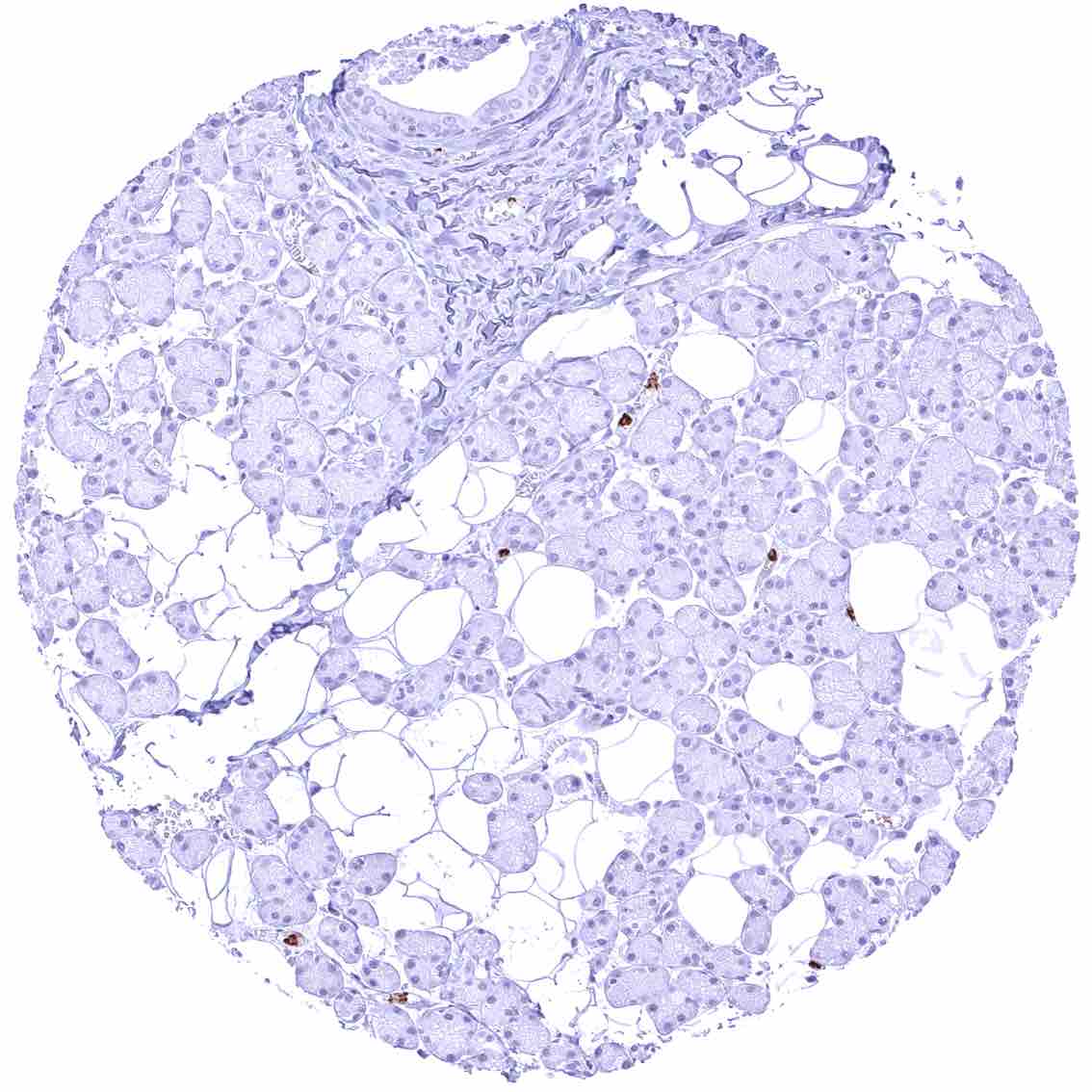
Parotid gland – CEACAM6 staining is limited to inflammatory cells.
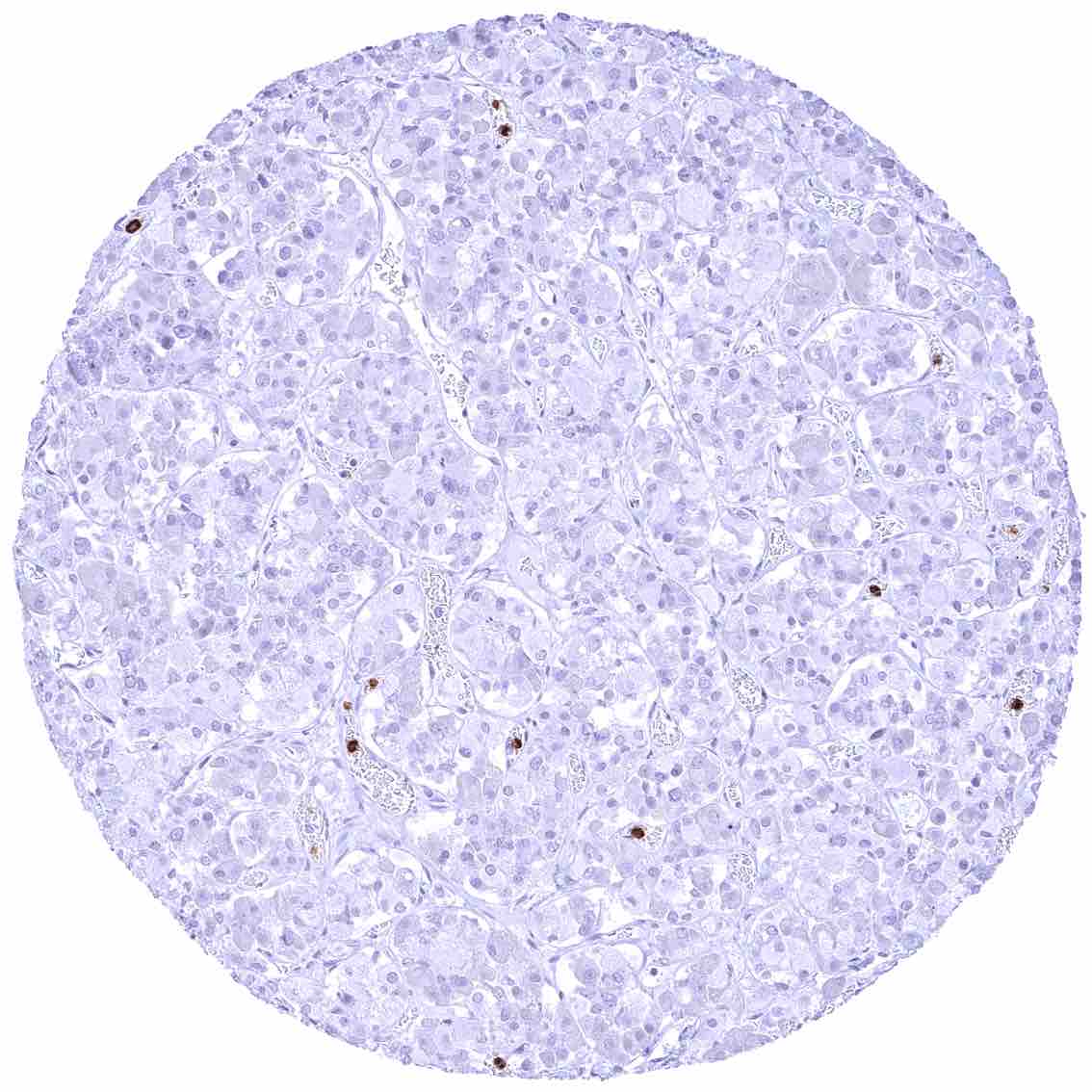
Pituitary gland, anterior lobe – CEACAM6 staining is limited to inflammatory cells.
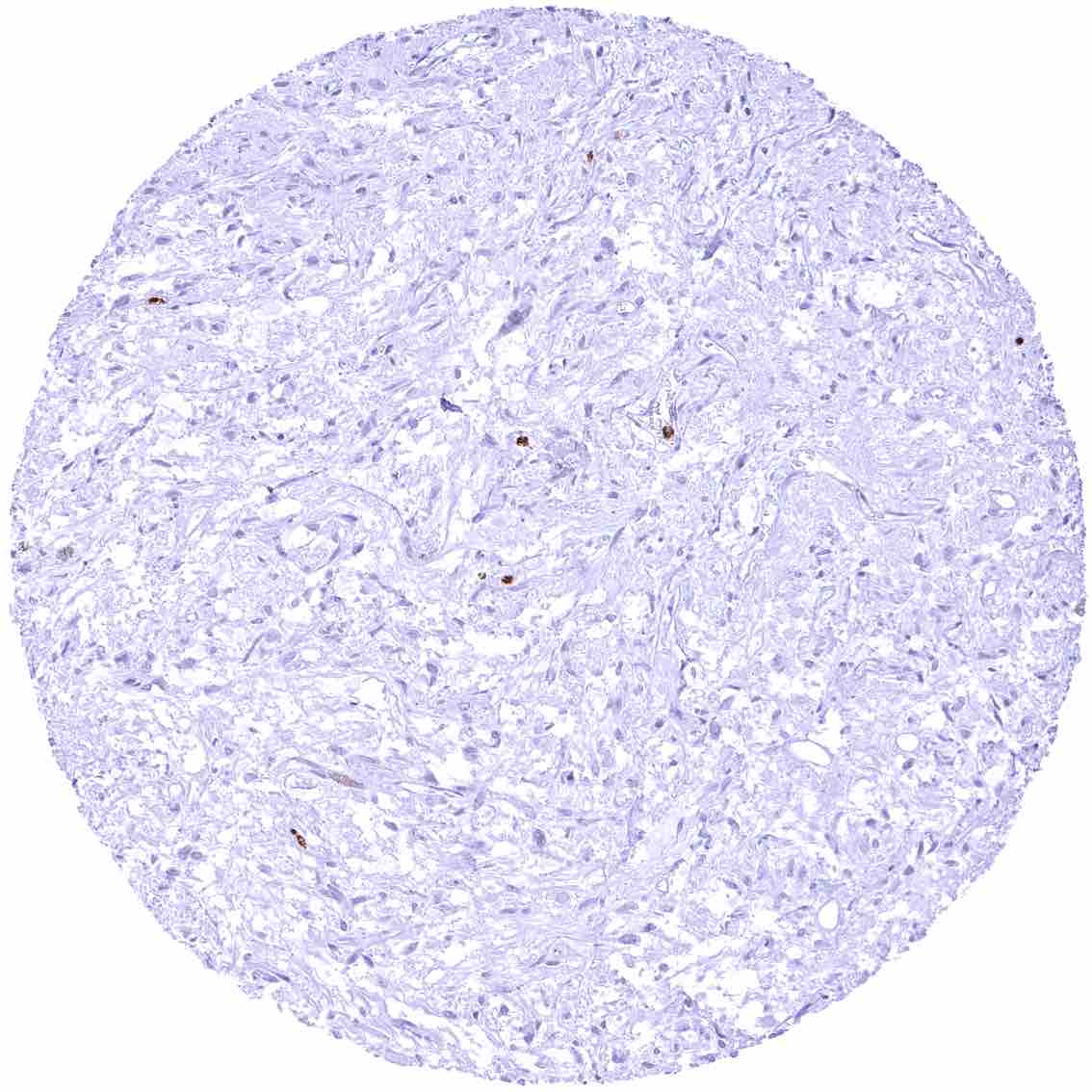
Pituitary gland, posterior lobe
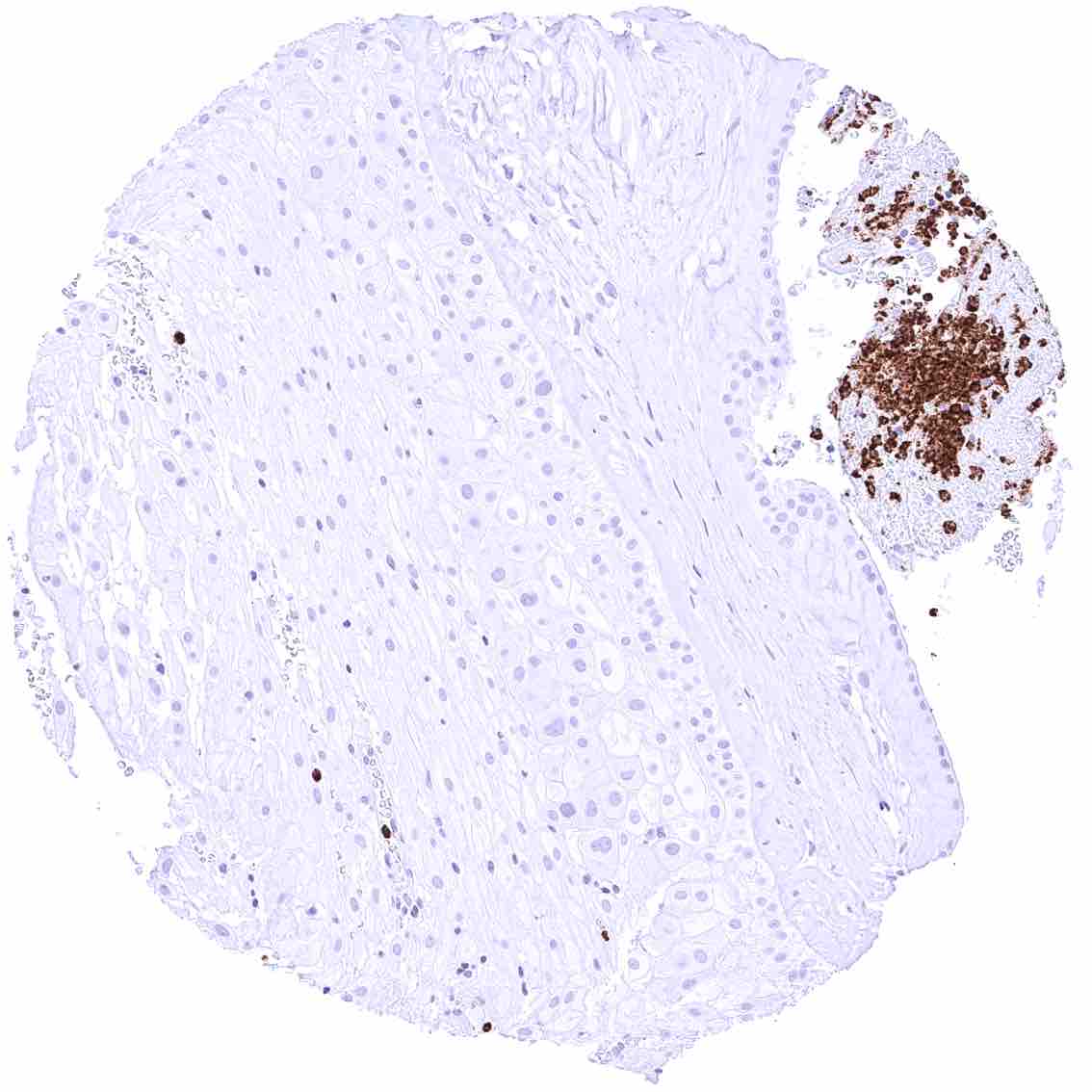
Placenta (amnion and chorion) – Strong CEACAM6 staining of a group of inflammatory cells.
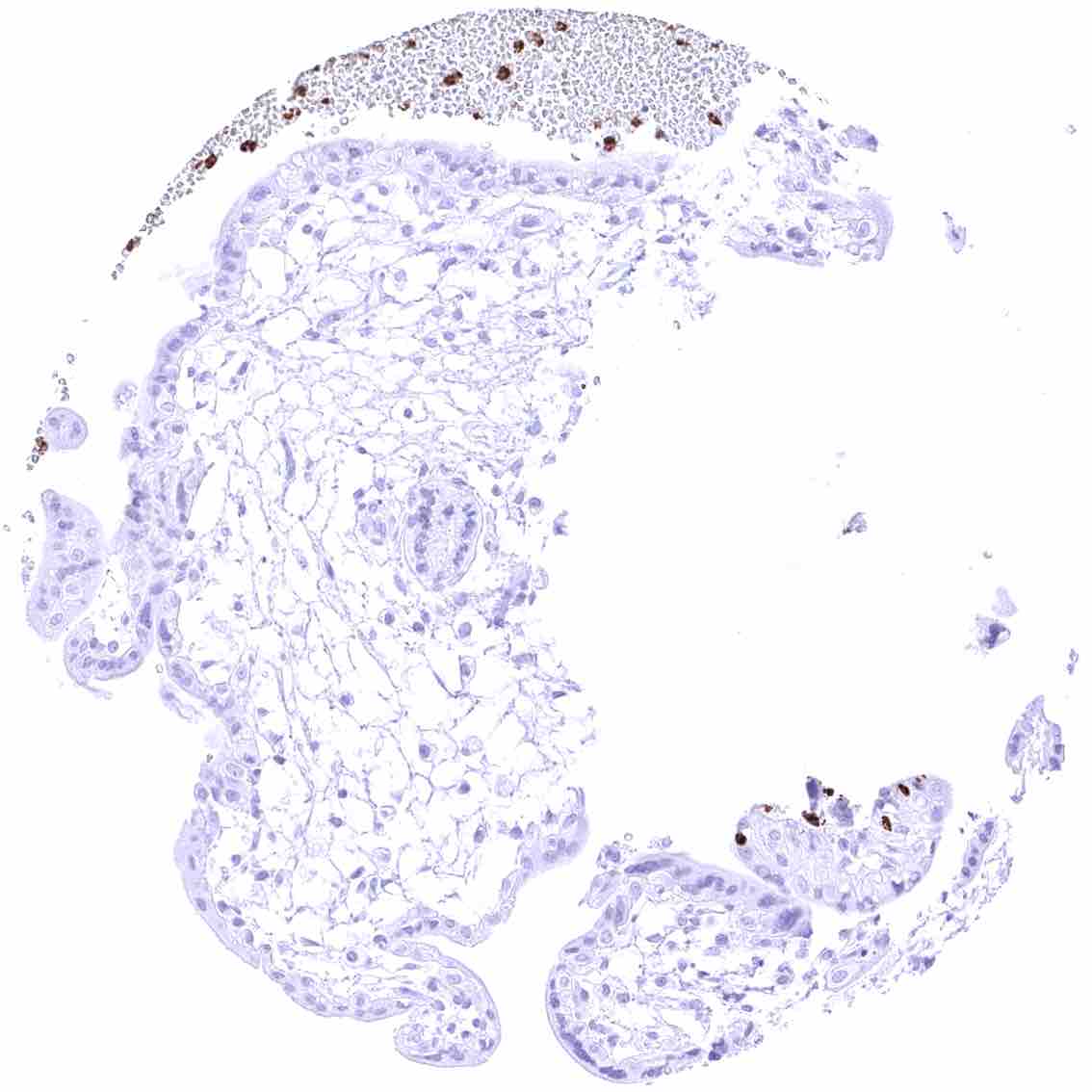
Placenta, early – CEACAM6 staining is limited to inflammatory cells.
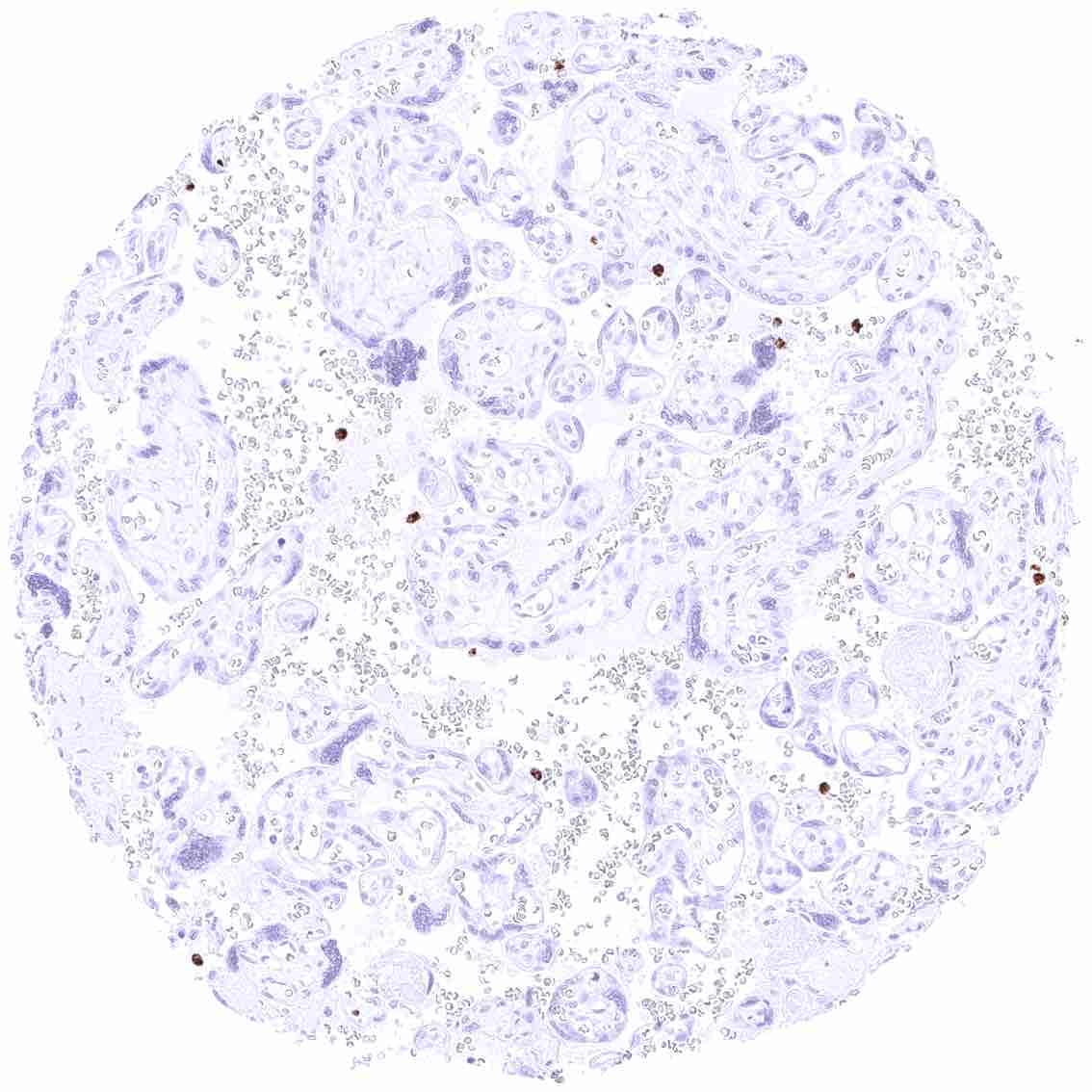
Placenta, mature – CEACAM6 staining is limited to inflammatory cells.
Prostate
Rectum, mucosa
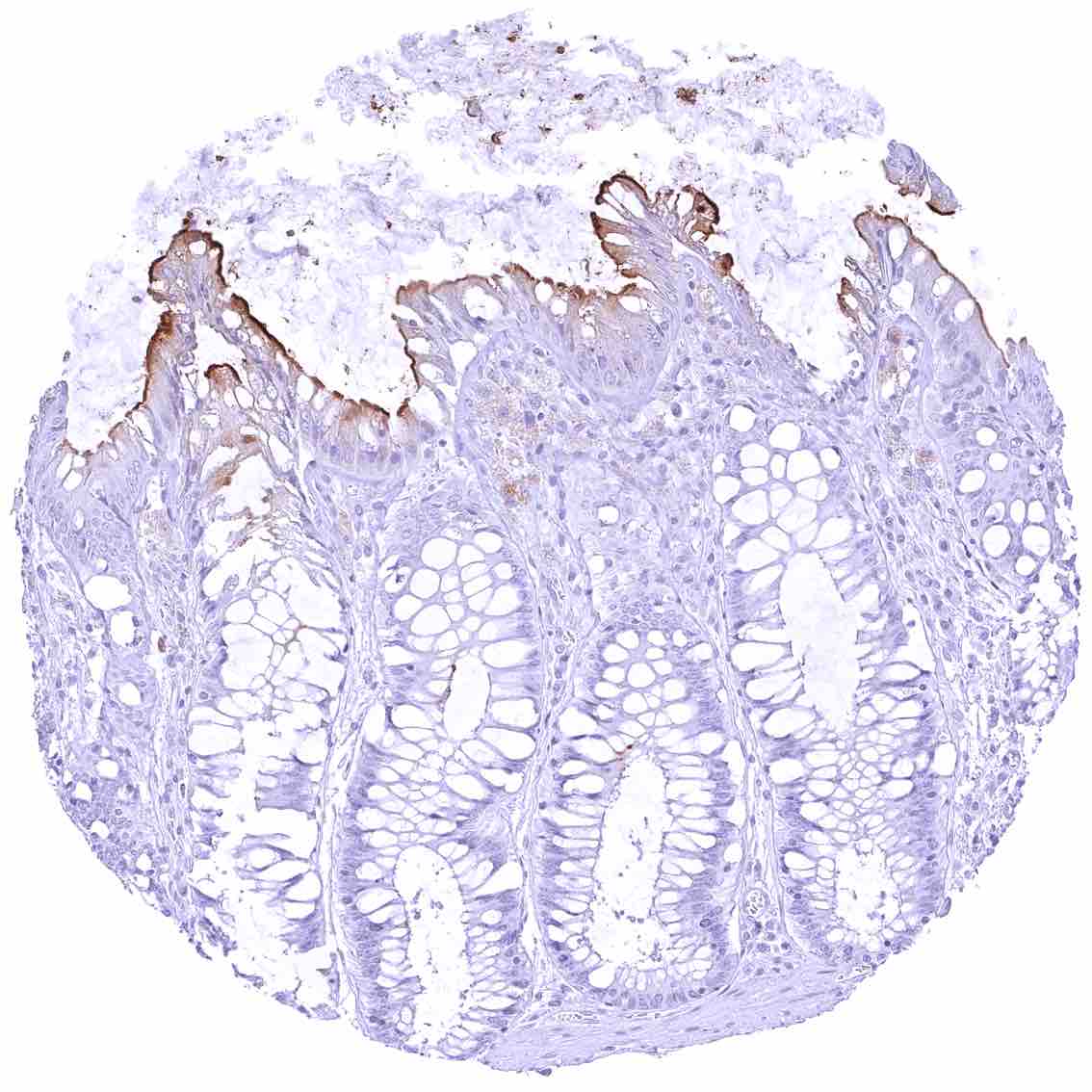
Rectum, mucosa – Strong apical membranous CEACAM6 staining of surface epithelial cells
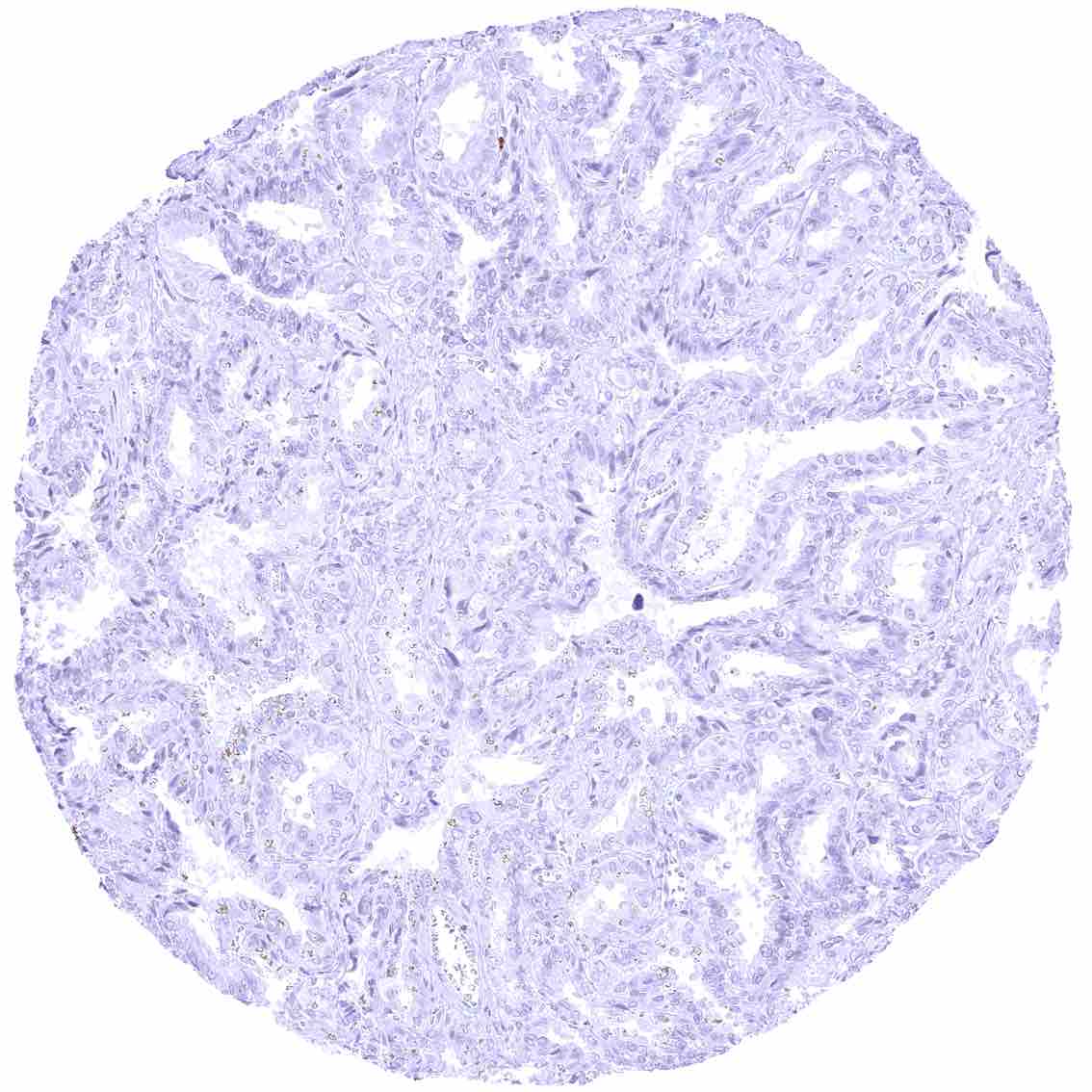
Seminal vesicle
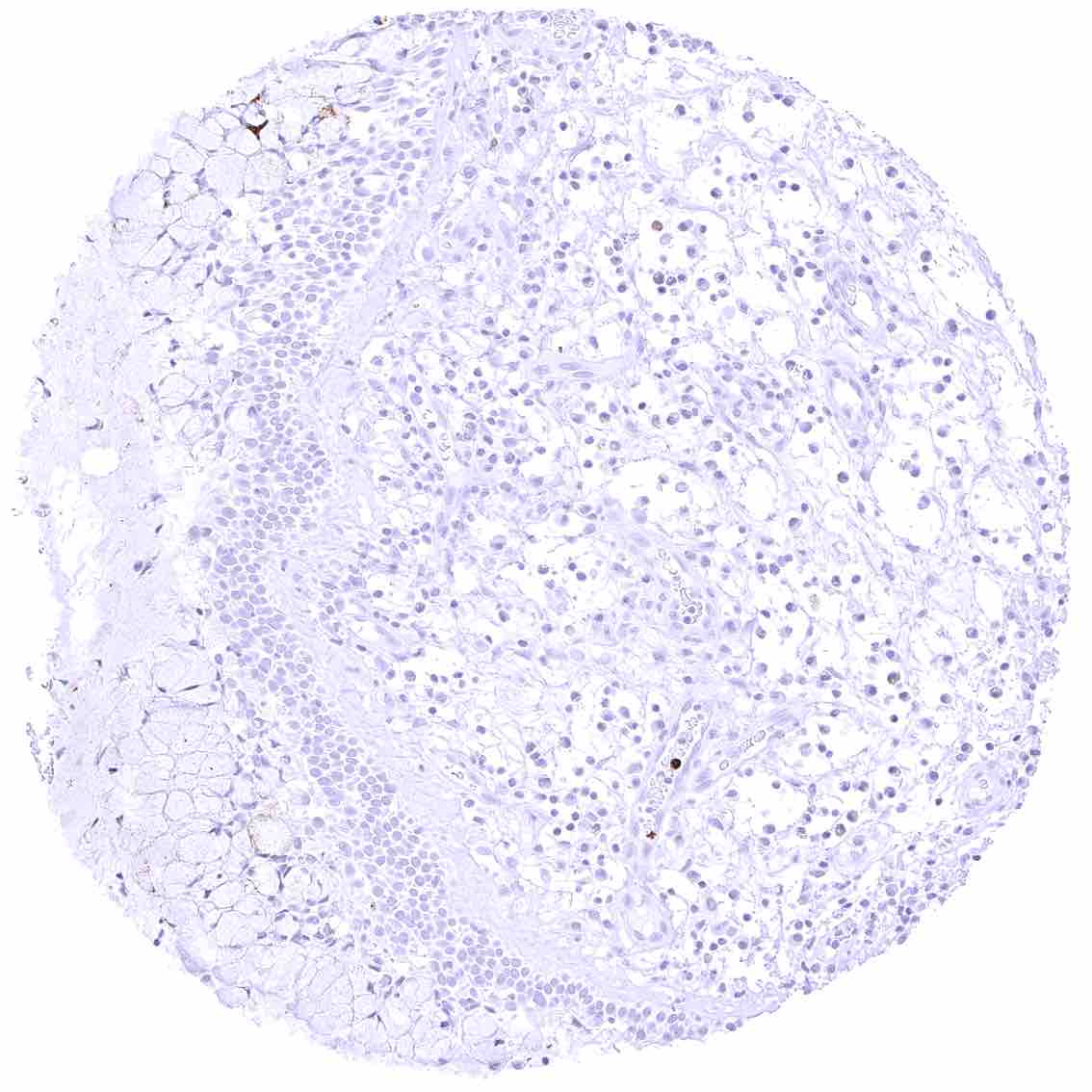
Sinus paranasales – Respiratory epithelial cells are CEACAM6 negative in this sample.
Skeletal muscle
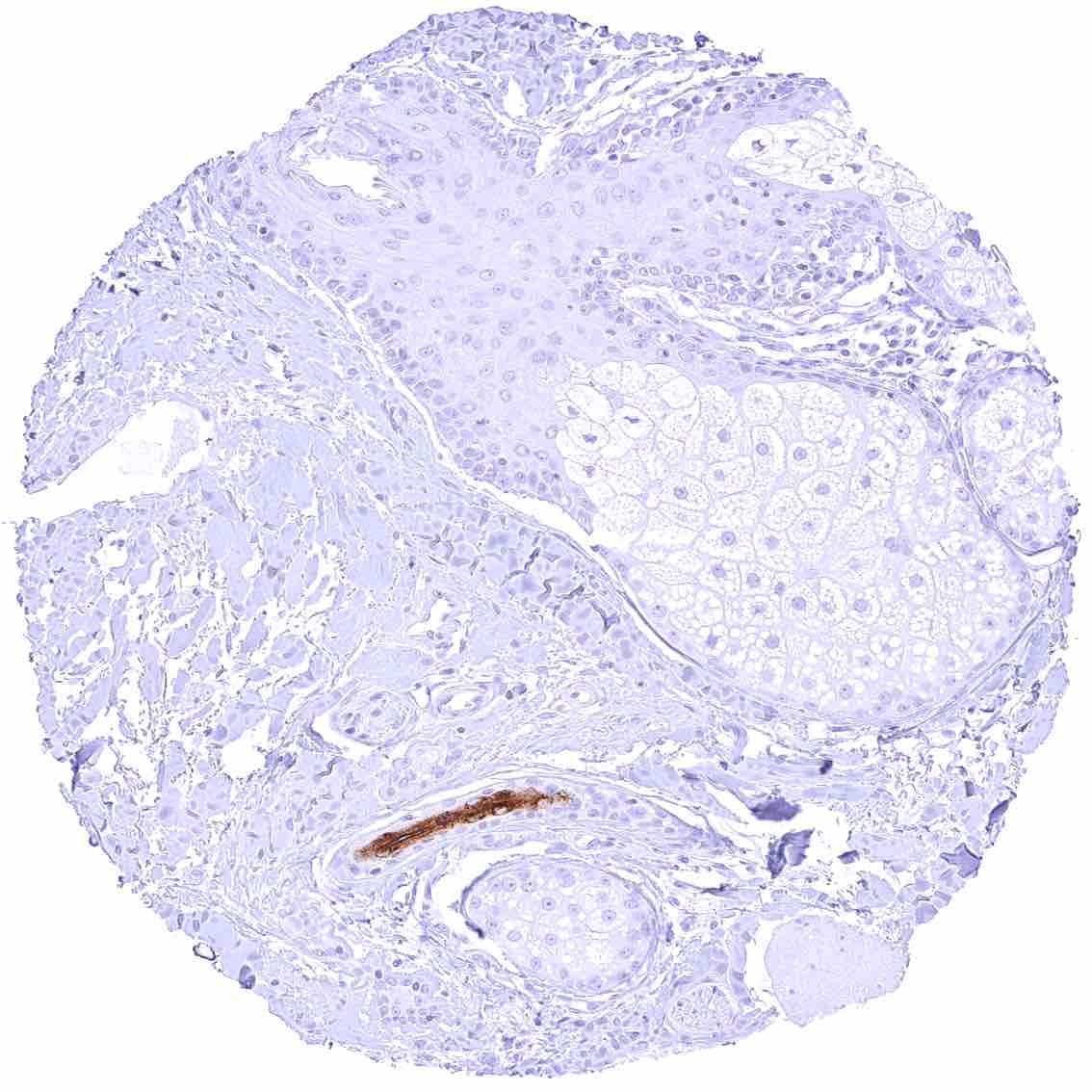
Skin, hairfollicel and sebaceous glands – Strong apical membranous and apical cytoplasmic staining of eccrine glands. Sebaceous cells and hair follicles are CEACAM6 negative.
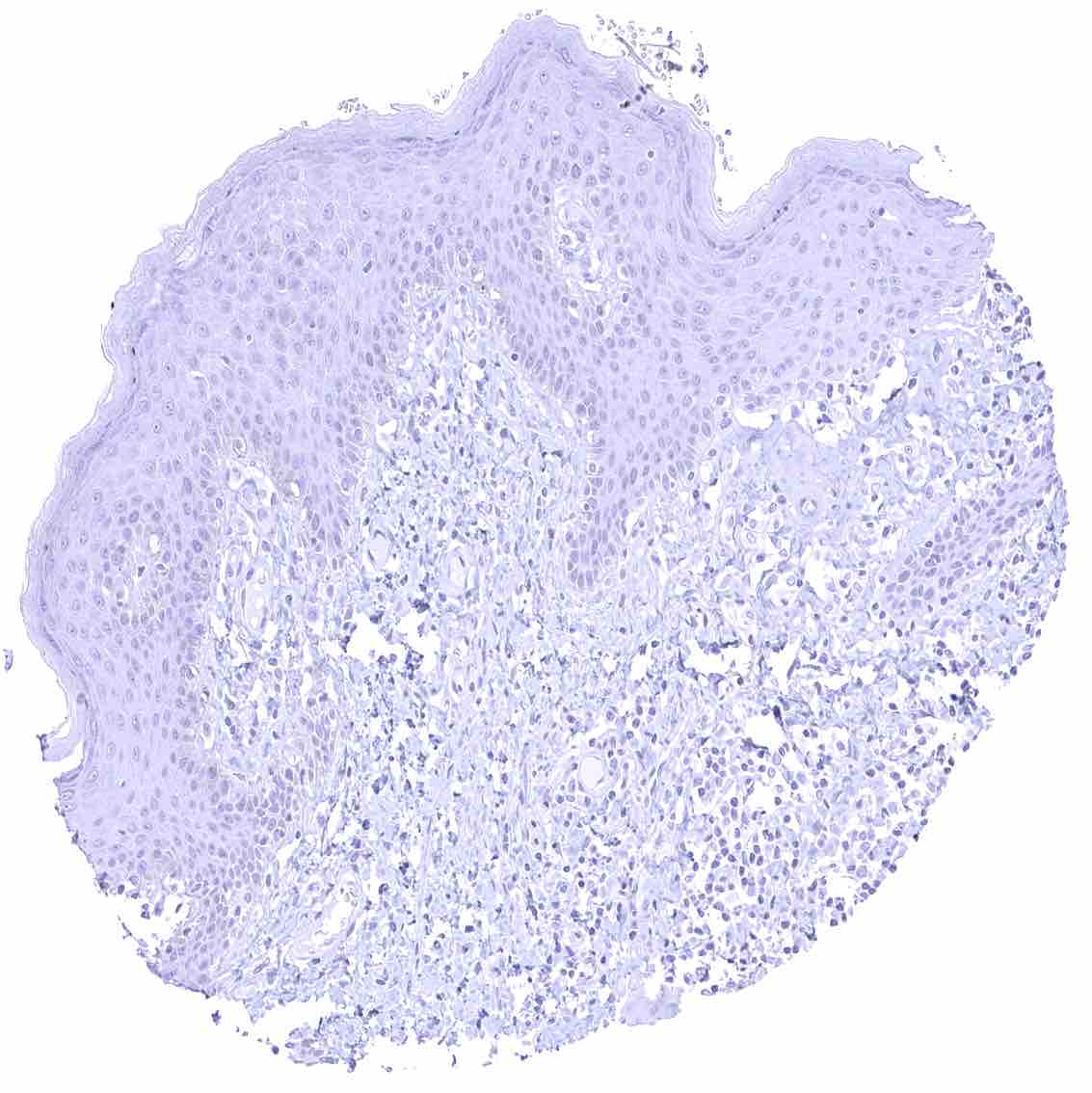
Skin
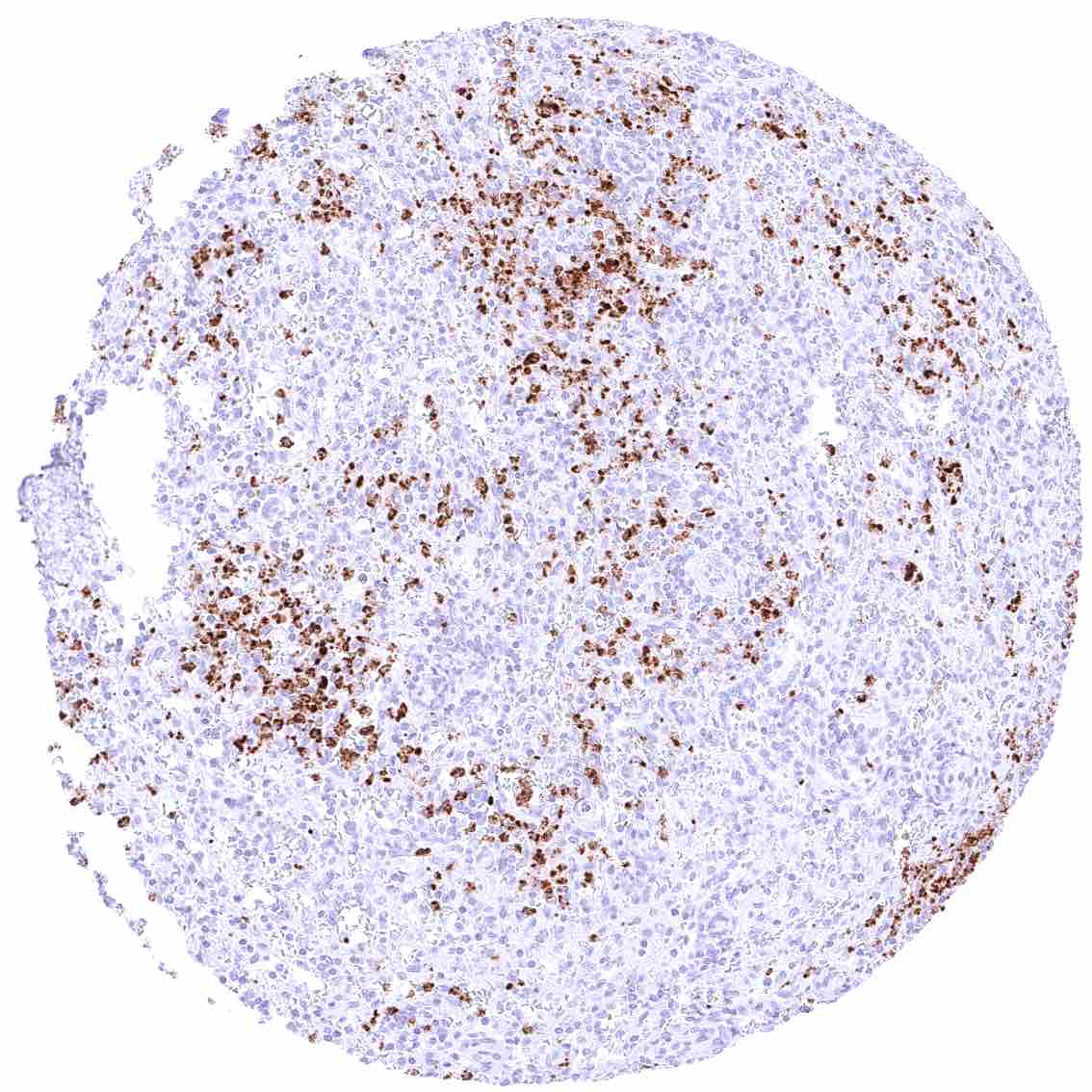
Spleen – Strong CEACAM6 staining of a large fraction of inflammatory cells.
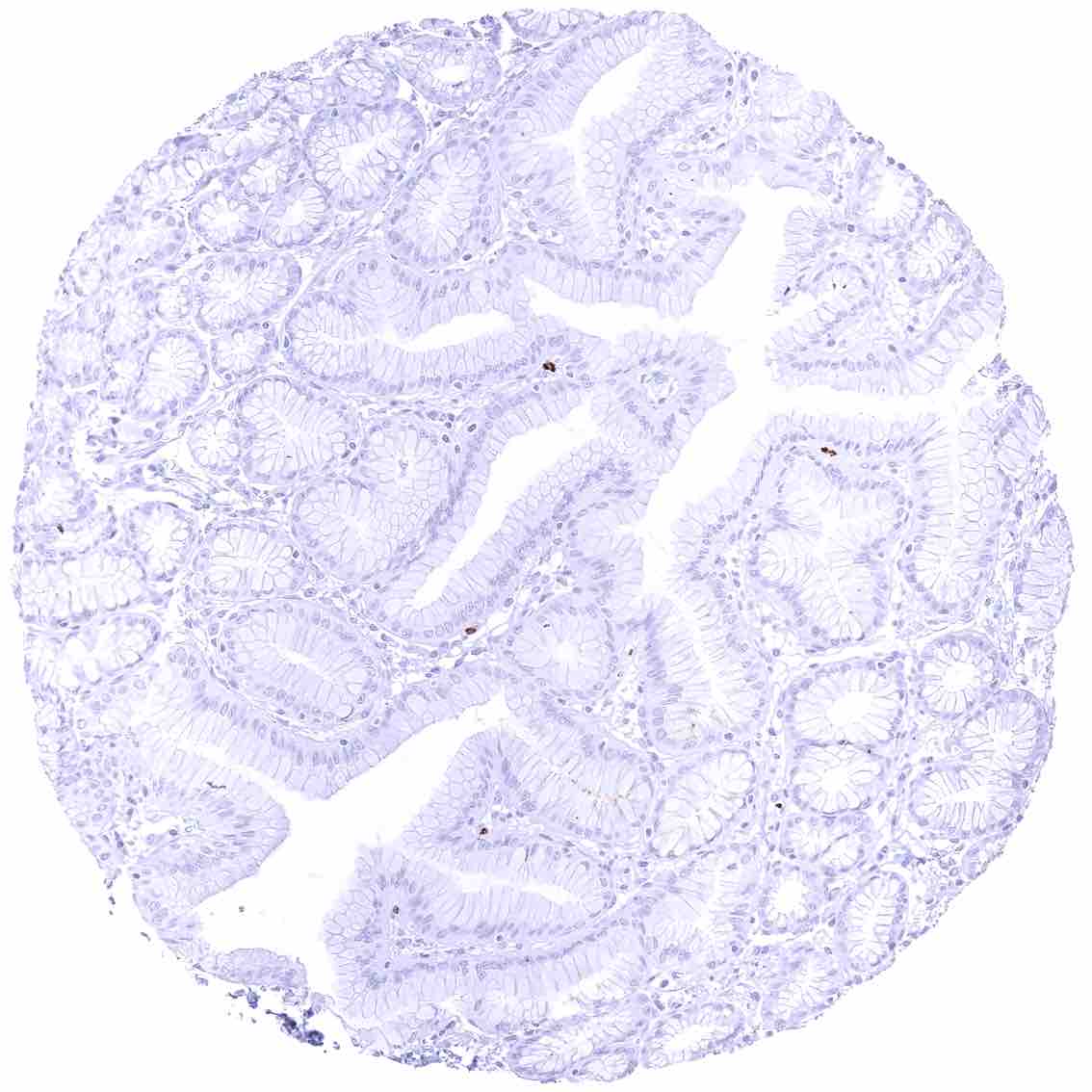
Stomach, antrum
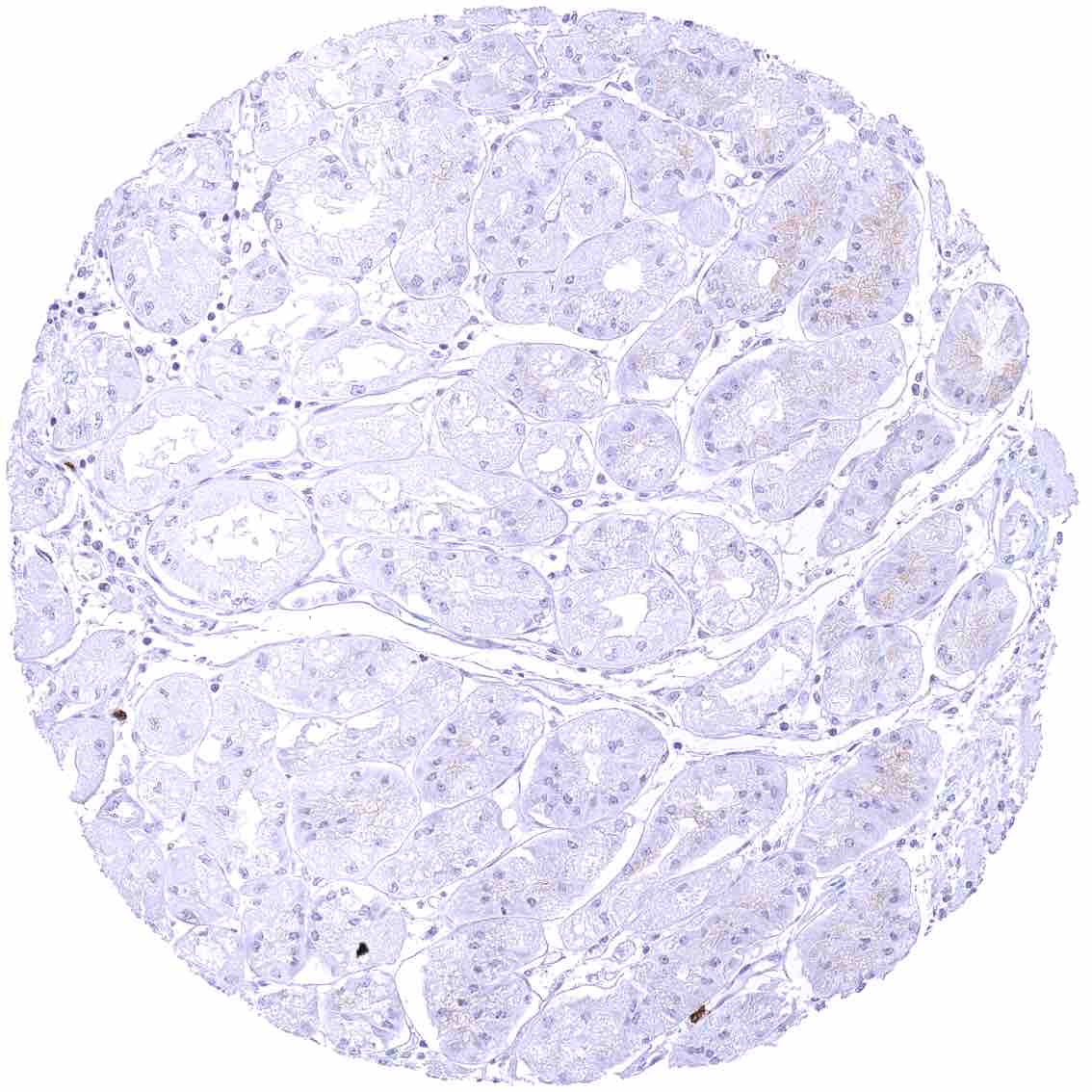
Stomach, corpus
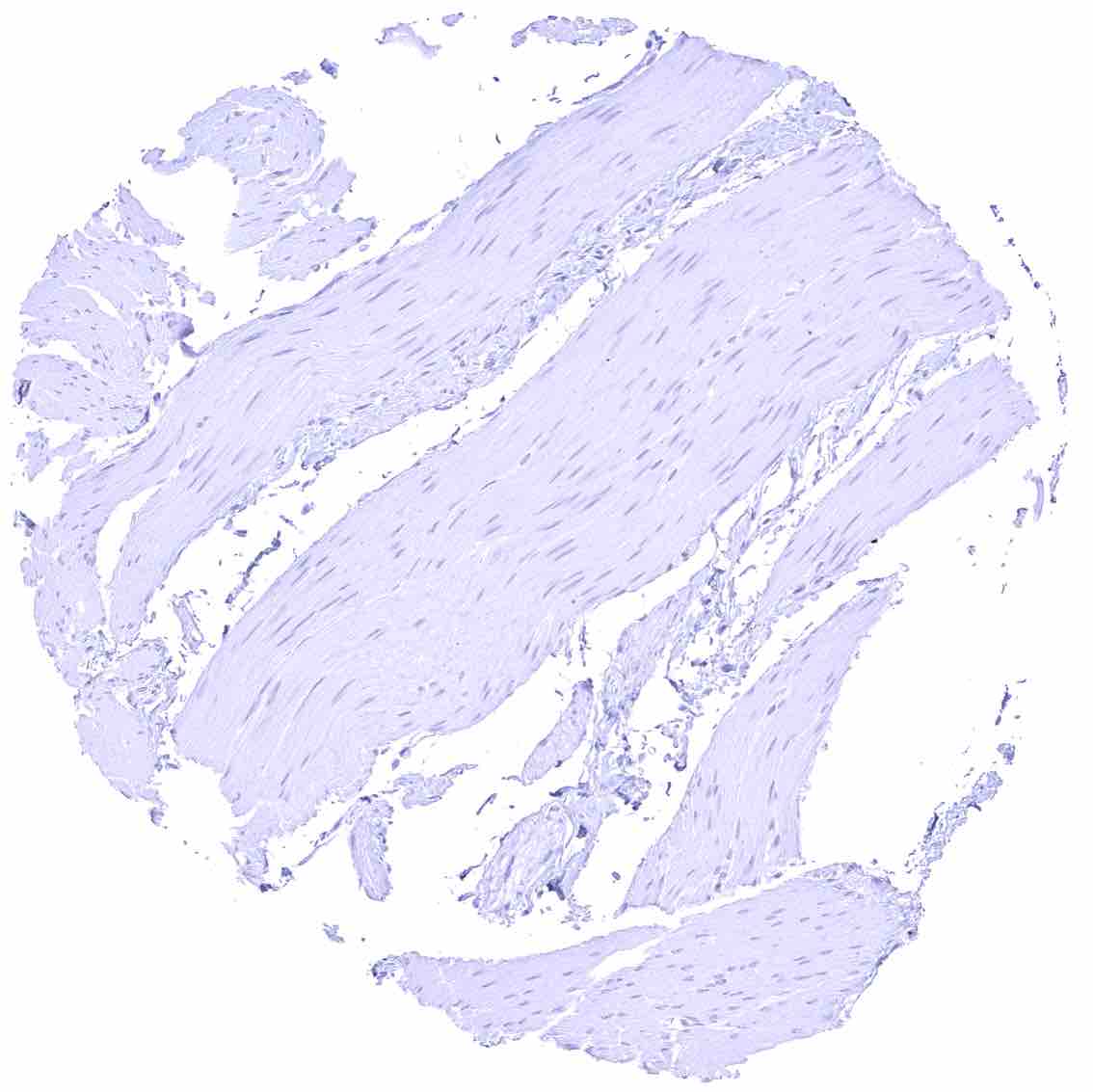
Stomach, muscular wall
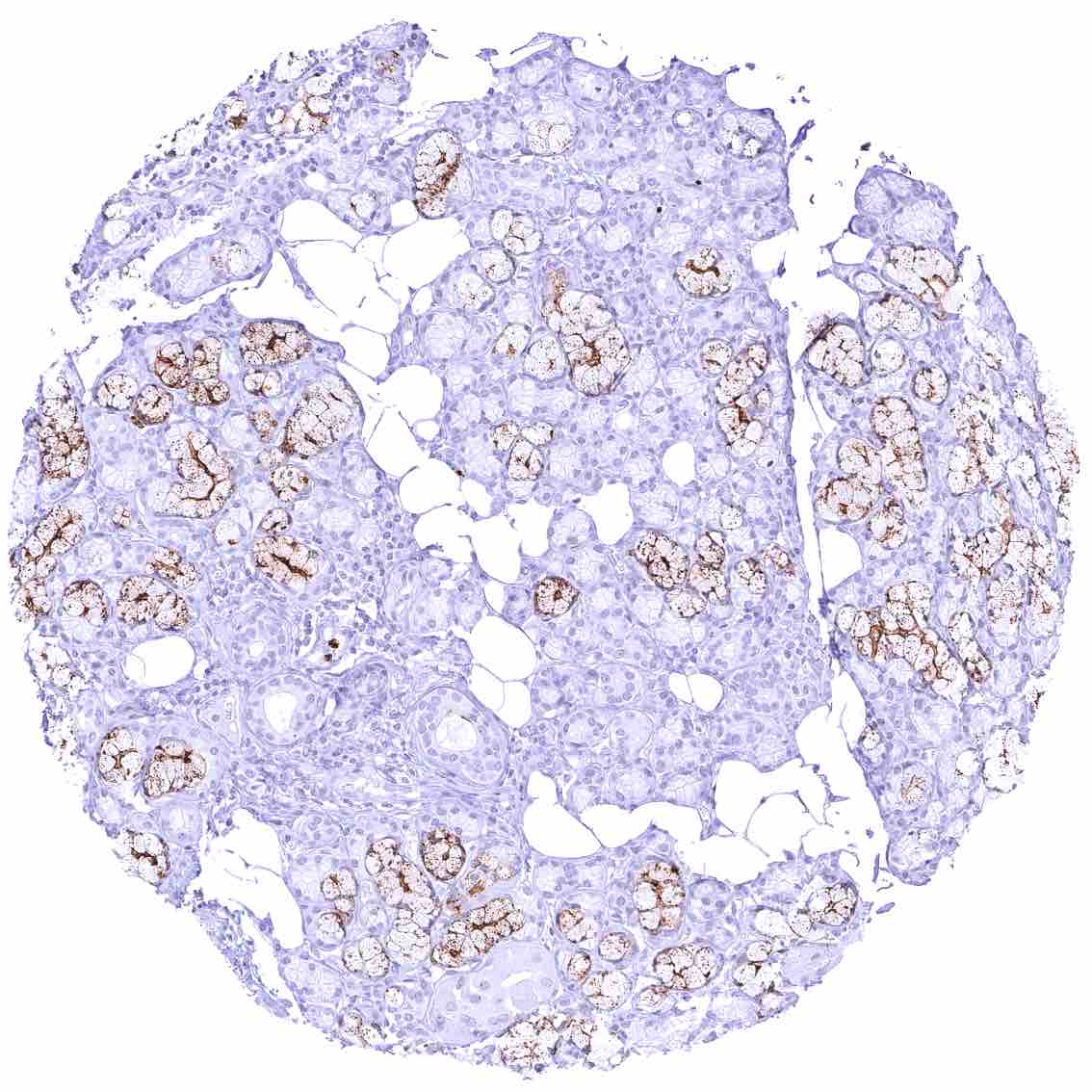
Sublingual gland – Distinct membranous and cytoplasmic CEACAM6 staining of mucinous glandular cells.
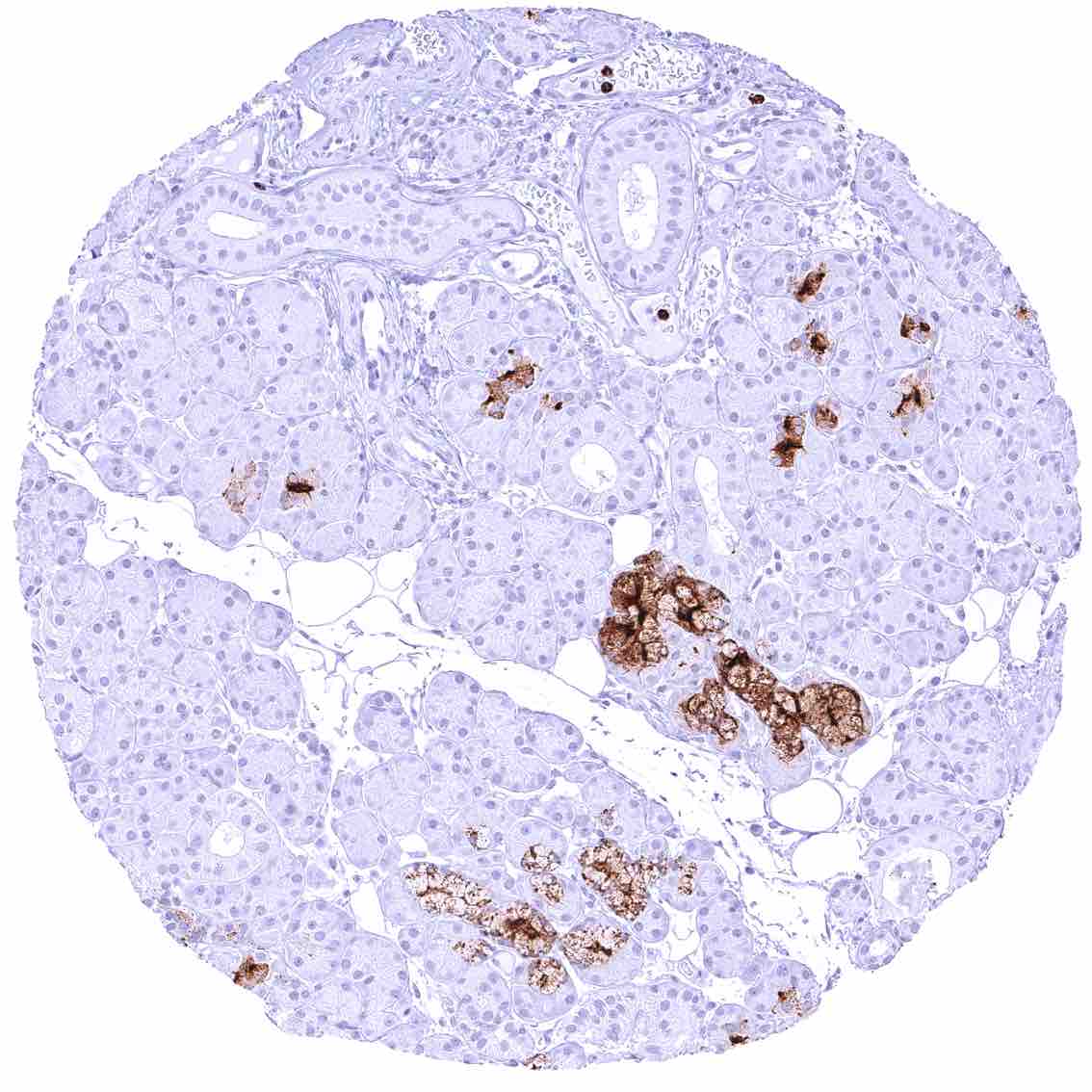
Submandibular gland – Distinct membranous and cytoplasmic CEACAM6 staining of mucinous glandular cells.
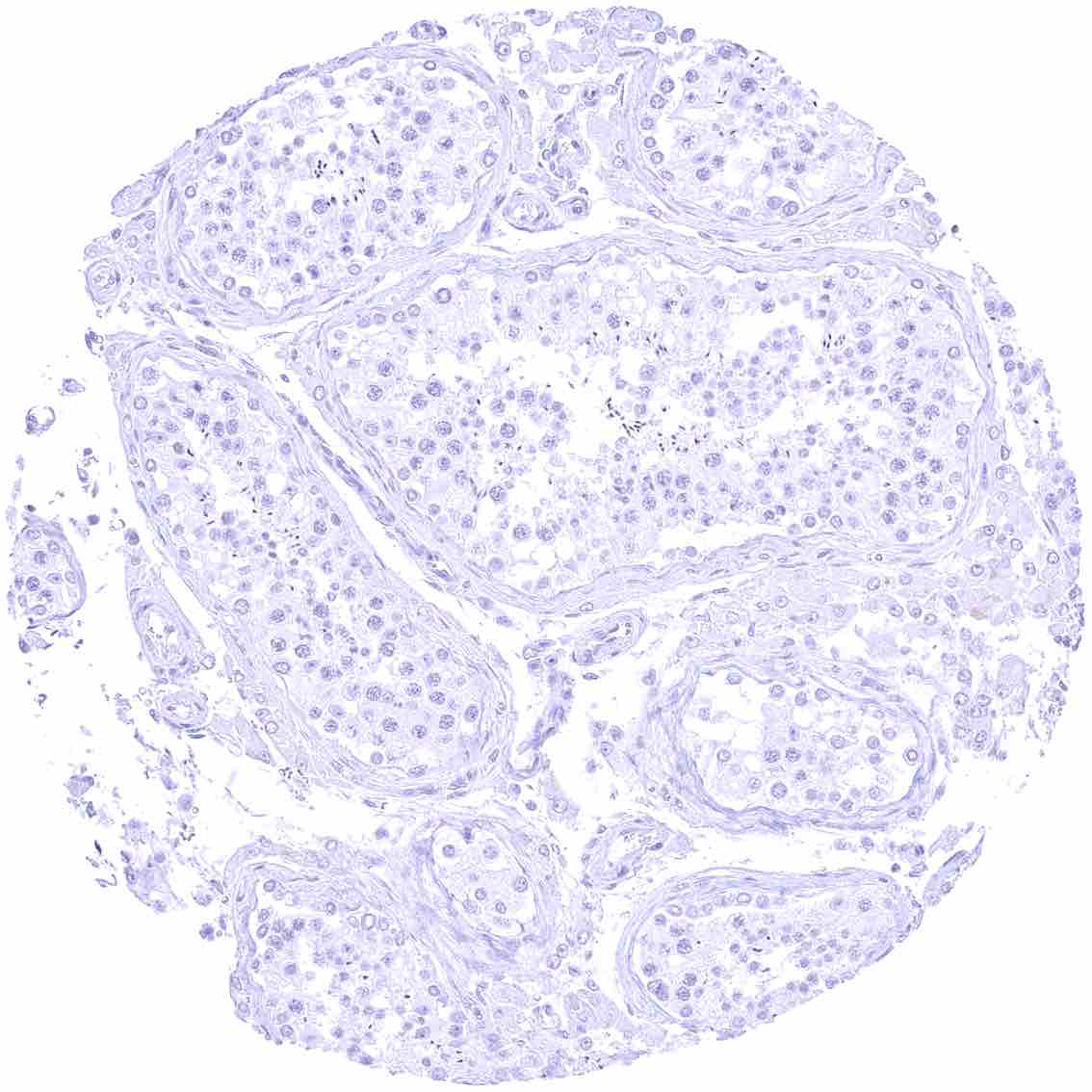
Testis
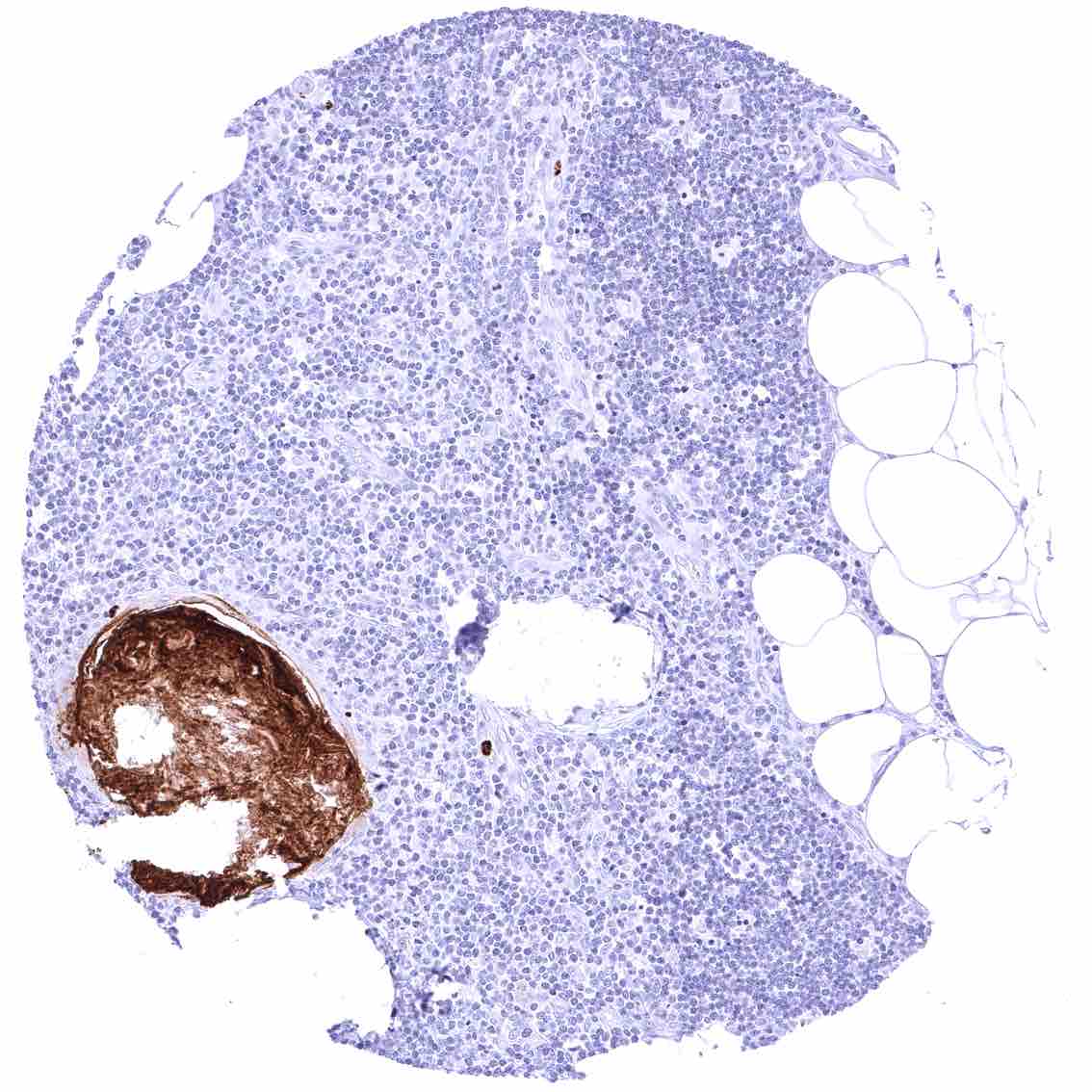
Thymus – Strong CEACAM6 staining of a corpuscle of Hassall’s.
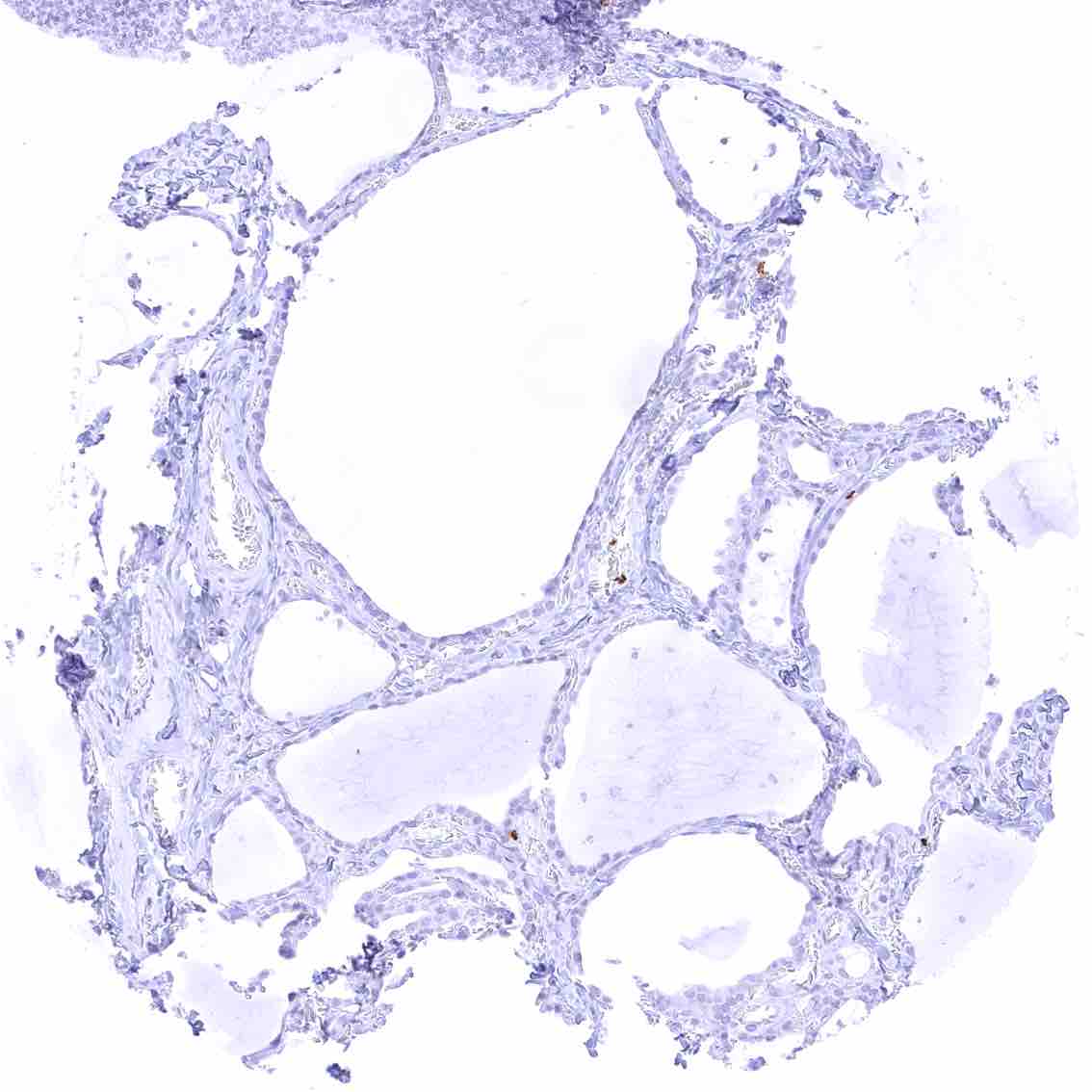
Thyroid gland
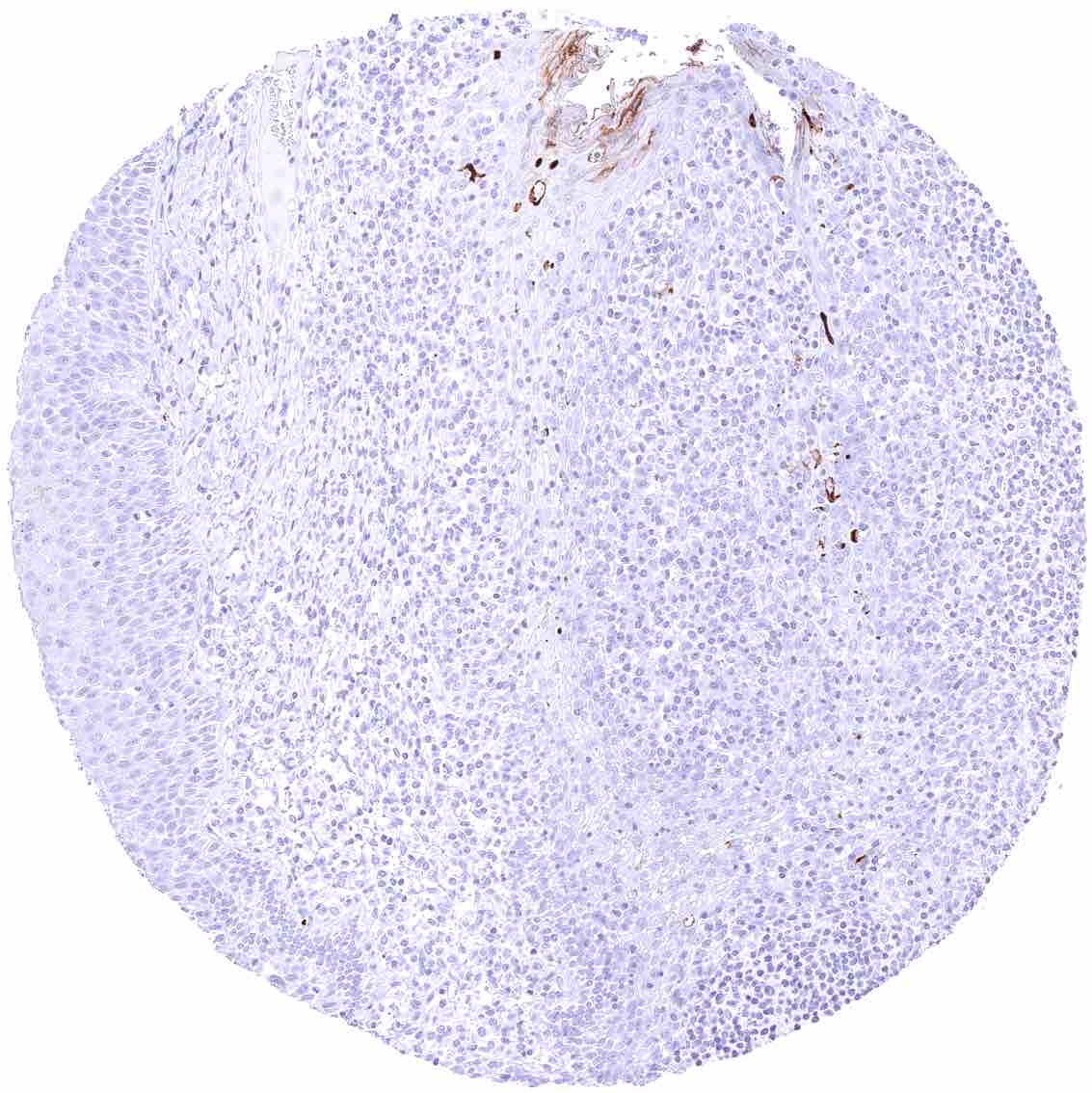
Tonsil – Weak to moderate membranous CEACAM6 staining of a fraction of squamous epithelial cells especially of the upper half of the epithelium.
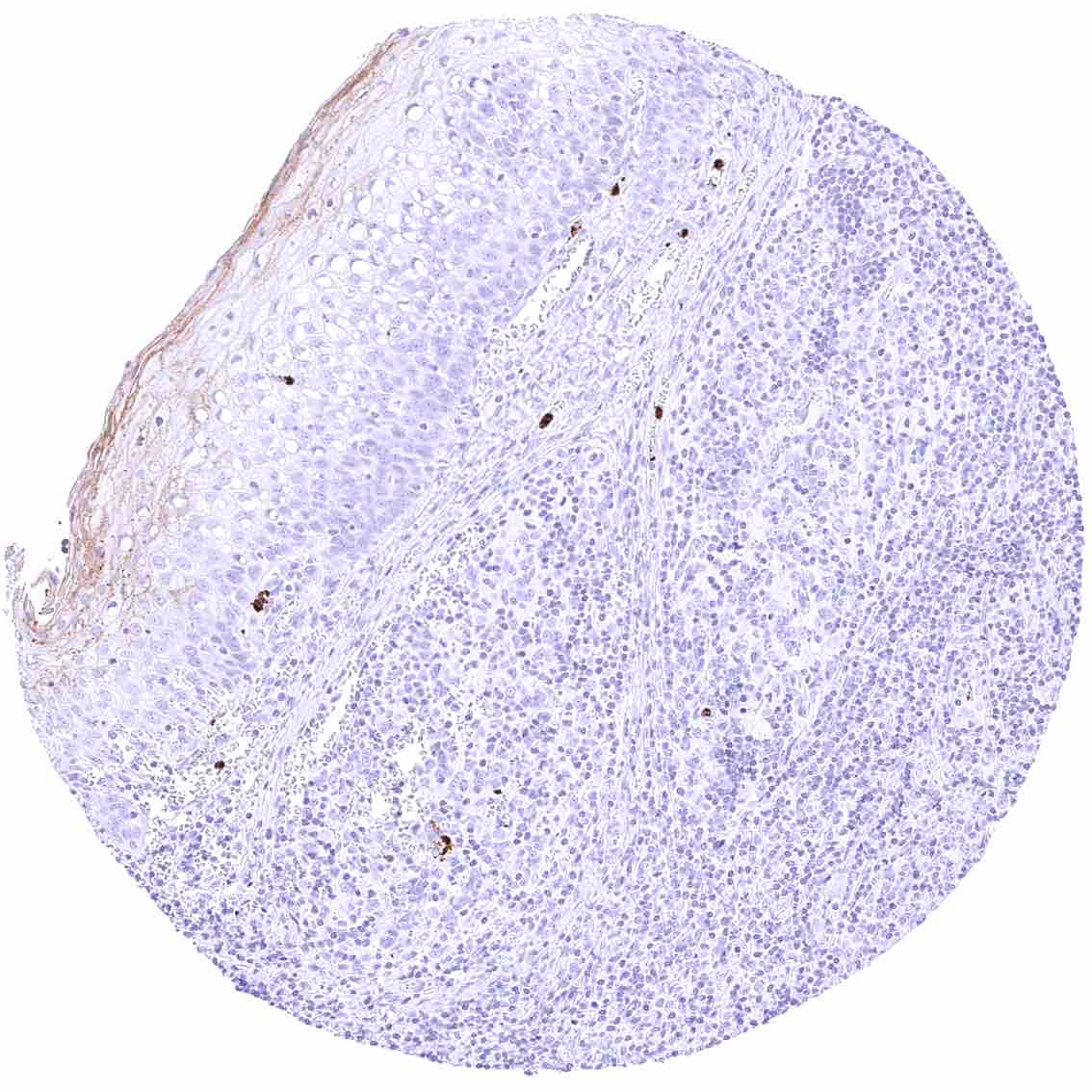
Tonsil, surface epithelium – Weak to moderate membranous CEACAM6 staining of a fraction of squamous epithelial cells especially of the upper half of the epithelium.
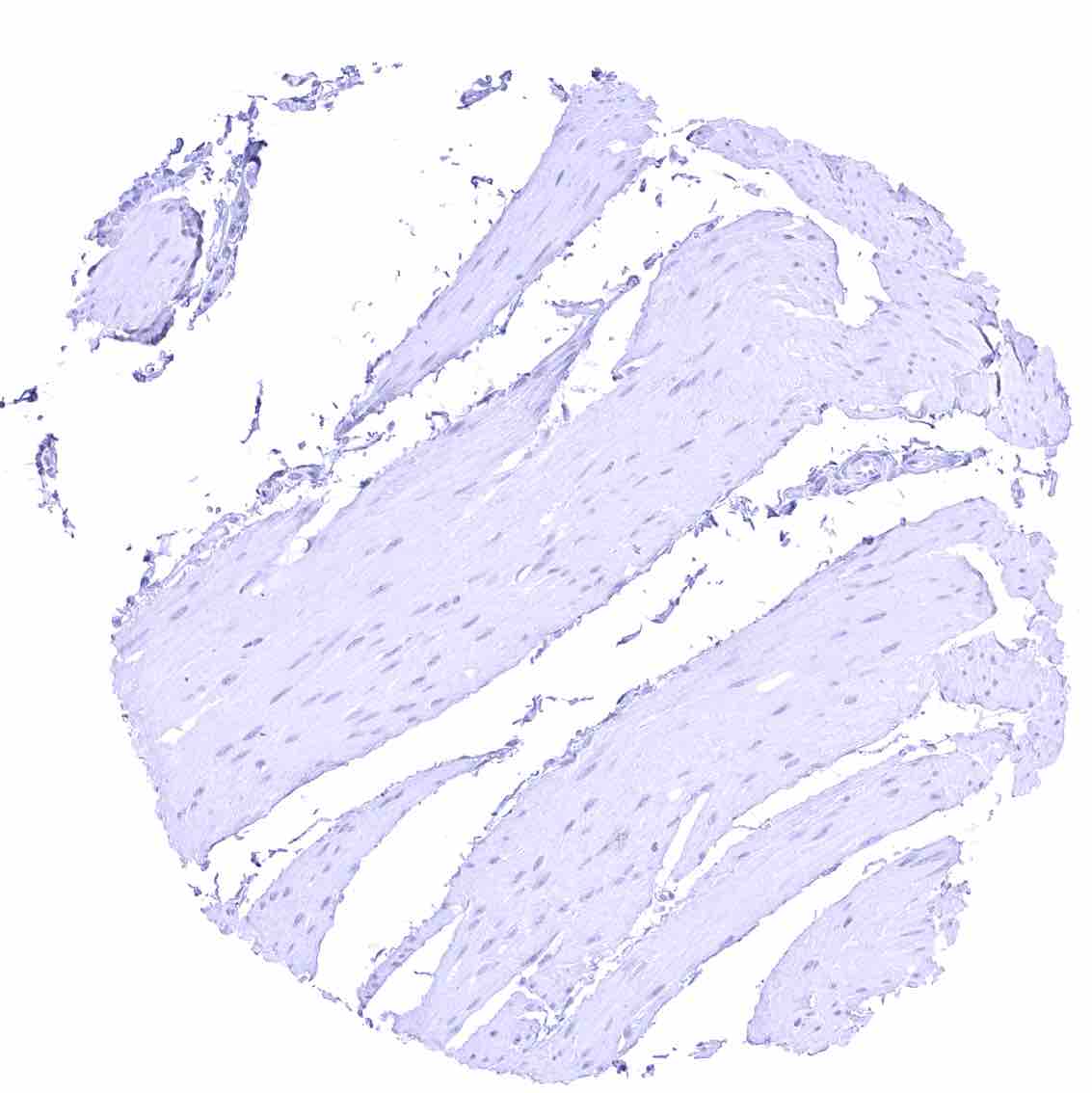
Urinary bladder, muscular wall
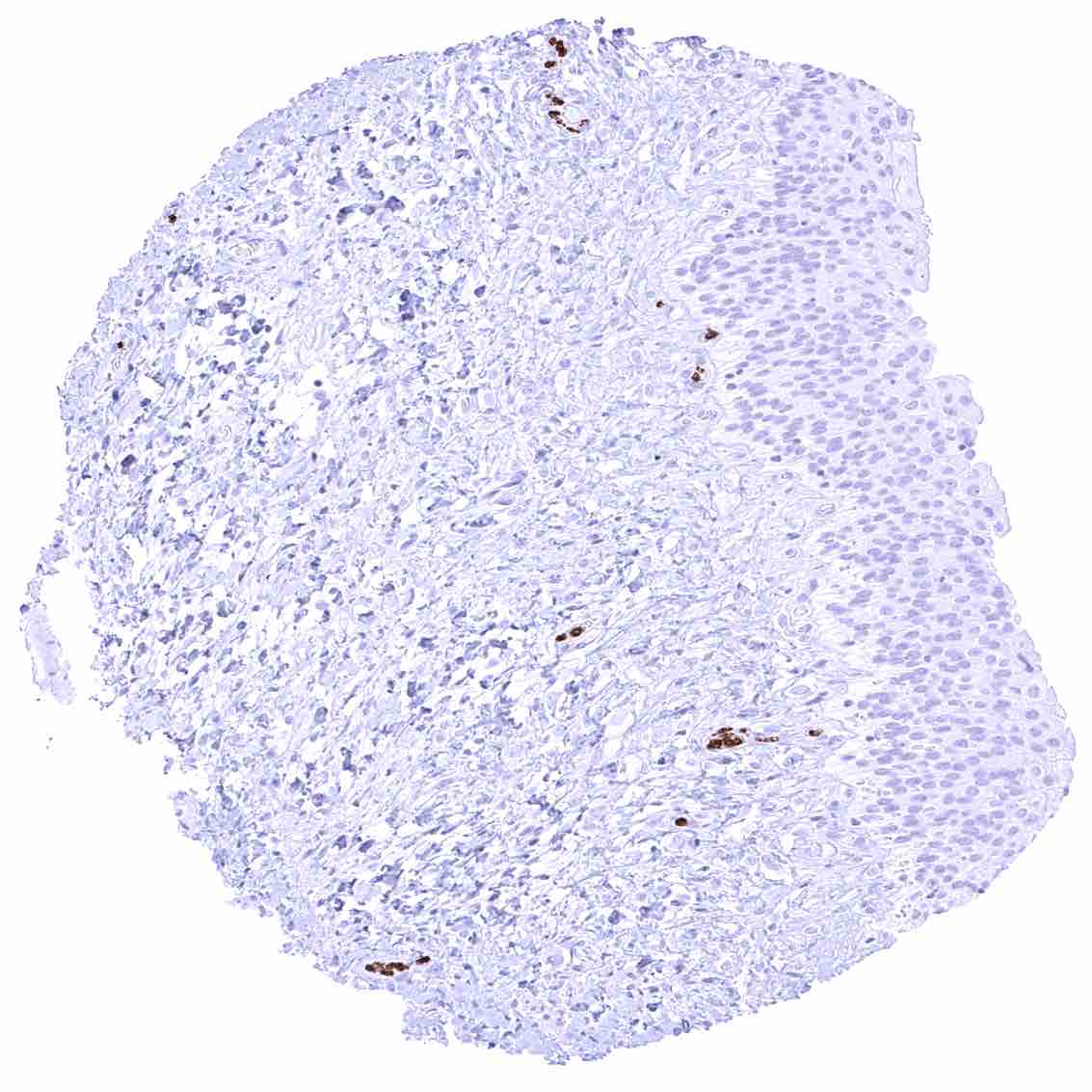
Urinary bladder, urothelium – Strong CEACAM6 staining of few inflammatory cells.
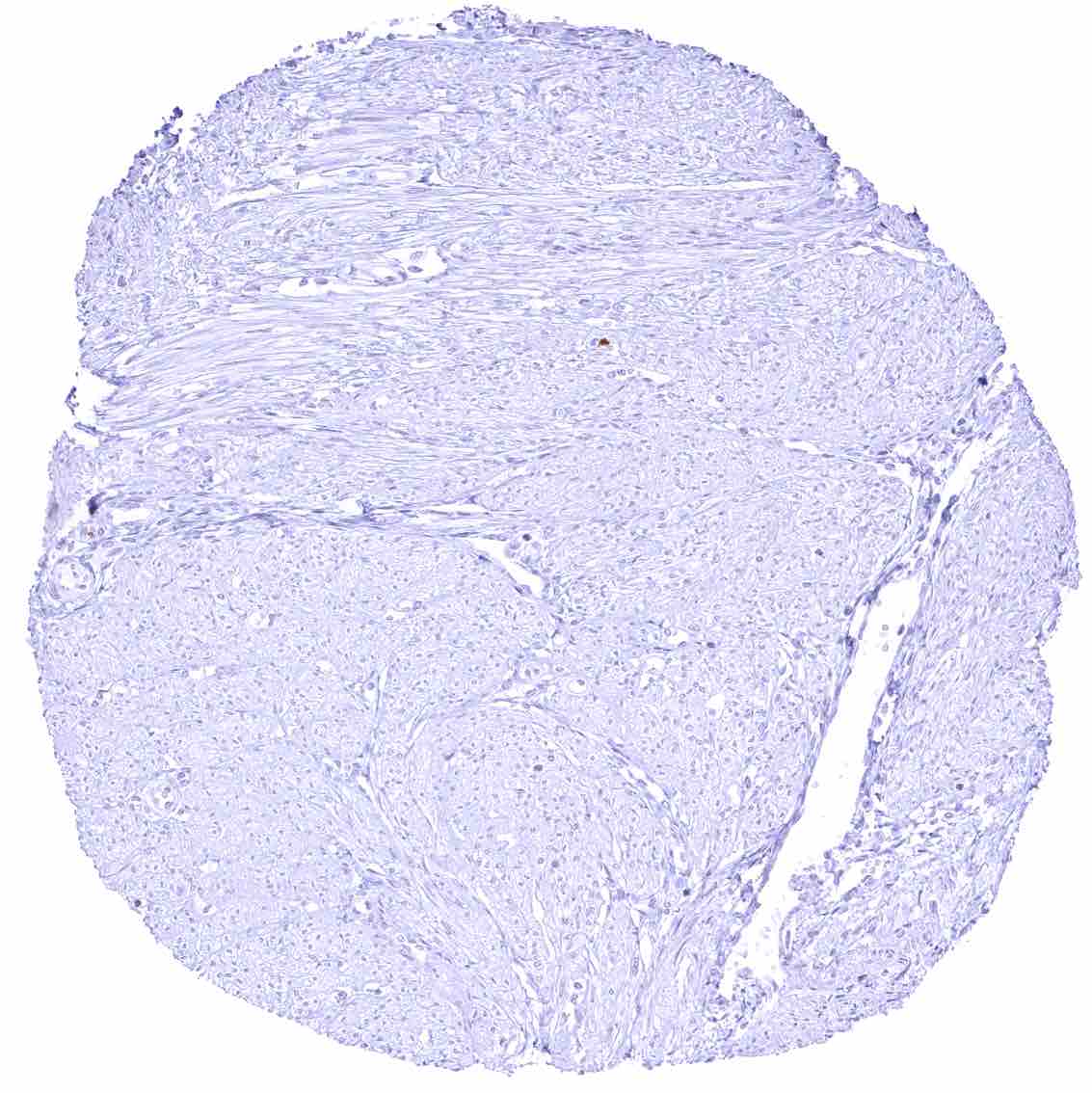
Uterus, myometrium
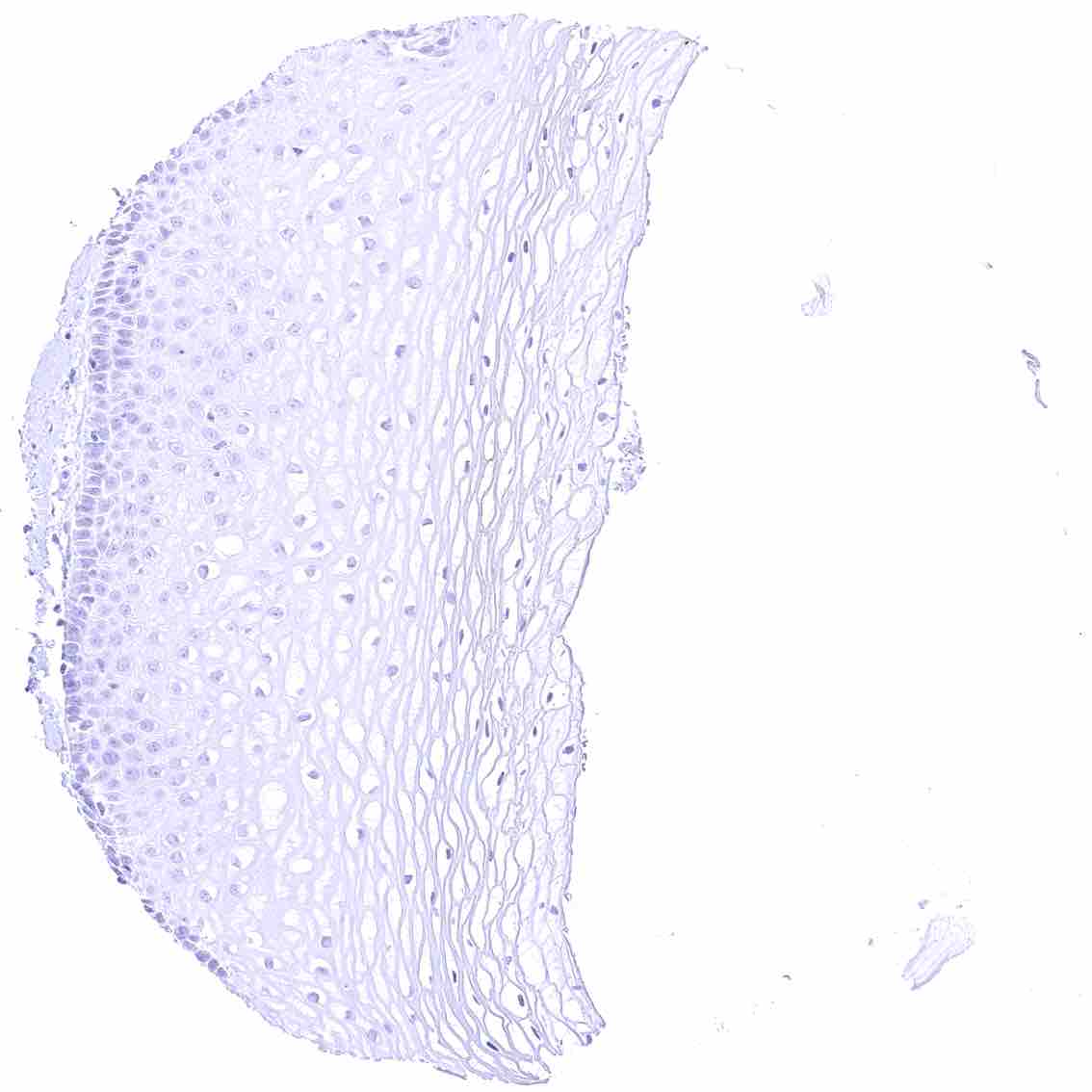
Uterus, ectocervix – Absence of CEACAM6 staining in this sample.
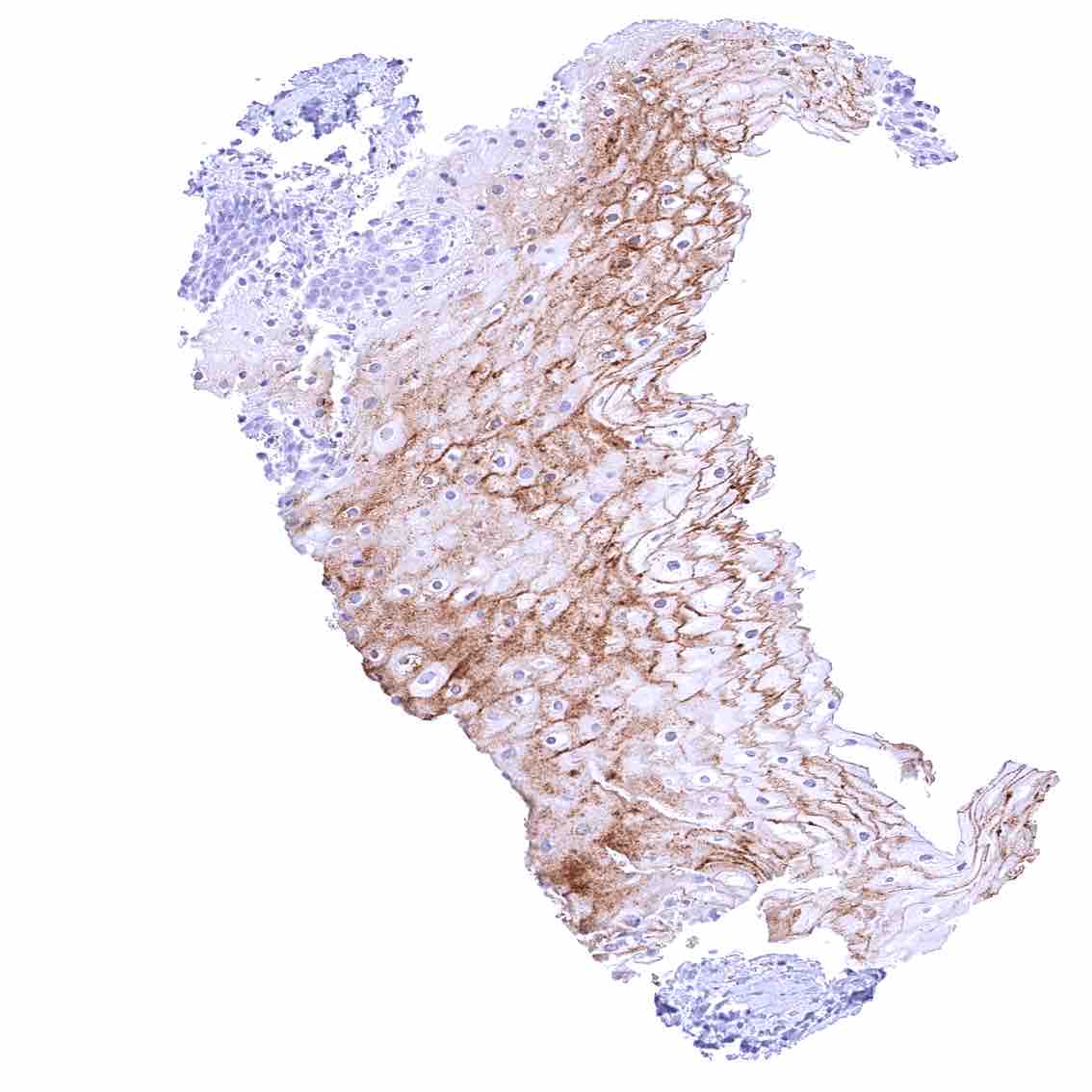
Uterus, ectocervix – Strong membranous CEACAM6 staining of squamous epithelial cells in this sample.
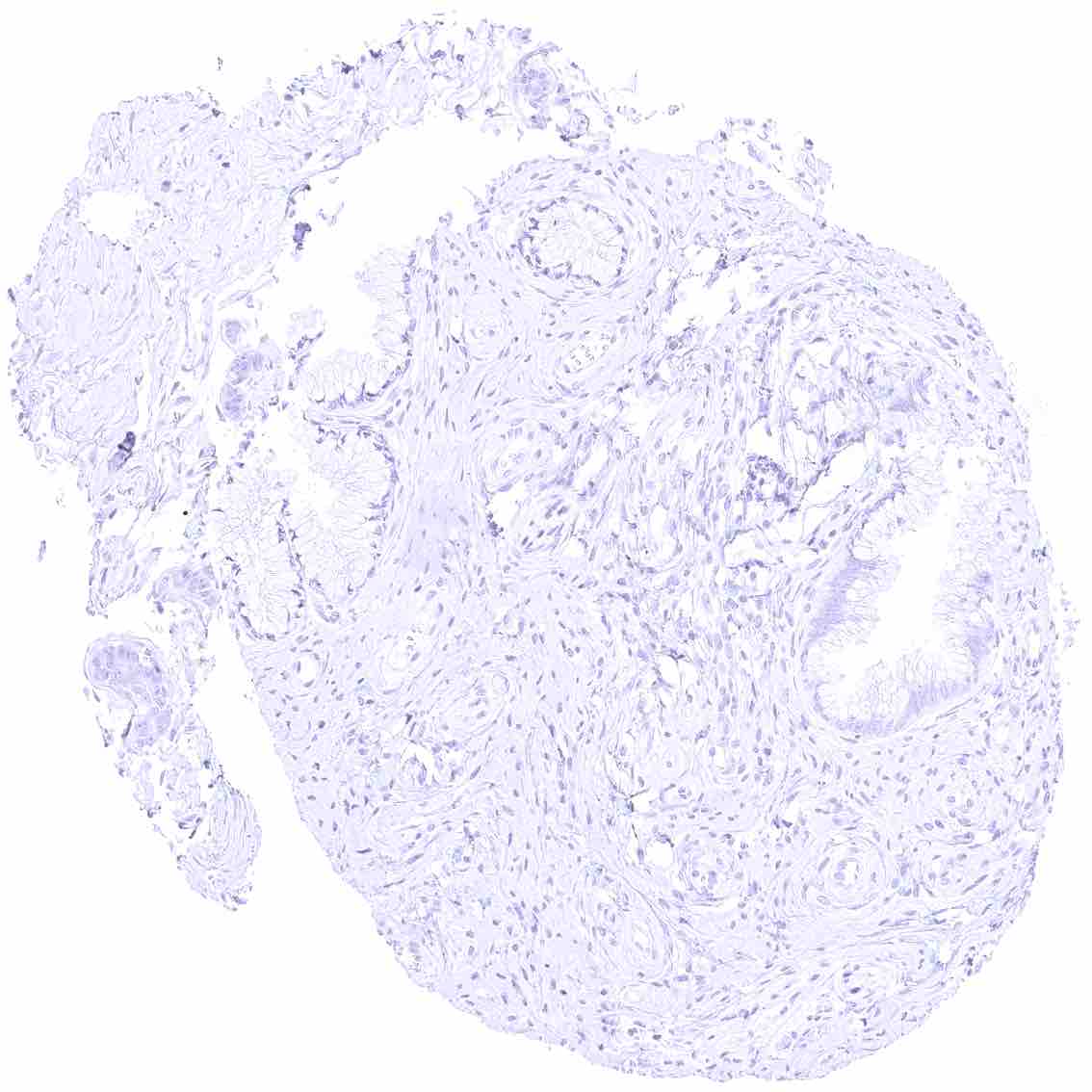
Uterus, endocervix
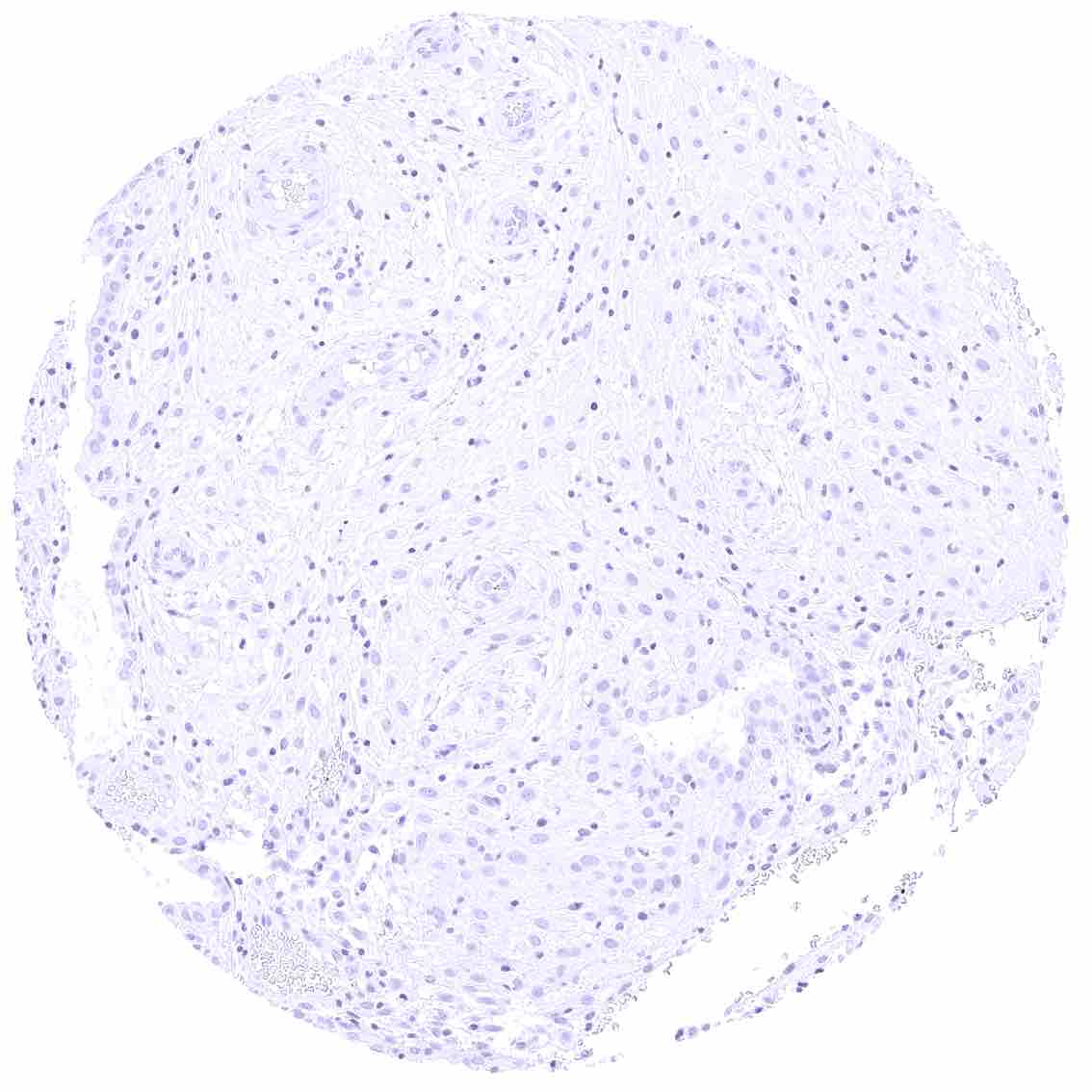
Uterus, endometrium (pregnancy)
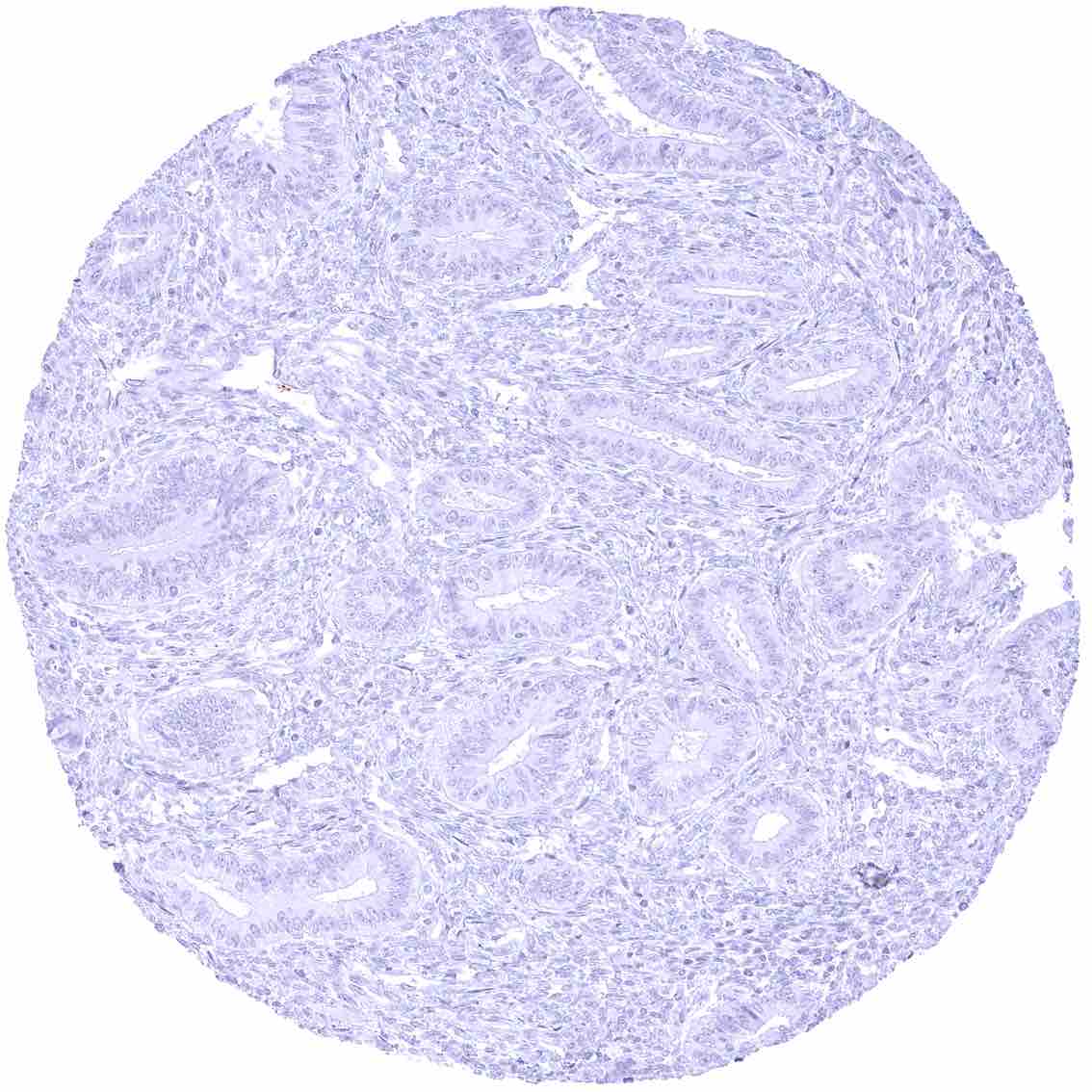
Uterus, endometrium (proliferation)