Login / Register
MS Validated Antibodies - Logo
  • About us
  • Products
    • Primary antibodies
    • Gallery
  • Distributors
  • Validation
    • Tissue Microarrays
  • Publications
    • Large Scale Studies
    • Further Publications
    • Events
    • Quiz
  • Contact
  • About us
  • Products
    • Primary antibodies
    • Gallery
  • Distributors
  • Validation
    • Tissue Microarrays
  • Publications
    • Large Scale Studies
    • Further Publications
    • Events
    • Quiz
  • Contact
×

Normal Tissue Gallery PSMA

Path Created with Sketch.
Go to PSMA Cancer Tissue GalleryGo back to Product Page
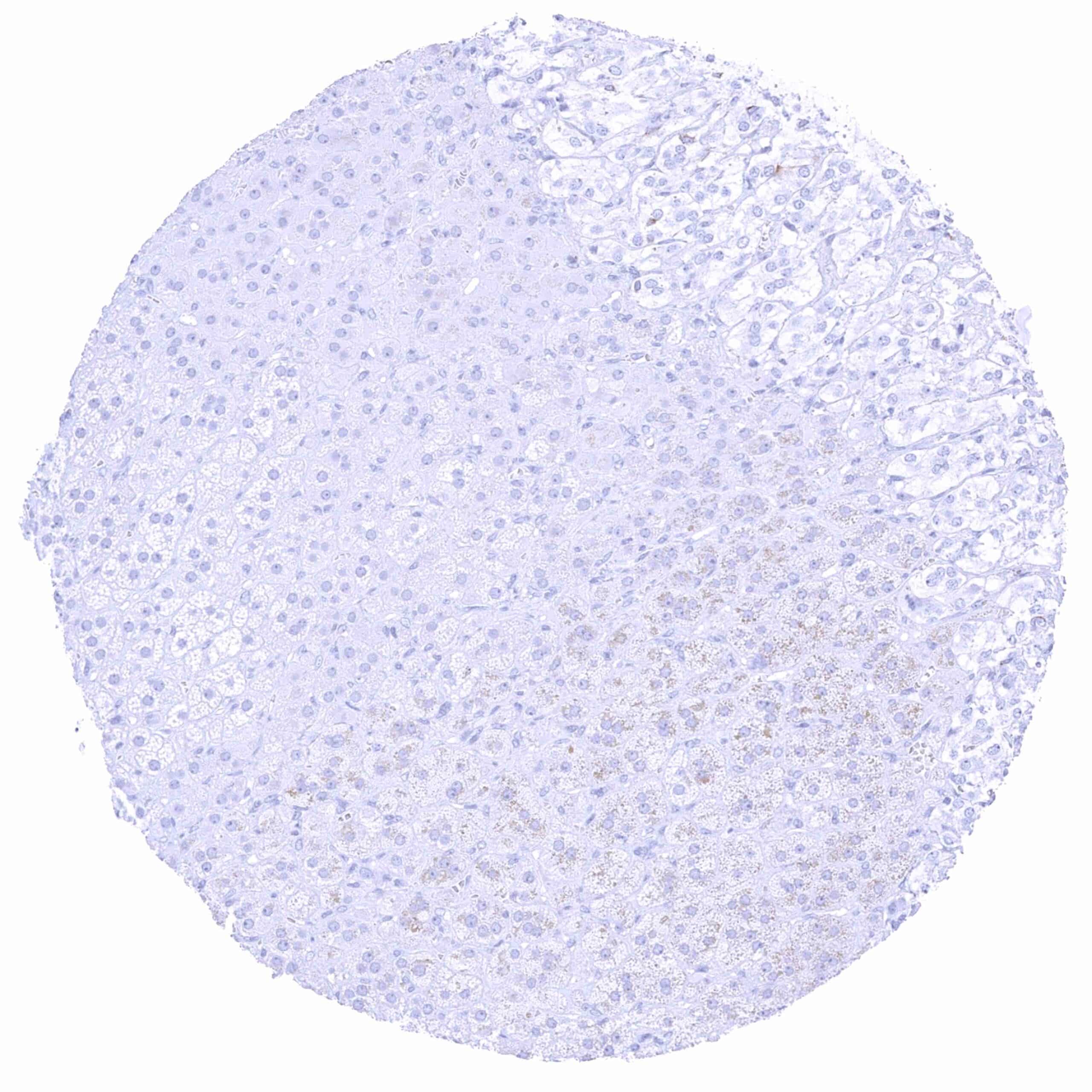
Adrenal gland
Adrenal gland
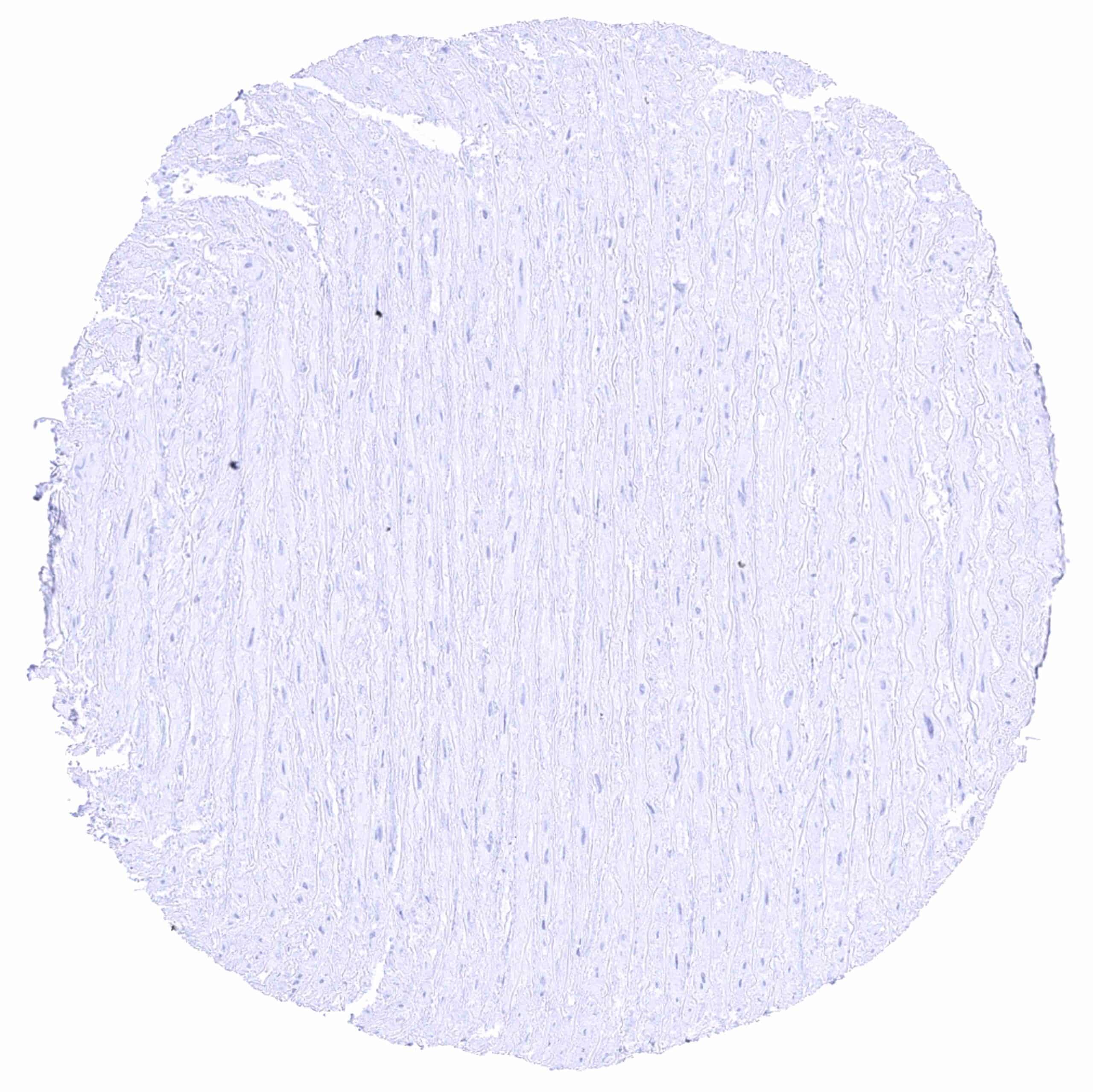
Aorta, media
Aorta, media
Appendix, mucosa
Appendix, mucosa
Appendix, muscular wall
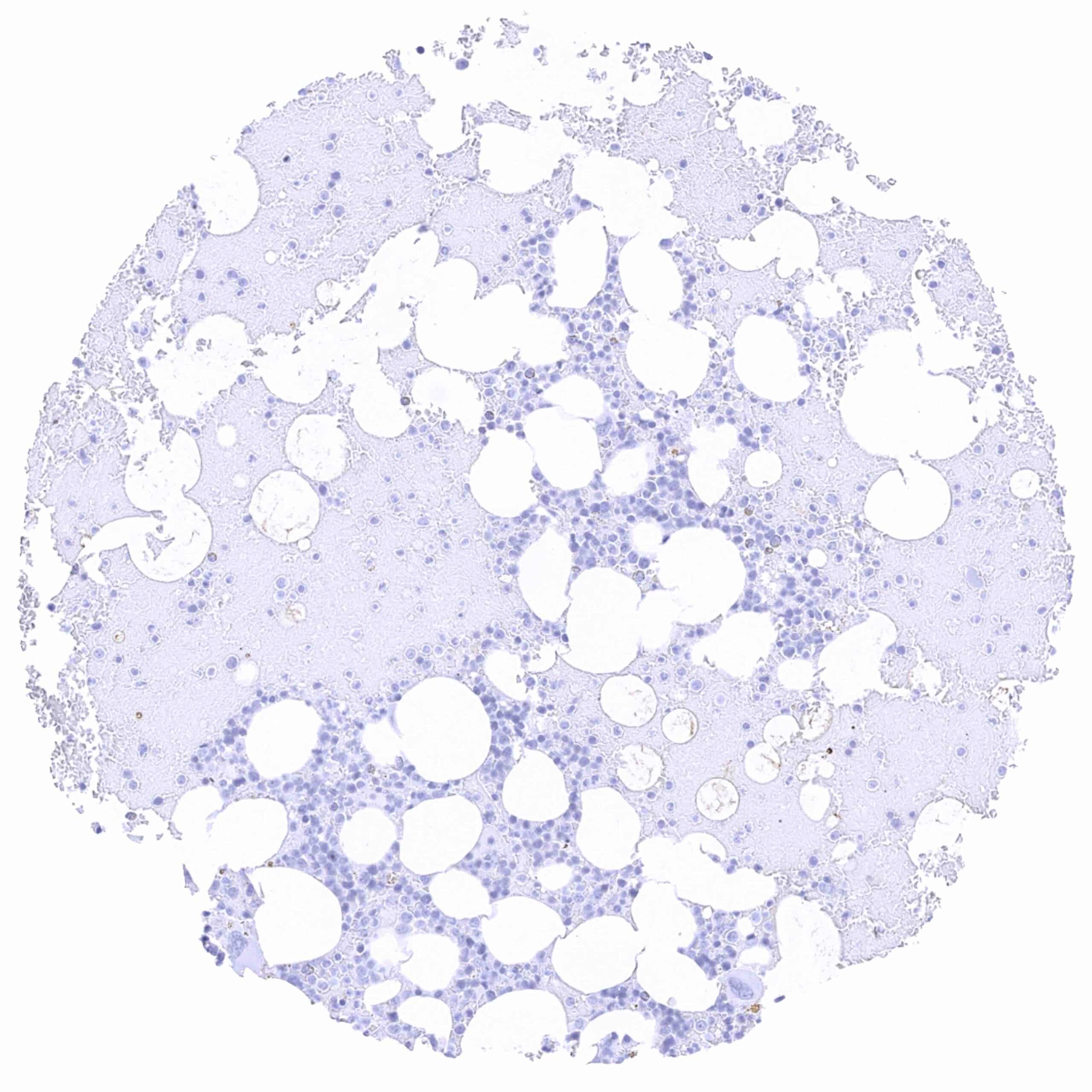
Bone marrow
Bone marrow
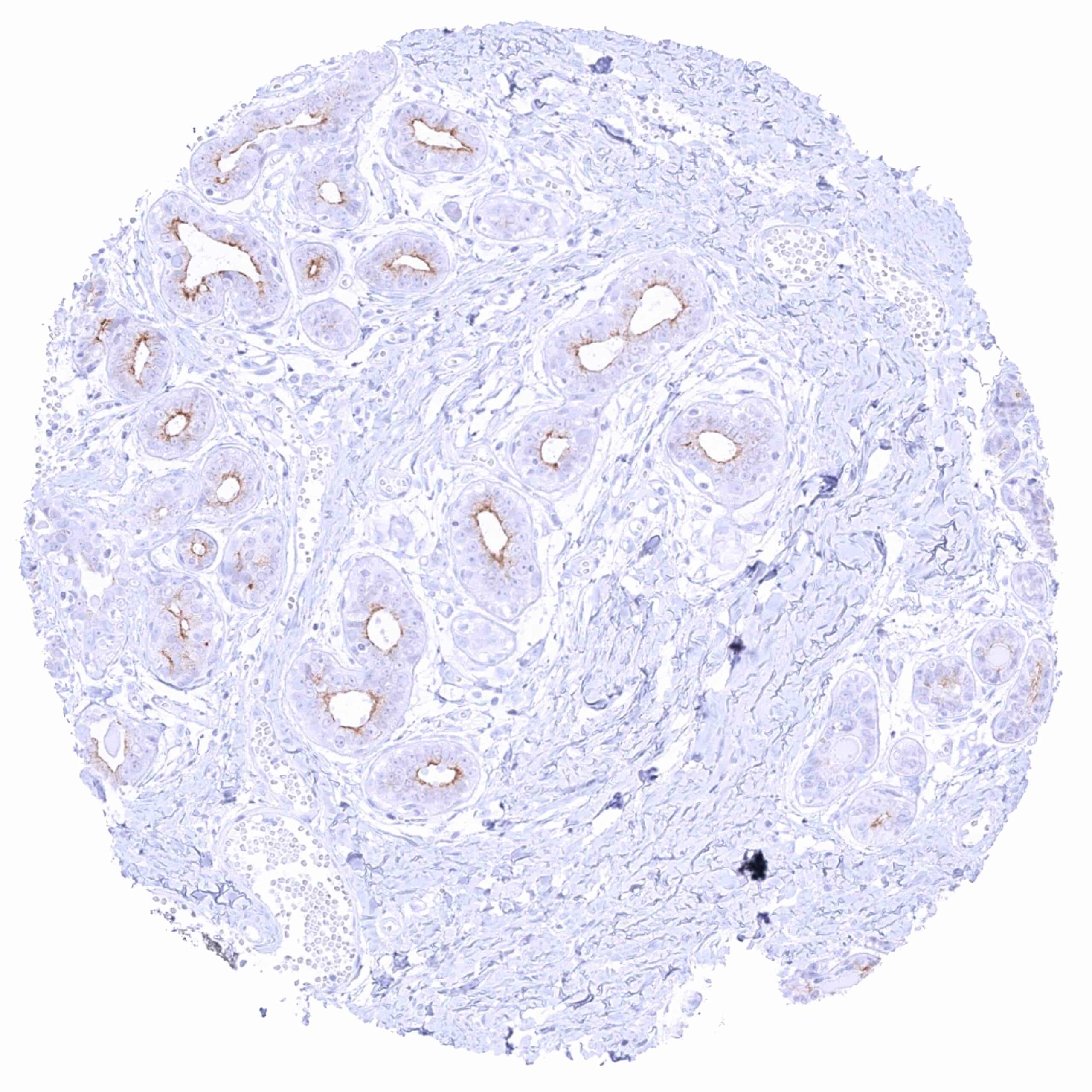
Breast – Weak to moderate apical membranous and faint cytoplasmic staining of luminal glandular cells.
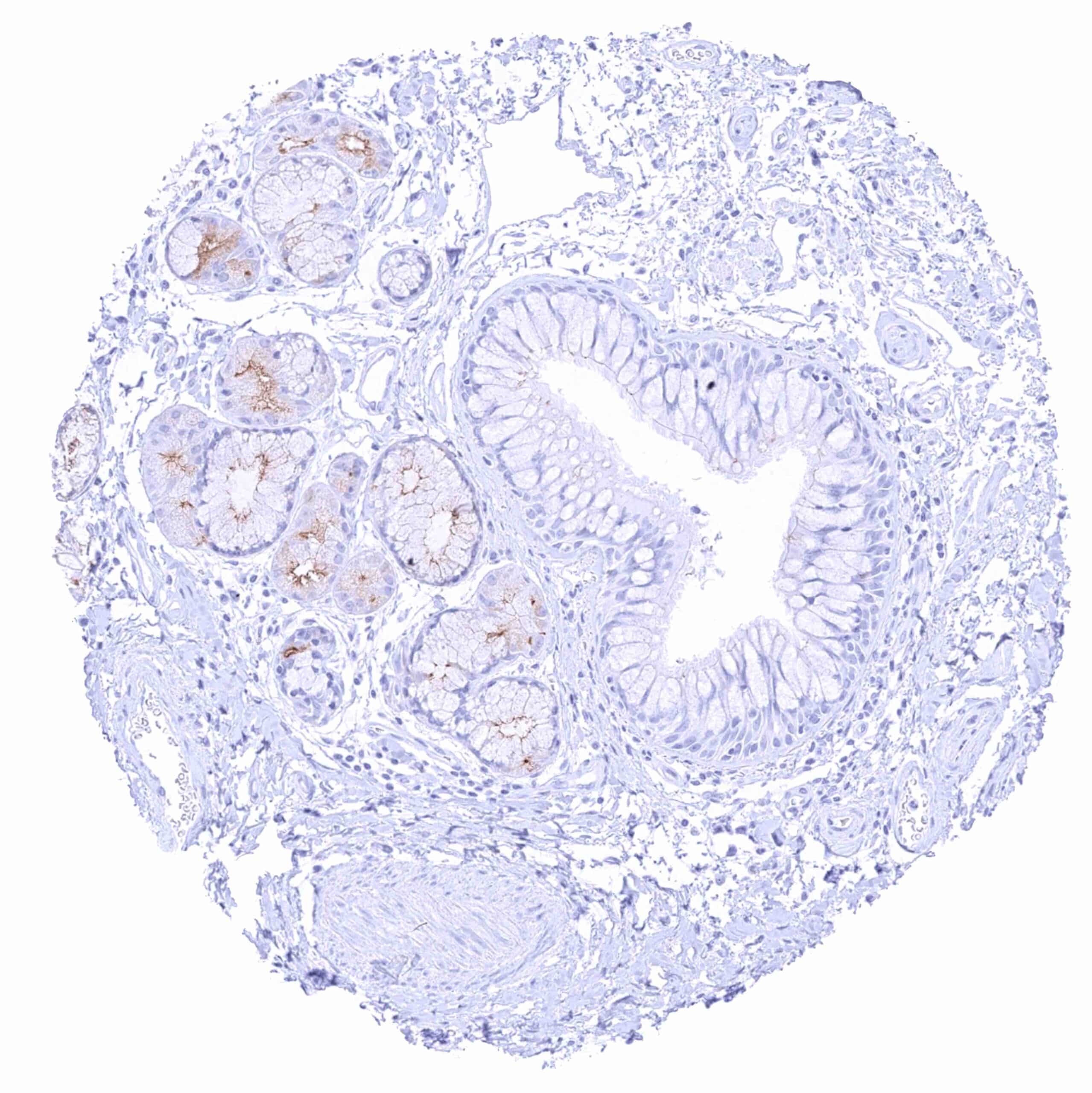
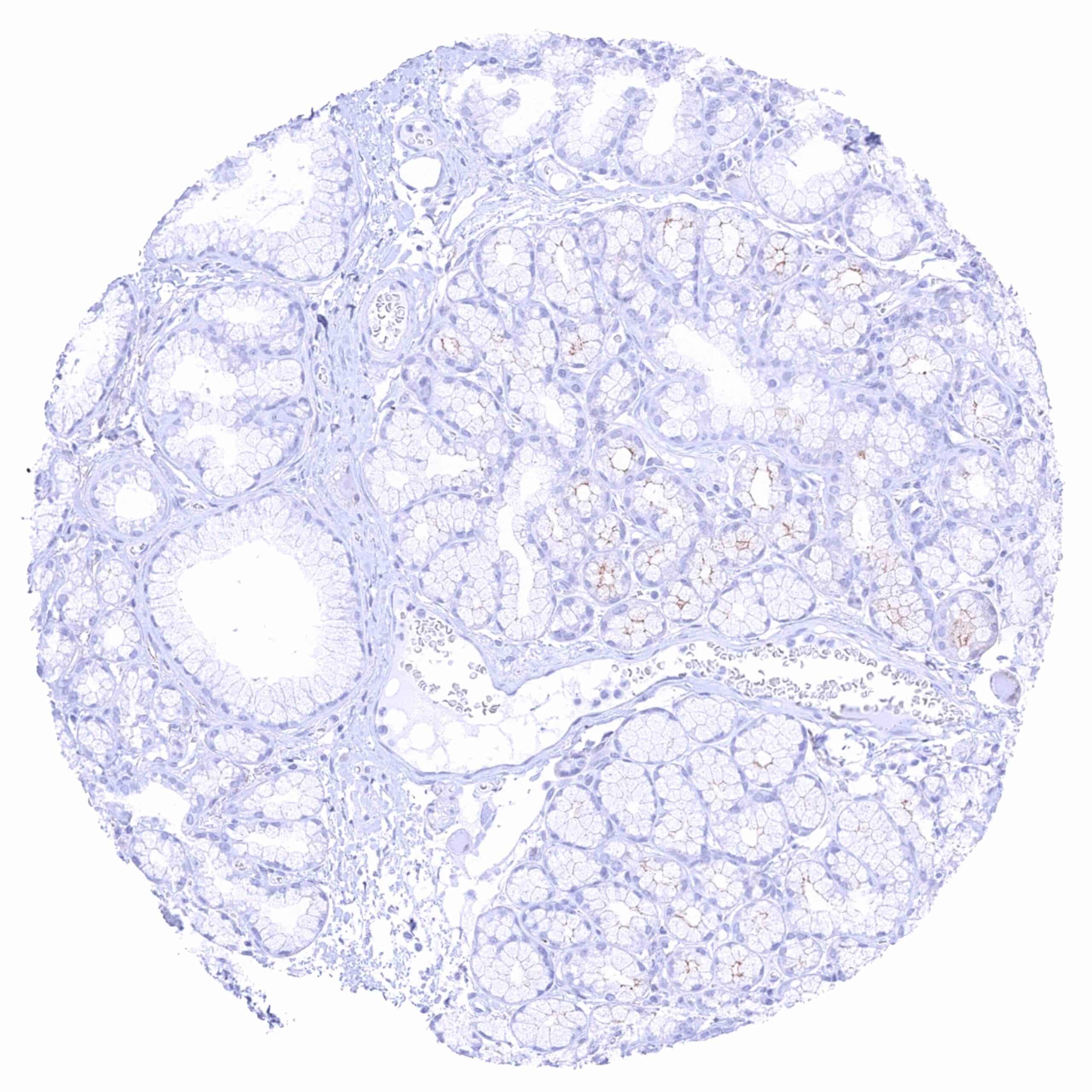
Bronchus, glands – Weak to moderate PSMA staining (membranous apical and cytoplasmic) of bronchial glands.
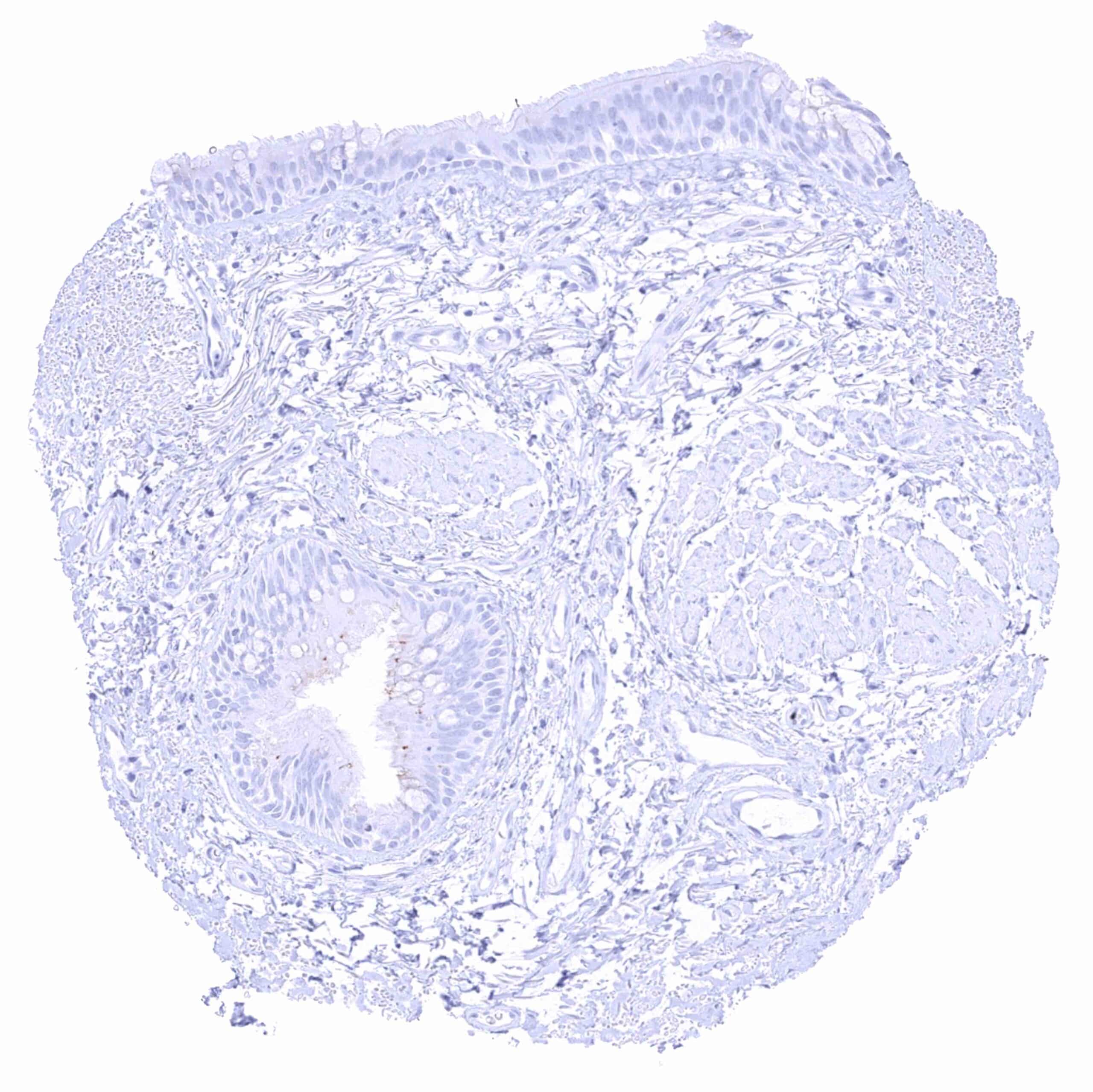
Bronchus, mucosa
Bronchus, mucosa
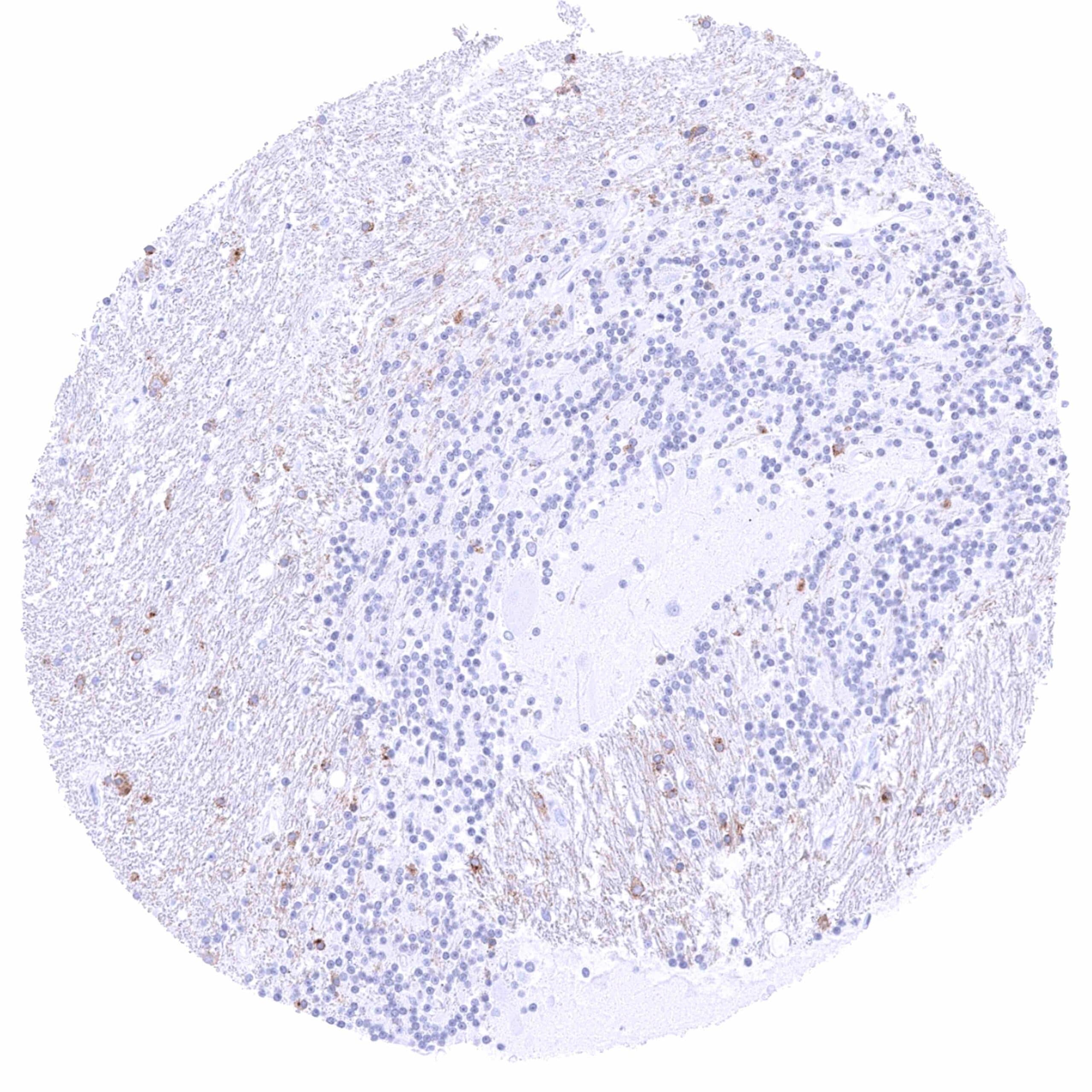
Cerebellum, cortex (molecular layer, Purkinje cell layer, granule cell layer, white matter) – Distinct membranous staining of at least a fraction of glia cells in the white layer. Weak fibrillar PSMA staining in the white matter
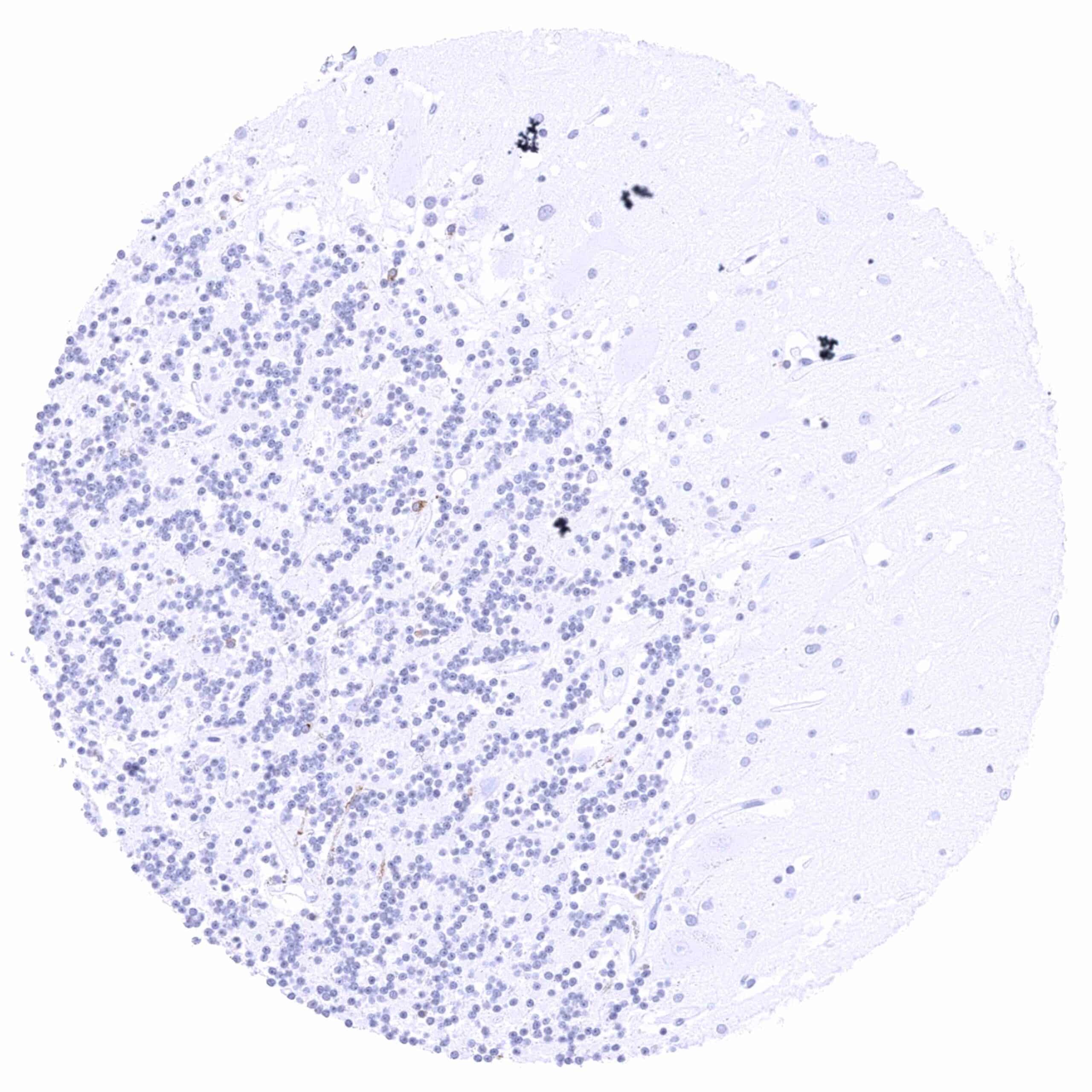
Cerebellum, cortex (molecular layer, Purkinje cell layer, granule cell layer)
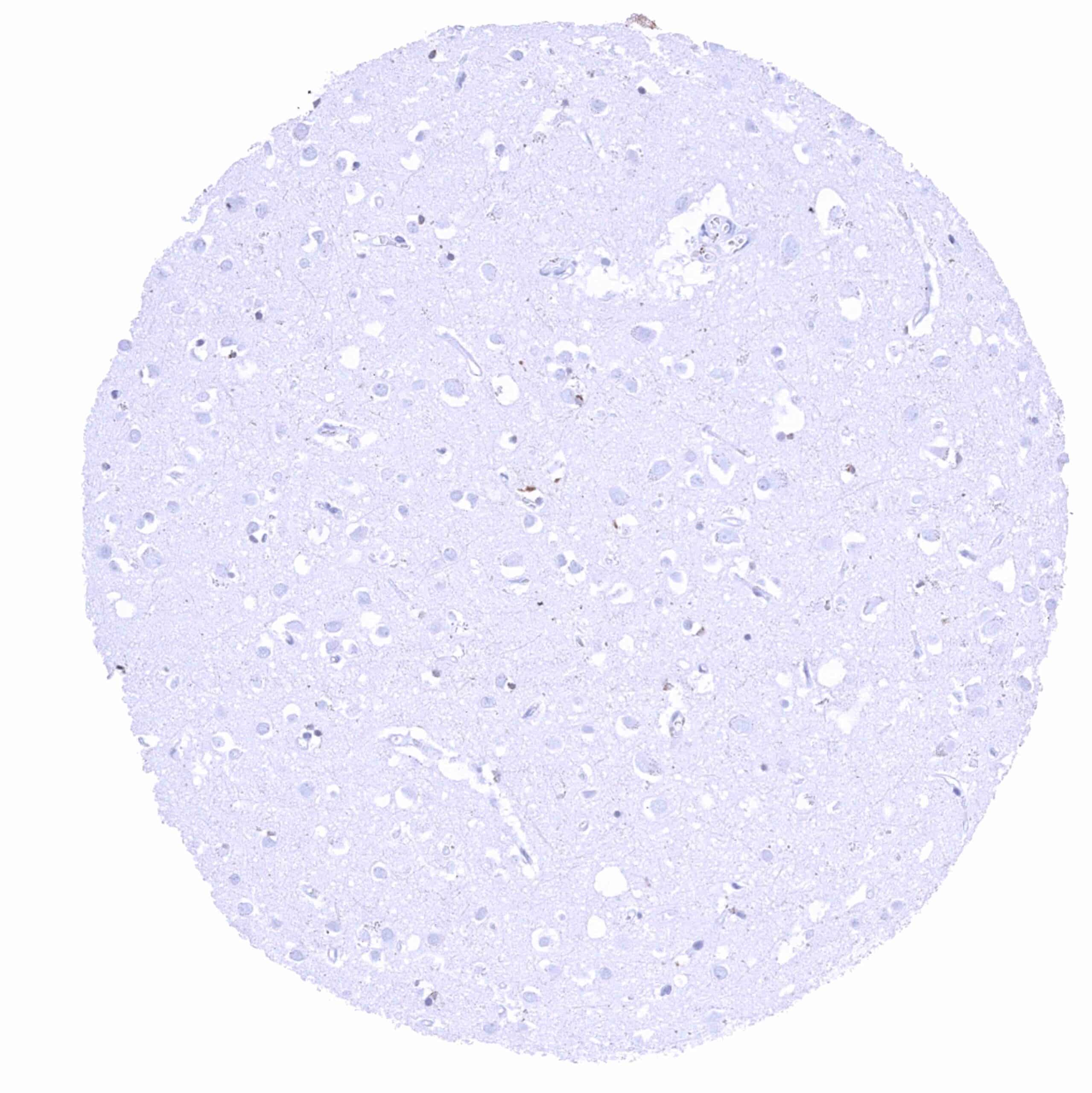
Cerebrum, grey matter
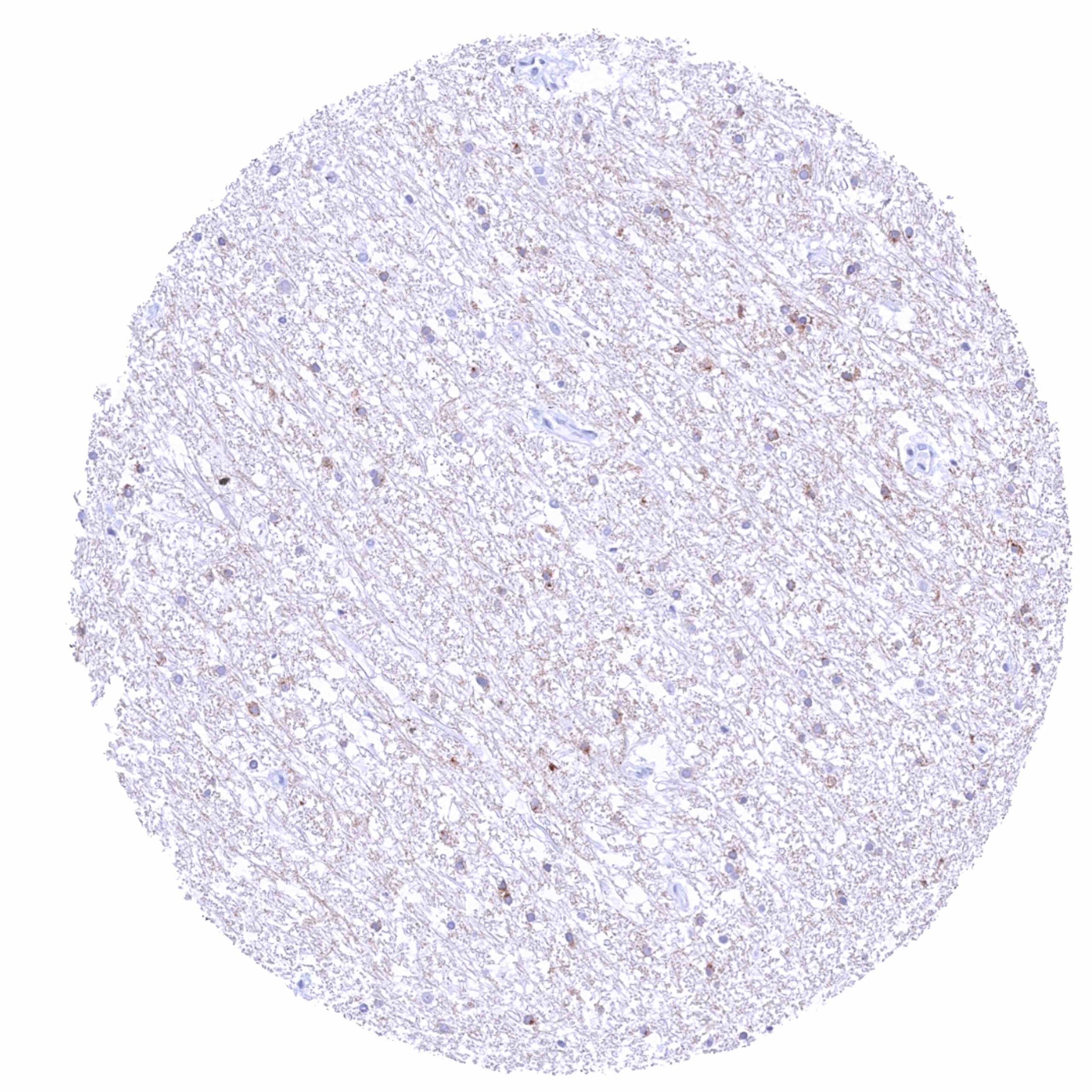
Cerebrum, white matter – Distinct membranous PSMA staining of at least a fraction of glia cells. Weak to moderate fibrillar PSMA staining.
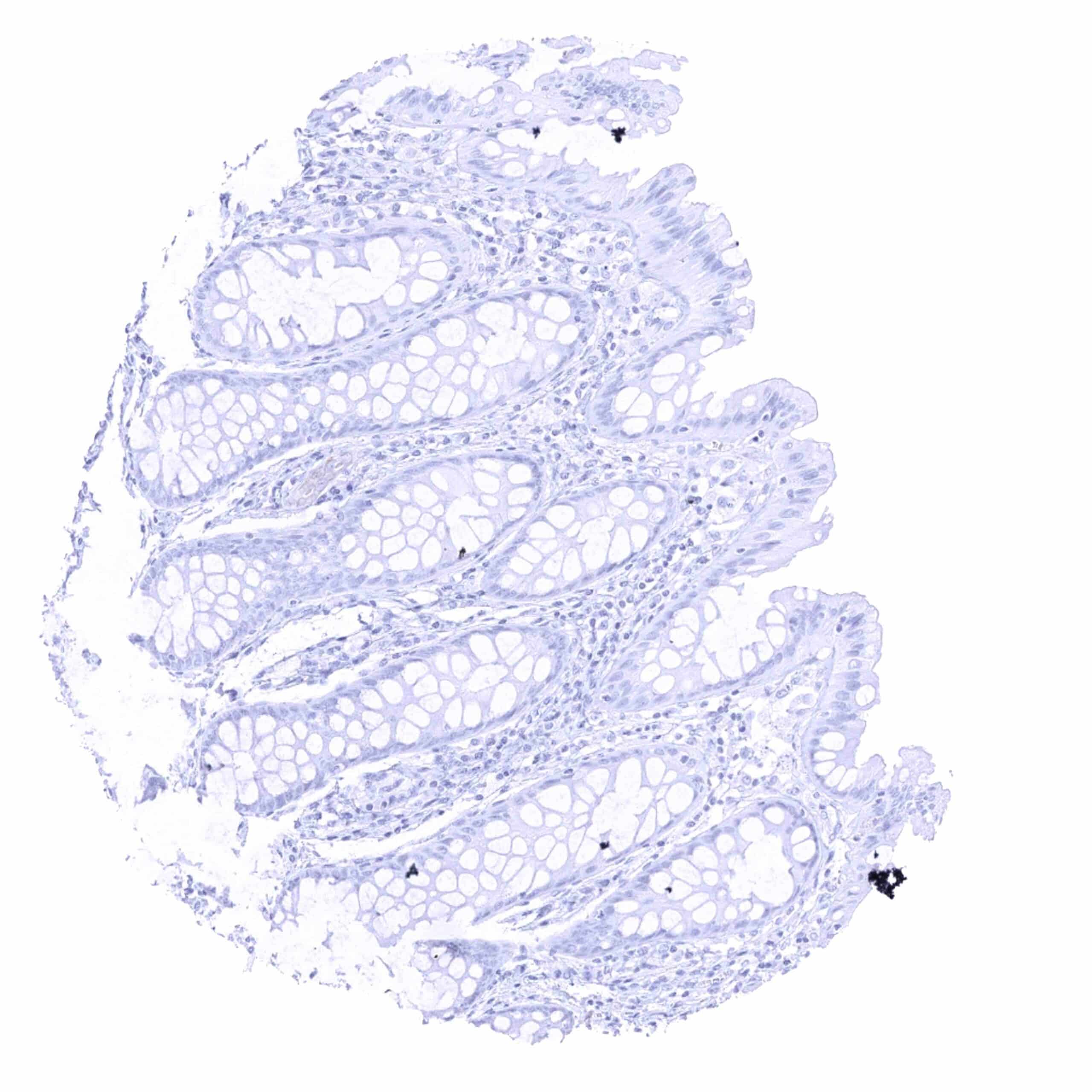
Colon descendens, mucosa.jpeg
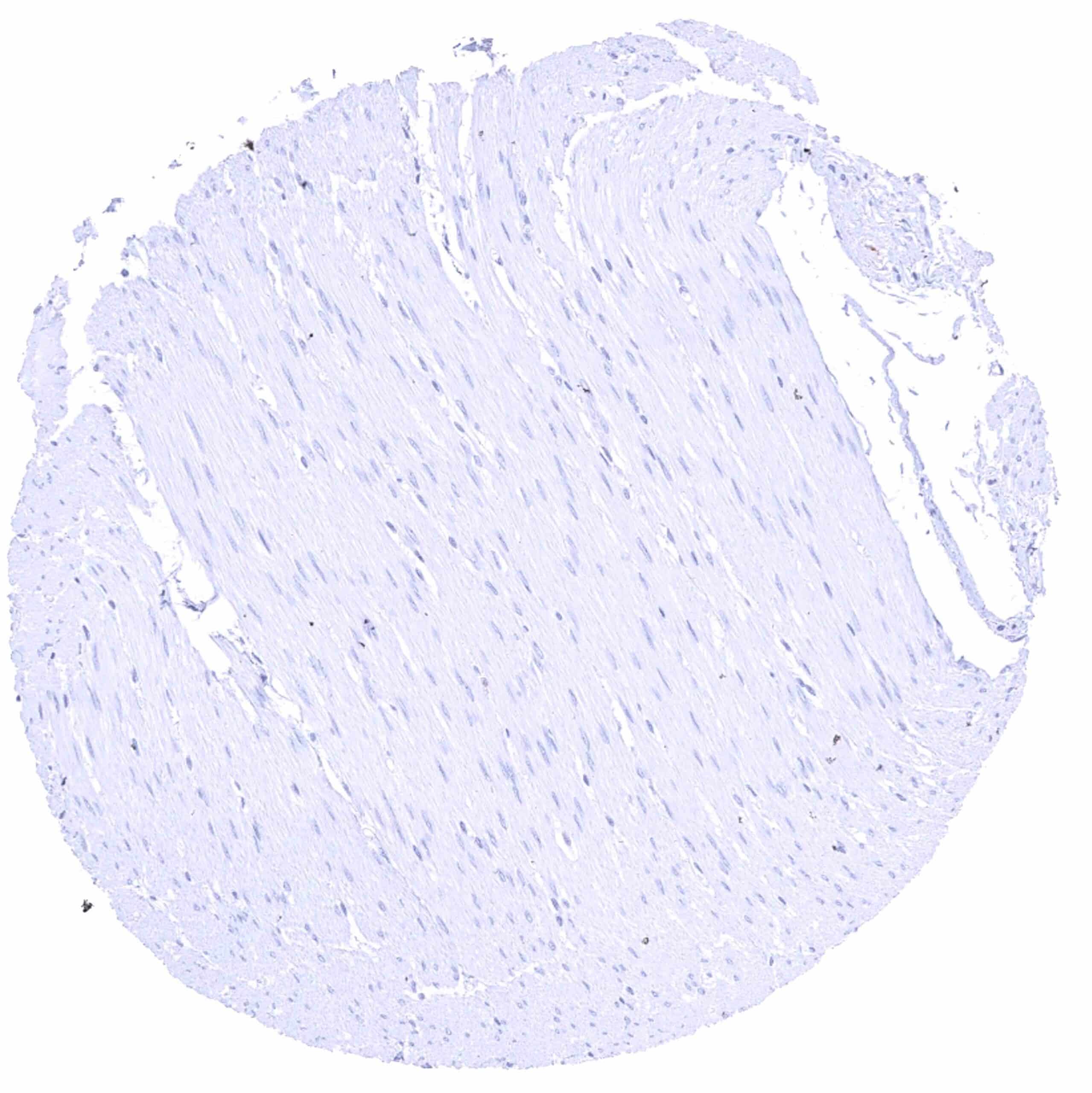
Colon descendens, mucosa
Colon descendens, muscular wall
Duodenum, Brunner gland – Weak PSMA staining of a fraction of glandular cells, predominantly at the apical membrane.
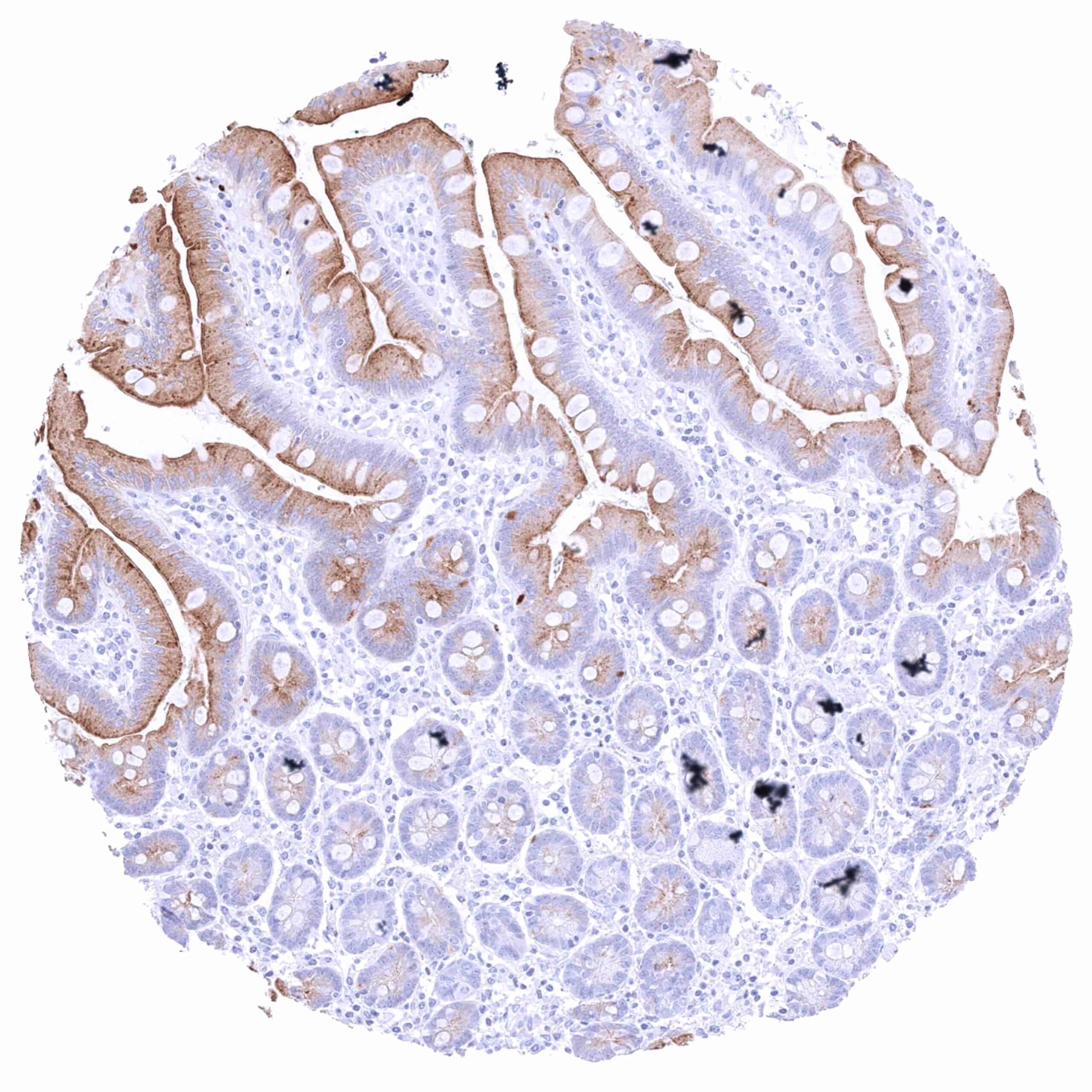
Duodenum, mucosa – Intense PSMA staining of the luminal membranes – stronger on the surface of villi than in the crypt base. The cytoplasm is also PSMA positive especially on the luminal half.
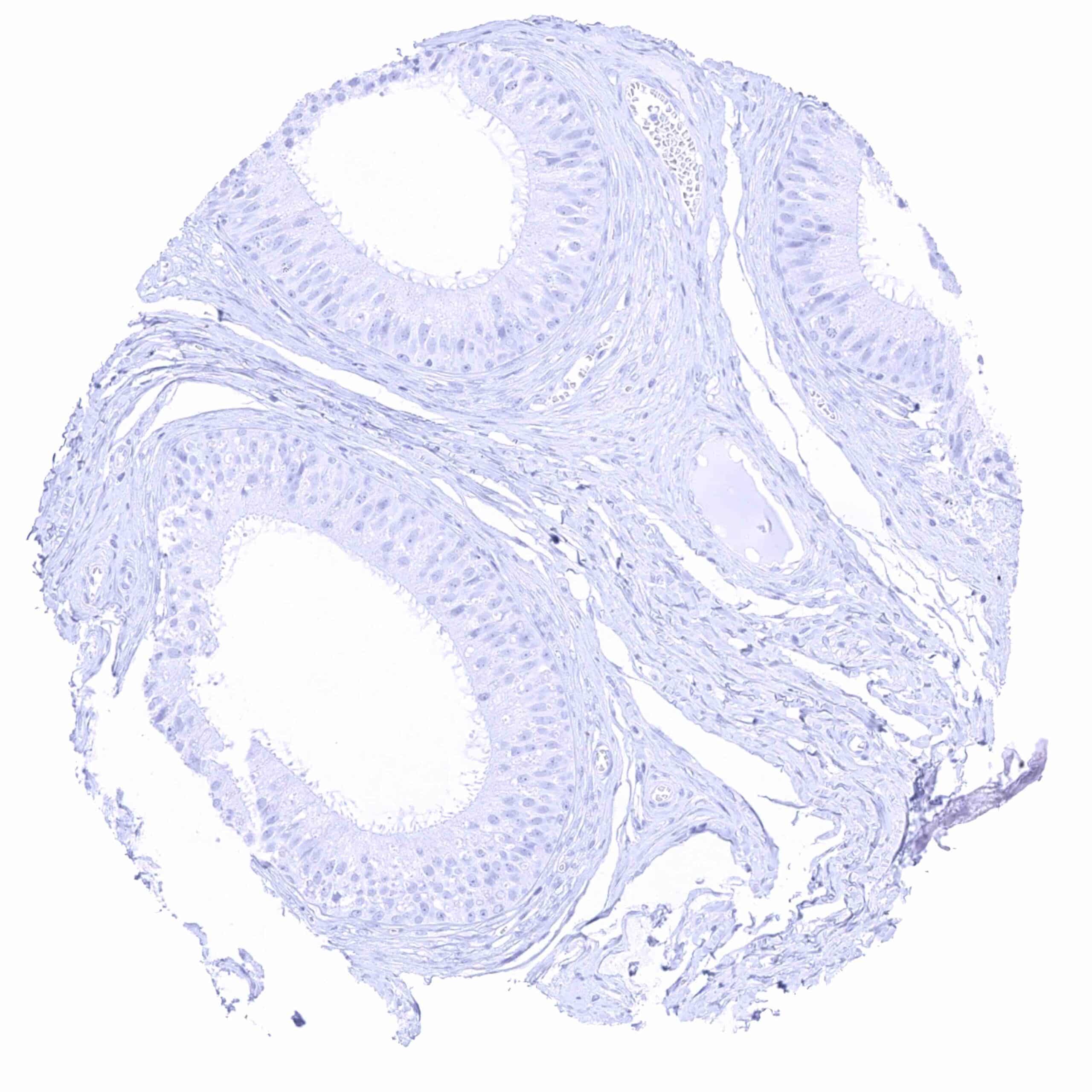
Epididymis (Caput)
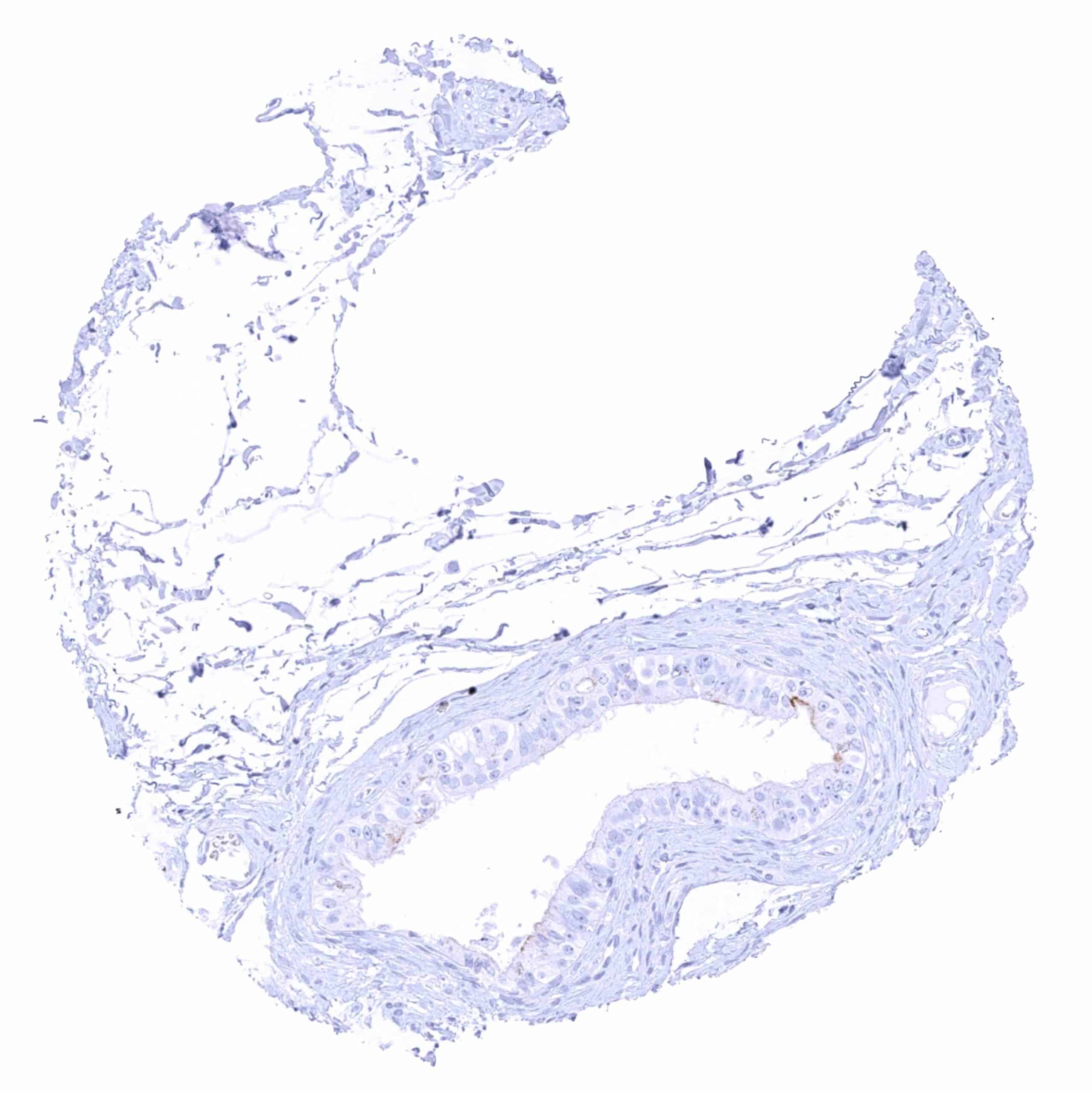
Epididymis (Caput)
Epididymis (Cauda) – Focal weak to moderate apical membranous PSMA staining.
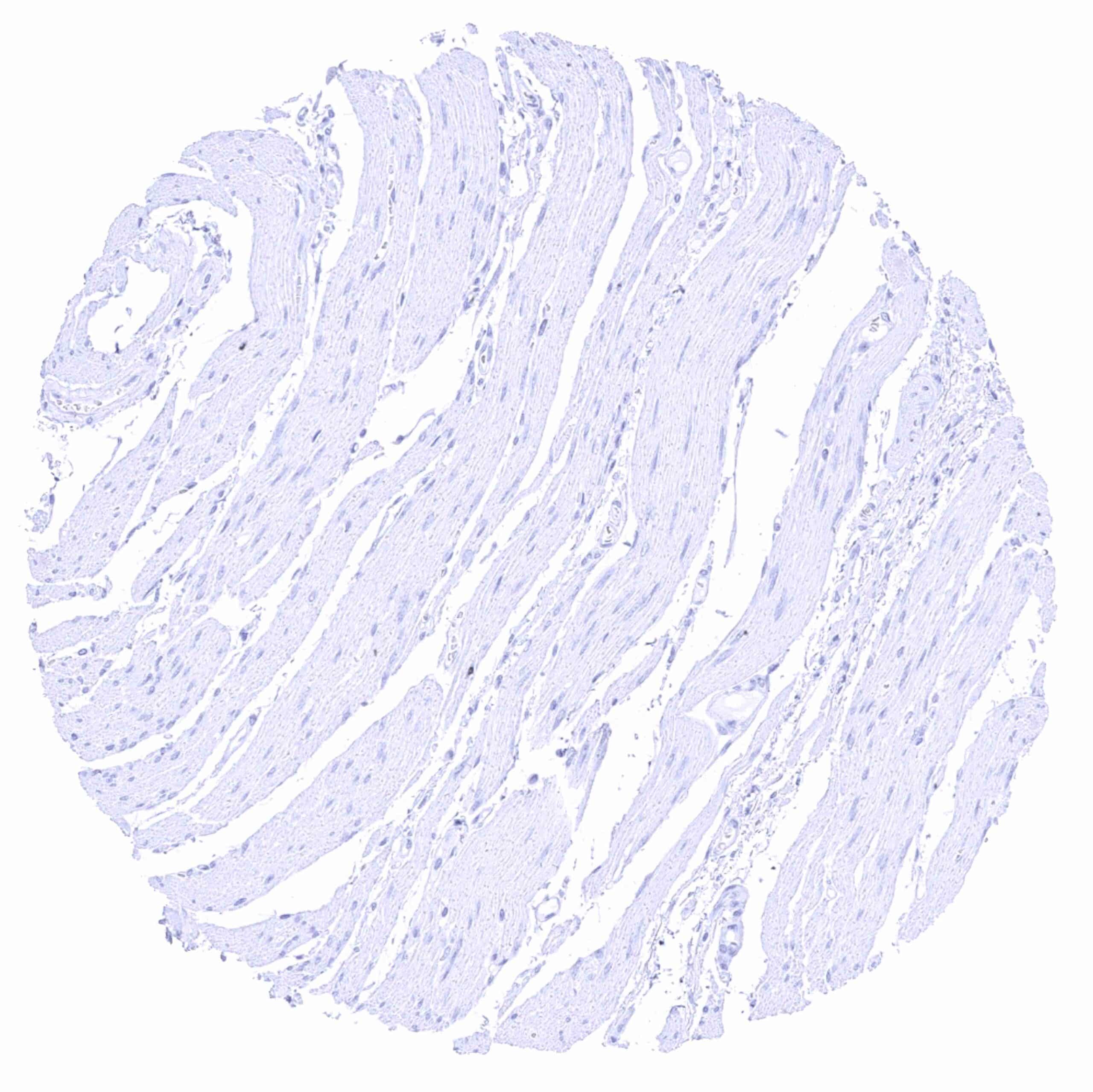
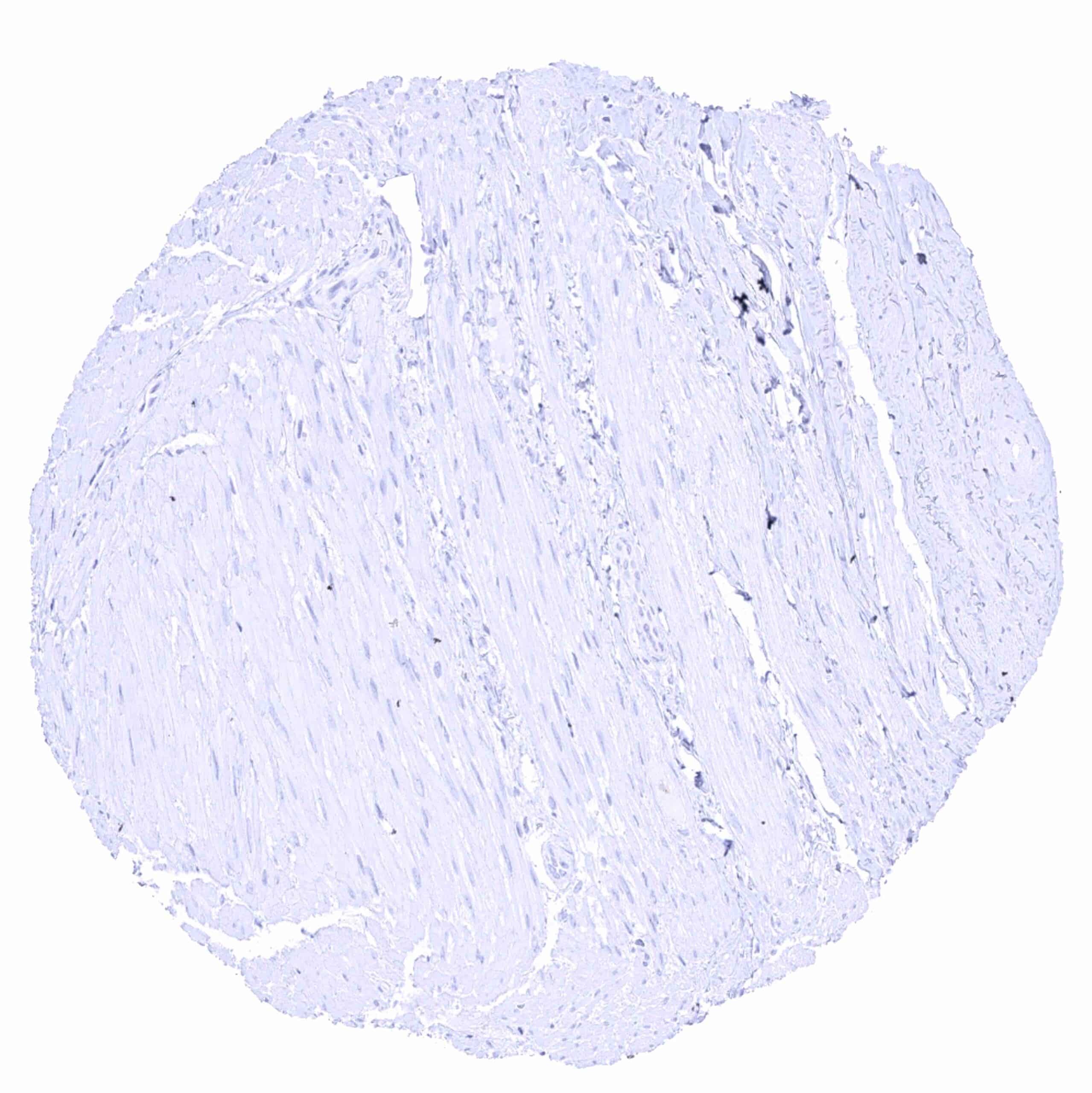
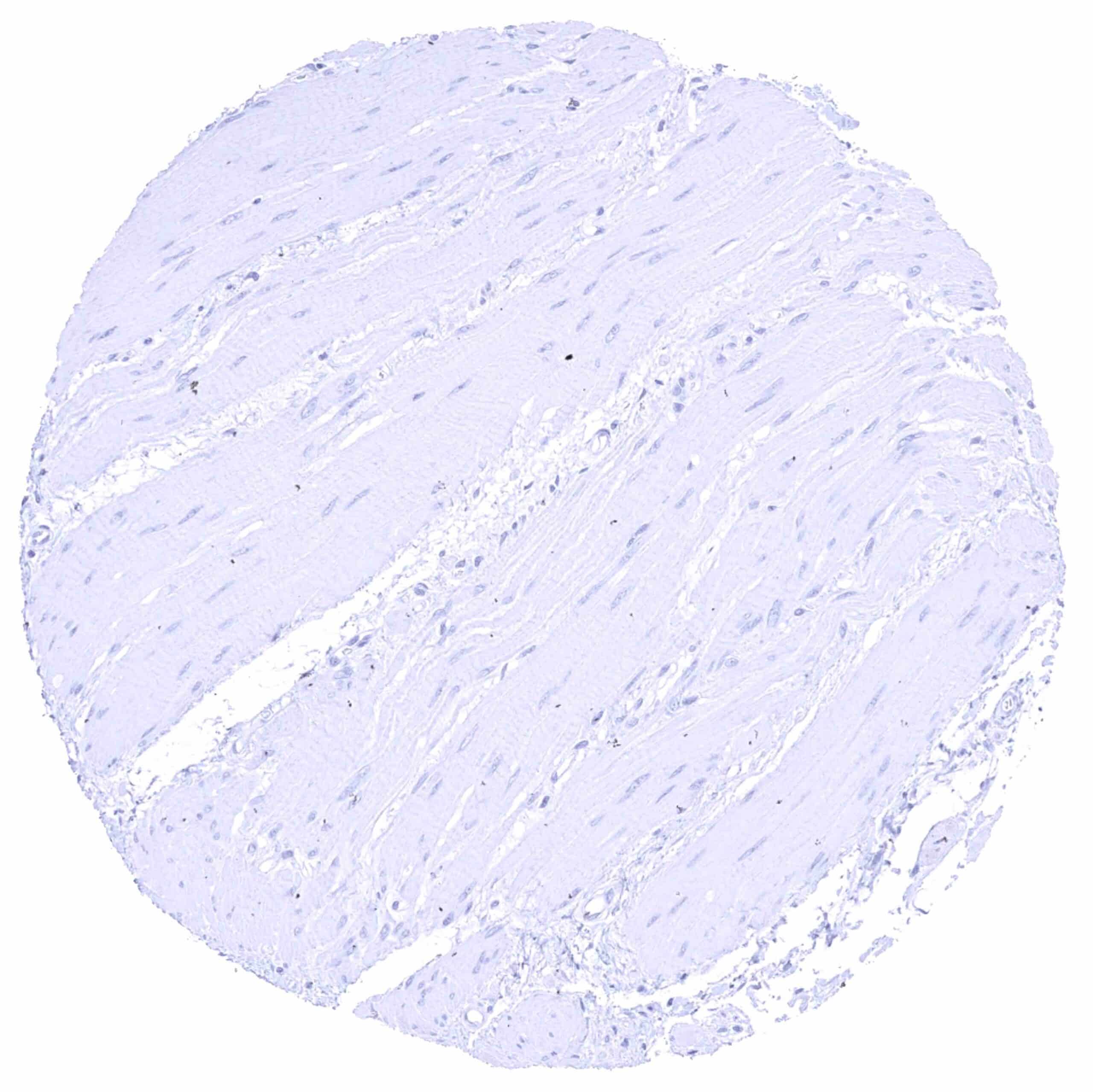
Esophagus, muscular wall
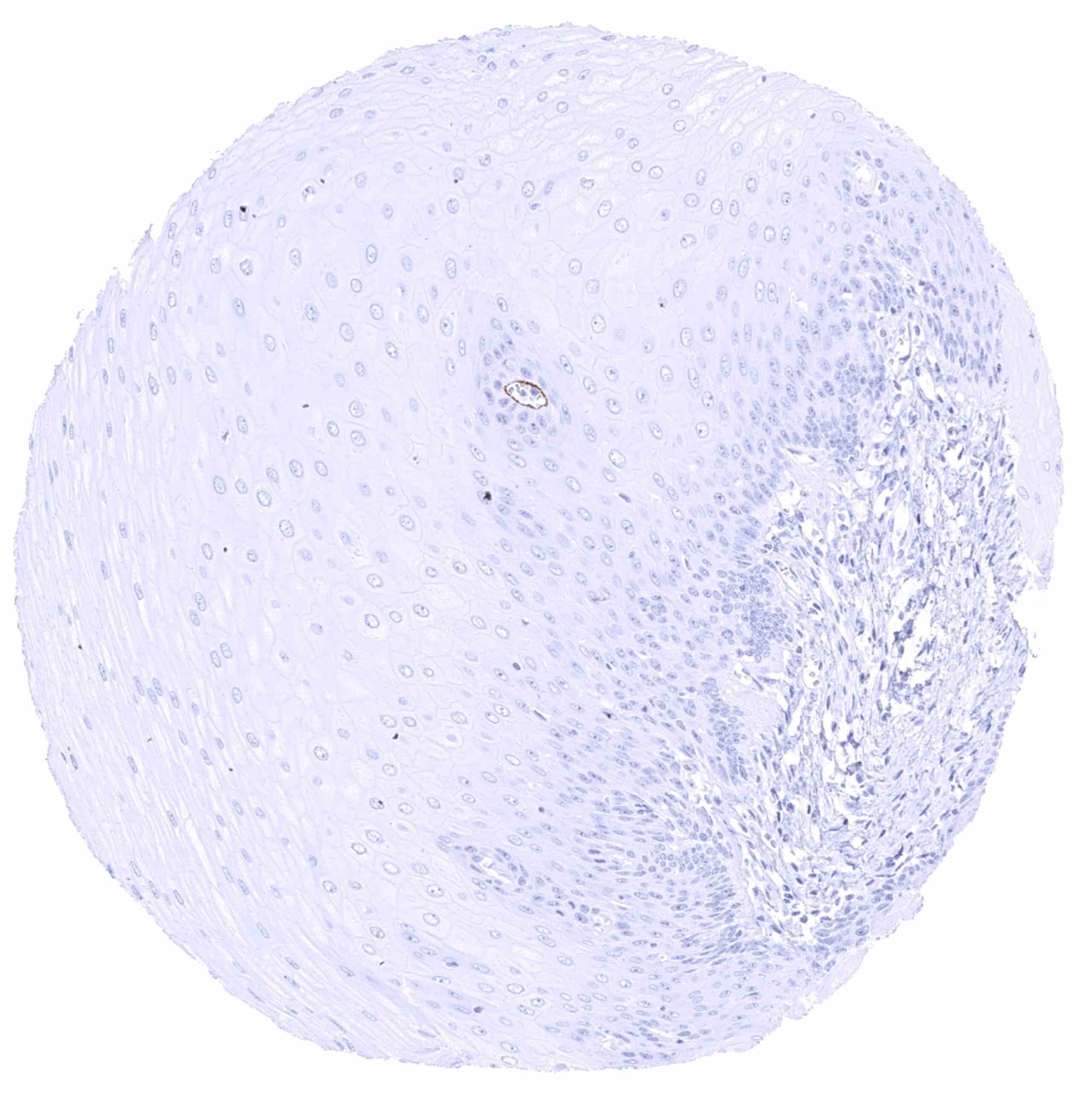
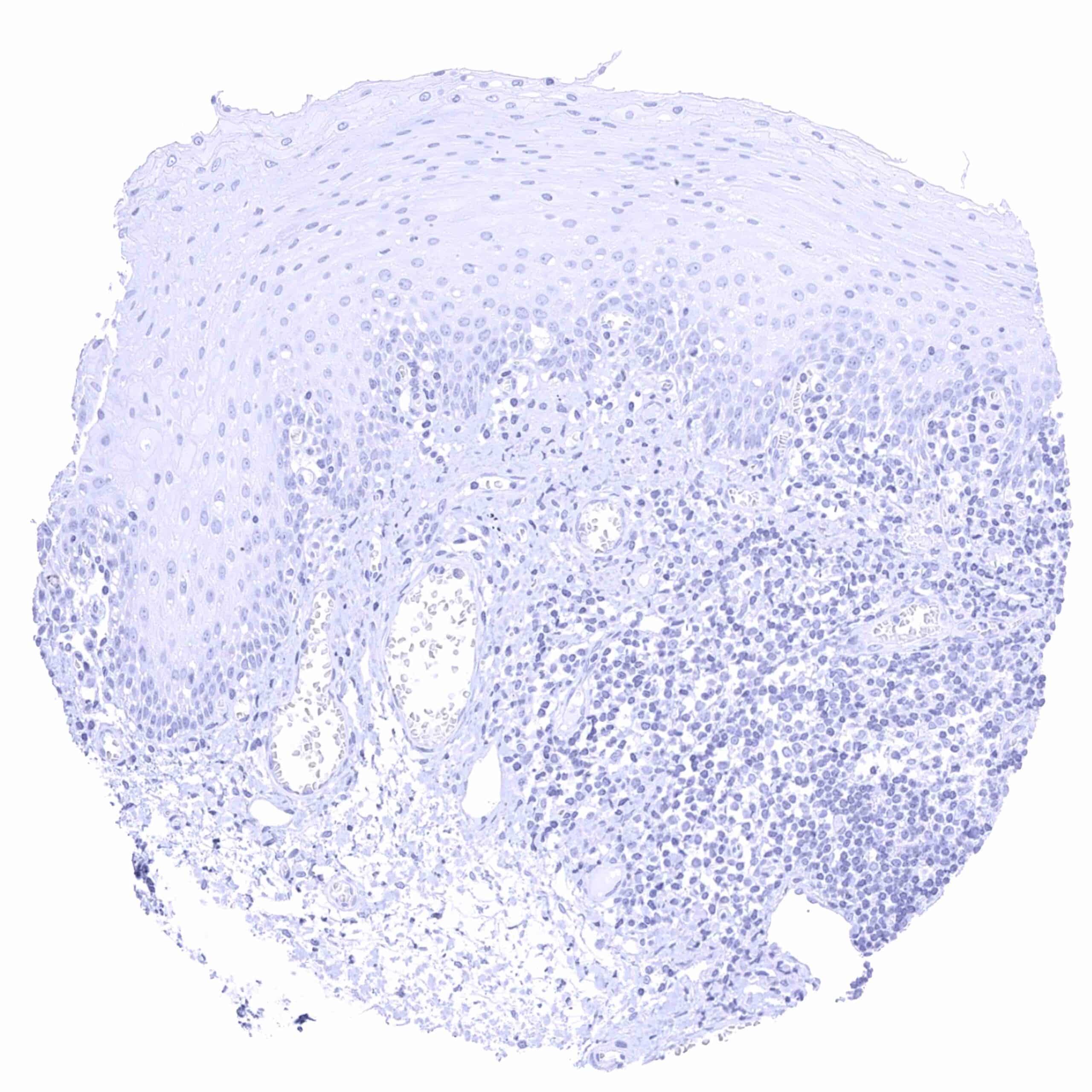
Esophagus, squamous epithelium
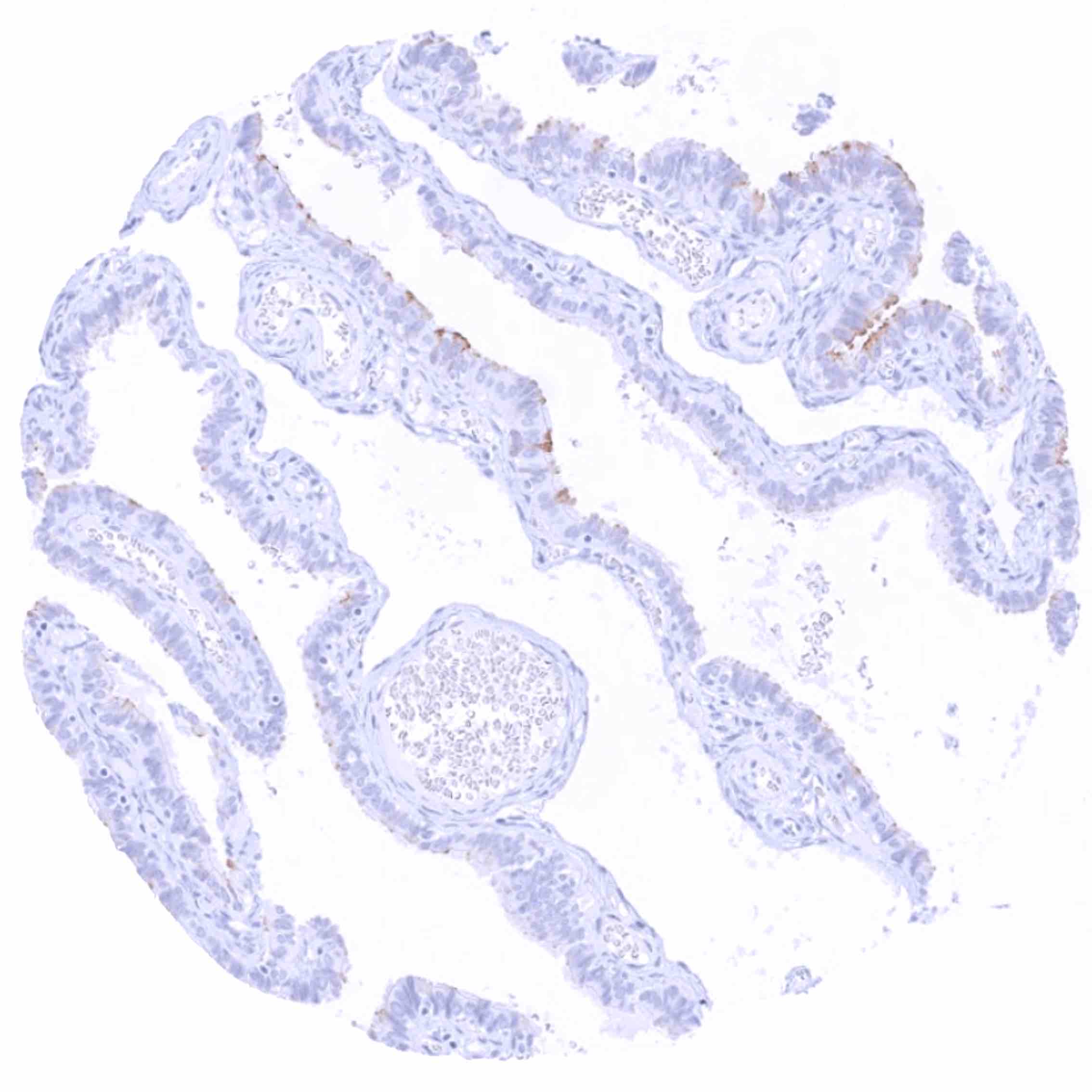
Fallopian tube, mucosa – Weak to moderate apical membranous and weak cytoplasmic PSMA staining of a subset of epithelial cells.
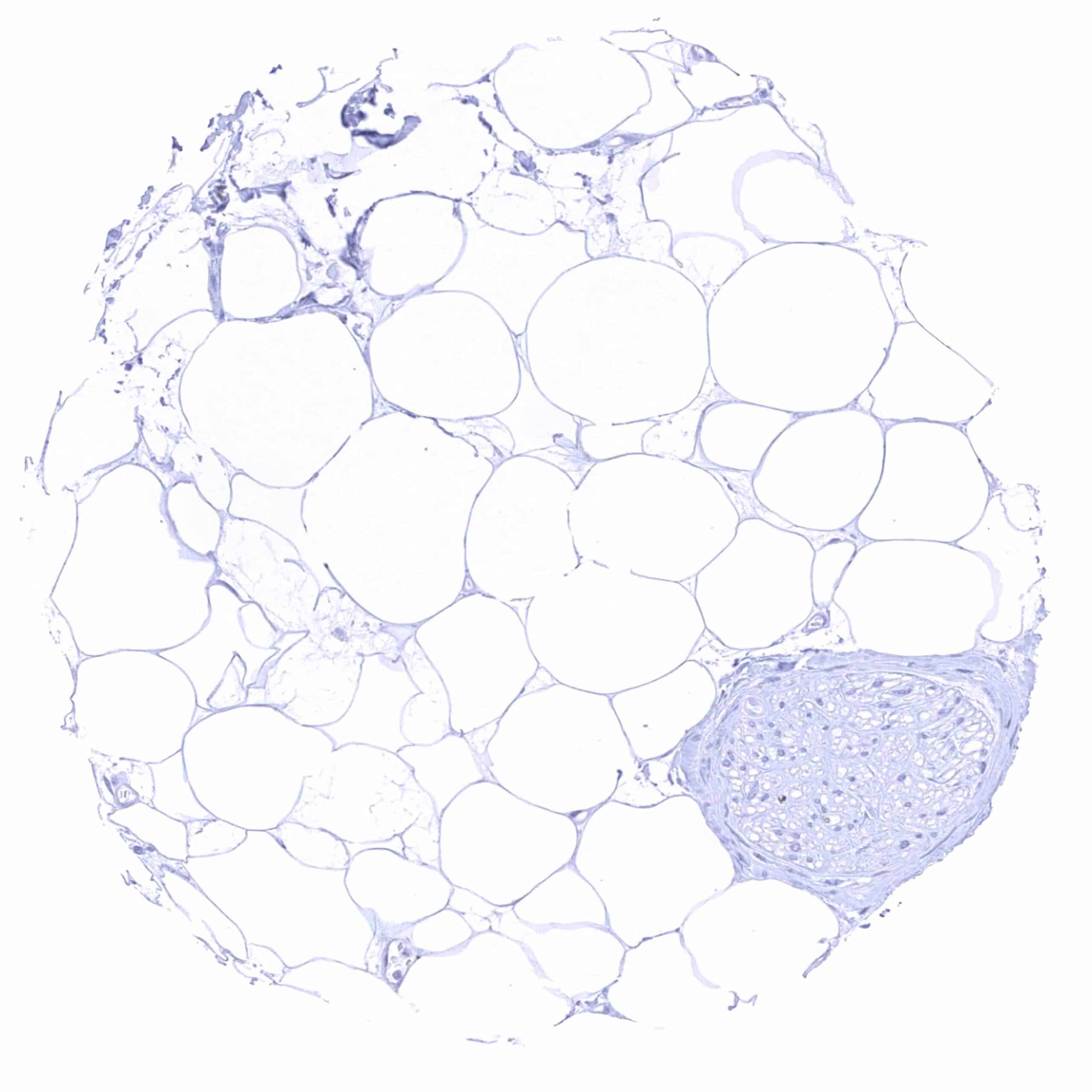
Fat
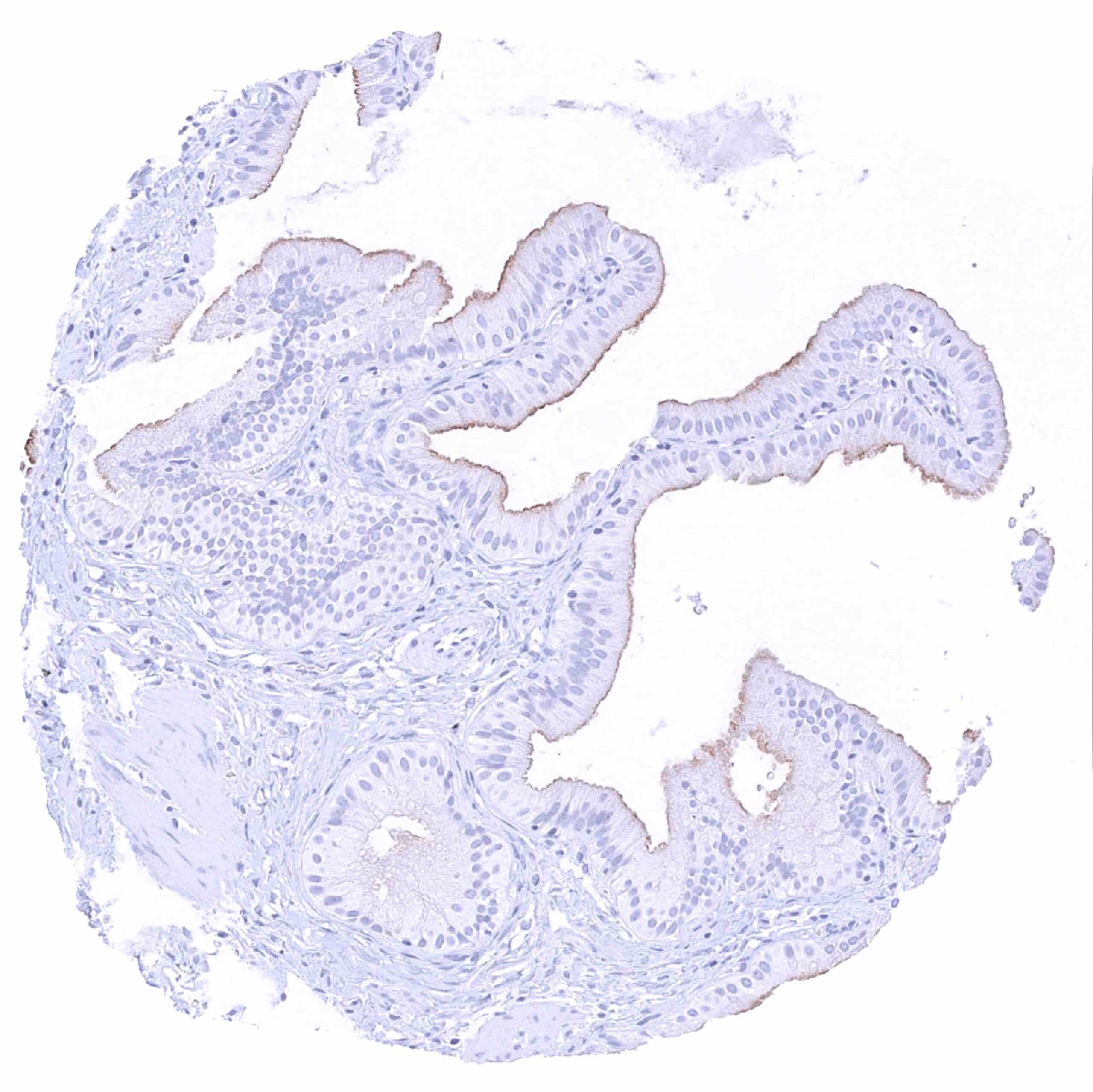
Fat
Gallbladder, epithelium – Weak to moderate PSMA staining of the apical membranes of epithelial cells. .jpeg
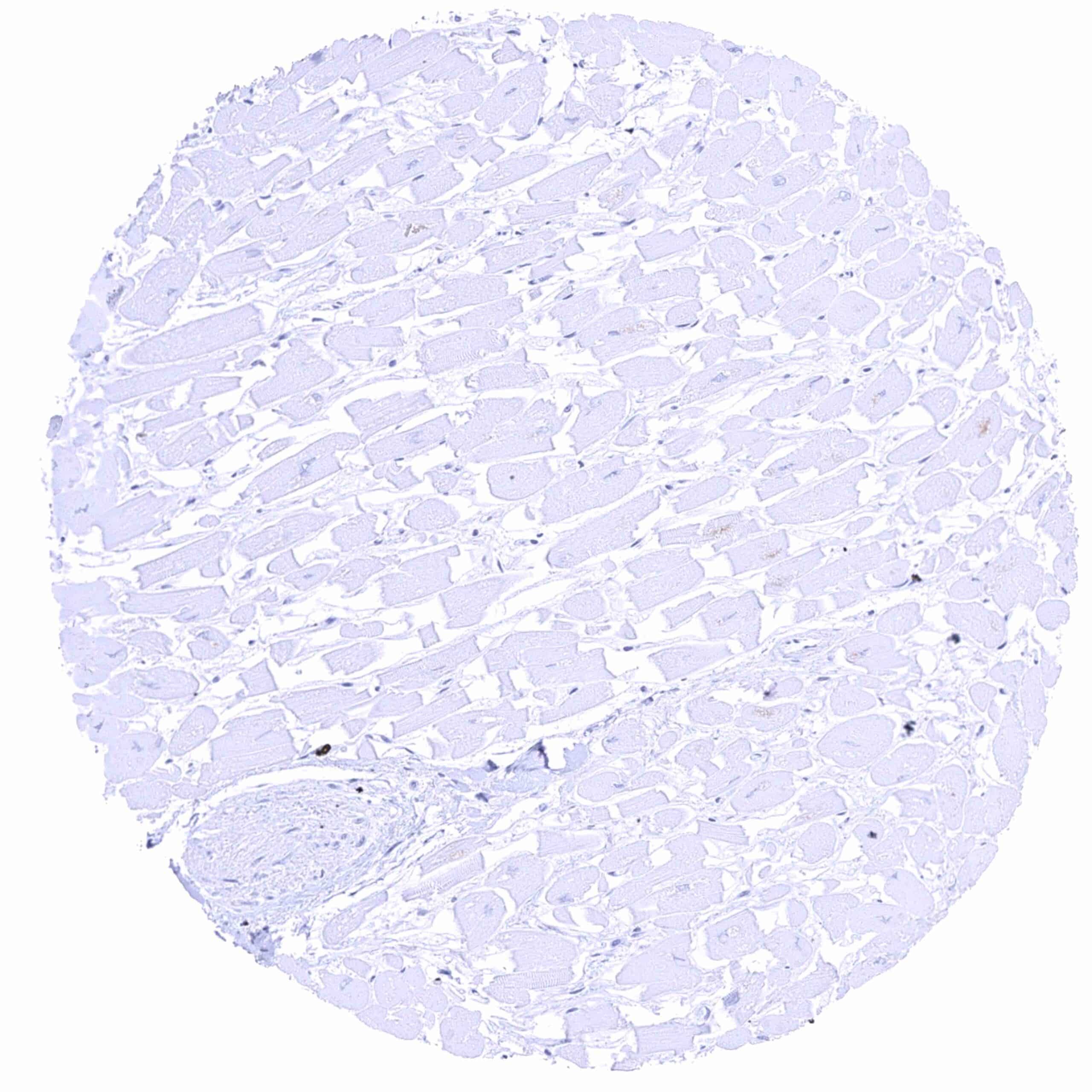
Gallbladder, epithelium – Weak to moderate PSMA staining of the apical membranes of epithelial cells.
Heart muscle
Heart muscle
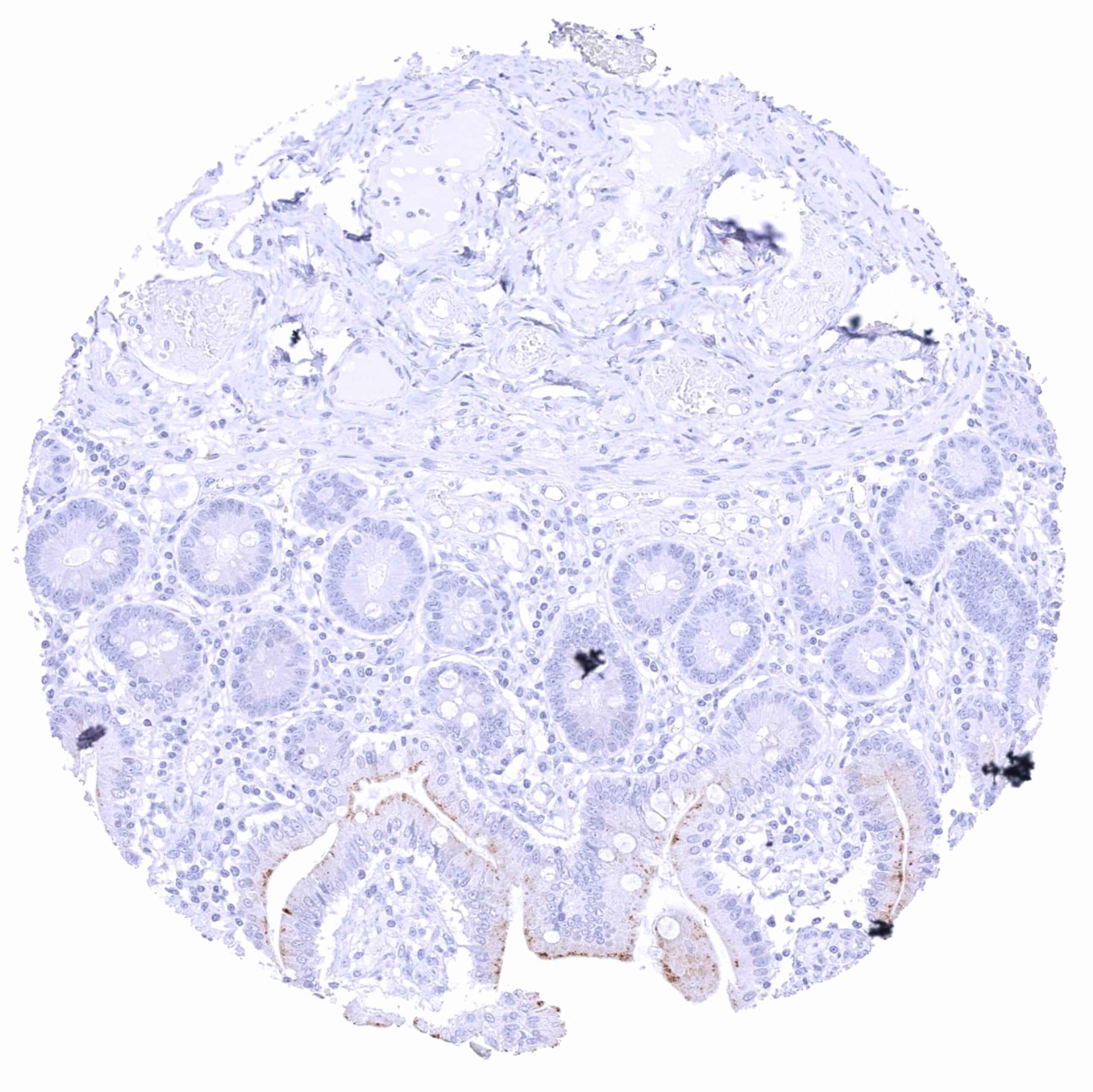
Ileum, mucosa – Weak PSMA staining of the luminal membranes on the surface of villi while it is absent in crypts.
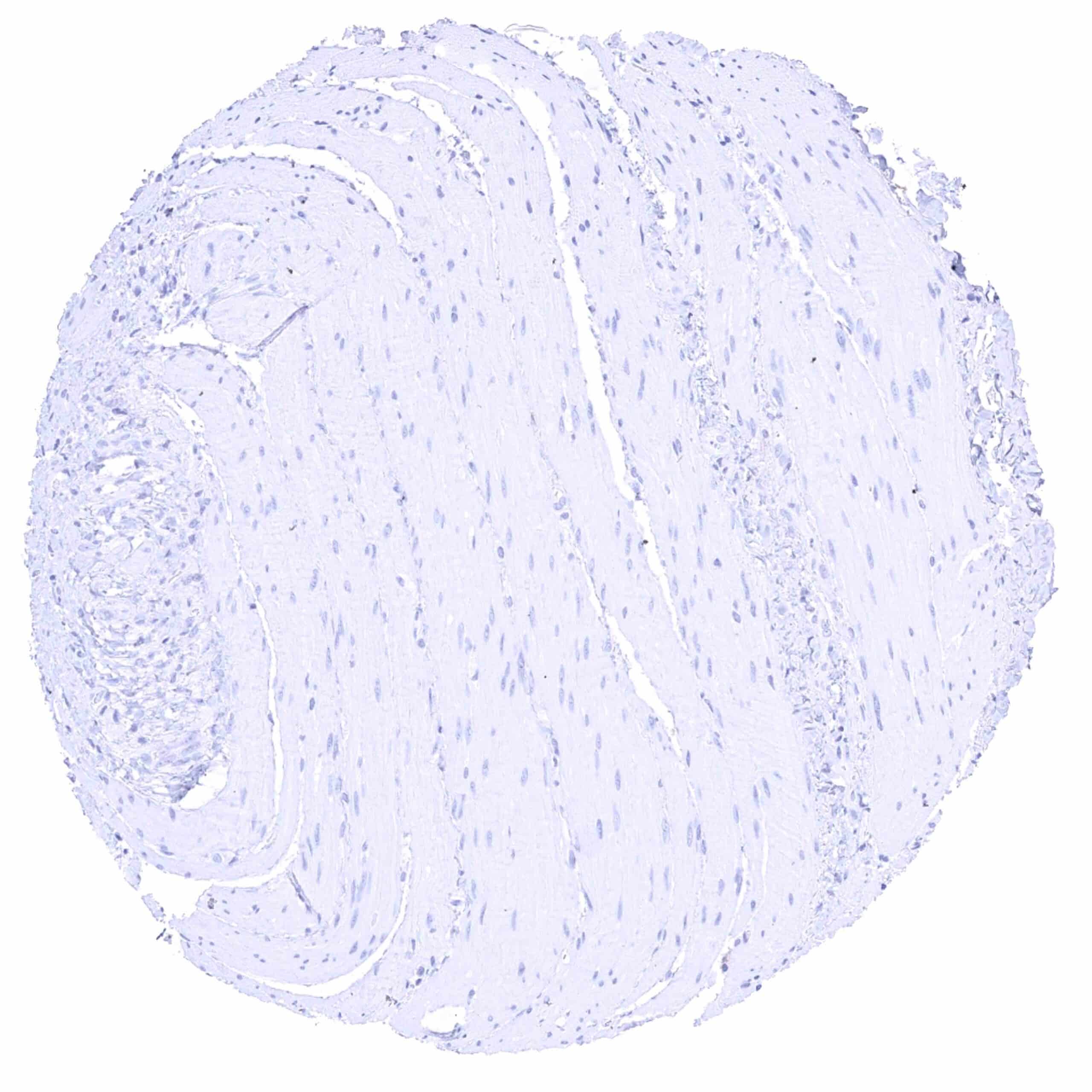
Ileum, muscular wall
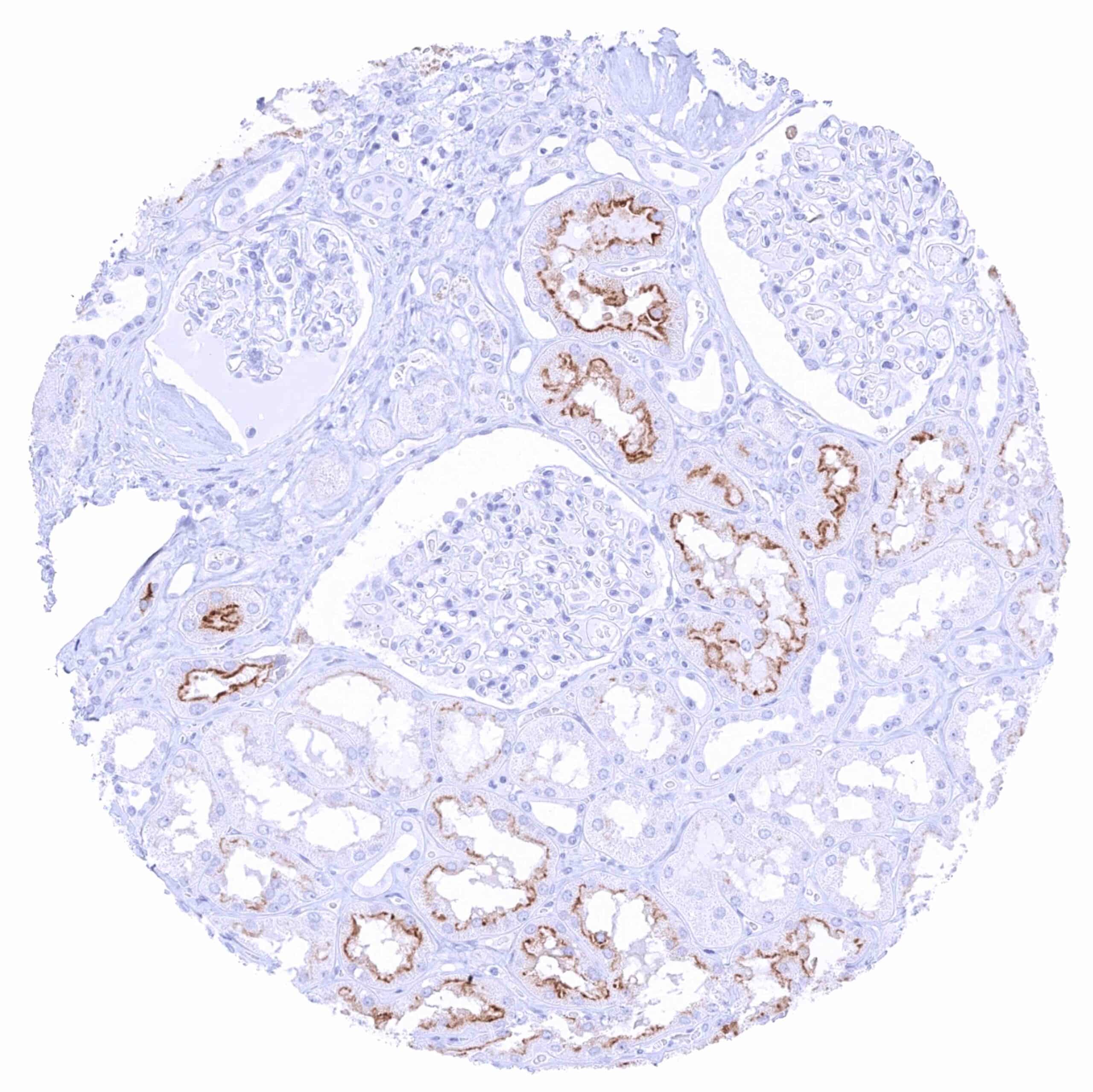
Kidney, cortex – Intense PSMA staining of luminal membranes of proximal tubules while staining is markedly less intense in distal tubuli and absent in collecting ducts.
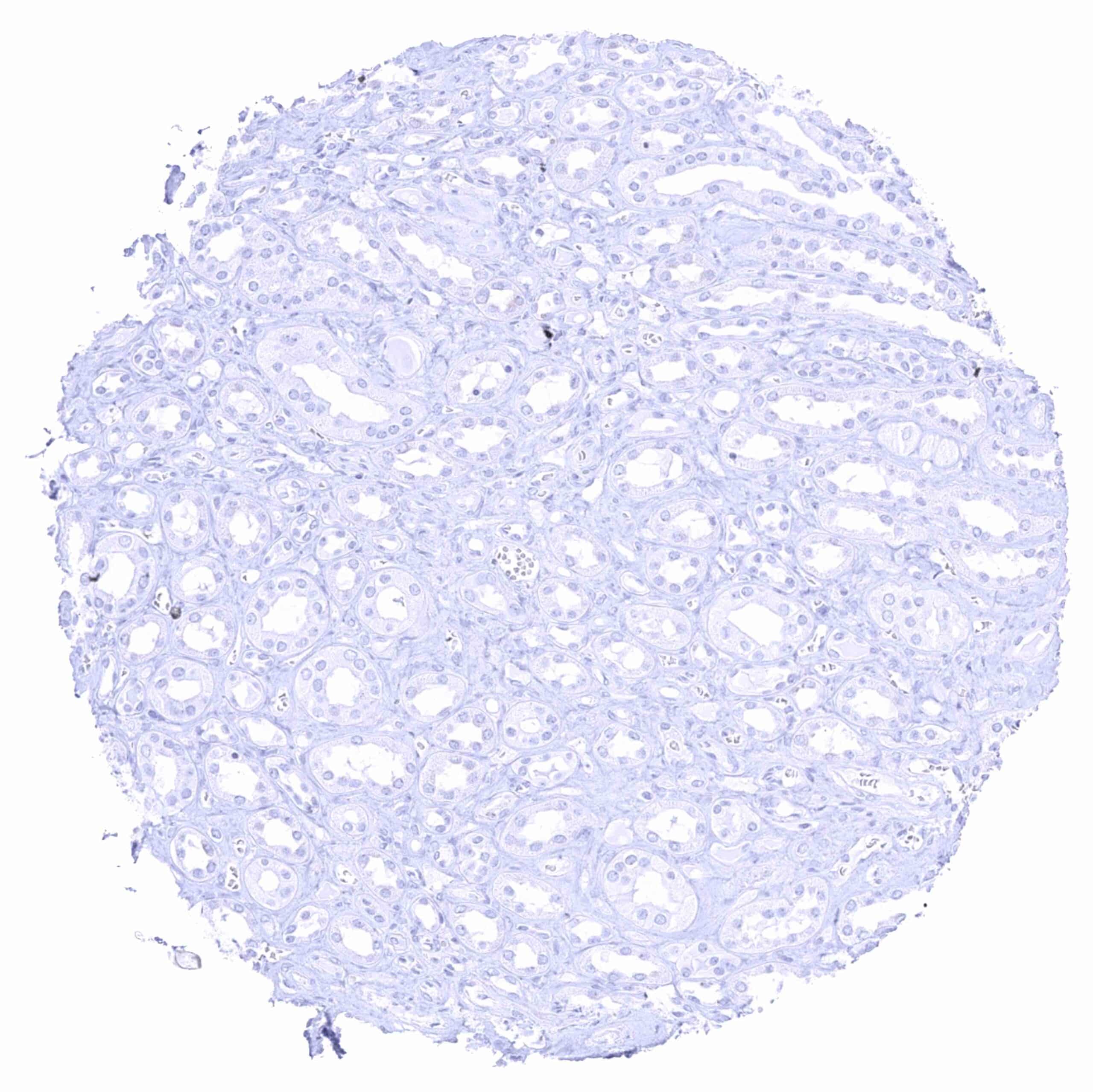
Kidney, medulla – PSMA staining is absent in collecting ducts.
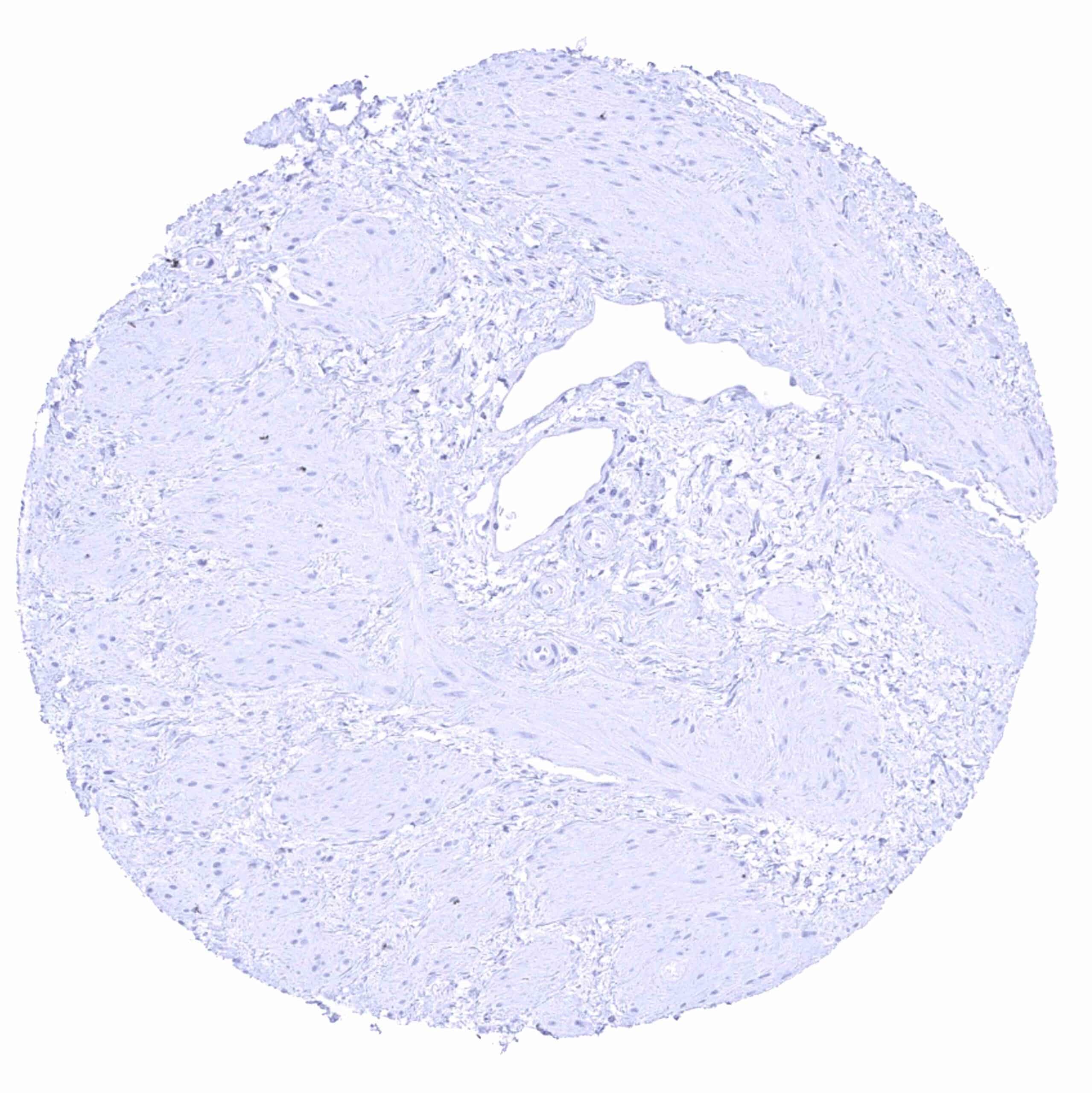
Kidney, pelvis, muscular wall
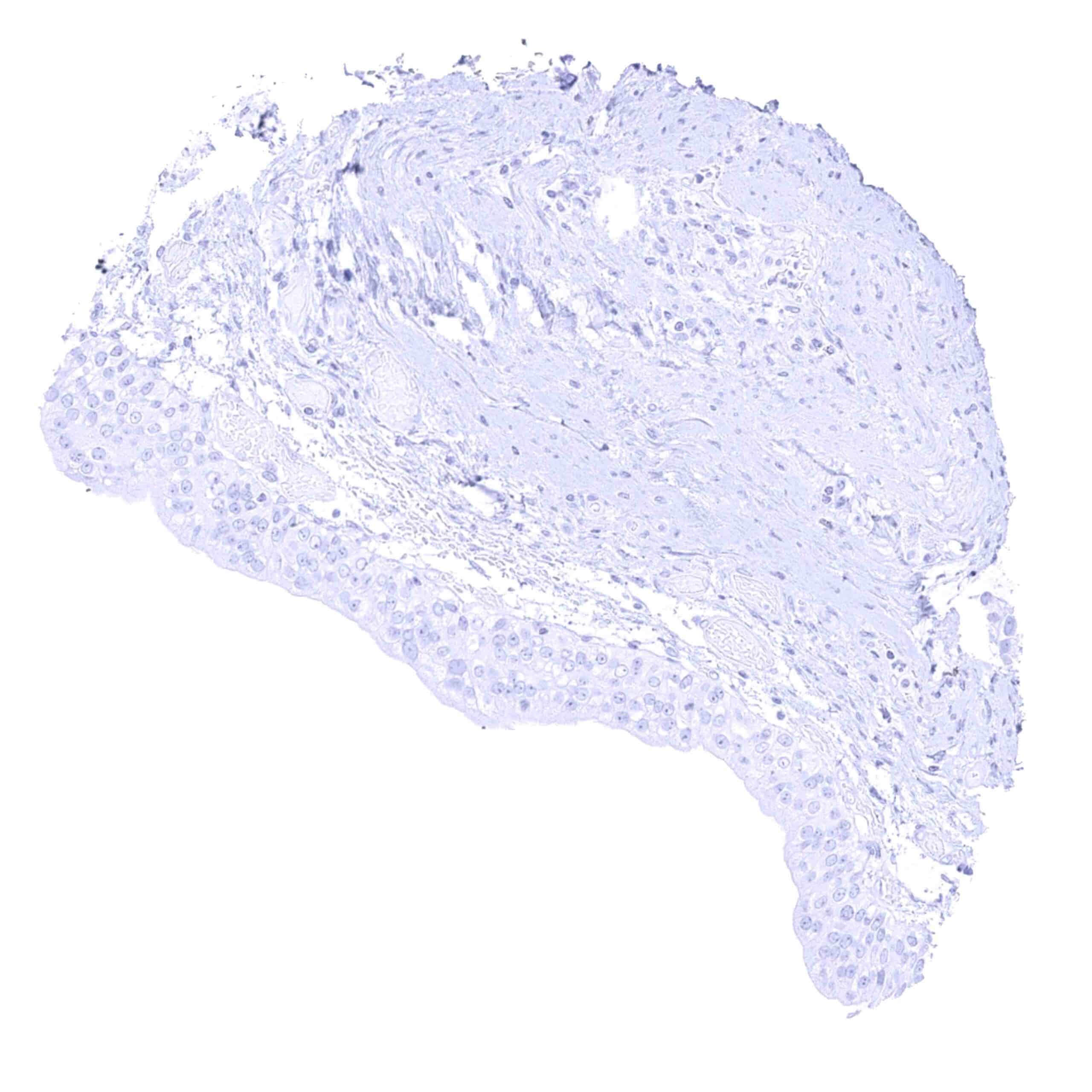
Kidney, pelvis, urothelium
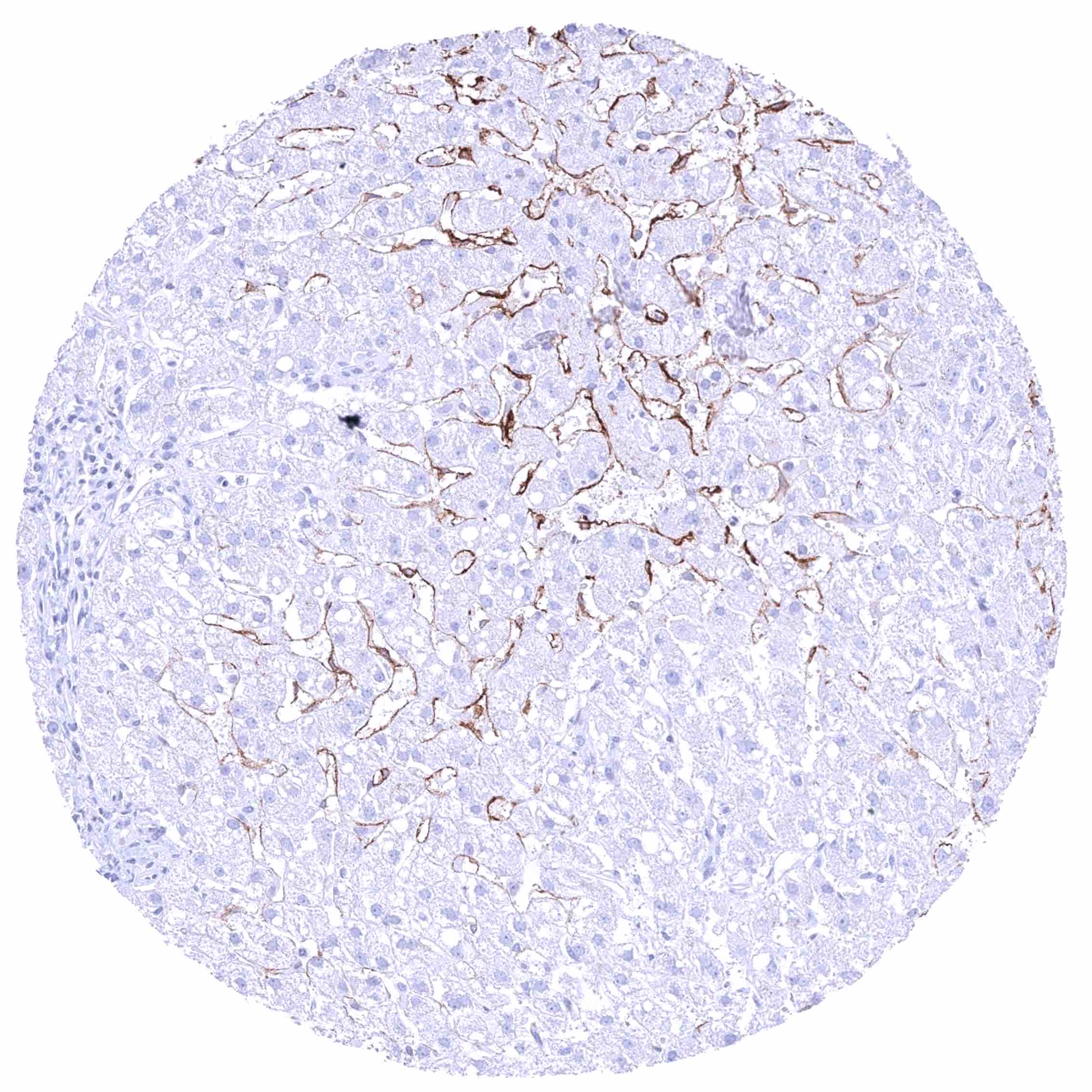
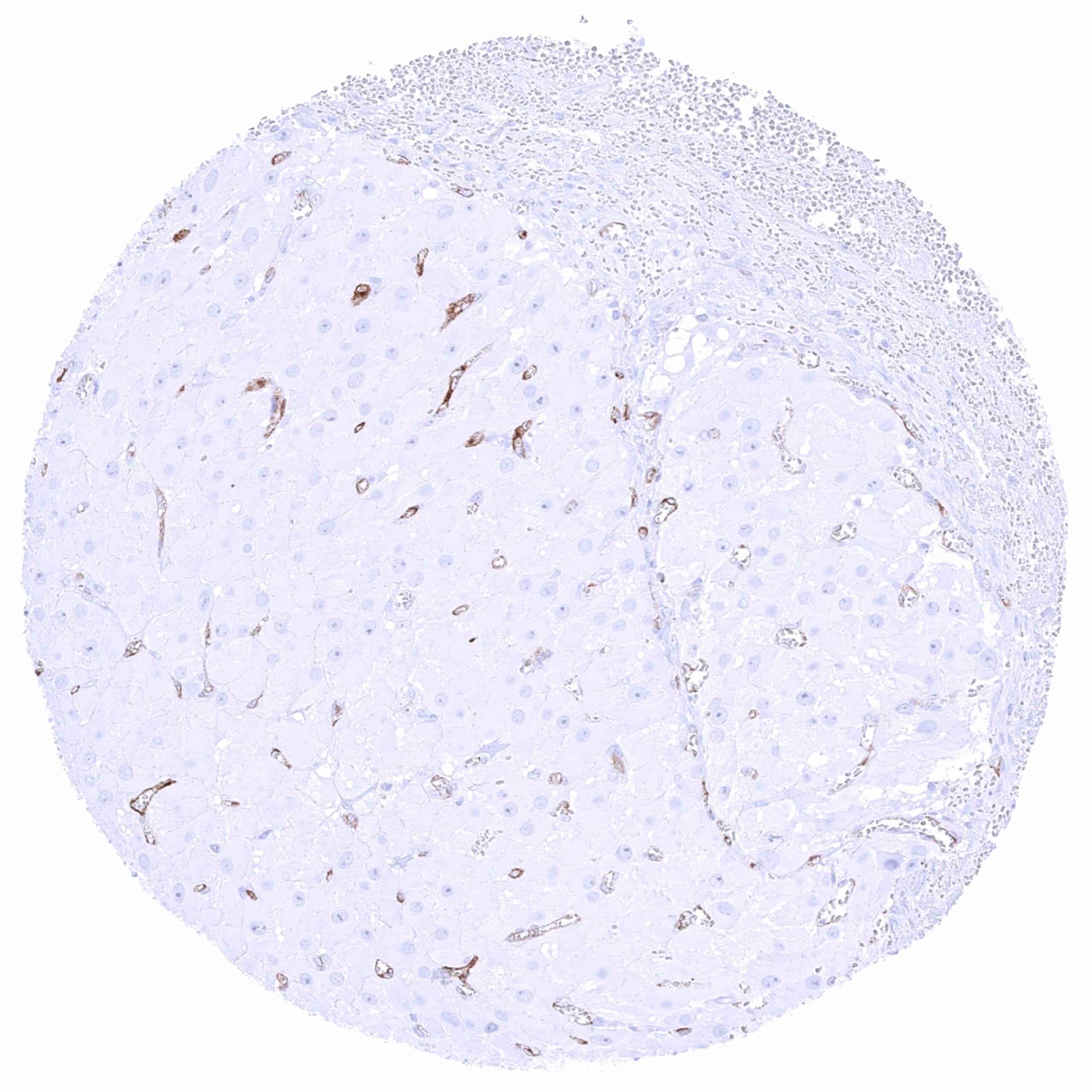
Liver – Moderate to strong PSMA staining of sinusoid cells (regional differences in the staining intensity). Hepatocyte staining is not detectable in this sample.
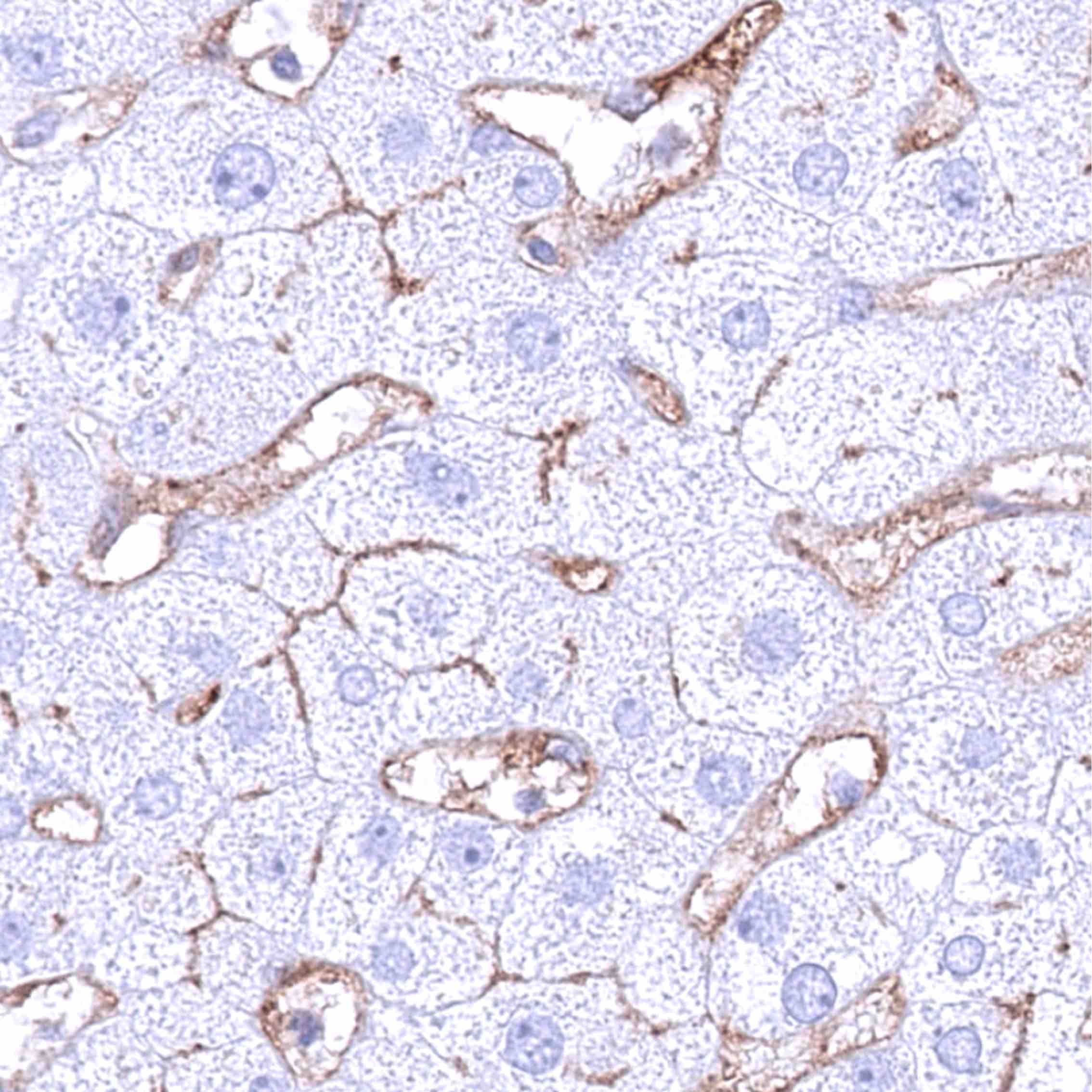
Liver – Moderate to strong PSMA staining of sinusoid cells. Weak to moderate membranous PSMA staining of hepatocytes (especially at the bile secreting pole)
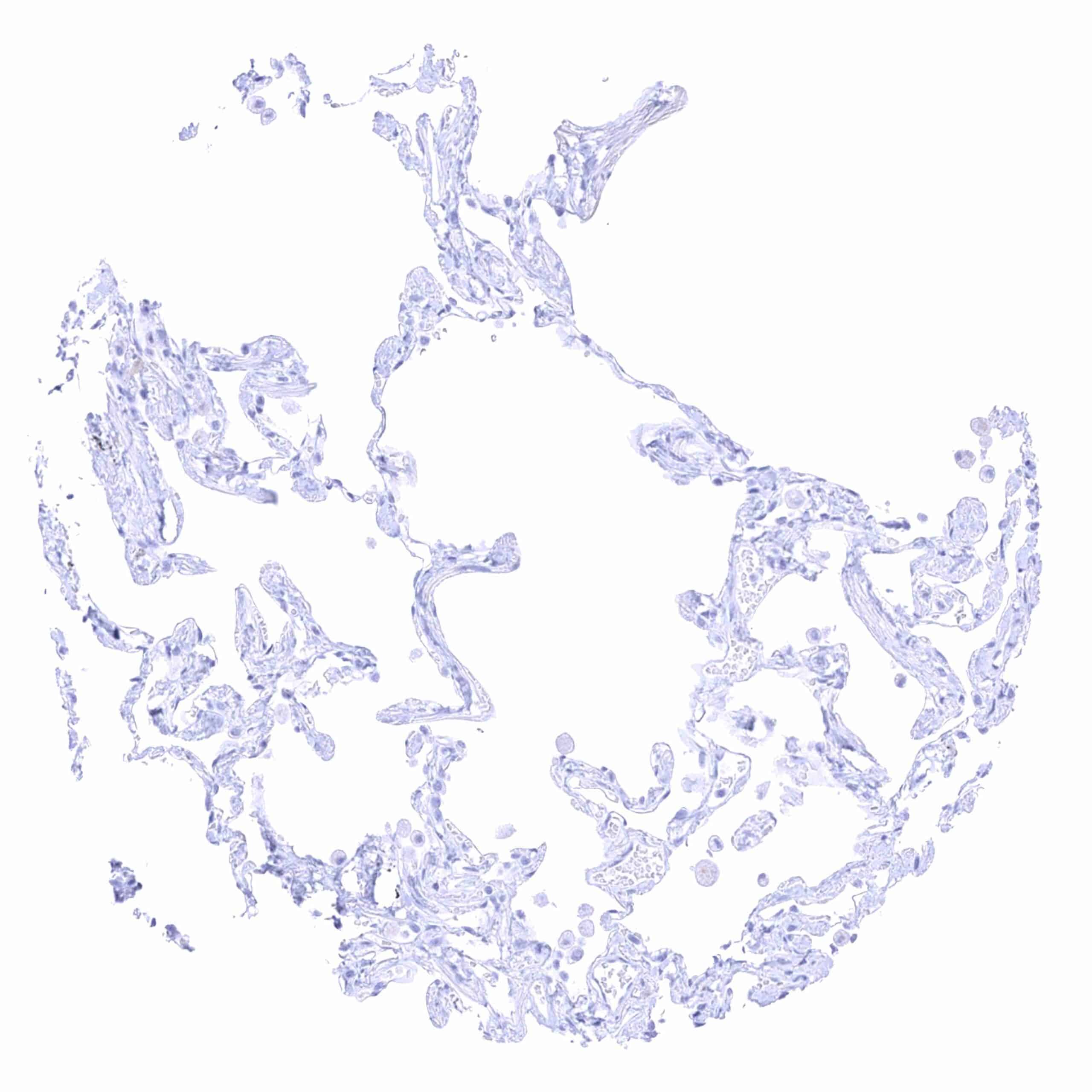
Lung
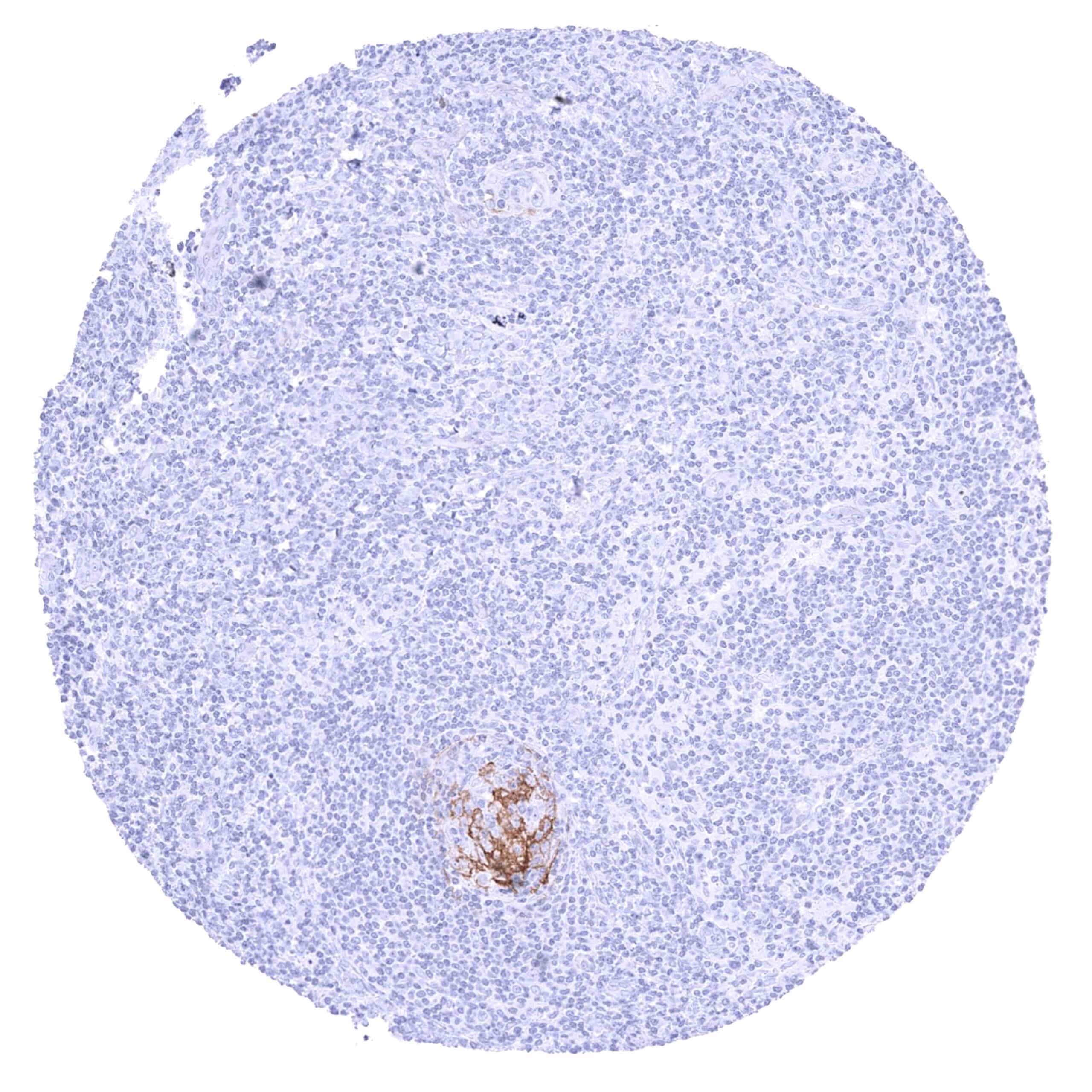
Lung
Lymph node – Distinct membranous PSMA staining of grouped germinal centre cells.
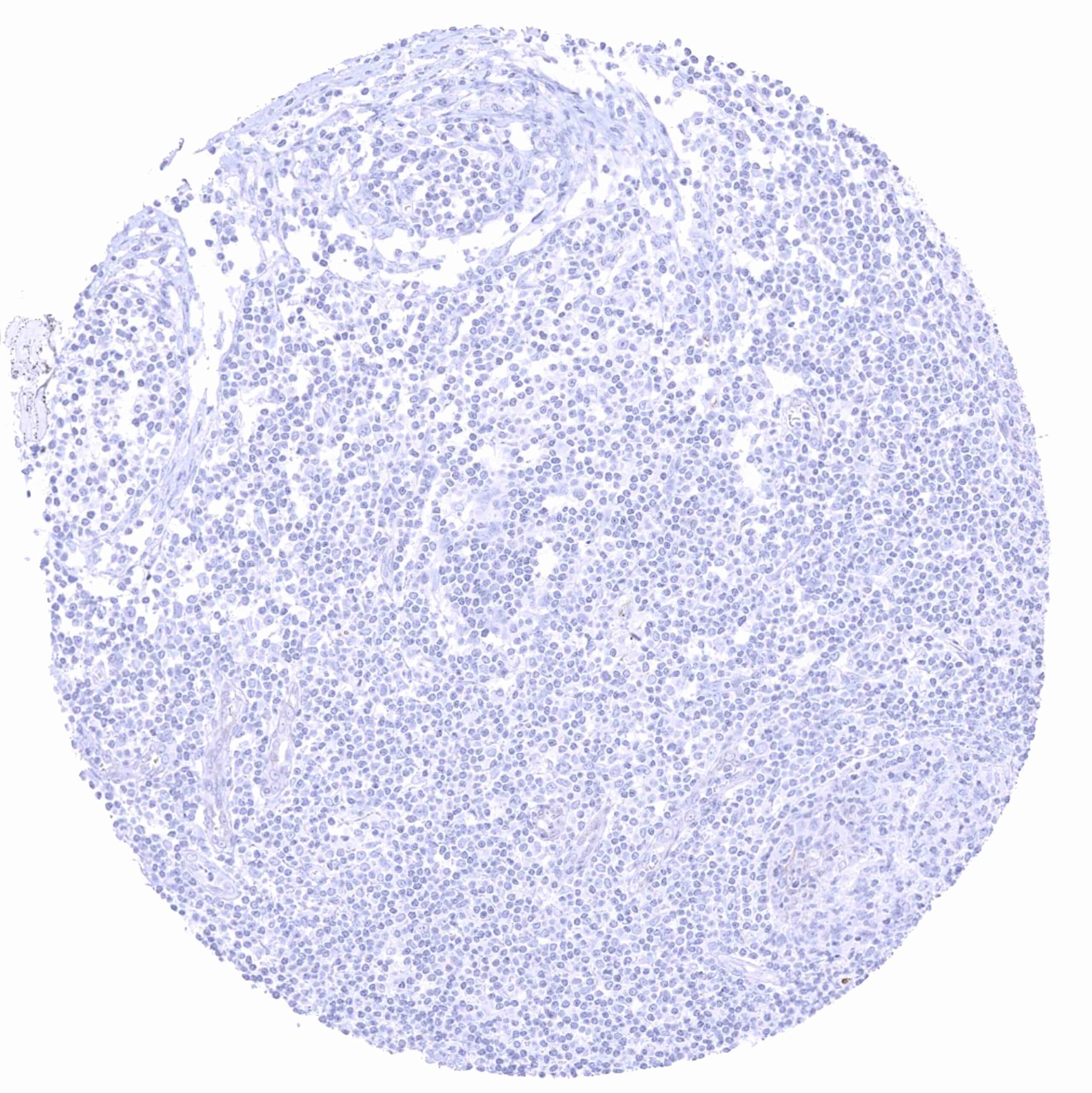
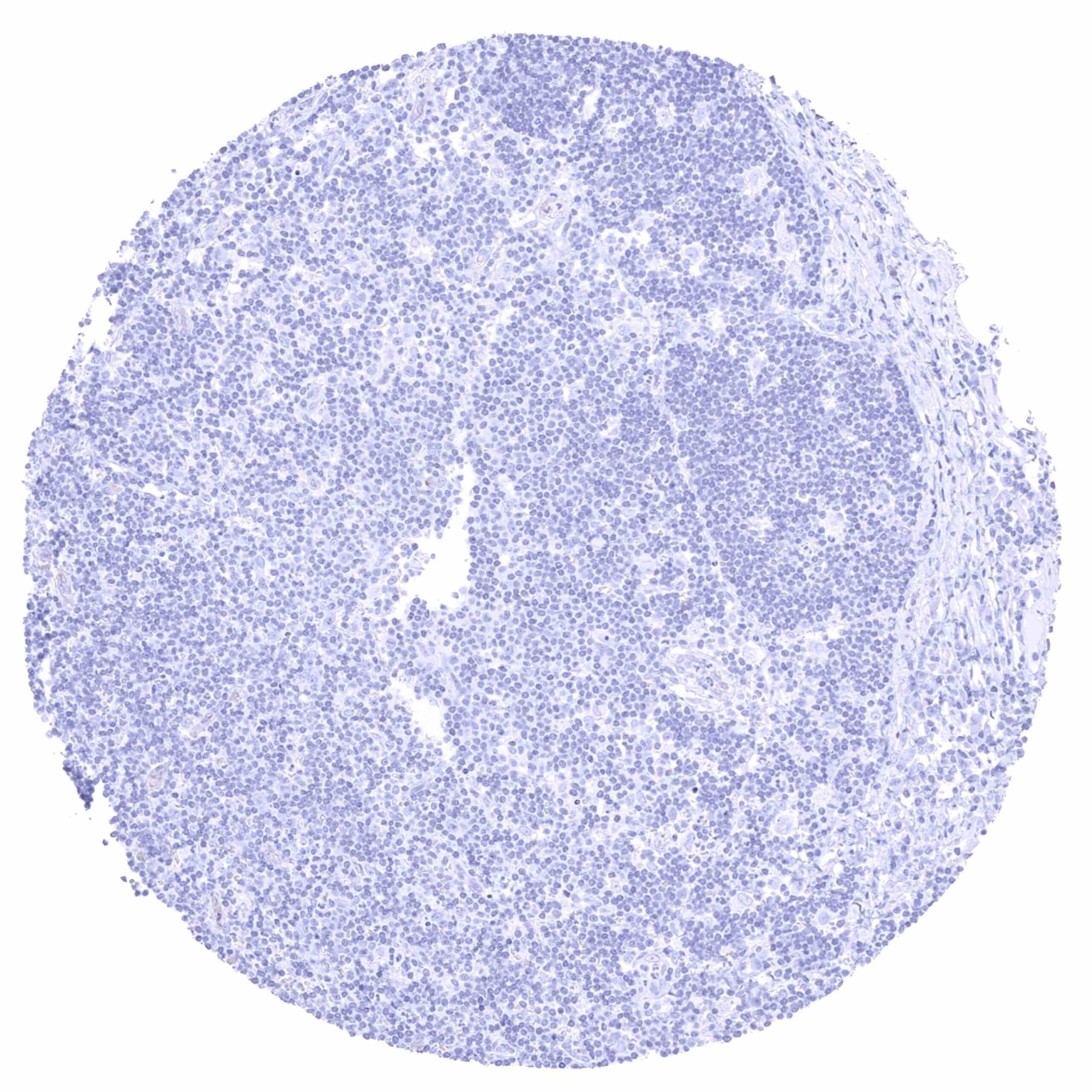
Lymph node
Lymph node
Lymph node (2)
Lymph node (2)
Ovary, corpus luteum
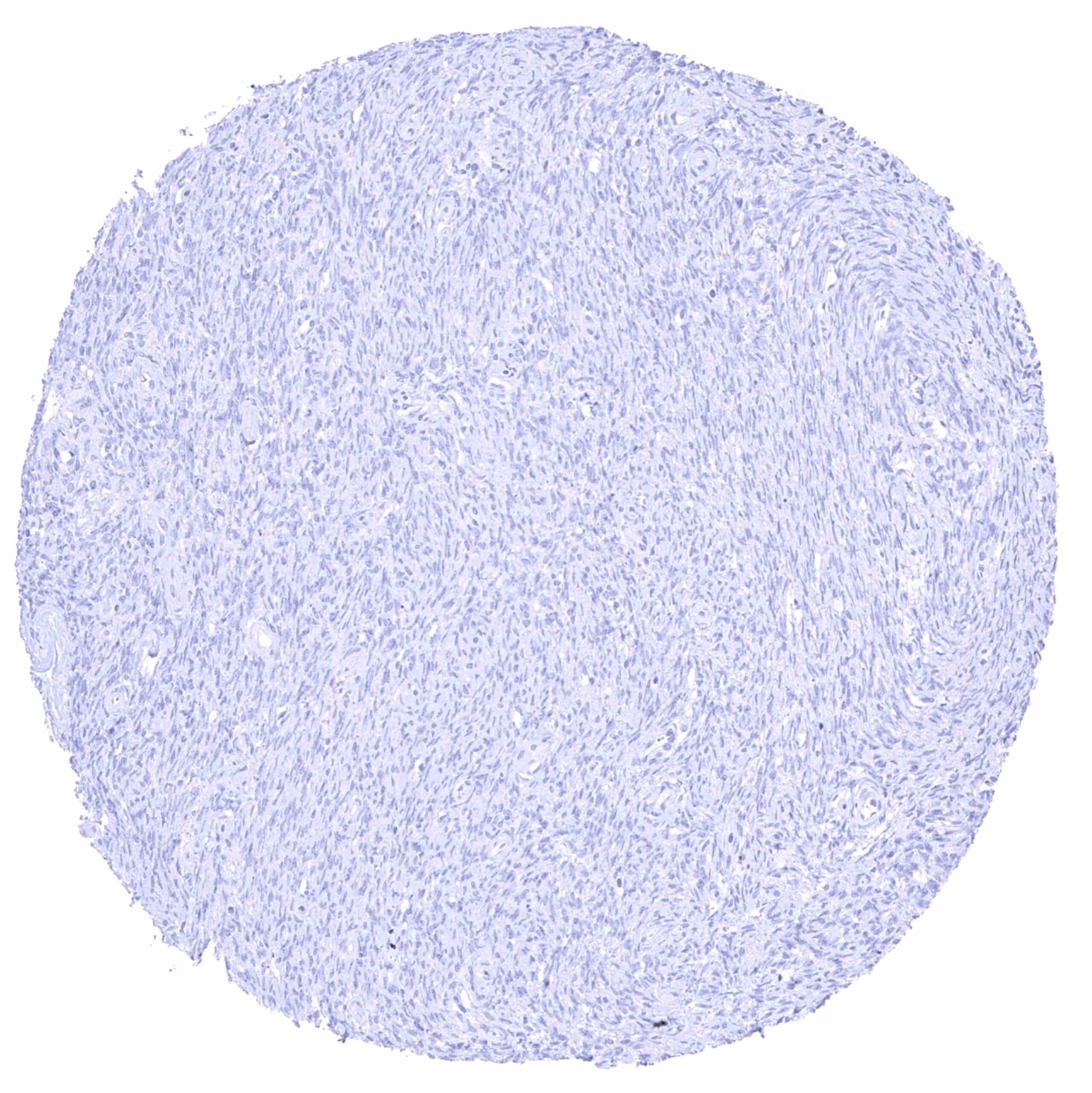
Ovary, stroma
Ovary, stroma
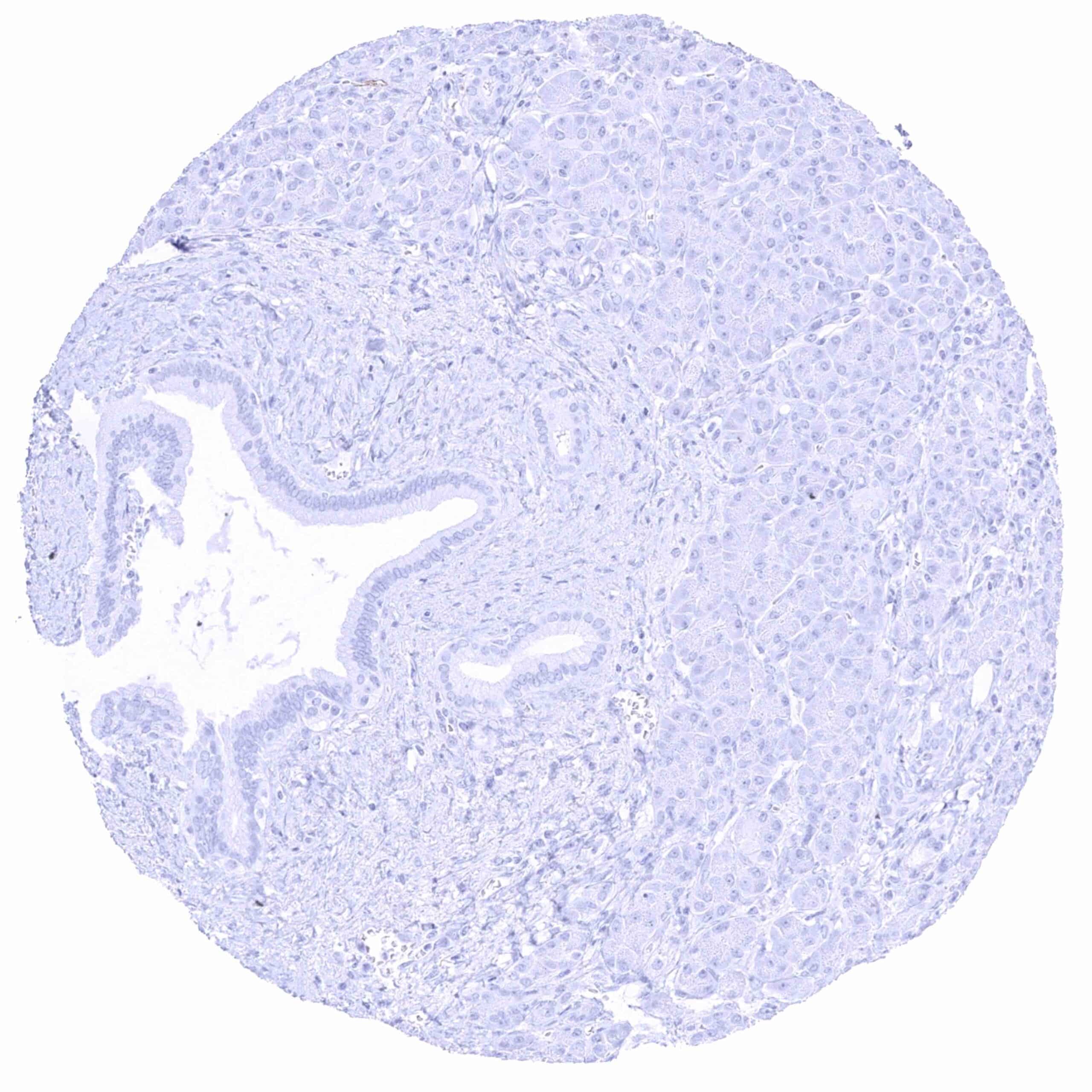
Pancreas (excretory duct)
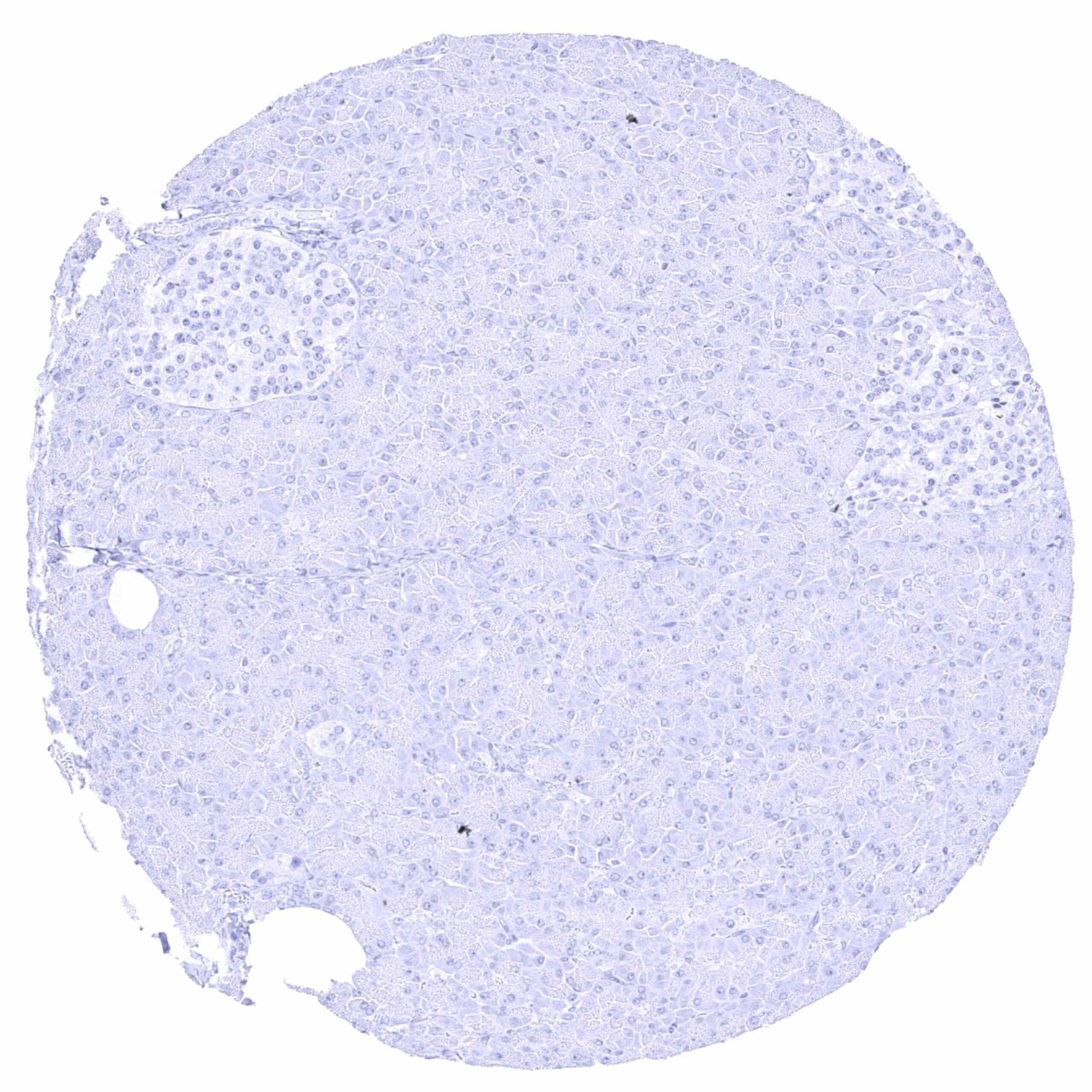
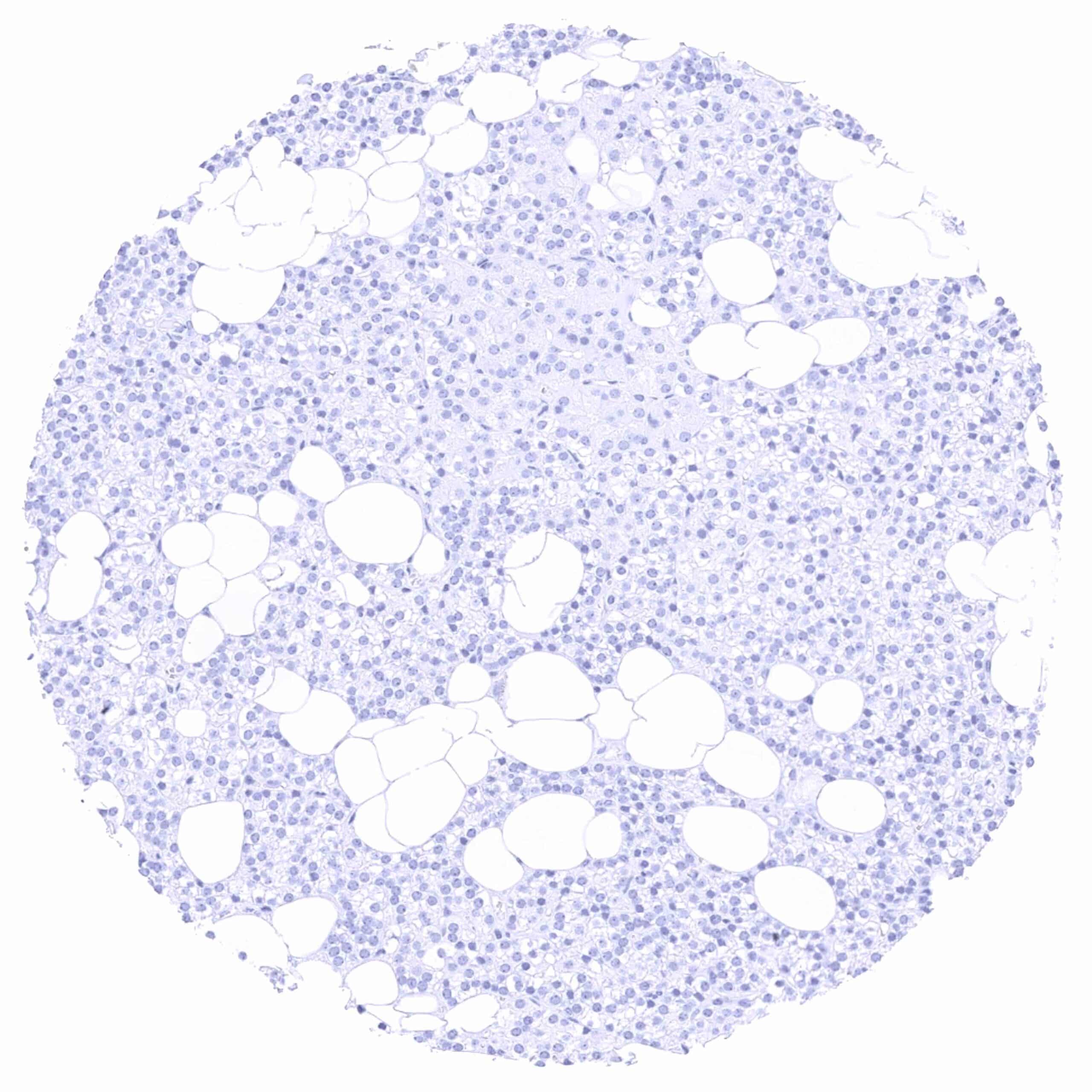
Pancreas
Pancreas
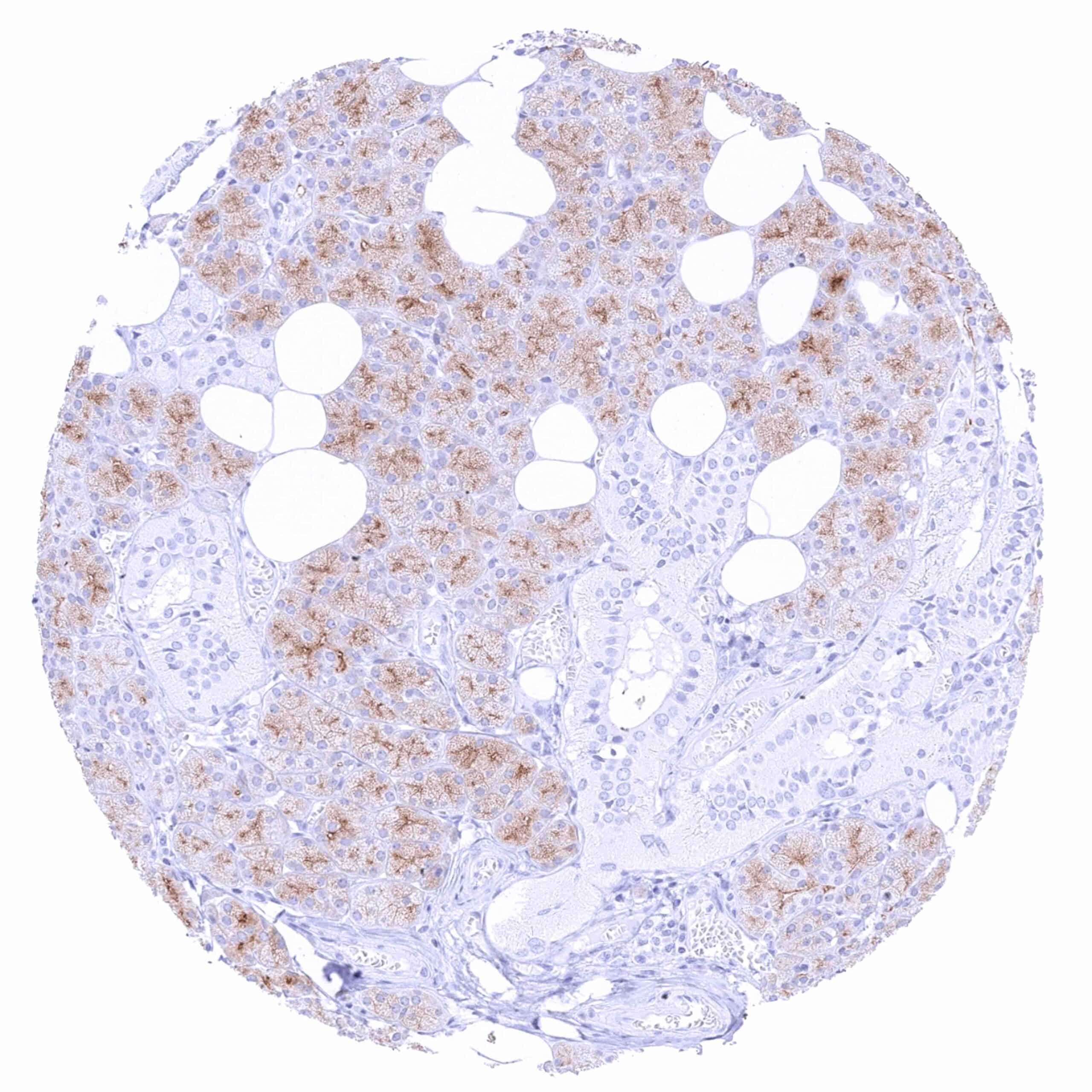
Parathyroid gland
Parathyroid gland
Parotid gland – Moderate to strong apical membranous and weak to moderate diffuse cytoplasmic PSMA staining of serous glands.
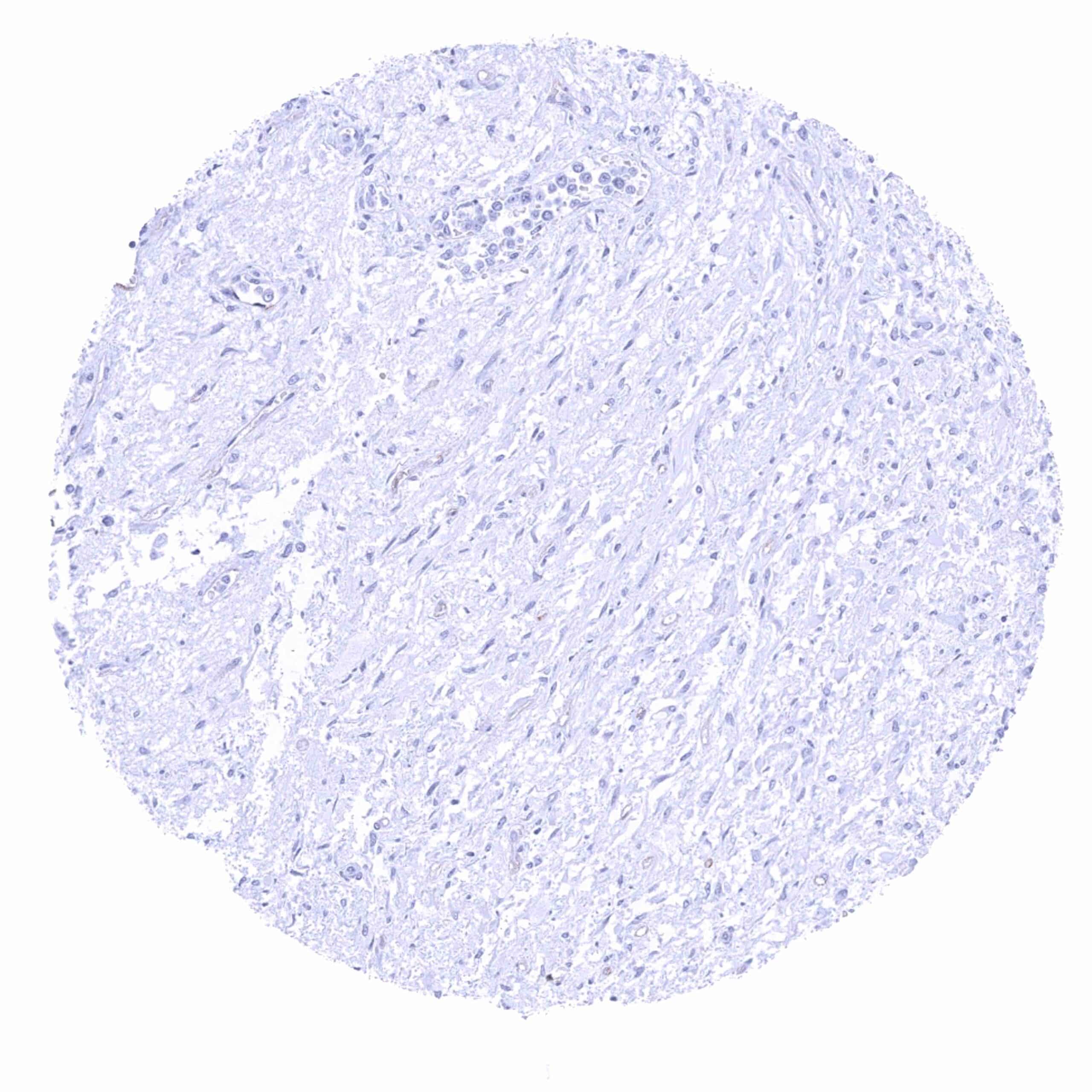
Pituitary gland, posterior lobe
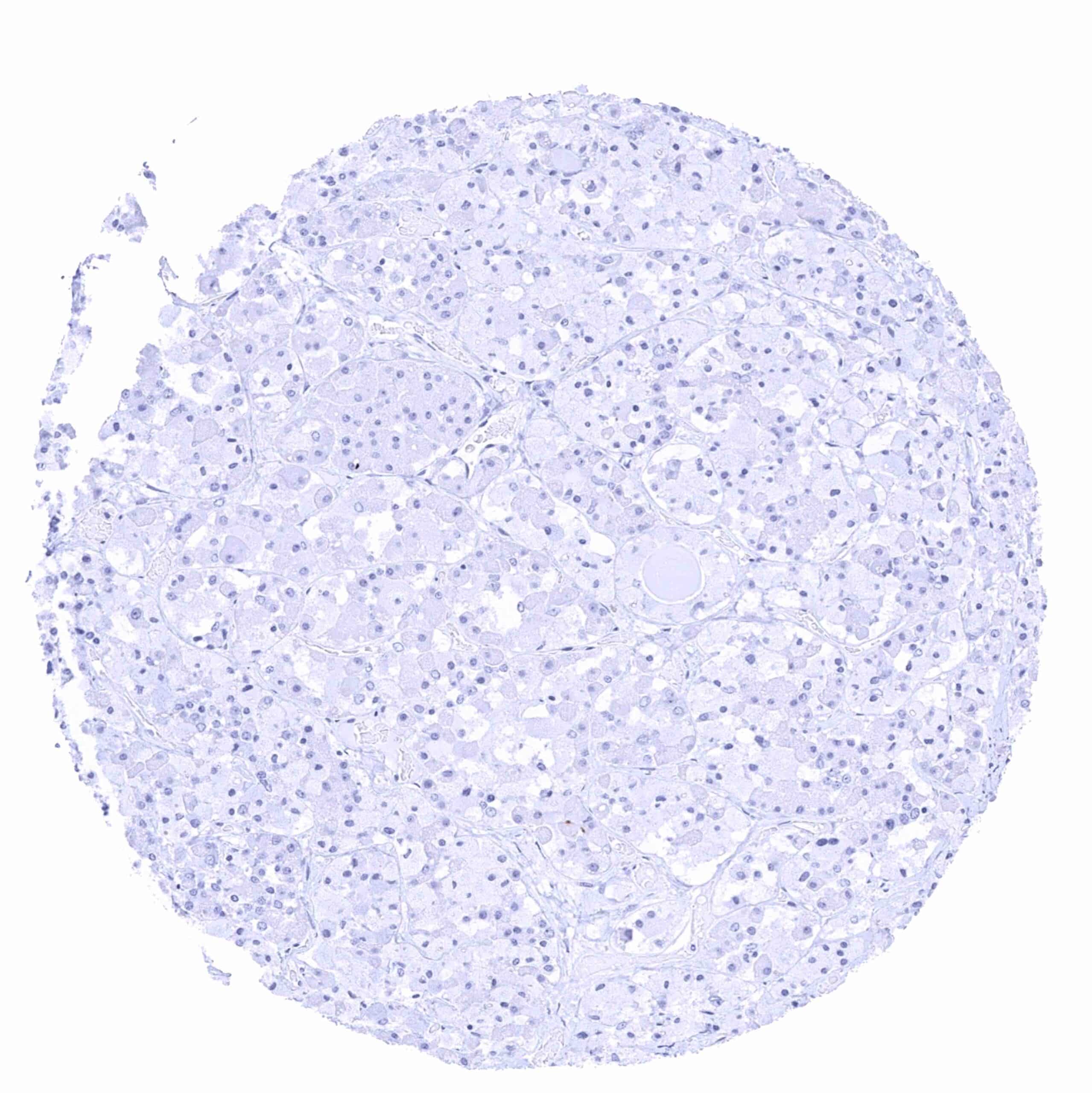
Pituitary, anterior lobe
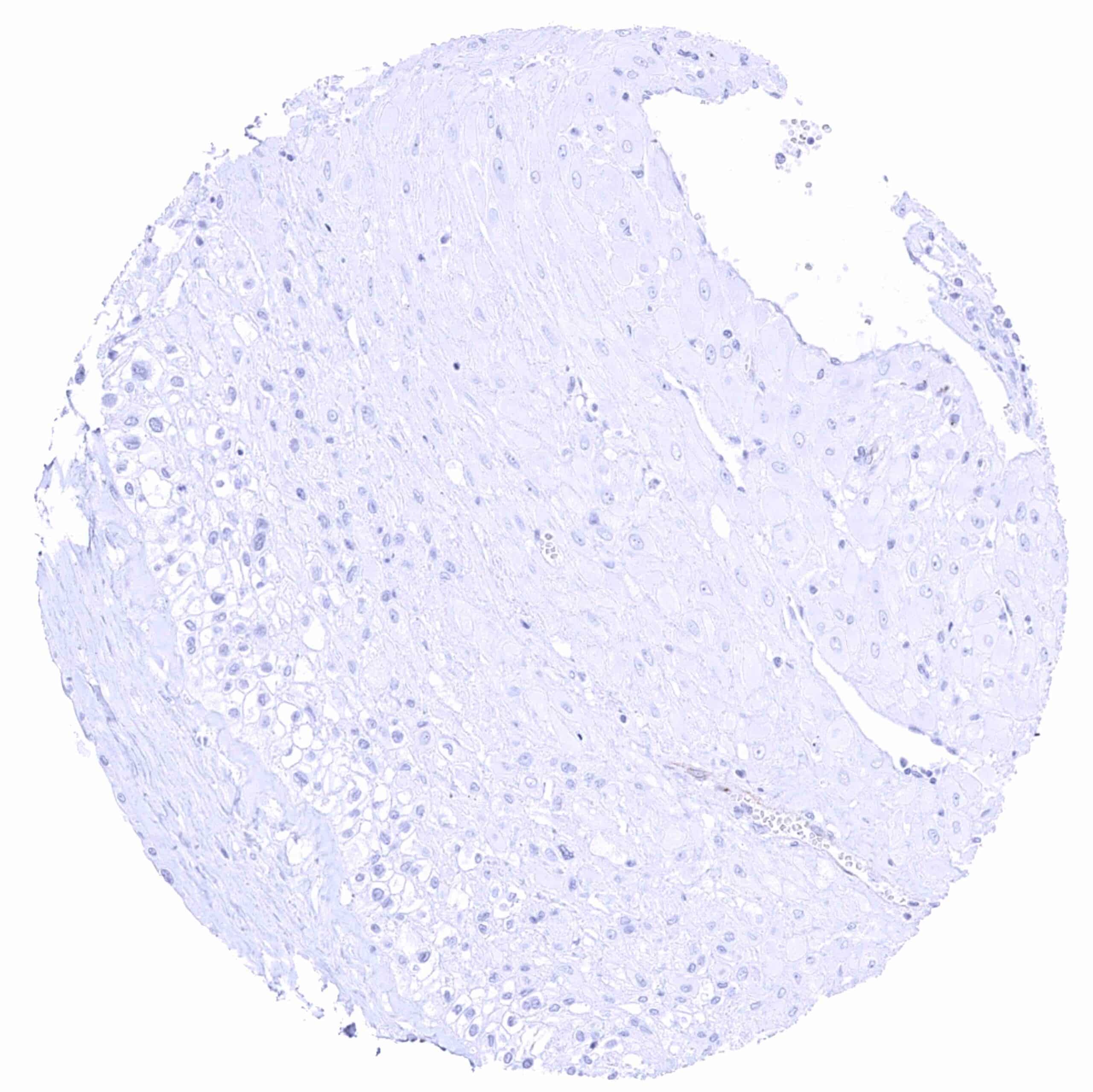
Placenta (chorion) – Endothelial PSMA staining in a small vessel.
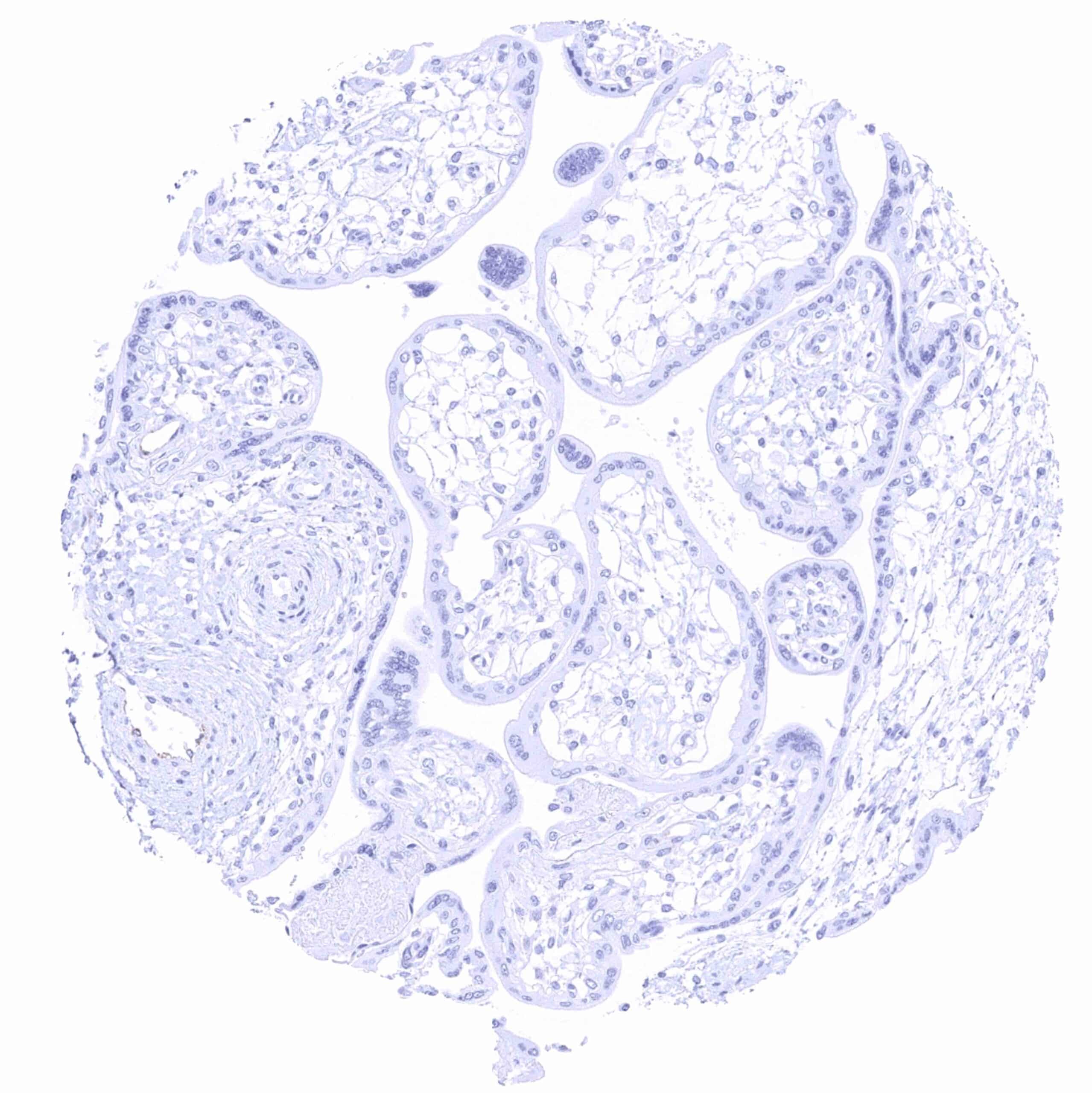
Placenta, early
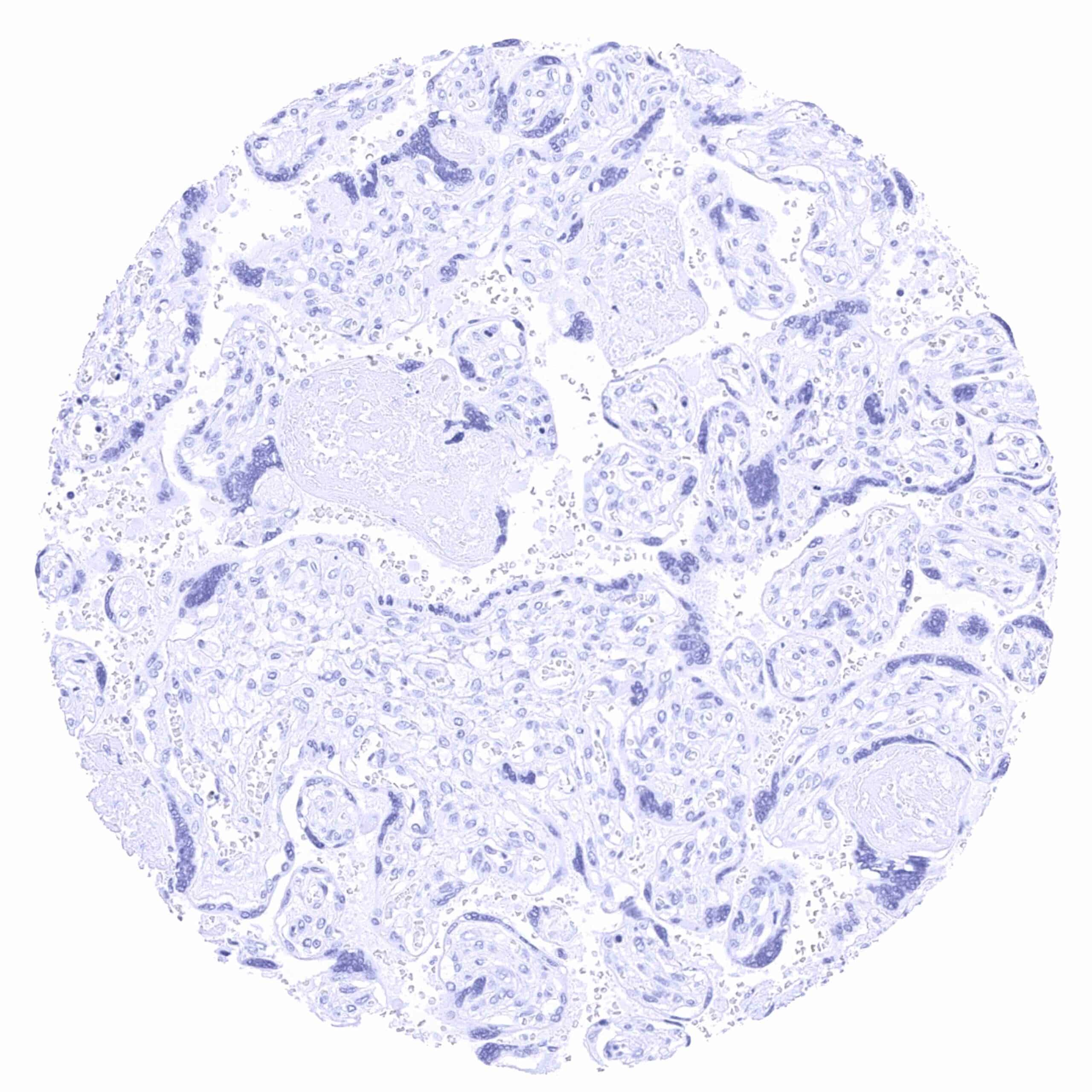
Placenta, early
Placenta, mature
Placenta, mature
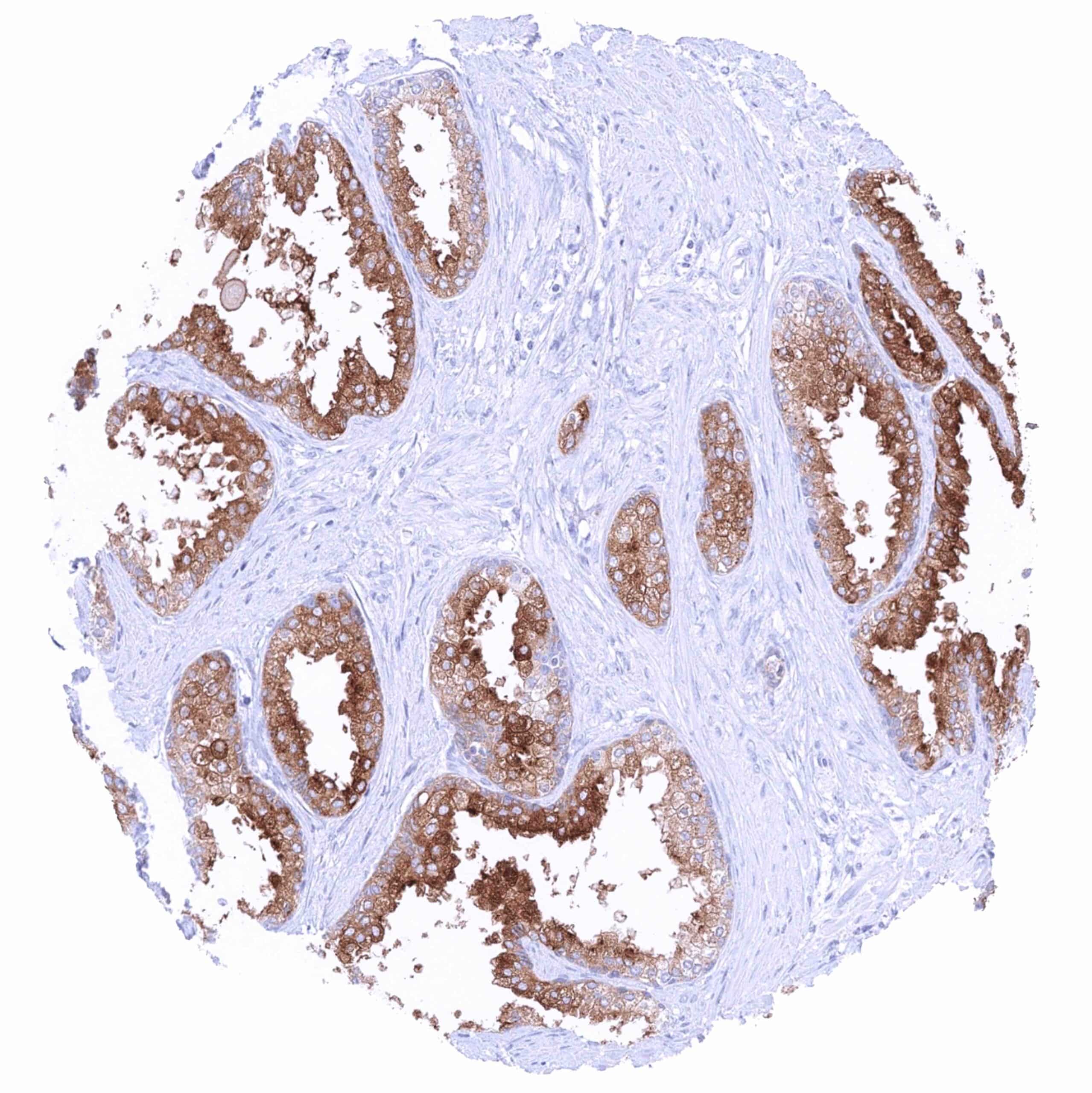
Prostate – Intense cytoplasmatic PSMA staining of all luminal epithelial cells.
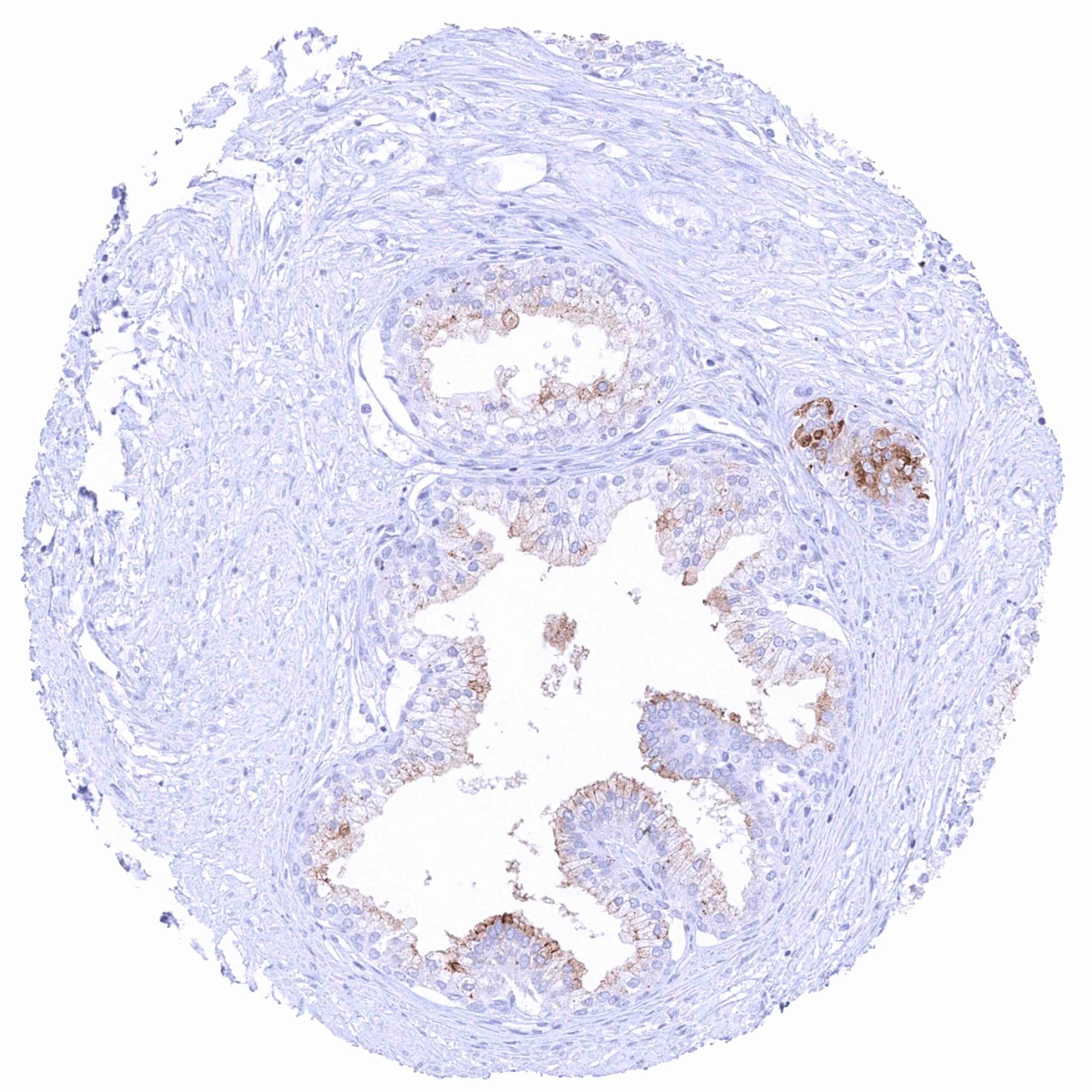
Prostate – Weak membranous (apical) and cytoplasmatic PSMA staining of most luminal cells in this sample.
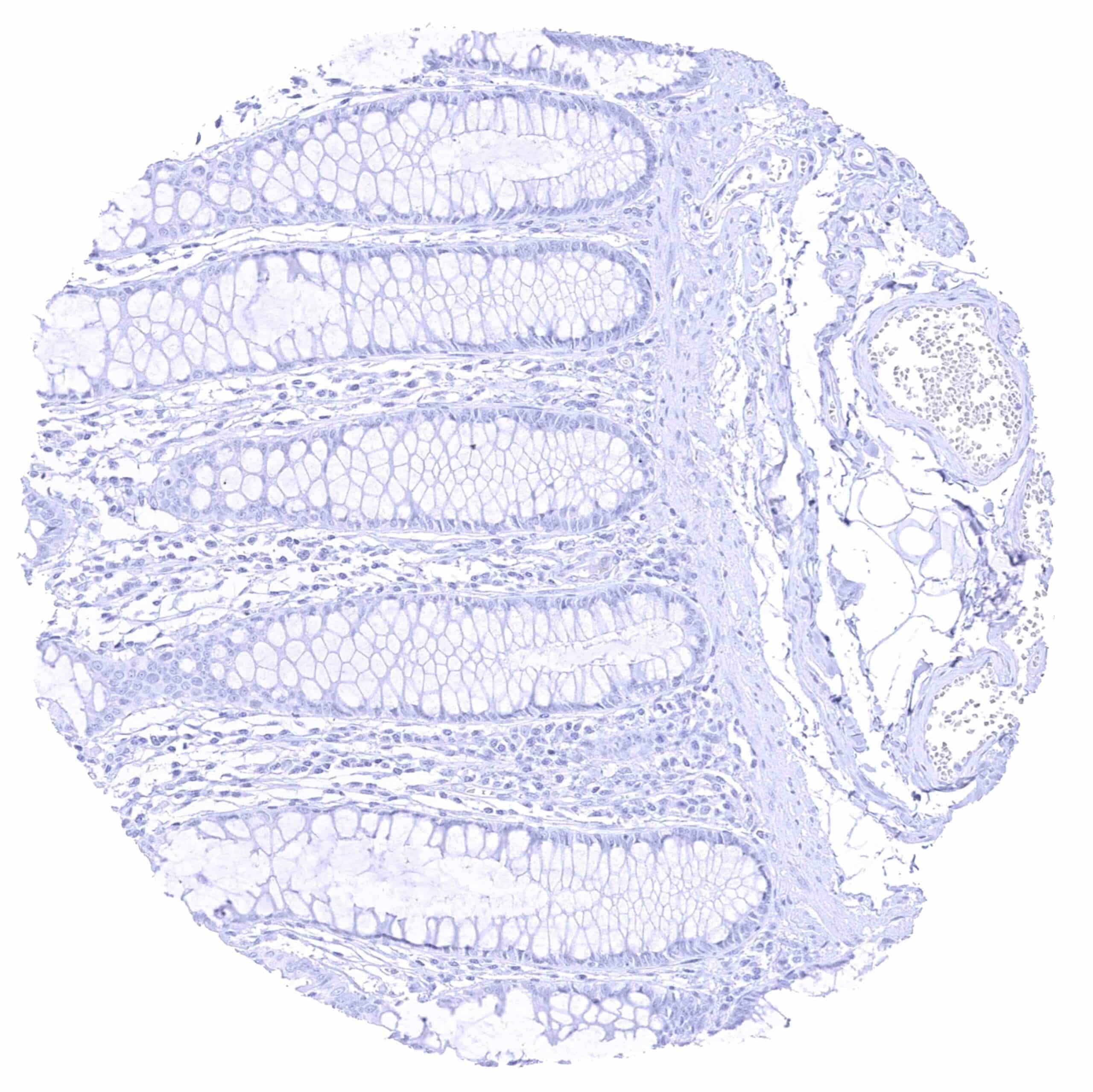
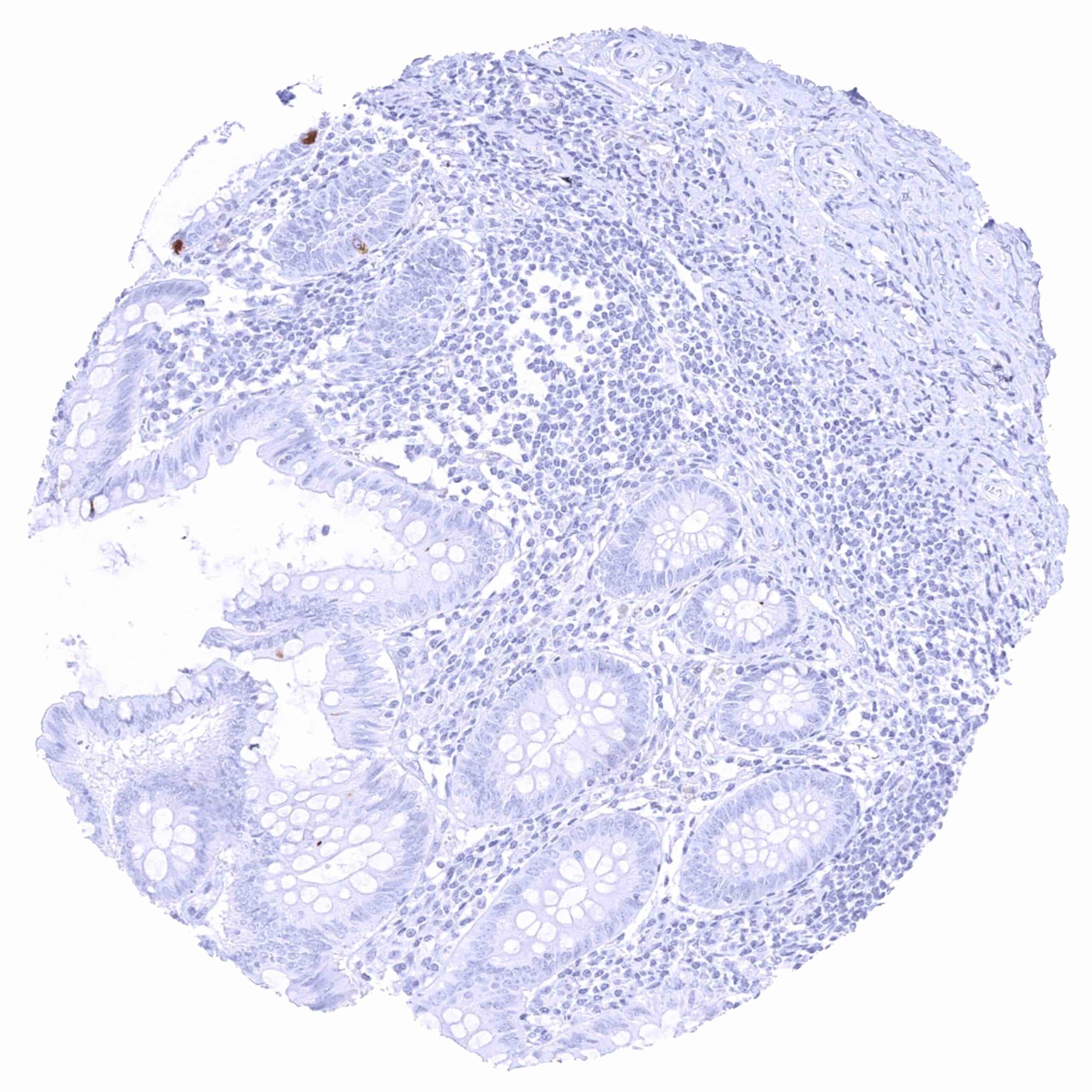
Rectum, mucosa
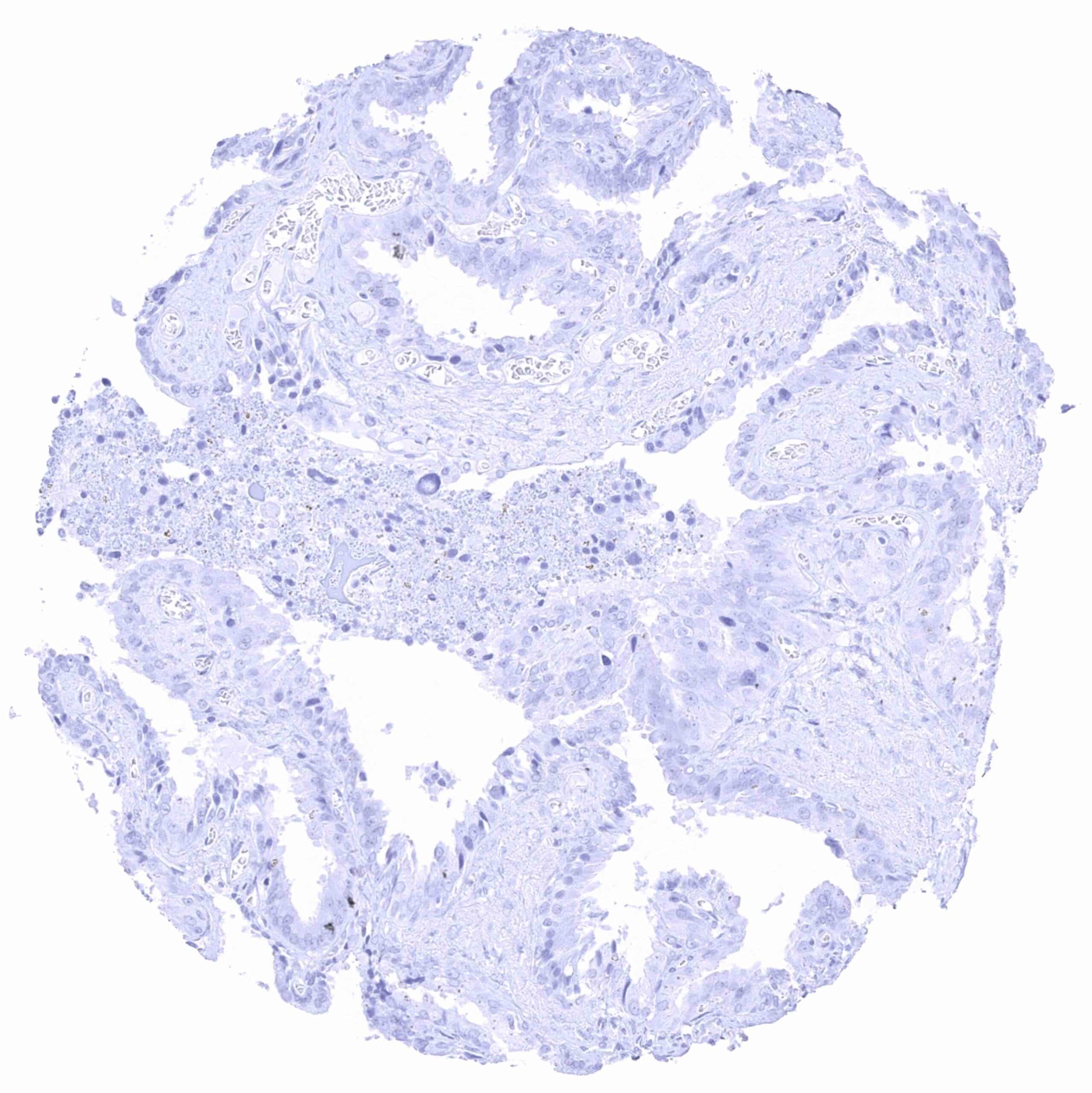
Rectum, mucosa
Seminal vesicle
Seminal vesicle
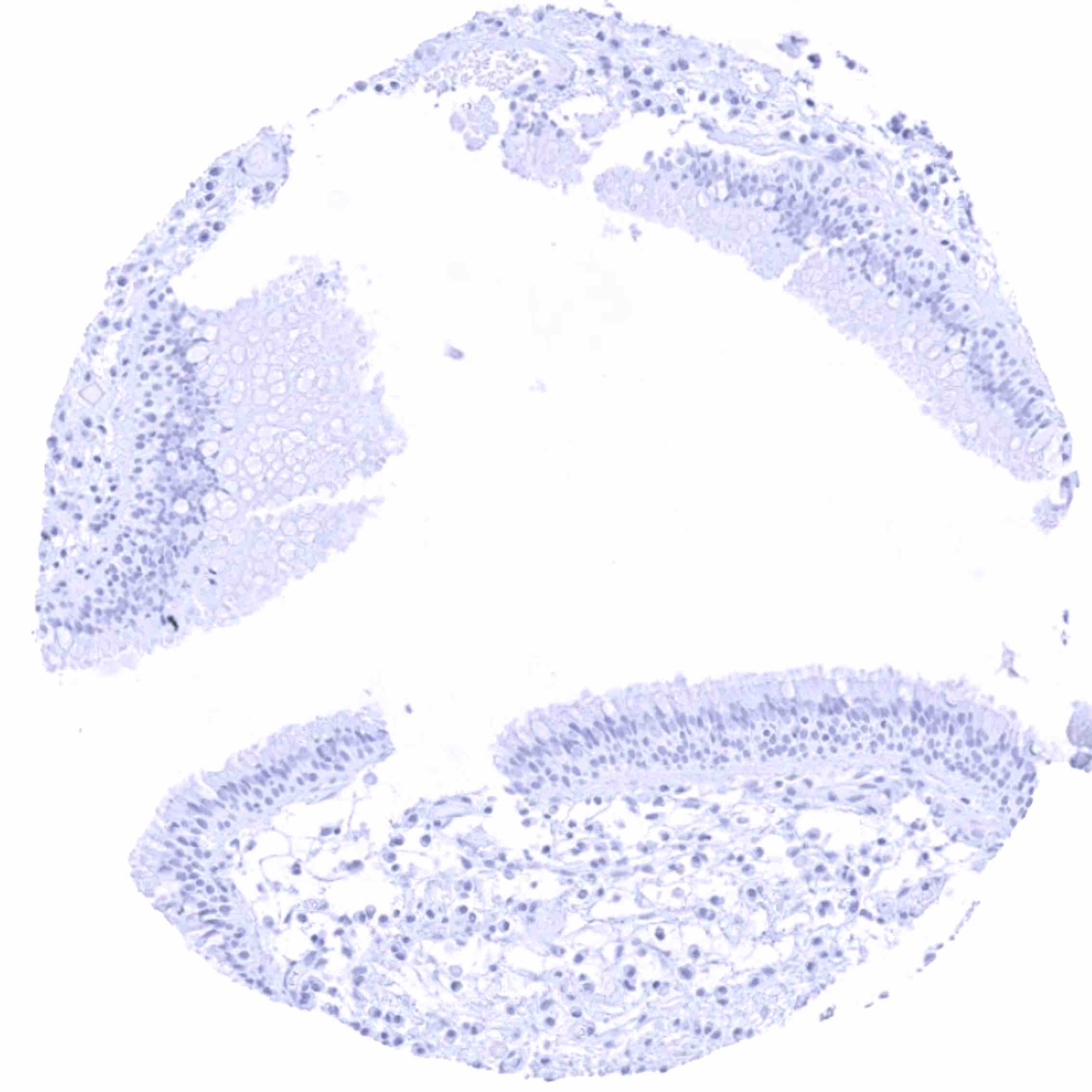
Sinus paranasales
Sinus paranasales
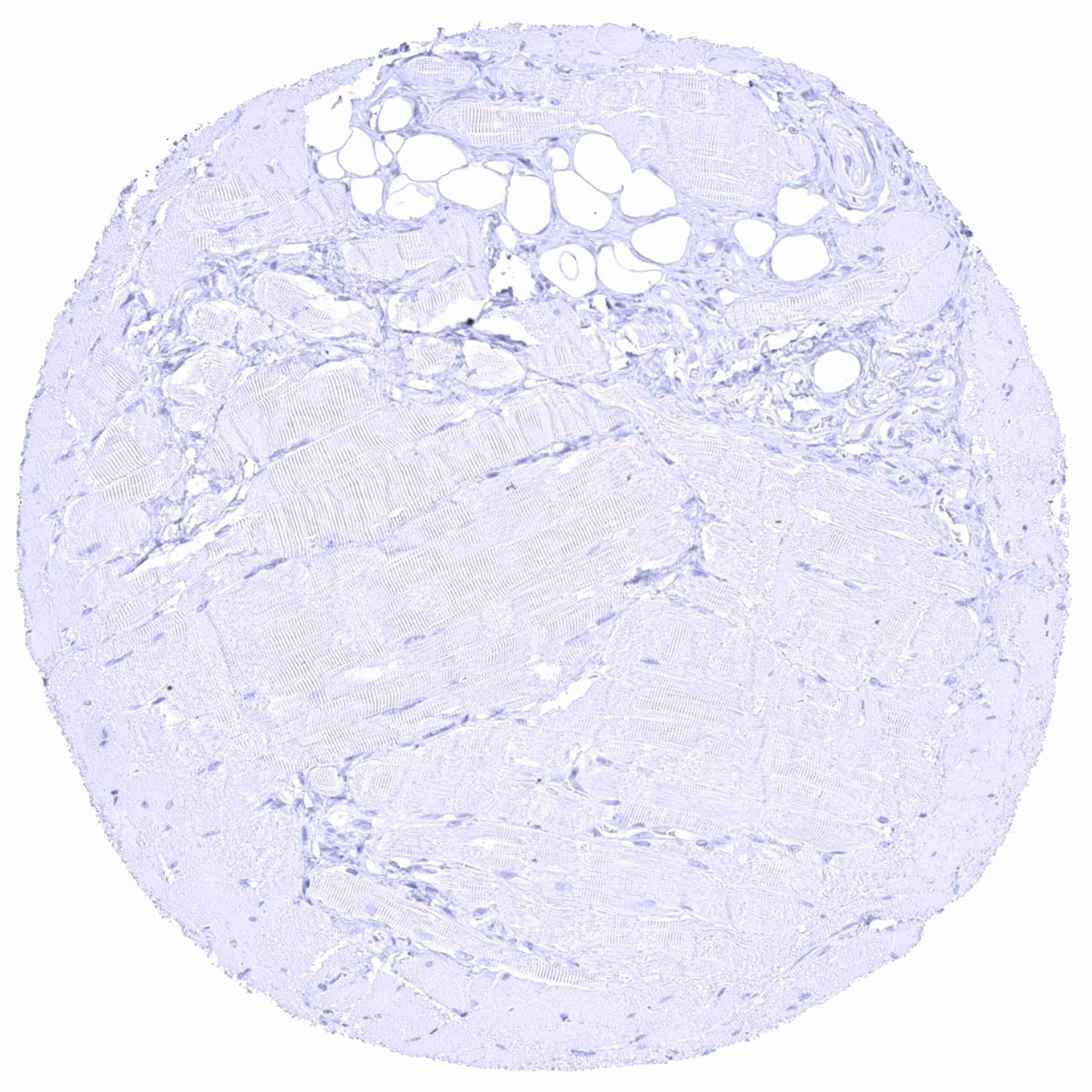
Skeletal muscle
Skeletal muscle
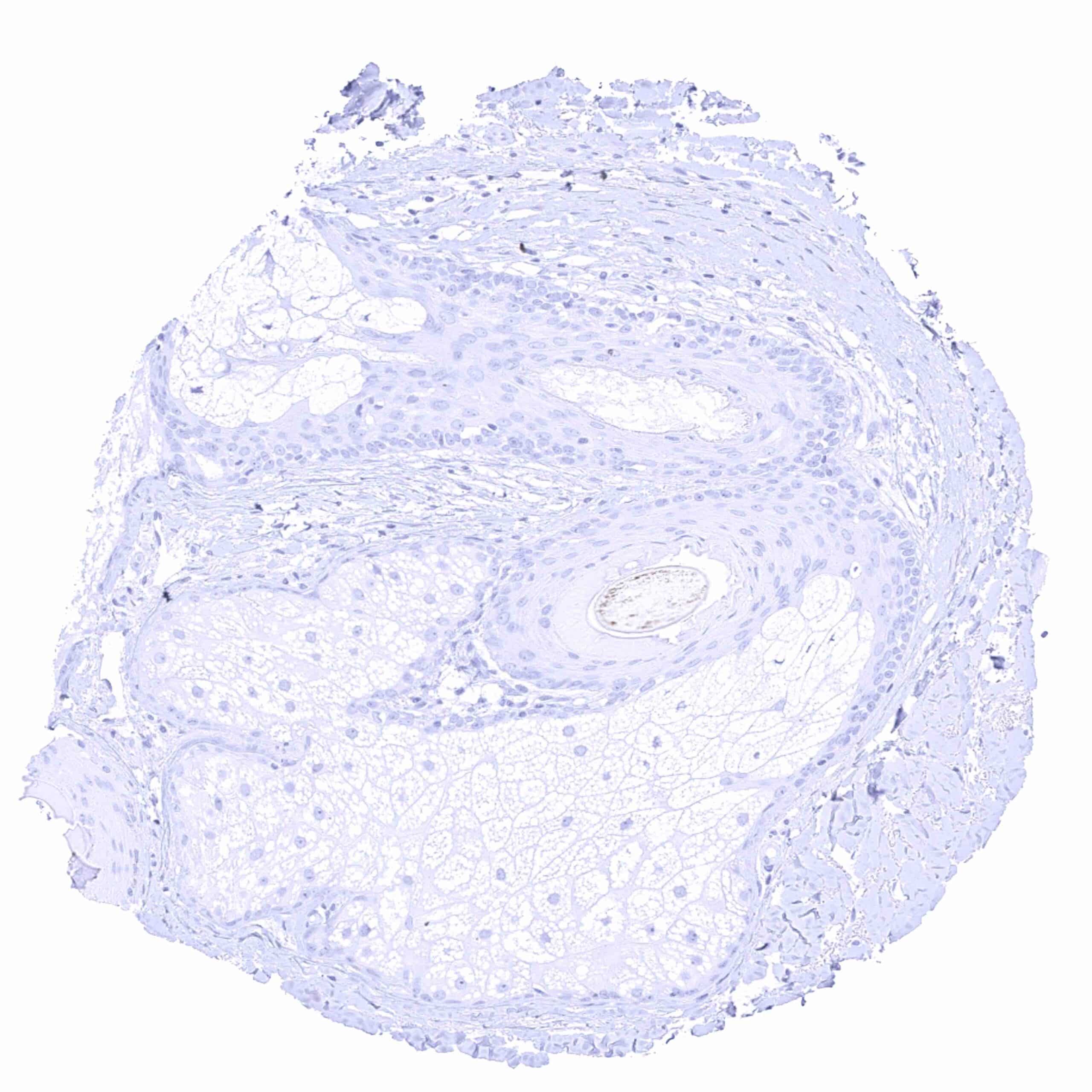
Skin, hairfollicel and sebaceous glands
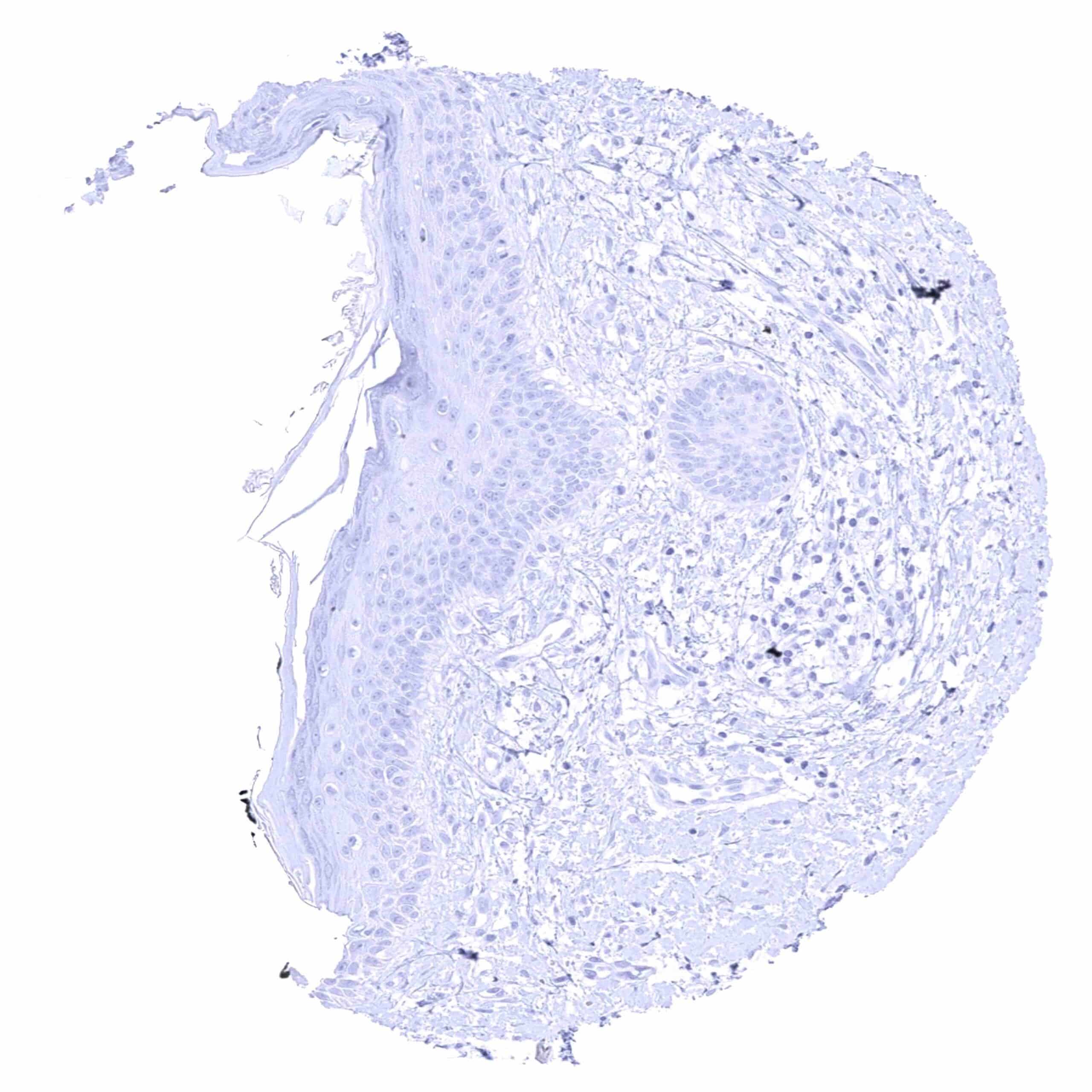
Skin
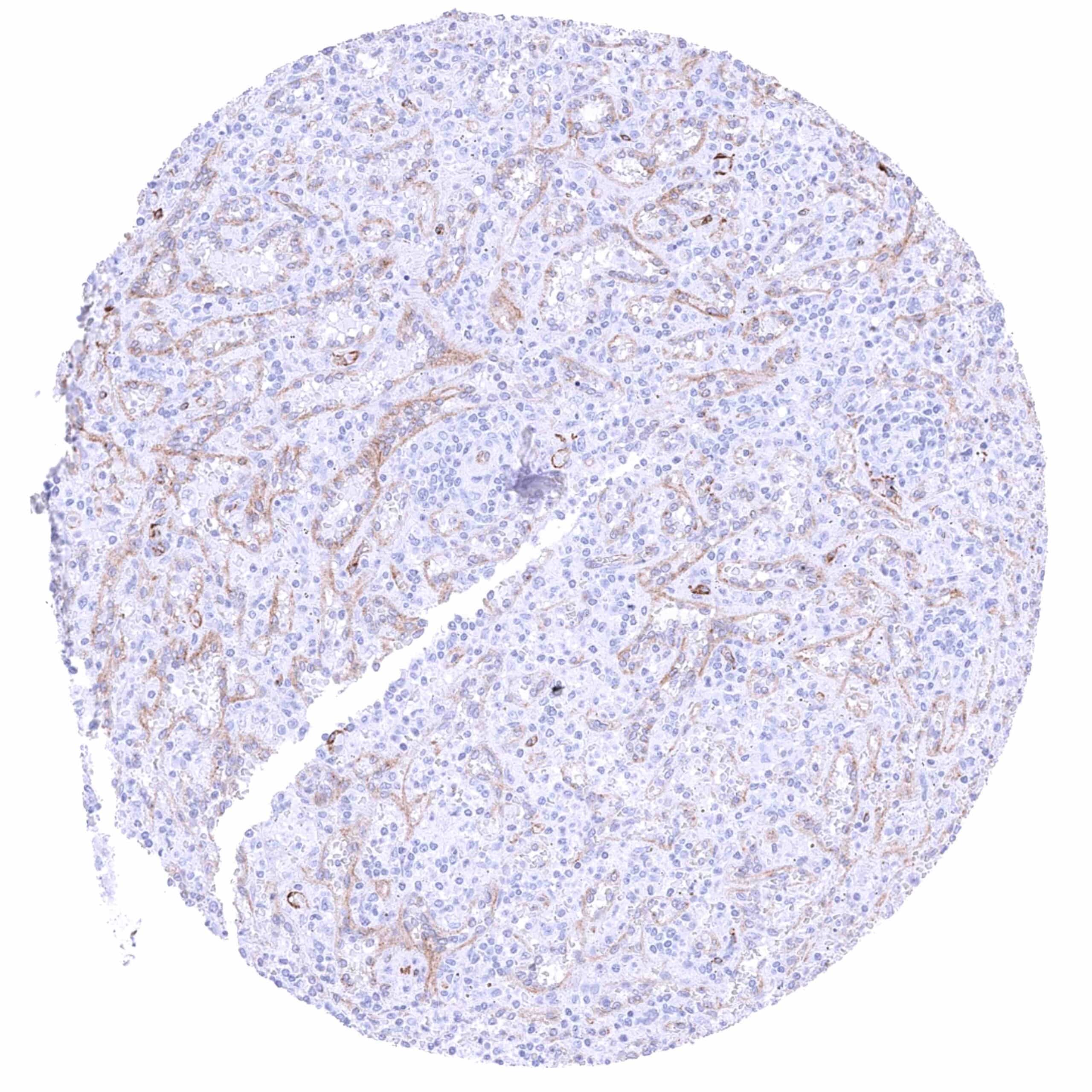
Skin
Spleen – Distinct PSMA staining of venous sinuses (littoral cells)
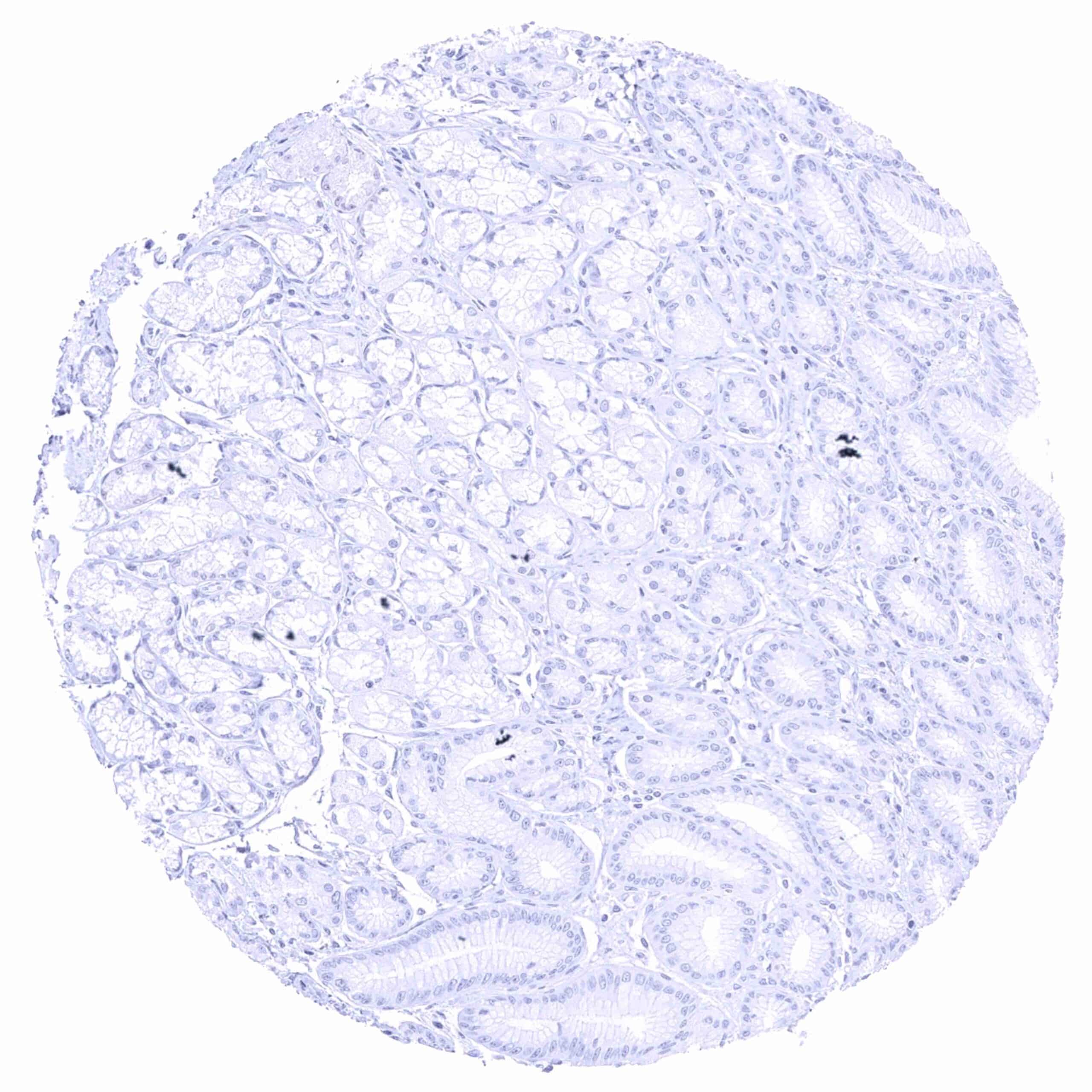
Stomach, antrum
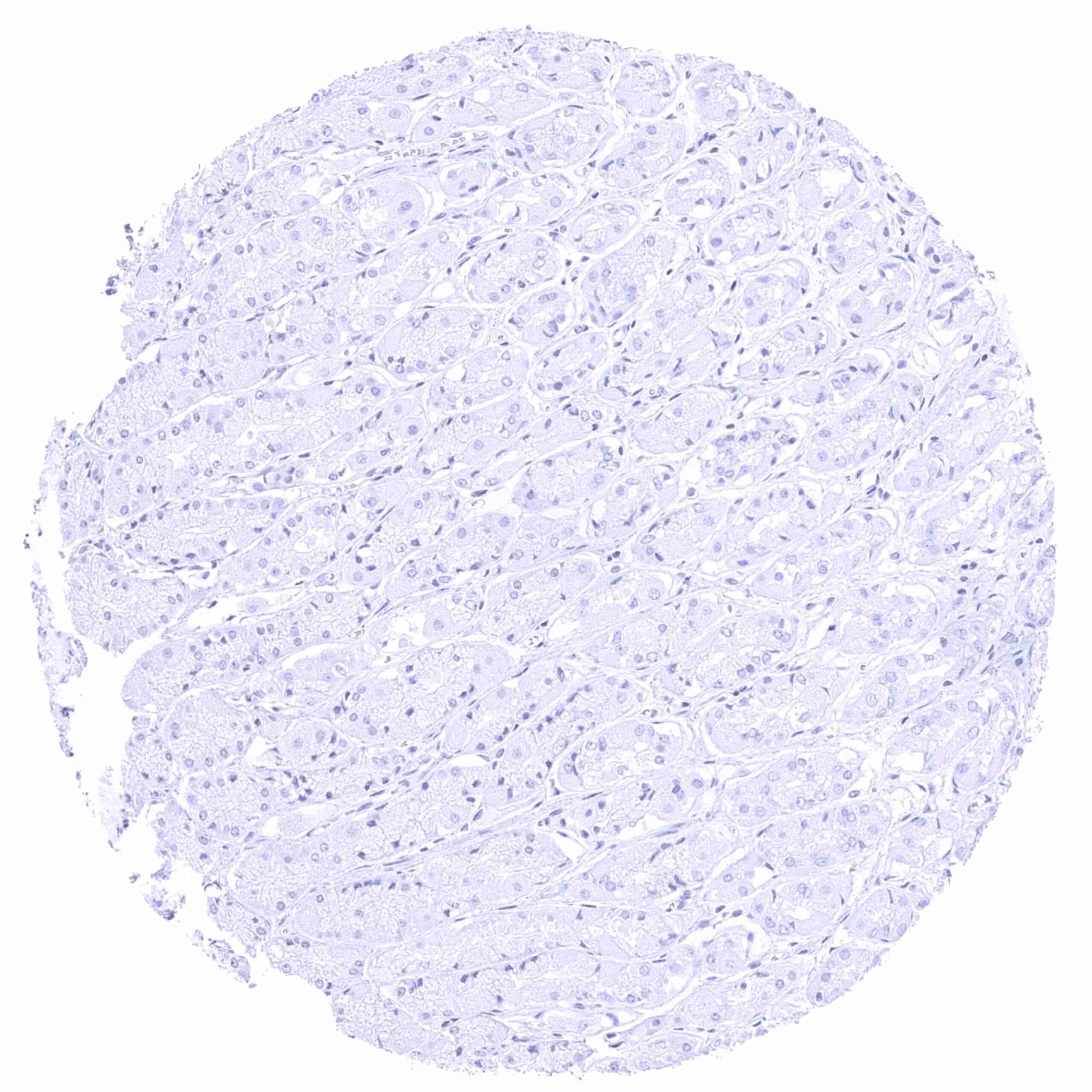
Stomach, antrum
Stomach, corpus
Stomach, corpus
Stomach, muscular wall
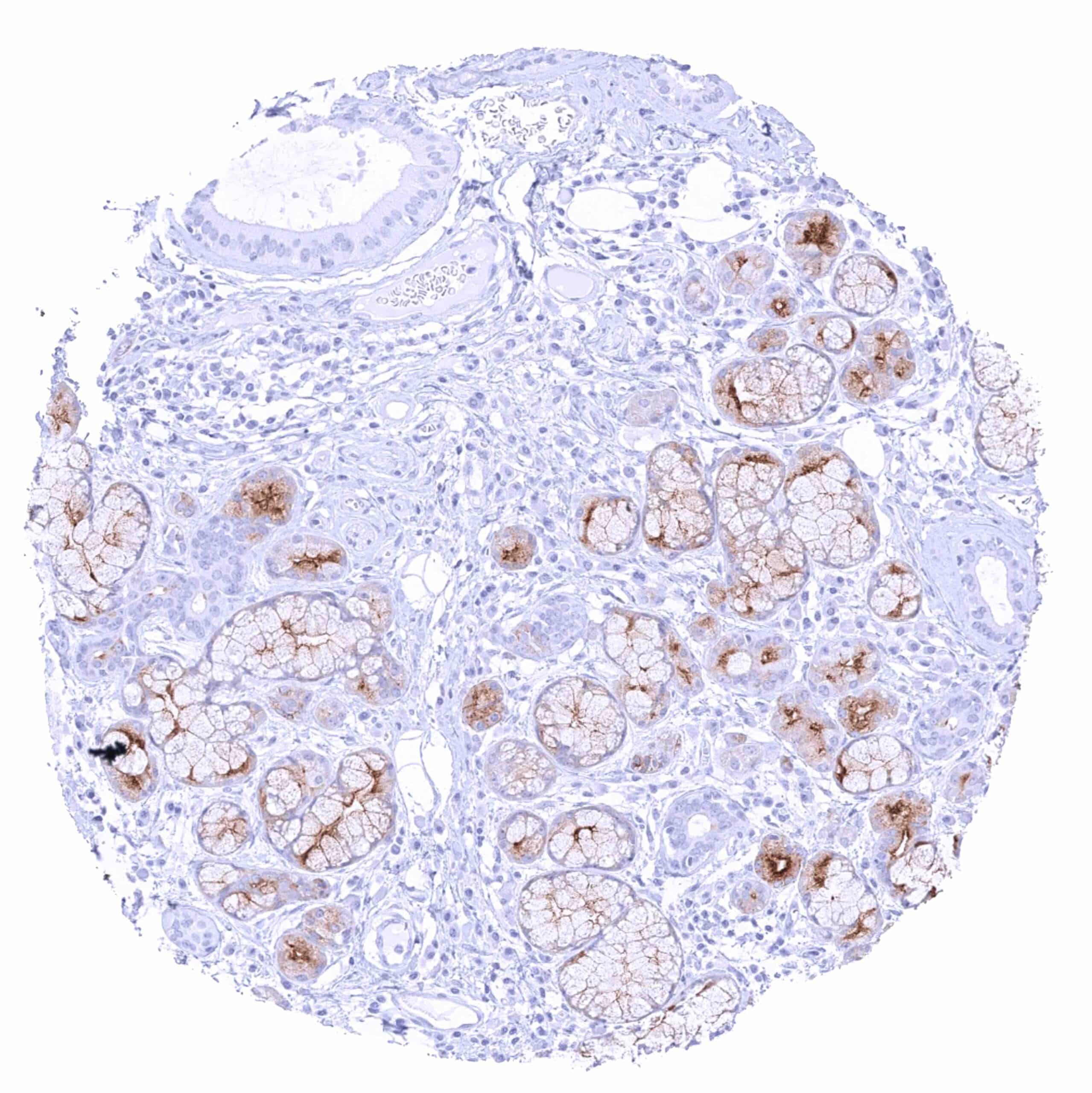
Sublingual gland – Moderate apical membranous and weak cytoplasmic PSMA staining of glands.
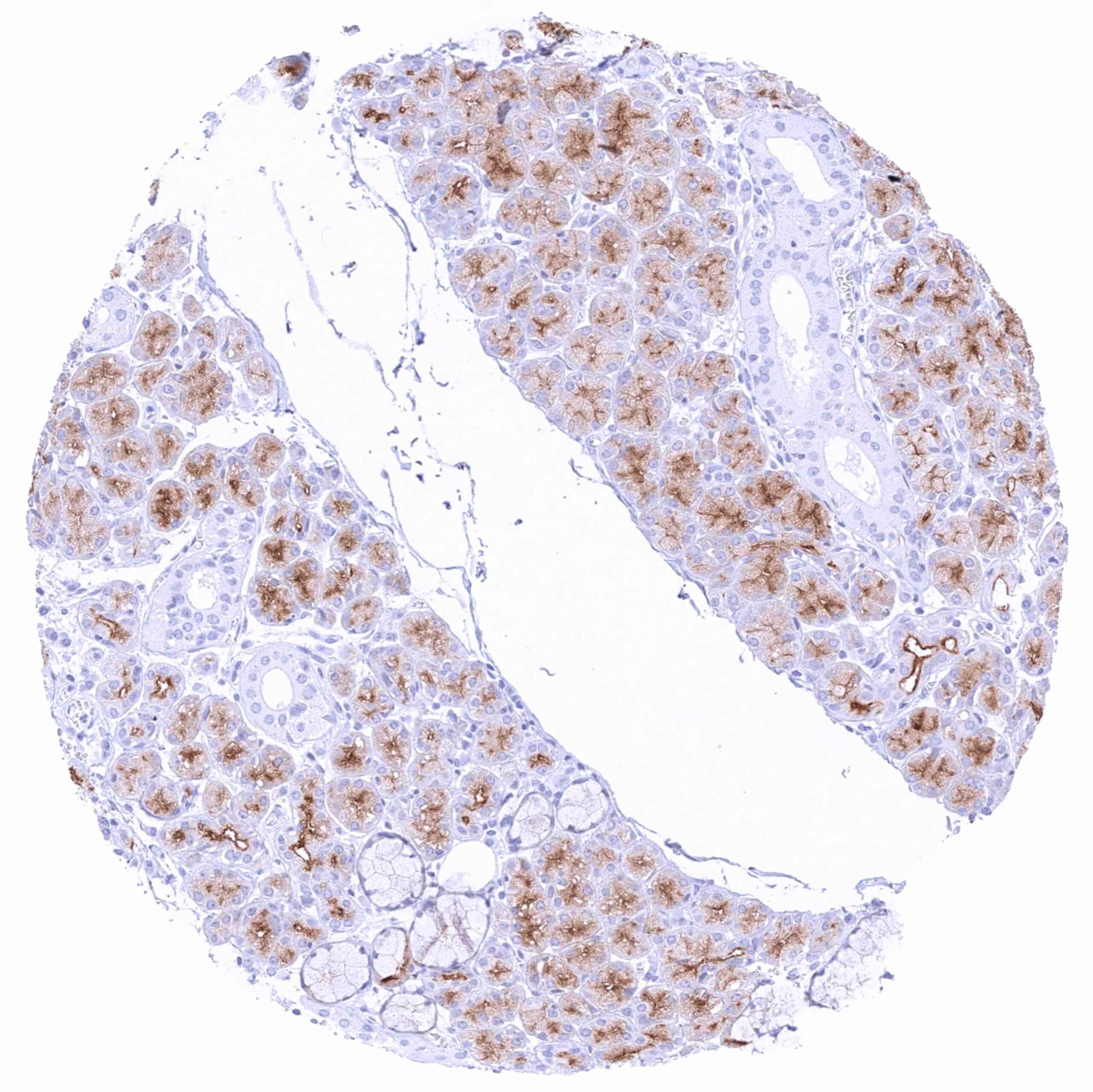
Submandibular gland – Strong apical membranous and weak to moderate cytoplasmic PSMA staining of glandular cells (more intense in serous than in mucinous glands).
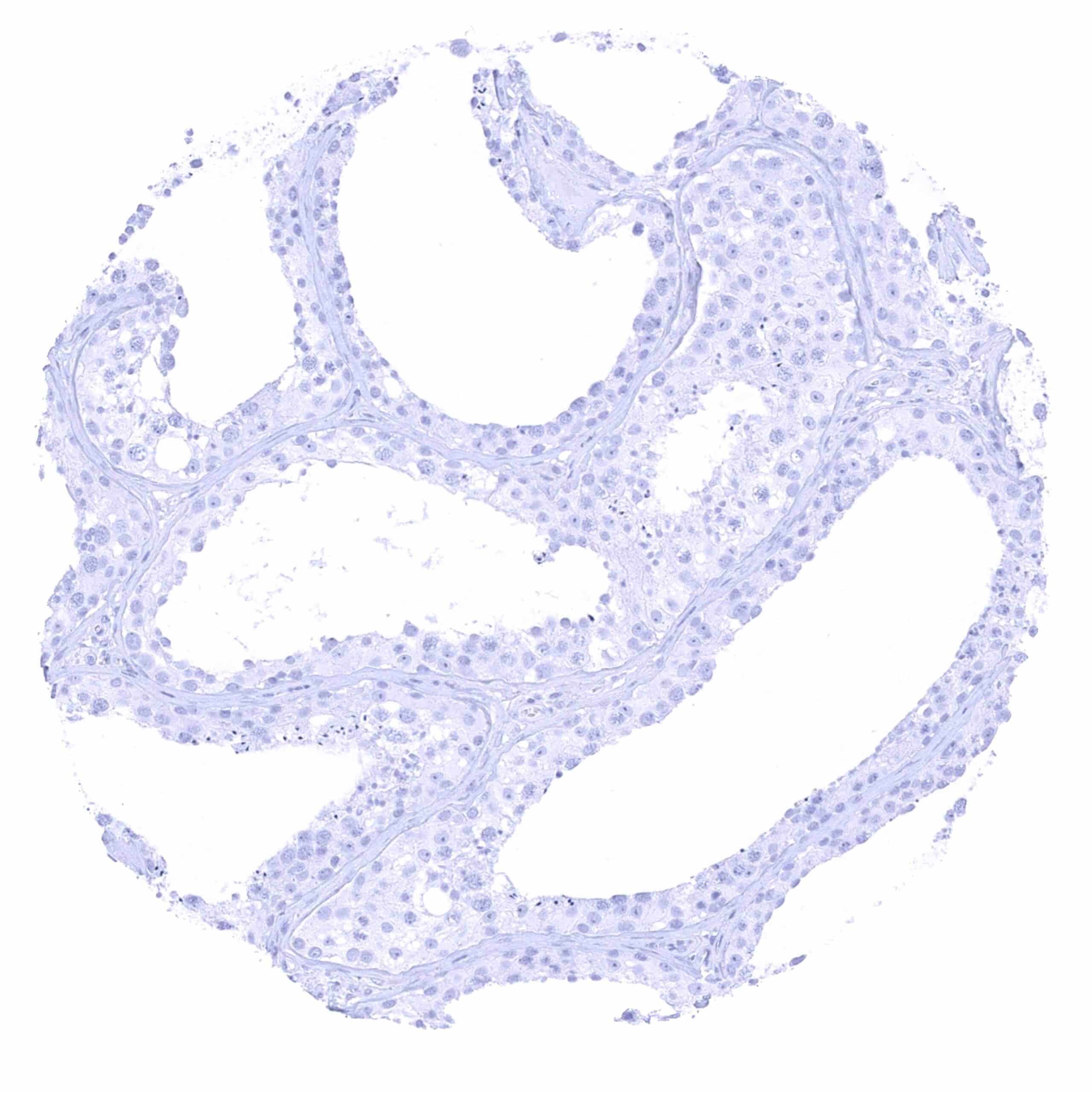
Testis
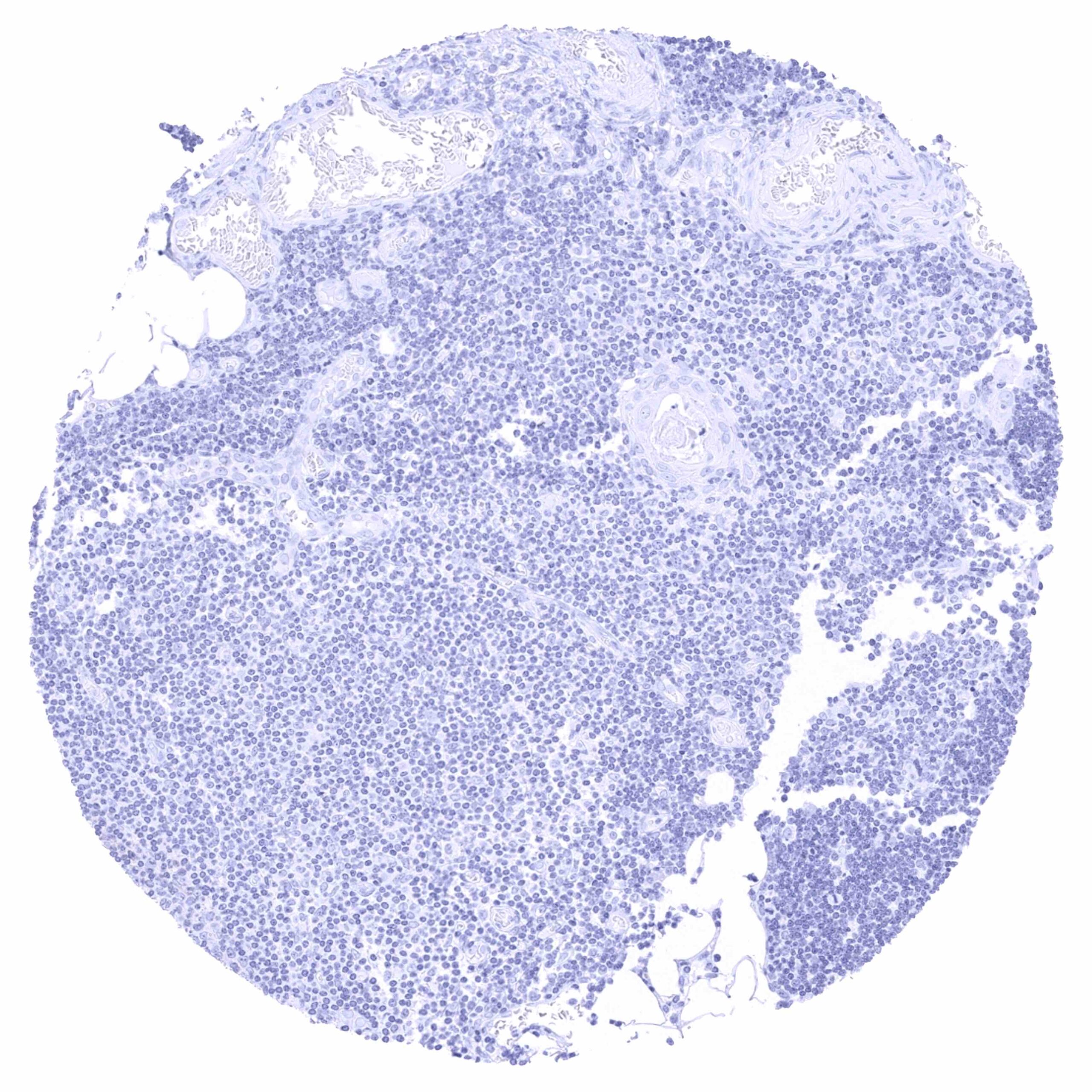
Testis
Thymus
Thymus
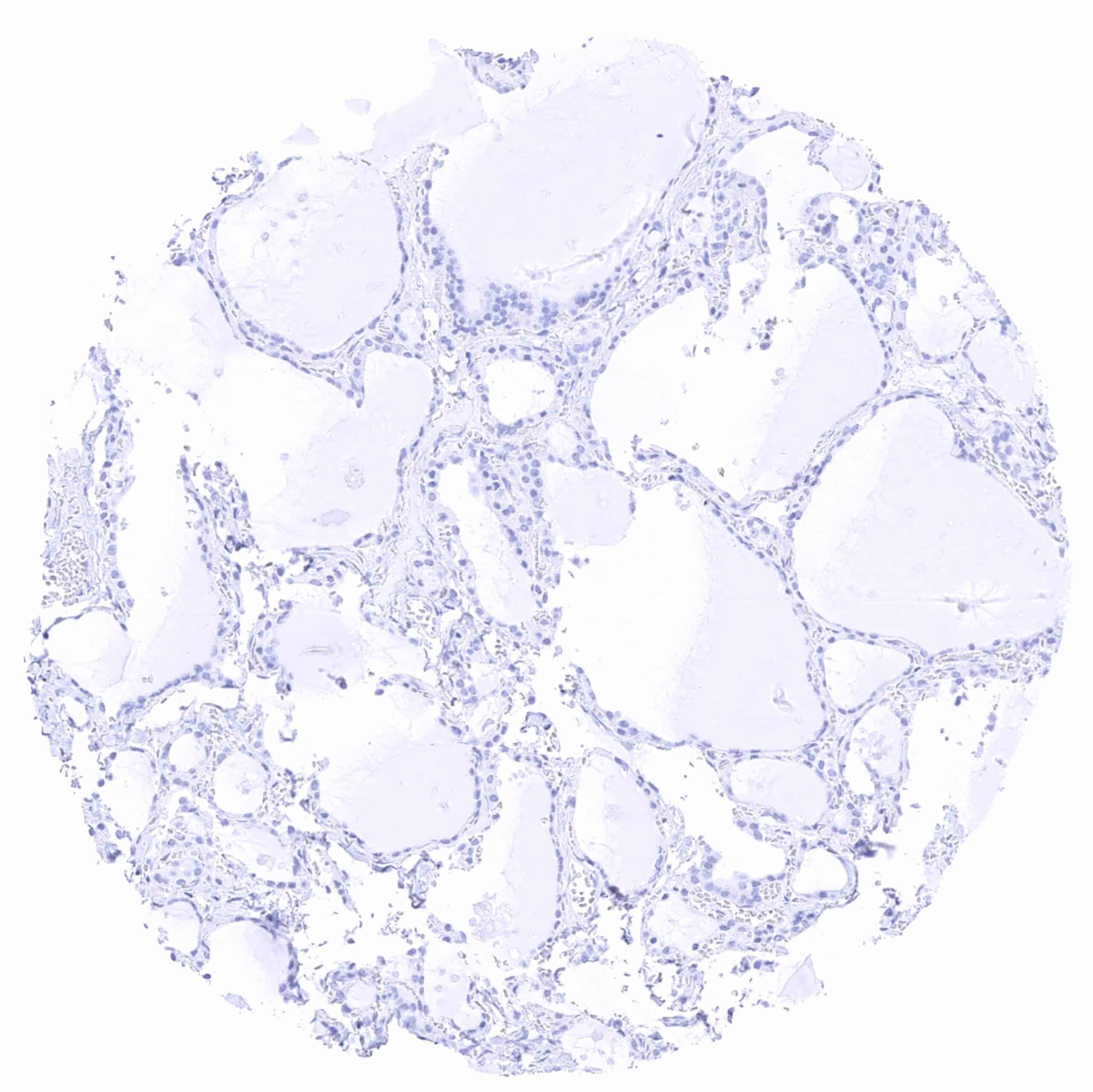
Thyroid gland
Thyroid gland
Tonsil, surface epithelium
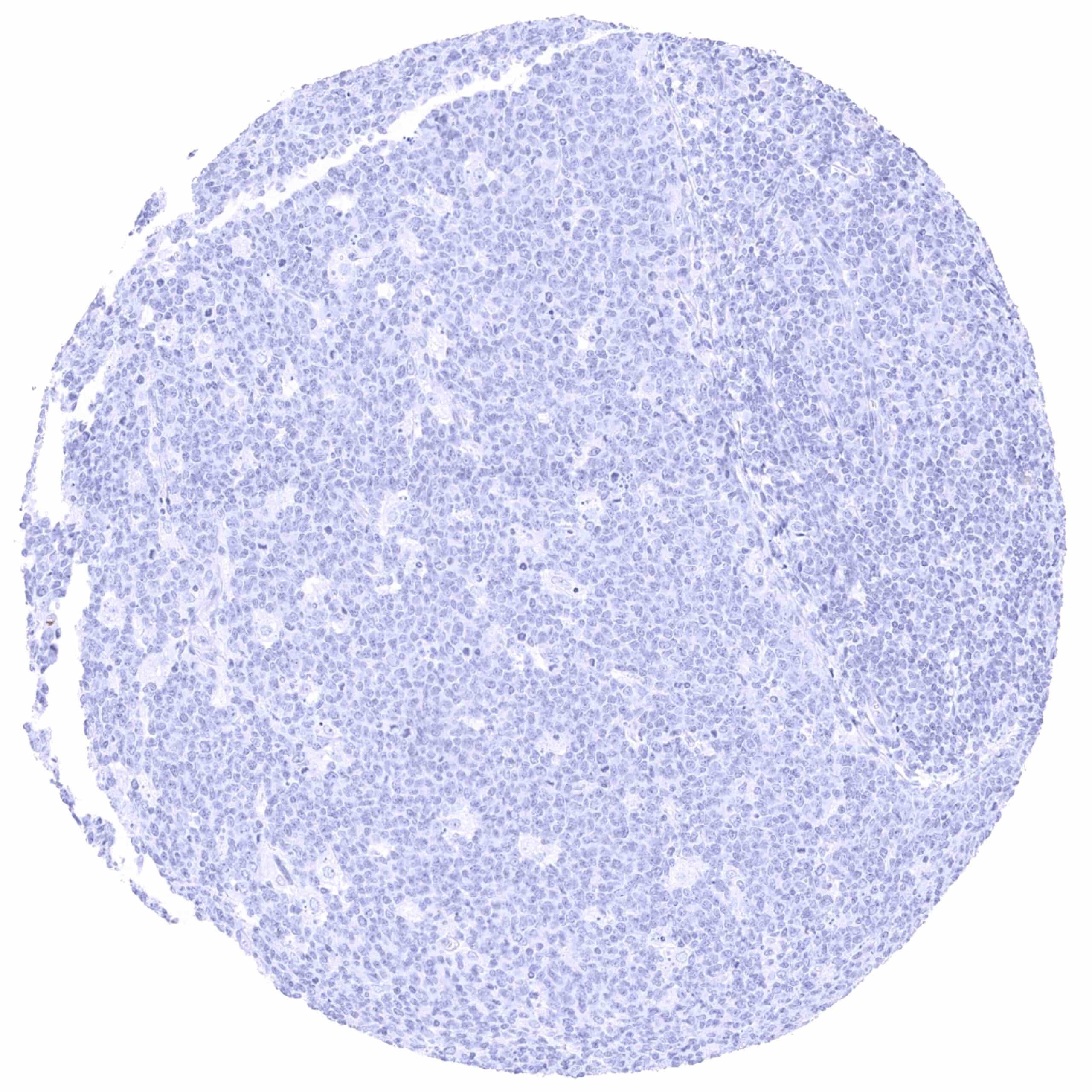
Tonsil
Tonsil
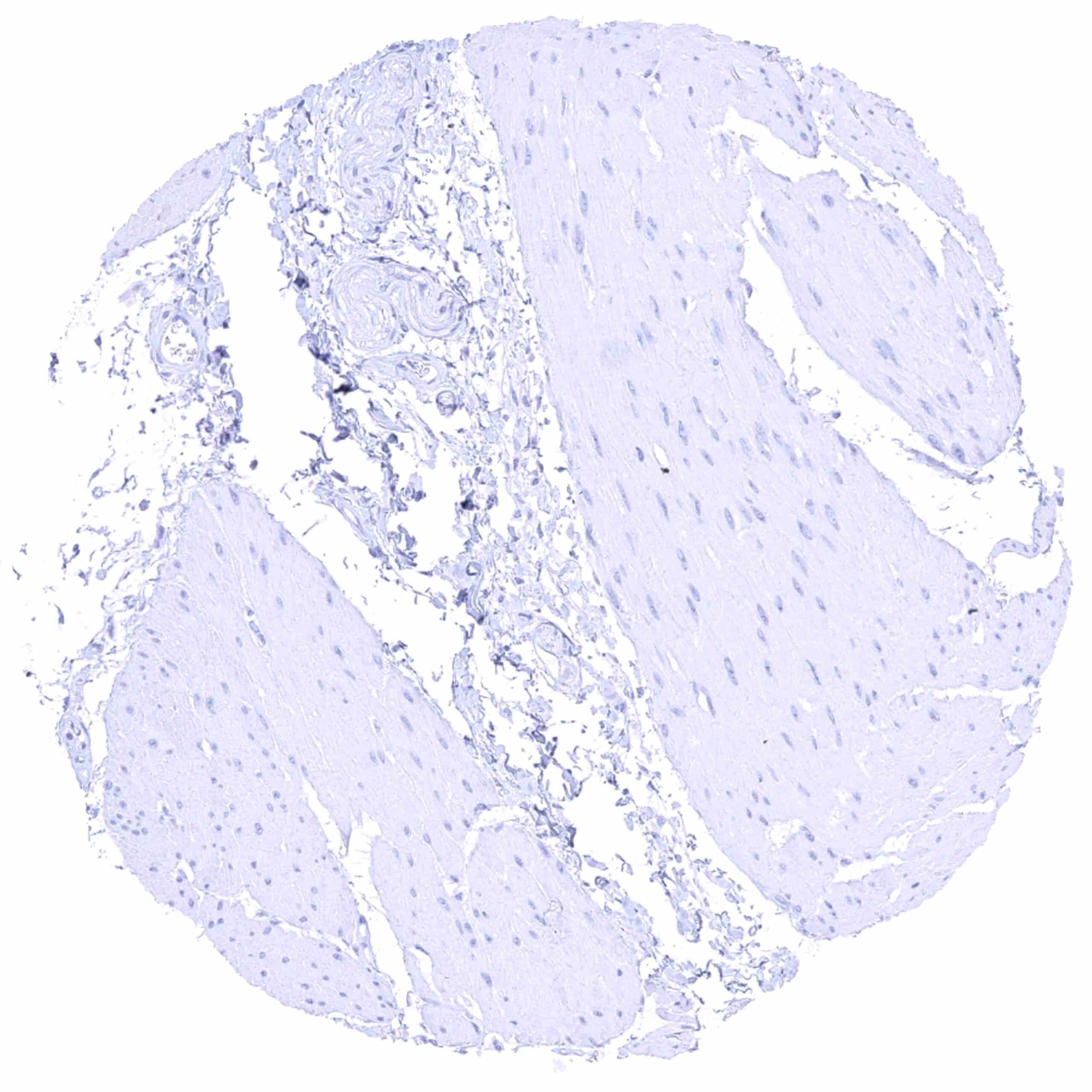
Urinary bladder, muscular wall
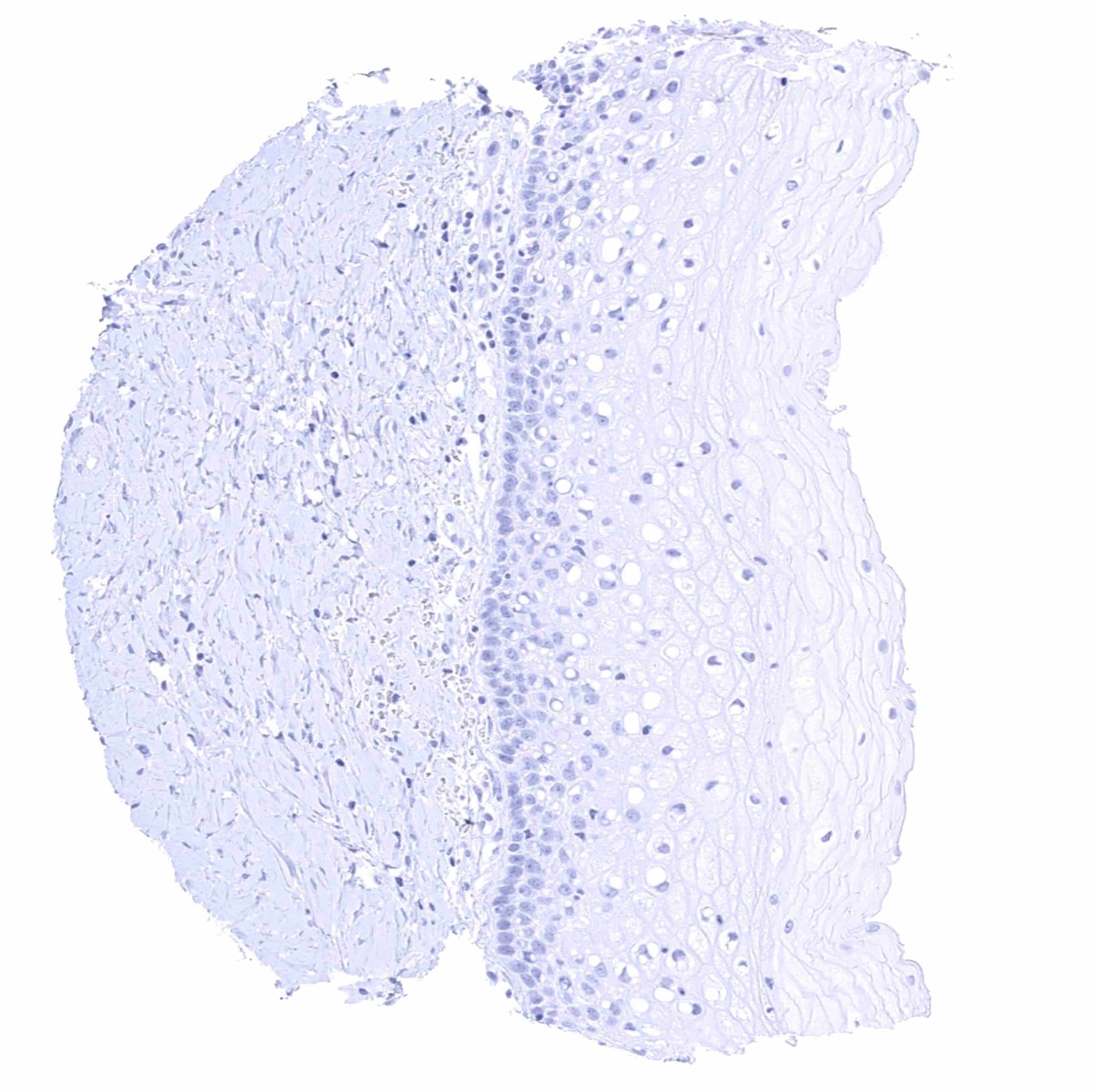
Uterus, ectocervix
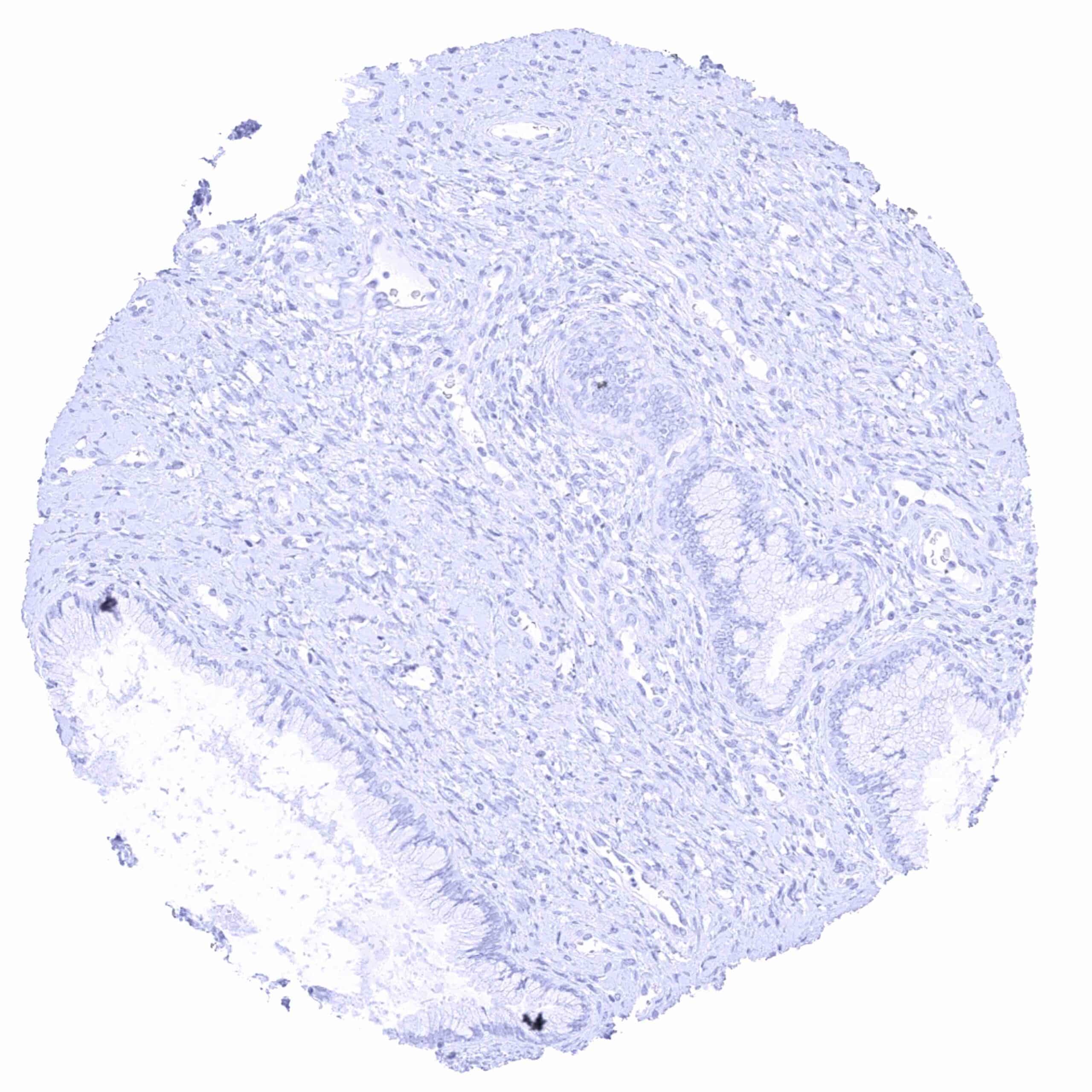
Uterus, ectocervix
Uterus, endocervix
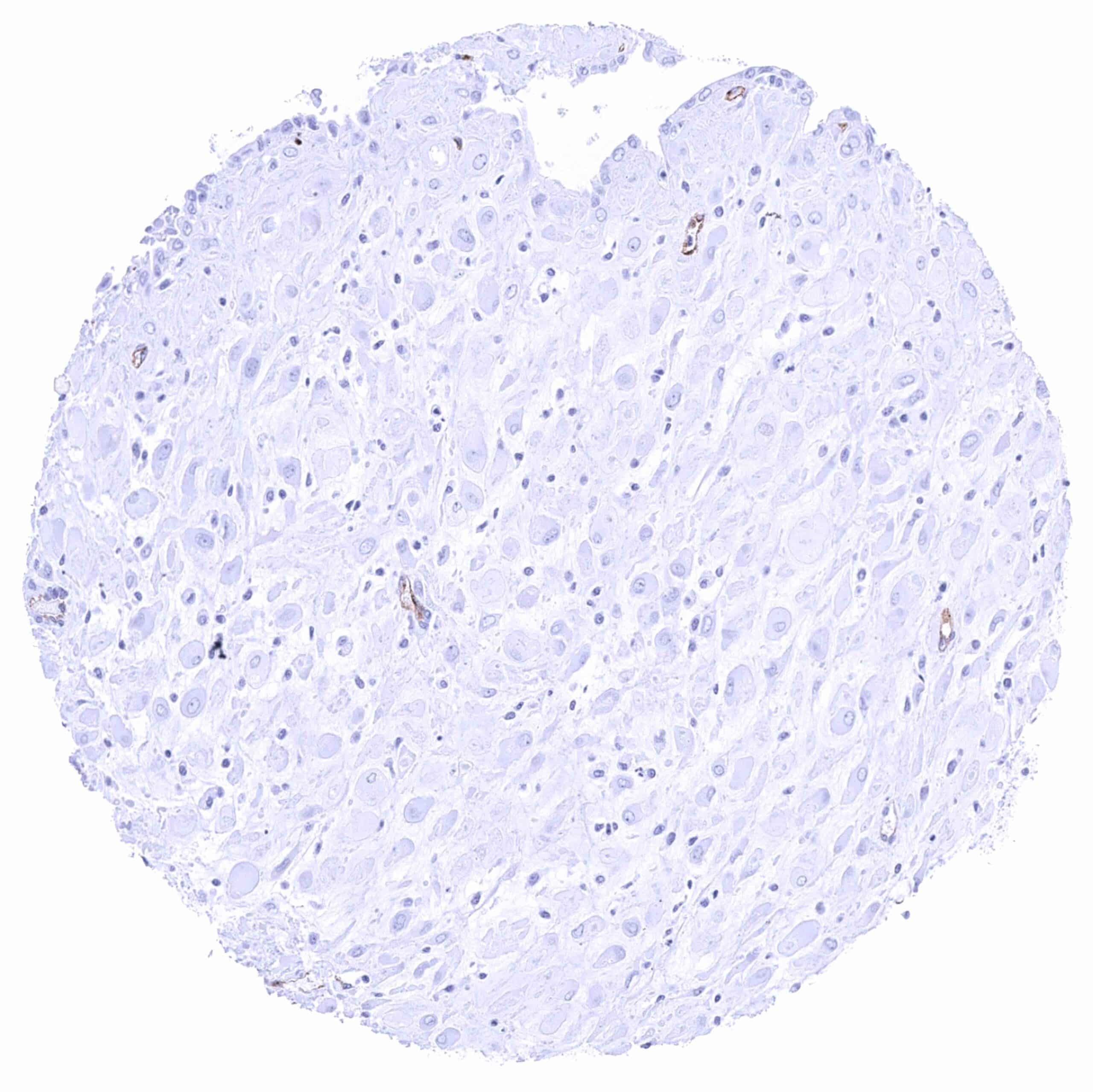
Uterus, endocervix
Uterus, endometrium (pregnancy)
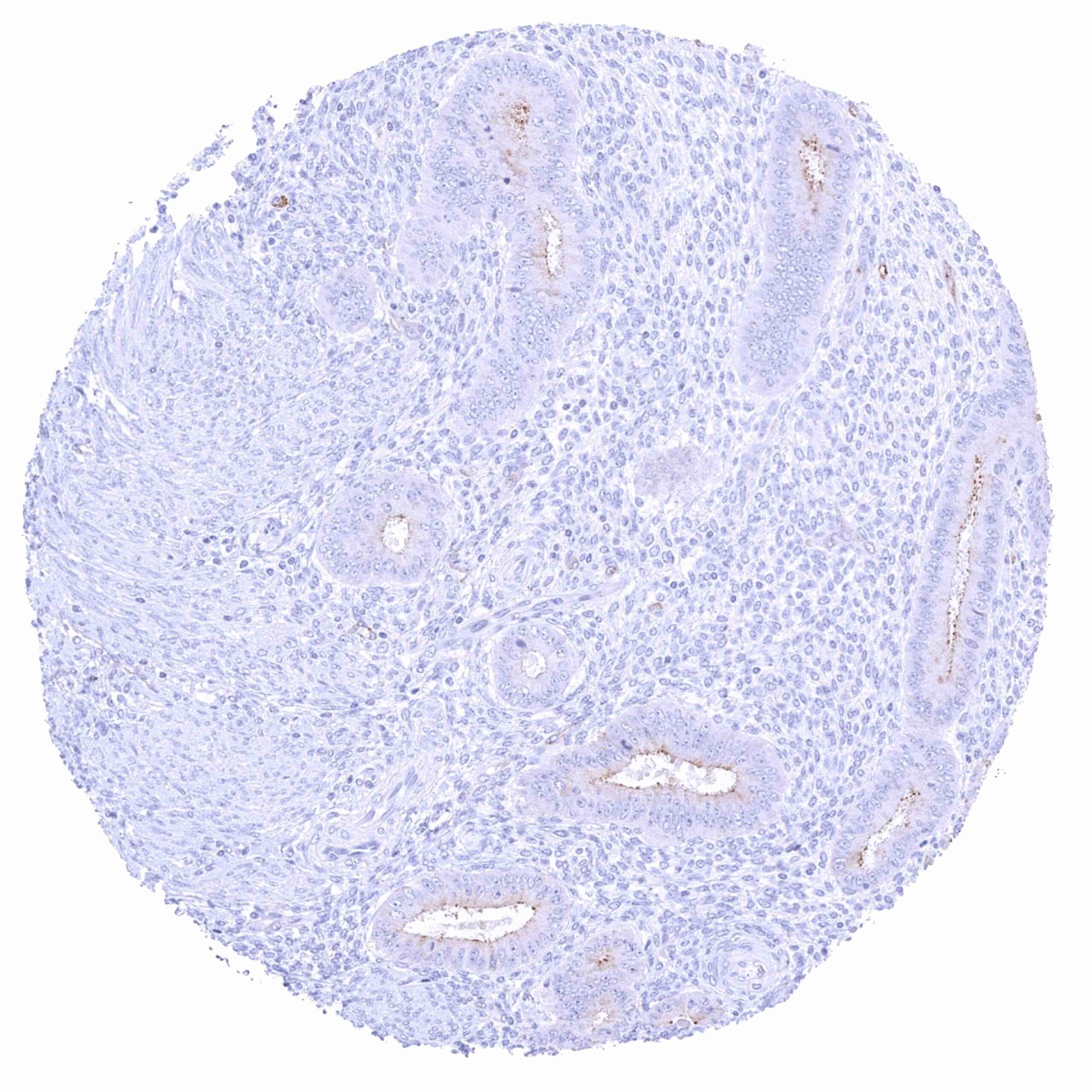
Uterus, endometrium (proliferation)
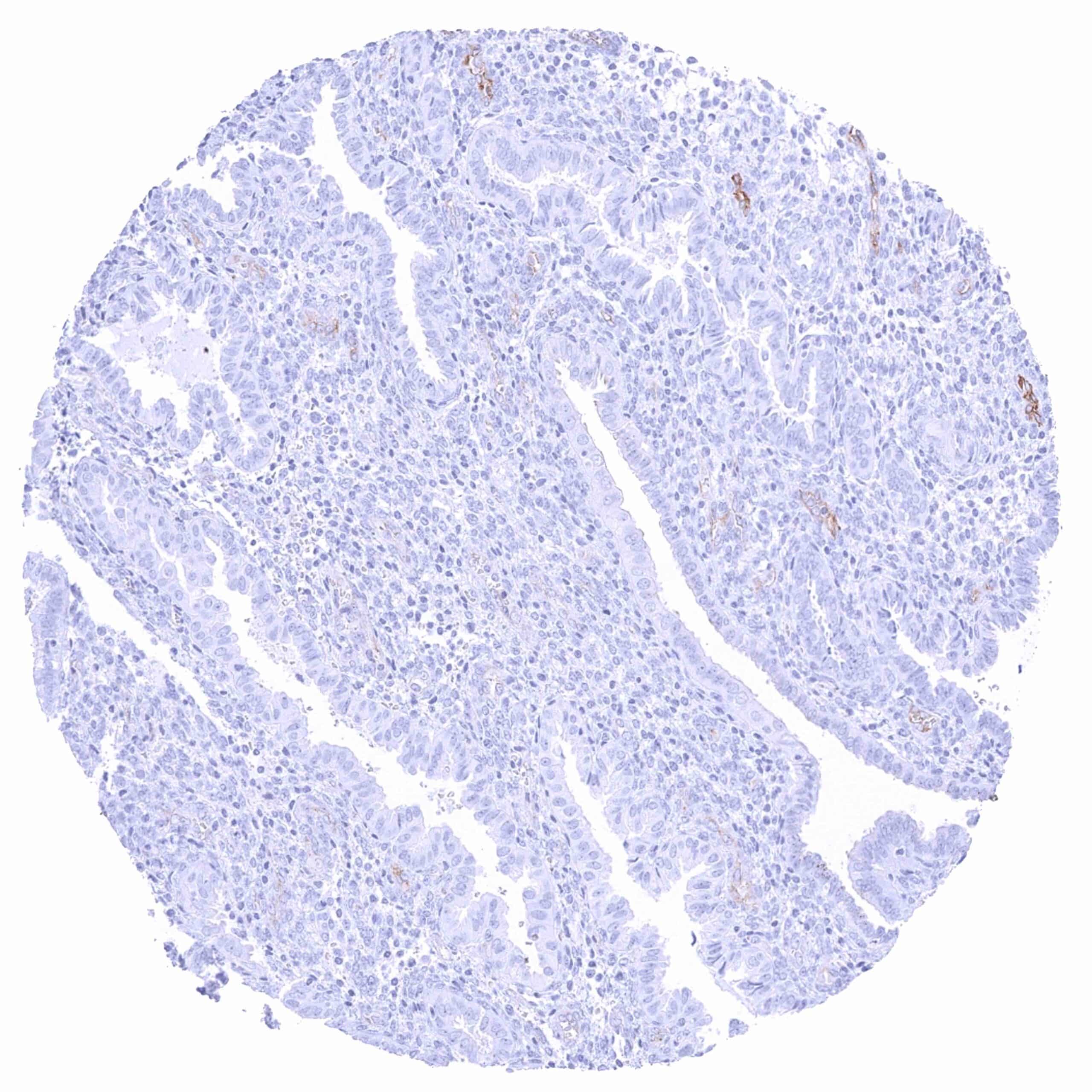
Uterus, endometrium (secretion)
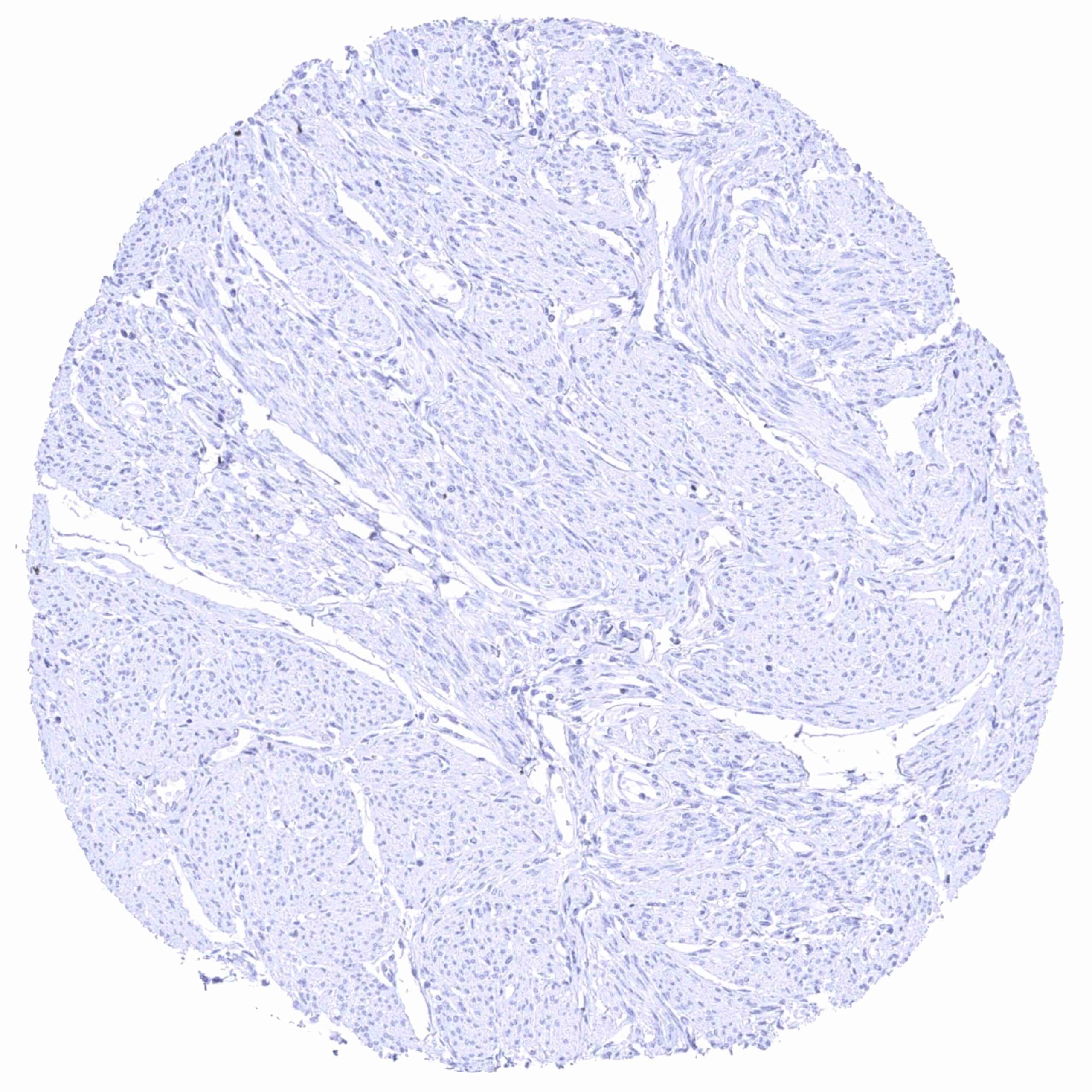
Uterus, myometrium
Uterus, myometrium
  • Linkedin
  • My Account
  • Search
    ×
  • Cart 0
© 2026 MS Validated Antibodies
  • Imprint
  • Privacy Policy
  • Distributors